
Why Blind Spot Mirrors Matter for Singapore Drivers
Navigating the roads of Singapore presents a unique set of driving challenges that can test even the most experienced motorists. From the fast-paced, multi-lane expressways like the Pan Island Expressway (PIE) and the Central Expressway (CTE) to the highly congested arterial roads of the Central Business District, drivers must maintain constant 360-degree situational awareness. One of the most significant hazards on local roads is the high volume of motorcycles. Riders frequently filter through narrow gaps between lanes during peak-hour traffic, appearing and disappearing from view within seconds.
Additionally, the physical layout of Singapore’s urban infrastructure demands precise low-speed maneuvering. Drivers must routinely negotiate tight, winding ramps in Housing & Development Board (HDB) multi-storey carparks, narrow basement parking bays in older shopping malls, and tight residential streets lined with parked cars in historic neighborhoods. In these scenarios, a single misjudgment can result in scraped rims, damaged bodywork, or worse, a collision with a low-lying obstacle or pedestrian.
While modern vehicles are equipped with sophisticated safety features, factory-installed side mirrors often fall short. Most cars in Singapore are fitted with flat or only mildly convex side mirrors. While these provide an accurate representation of the distance of vehicles directly behind you, they possess inherent optical limitations. They leave a substantial blind spot zone—typically extending from the rear doors outward across adjacent lanes—where motorcycles, bicycles, and compact vehicles can remain completely hidden from your peripheral vision. Installing a high-quality aftermarket blindspot mirror car accessory is a simple, highly effective, and low-cost solution to bridge this visibility gap, significantly enhancing safety and driving confidence.
Products mentioned in this guide
![[SG STOCK]2PCS Blind Spot Mirror Set | Wide Angle Round Convex Rearview Auxiliary Mirrors for Car Reversing & Safety](https://img.lazcdn.com/g/p/b645ffc682f7c80ff3a364723c3a30df.jpg_400x400q80.jpg_.webp)
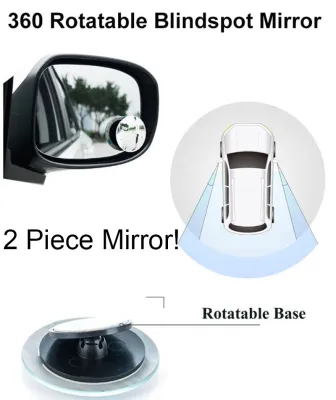
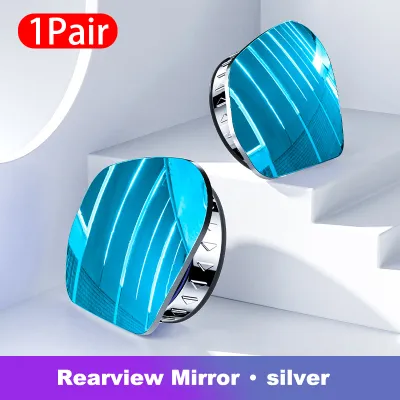
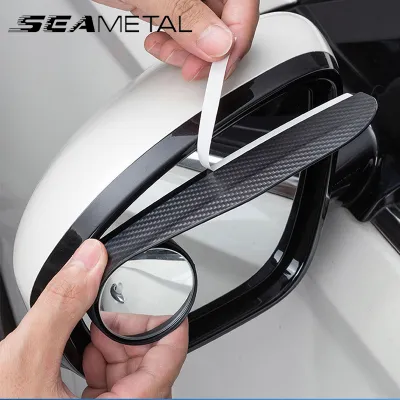
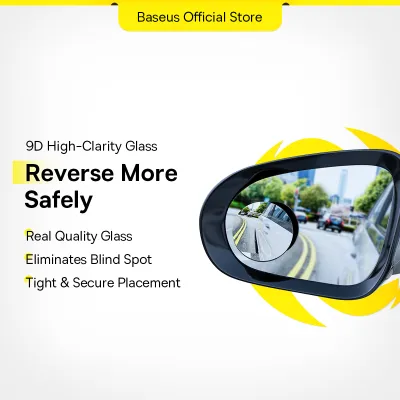
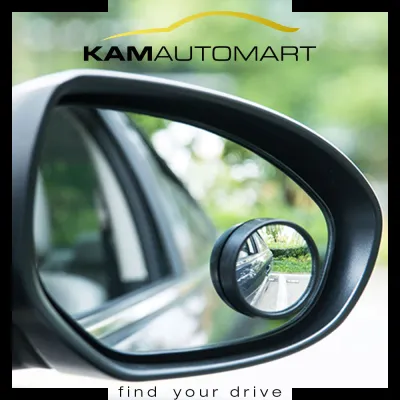
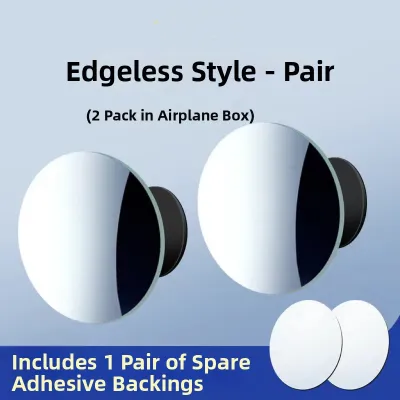
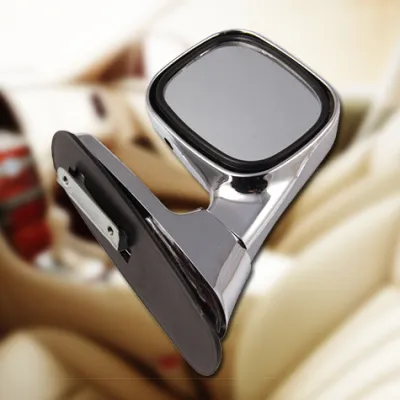
Prices are valid at publication and may change. Please refer to the product page for the latest price.
Key Factors to Consider Before Buying
Selecting the right blindspot mirror car accessory involves more than simply purchasing the first option you see on an online marketplace. Because side mirror designs, surface areas, and glass technologies vary widely across different vehicle makes and models, careful evaluation is required to ensure compatibility, safety, and durability. Before making a purchase, you must verify your specific vehicle model’s side mirror dimensions, mounting positions, and any integrated electronic features to ensure the add-on mirror does not compromise your primary view or vehicle safety.

Mirror Shape and Side Mirror Compatibility
Aftermarket blind spot mirrors are generally available in three primary shapes: round, fan-shaped (also known as wedge-shaped), and rectangular. Choosing the right shape depends heavily on the geometry and surface area of your factory side mirrors. For instance, compact hatchbacks and sedans with smaller, aerodynamic side mirrors are best suited for small round mirrors, which occupy minimal space. Conversely, larger vehicles such as sport utility vehicles (SUVs) or multi-purpose vehicles (MPVs) have larger mirror housings that can easily accommodate wider fan-shaped or rectangular models.
The primary safety boundary when choosing a shape is to ensure that the add-on mirror does not block the central rearward view of your factory mirror. This central area is critical for general highway tracking and distance estimation. If an aftermarket mirror is too large for your vehicle’s housing, it can create a larger blind spot than the one it was intended to cure. Before buying, physically measure your side mirror glass and compare it against the dimensions of the product to guarantee a proper, unobstructed fit.
Curvature and Field of View
The optical performance of a blind spot mirror is determined by its convex curvature. Convex mirrors curve outward to capture light from a wider angle, thereby expanding your field of view. However, this optical expansion comes with a trade-off: it introduces distance distortion. The law of reflection dictates that a curved surface makes objects appear smaller and significantly further away than they actually are.
When selecting a mirror, it is crucial to find a balance between a wide field of view and manageable distortion. High-quality mirrors typically specify their curvature radius (such as 150R or 100R, where a lower number indicates a steeper curve and a wider view). Extreme “fisheye” lenses with very tight curves may show you multiple lanes of traffic, but they distort spatial relationships so severely that judging the speed and distance of an approaching motorcycle becomes incredibly difficult. Opt for a moderate curvature that allows you to easily detect the presence of a vehicle in your blind spot while still maintaining a realistic sense of its proximity.
Adhesive Quality and Weather Resistance
Singapore’s tropical climate poses a severe test for any exterior automotive accessory. Vehicles parked in open-air lots are routinely exposed to intense, direct sunlight, which can cause side mirror surface temperatures to exceed 60 degrees Celsius. Conversely, the monsoon seasons bring sudden, heavy downpours and high humidity. Cheap, generic adhesives will rapidly degrade under these cyclical temperature and moisture shifts, leading to the mirror peeling off, shifting out of alignment, or falling off entirely while driving on the expressway.
To prevent this, ensure the blind spot mirror utilizes a high-grade, automotive-specific double-sided adhesive tape, such as genuine acrylic foam tape. These high-bond adhesives are engineered to resist water, UV radiation, and high temperatures without losing structural integrity. When shopping, closely inspect the product specifications or packaging for explicit mentions of outdoor weather ratings and temperature tolerances, rather than relying on vague marketing terms like “ultra-strong stickiness.”
Recommended Blind Spot Mirror Types for Different Needs
To help you navigate the wide array of options available, we have categorized the most common blind spot mirror designs based on specific driver profiles, vehicle types, and driving environments. Identifying your primary driving pain points—whether it is highway lane merging or tight parallel parking—will guide you to the most suitable category.
Frameless Round Mirrors
Frameless round mirrors feature an elegant, edge-to-edge glass construction that completely eliminates the traditional plastic outer bezel. This minimalist design allows the mirror to blend almost seamlessly with your factory side mirror glass, minimizing visual clutter and preserving the clean, original-equipment look of your vehicle.
These mirrors are highly recommended for drivers of standard passenger sedans, compact hatchbacks, and executive cars who primarily seek an unobtrusive safety aid for highway driving. They excel at detecting fast-moving motorcycles filtering through traffic on the PIE or CTE, providing just enough extra peripheral view to confirm that a lane is clear before you signal. However, their main limitation is their restricted surface area; because they are typically small (around 50mm in diameter), they do not offer the extensive downward view needed for close-range parking maneuvers.
Fan-Shaped or Wedge Mirrors
Fan-shaped or wedge mirrors are specifically engineered to fit snugly into the outer lower or upper corners of your existing side mirrors. Their unique geometry—featuring two straight perpendicular edges and a sweeping curved outer edge—maximizes the usable reflective surface area within the natural contours of modern side mirror housings.
This design is highly beneficial for drivers of larger SUVs, MPVs, and commercial vans who frequently navigate tight urban spaces. The wider, angled glass is exceptionally effective at projecting a downward view, allowing you to spot low-lying obstacles such as concrete curbs, parking bay lines, low bollards, and drainage grates in HDB multi-storey carparks. The primary drawback of wedge mirrors is their physical size; they occupy a larger portion of the factory mirror glass, which can look bulky and overly restrictive on smaller vehicles.
Adjustable Swivel Mirrors
Adjustable swivel mirrors are equipped with a small mechanical base, typically utilizing a ball-and-socket joint, which allows the mirror glass to be tilted and rotated independently of the main side mirror housing. This design offers unparalleled flexibility, as the driver can manually fine-tune the angle of the blind spot mirror to suit different driving scenarios.
This type is the ideal choice for households where multiple drivers share a single vehicle, or for car-sharing users who must constantly adapt to different seating positions. A driver can tilt the mirror outward to monitor highway blind spots during a long commute, and then easily tilt it downward to view the rear tire and curb when parallel parking. The compromise with swivel mirrors lies in their mounting depth. The swivel mechanism adds physical thickness, causing the mirror to protrude significantly from the factory glass. This protrusion can disrupt the vehicle’s aerodynamics, collect dirt more easily, and make the mirror vulnerable to being knocked out of alignment during manual car washing.
Quick Comparison of Mirror Styles
To assist you in making a quick and informed decision, the table below summarizes the key characteristics, target users, and trade-offs of the three primary blind spot mirror styles.
| Mirror Style | Best Suited For | Primary Benefit | Main Limitation |
|---|---|---|---|
| Frameless Round | Compact cars, sedans, highway commuters | Minimalist, low-profile design that blends seamlessly with factory glass | Small surface area limits downward visibility for parking |
| Fan-Shaped / Wedge | SUVs, MPVs, drivers navigating tight carparks | Maximizes corner real estate; excellent for spotting low curbs | Larger footprint can block a significant portion of primary mirror |
| Adjustable Swivel | Shared family cars, multi-purpose driving needs | Highly flexible; angle can be manually adjusted for parking or highway | Protrudes from the glass surface, making it bulkier and harder to clean |
Step-by-Step Installation and Positioning Guide
Proper installation and strategic positioning are just as important as choosing the right mirror. A poorly placed blind spot mirror can block crucial traffic views, while improper surface preparation will inevitably lead to adhesive failure. Follow these detailed steps to ensure a secure, long-lasting, and optically effective installation.
Optimal Placement Zones
Before peeling off the adhesive backing, you must determine the optimal placement zone on your factory side mirror. There are two primary zones to consider, depending on your driving priorities:
- The Outer Bottom Corner: This is the most widely recommended position for general driving and parking. Placing the mirror here provides an excellent downward and outward view, making it easy to spot low curbs, parking lines, and adjacent vehicles while maintaining a clear view of the road behind you on the main glass.
- The Outer Top Corner: This position is favored by drivers who prioritize highway safety and motorcycle detection. It offers a higher, wider angle of view across adjacent lanes, helping you quickly spot fast-moving vehicles and lane-filtering motorcycles before they enter your blind spot.
- Avoid the Inner and Center Zones: Never place the blind spot mirror on the inner edge (closest to the car door) or directly in the center of the factory glass. These areas are critical for your primary rearward vision, and blocking them can create severe safety hazards.
To find the perfect spot, sit in your normal driving position and adjust your factory side mirrors correctly. Have a helper hold the blind spot mirror against different areas of the glass using a small piece of non-damaging painter’s tape. Test the sightlines from the driver’s seat to ensure the add-on mirror complements your view without obstructing key traffic lines before proceeding to the final application.
Surface Preparation and Adhesive Application
To ensure the adhesive forms a permanent, weather-resistant bond with your factory mirror, meticulous surface preparation is mandatory. Any microscopic layer of road grime, wax, grease, or rain-repellent coating will compromise the adhesive’s contact area.
- Check Manufacturer Instructions: First, consult your vehicle's owner manual to verify if your side mirrors feature specialized chemical coatings (such as anti-glare, hydrophobic, or self-cleaning layers) or integrated heating elements. Ensure that any cleaning agents or adhesives you plan to use are safe for these specific materials.
- Clean the Surface: Clean the target area thoroughly using isopropyl alcohol (rubbing alcohol) or a dedicated, high-quality automotive glass cleaner. Apply the cleaning fluid to a clean microfiber cloth first—do not spray it directly onto the mirror housing, as liquid can seep into the internal motorized adjustment mechanisms and cause electrical damage.
- Dry Completely: Wipe the glass dry with a clean, lint-free portion of the microfiber cloth. Ensure the surface is completely dry and free of streaks. In Singapore's highly humid climate, you may want to use a hairdryer on a low, cool setting to ensure all moisture has fully evaporated from the microscopic pores of the glass.
- Apply and Press: Carefully peel the protective backing from the adhesive tape. Align the blind spot mirror precisely with your pre-tested placement zone. Once positioned, press the mirror firmly against the glass, applying even pressure across the entire surface for at least 30 to 60 seconds to activate the pressure-sensitive adhesive.
- Allow to Cure: Do not expose the vehicle to water, heavy rain, car washes, or high-speed expressway driving for at least 24 to 48 hours. This curing period is essential for the automotive-grade adhesive to reach its maximum bond strength, ensuring it remains securely attached through intense tropical sun and torrential monsoon downpours.
Frequently Asked Questions (FAQ)
Are blind spot mirrors legal for use on Singapore roads?
Yes, installing small, convex aftermarket blind spot mirrors on your vehicle’s existing side mirrors is fully legal and permissible under Land Transport Authority (LTA) guidelines. These accessories are classified as minor safety enhancements that do not alter the vehicle’s structural integrity, chassis, or primary lighting systems. However, they must be installed in a manner that does not obstruct your primary forward or rearward vision, and they must not protrude beyond the physical boundaries of the factory side mirror housing. If you have any concerns regarding specific aftermarket modifications, it is always best to consult the latest LTA guidelines or seek advice from an authorized vehicle inspection center.
Do I need blind spot mirrors if my car already has blind spot monitoring sensors?
While electronic Blind Spot Monitoring (BSM) systems are highly effective safety aids, they are designed to complement, not replace, physical mirrors. BSM systems rely on radar sensors typically mounted in the rear bumper, which are calibrated to detect moving vehicles in adjacent lanes at moderate to high speeds (usually above 15 to 30 km/h). These electronic systems are generally incapable of detecting low, stationary obstacles such as concrete curbs, parking bollards, or drainage grates during low-speed maneuvers. A physical convex blind spot mirror provides a reliable, zero-latency, analog view of these low-lying hazards, making it an invaluable and highly cost-effective tool for preventing expensive wheel alignment issues and scraped alloy rims in tight Singapore carparks.
How do I safely remove a blind spot mirror without damaging my side mirror?
Removing a blind spot mirror requires a gentle, patient approach to prevent scratching the factory glass, stripping away specialized anti-glare coatings, or damaging delicate integrated components like heating elements and turn-signal indicators.
First, check your vehicle’s documentation to identify if your side mirrors are heated or equipped with auto-dimming technology, as these systems are highly sensitive to excessive force and heat. To begin removal, do not use metal blades, screwdrivers, or sharp prying tools. Instead, take a long piece of dental floss, high-strength sewing thread, or a plastic trim removal tool. Gently slip the floss behind the blind spot mirror and use a slow, back-and-forth sawing motion to cut through the foam adhesive backing.
Once the mirror is detached, a layer of sticky residue will remain on the factory glass. Apply a small amount of automotive-safe adhesive remover or isopropyl alcohol to a clean microfiber cloth. Before applying it widely, test the cleaner on a small, hidden area of the mirror housing to ensure it does not discolor or degrade the plastic. Gently rub the residue in circular motions until it dissolves, then clean the entire mirror surface with a standard glass cleaner to restore a crystal-clear finish.
Community discussion
Share your experience or ask a question. Comments are reviewed before publication.