
Quick Answer: Matching Mirrors to Your Vehicle and Visibility Needs
Choosing the right blind spot mirror requires balancing your vehicle’s existing mirror surface area with the correct optical design to eliminate blind zones without blocking your primary rearward view. Before purchasing any accessory, you must measure the physical dimensions and evaluate the curvature of your factory side mirrors to ensure a secure fit. Different optical designs, such as convex, flat, or adjustable aspherical lenses, serve distinct driving environments and vehicle profiles. For instance, compact cars navigating tight urban lanes benefit from different mirror shapes than larger sport utility vehicles or commercial vans. By matching the accessory’s shape and lens type to your specific driving patterns, you can significantly improve your spatial awareness on the road, making lane changes and parking maneuvers much safer.
Assessing Your Side Mirror Shape and Mounting Surface
To find an accessory that integrates seamlessly, begin by measuring the usable surface area of your factory side mirror. Use a flexible measuring tape to determine the height and width of the glass surface, taking care to measure only the flat or slightly curved glass area inside the protective plastic housing. Many modern vehicles feature side mirrors with complex, tapered shapes that narrow toward the outer edges, which limits the placement options for an add-on mirror. Never infer compatibility from a generic category term; instead, verify the exact dimensions of the product against your physical measurements to ensure a precise fit.

Next, examine the edge profile of your factory mirror glass. Some vehicles utilize thick plastic bezels or have glass edges that sit flush with the outer housing, while others feature deeply recessed glass. If an add-on mirror overhangs the edge of the glass or protrudes past the housing, it can catch the wind at high speeds, leading to vibration, whistling noises, or premature adhesive failure. Ensure that any mirror you consider fits entirely within the flat boundaries of your existing glass.
Products mentioned in this guide
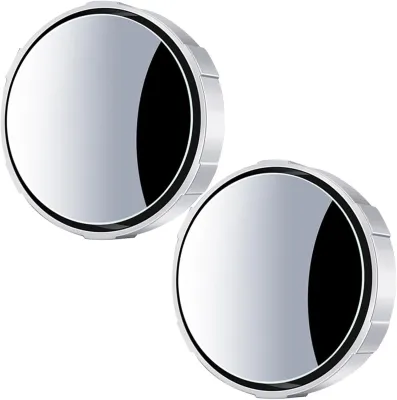
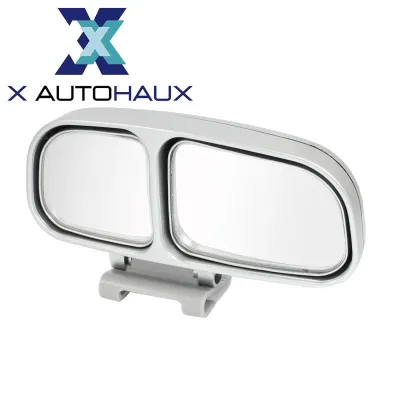
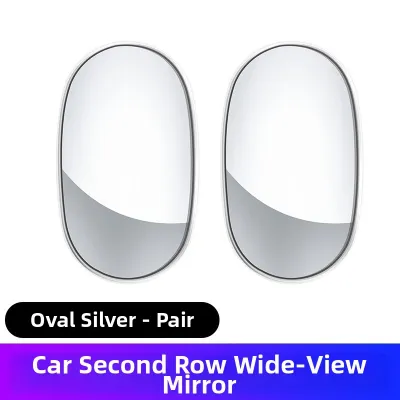
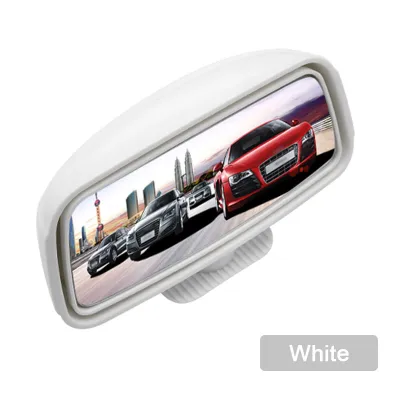
Prices are valid at publication and may change. Please refer to the product page for the latest price.
You must also check the clearance of your side mirrors when they fold. Many modern vehicles in Singapore feature automatic folding mirrors that activate when the car is locked. If your add-on mirror is too thick or protrudes too far, it may contact the window trim or door frame when the mirror assembly folds inward, potentially damaging the motor or cracking the glass.
Finally, identify any integrated factory features that could be compromised by an add-on mirror. Many modern cars are equipped with auto-dimming glass, heating elements, blind-spot warning indicator lights, or integrated turn signals embedded directly in the mirror surface. Placing an adhesive mirror over these components can damage the heating elements, block warning lights, or interfere with the auto-dimming sensors. Carefully inspect your side mirrors with the ignition on to locate these features before deciding where to mount an accessory.
Identifying Your Visibility Concerns in Singapore Traffic
Driving in Singapore presents unique visibility challenges that require careful mirror selection. The high density of traffic on expressways like the PIE or AYE demands rapid, confident lane changes where a split-second delay can create safety hazards. In these fast-moving environments, your primary concern is detecting vehicles approaching quickly in adjacent lanes, particularly in the traditional blind spots off your rear quarter panels.
Urban driving and parking in tight spaces introduce different visibility demands. Navigating narrow, winding ramps in multi-story car parks requires a clear view of low-lying concrete curbs, structural pillars, and tight corners to prevent wheel scrape or body damage. Furthermore, drivers must constantly monitor for motorcycles and bicycles filtering through stationary or slow-moving traffic, especially at busy intersections or during peak-hour congestion. A blind spot mirror must help you spot these smaller, fast-moving road users before you initiate a turn or lane change.
Weather conditions also play a significant role in local visibility. During heavy monsoon downpours, water droplets accumulate rapidly on side windows and mirrors, severely distorting your view. A well-positioned blind spot mirror can provide an alternative angle of view that remains clearer, especially if it features a hydrophobic coating that helps shed water quickly.
Your vehicle’s body style directly dictates the size and shape of its natural blind spots. Compact hatchbacks and sedans often have relatively small blind spots but offer limited mirror surface area for mounting accessories. Conversely, larger sport utility vehicles, multi-purpose vehicles, and commercial vans have substantial blind zones created by thick roof pillars and high rear window lines. These larger vehicles require larger, highly convex mirrors to cover the expansive blind zones, whereas smaller cars need compact, low-profile designs that do not block the main rearward view.
Comparing Blind Spot Mirror Types and Optical Designs
Understanding the optical characteristics of different mirror designs is essential for making an informed choice. Convex lenses are the most common type used for blind spot detection because their curved surface provides a significantly wider field of view than standard flat glass. However, this wide angle comes with a trade-off: objects in a convex mirror appear smaller and farther away than they actually are, which can distort your perception of distance and speed. Flat lenses, while offering realistic distance perception, do not expand your field of view beyond what your factory mirrors already provide, making them less effective as blind spot aids. Aspherical lenses combine a flat inner section with a progressively curved outer edge, offering a compromise that minimizes distortion in the center while expanding the view at the outer periphery.
The physical construction of the mirror housing also affects both performance and durability. Frameless designs offer a sleek, modern aesthetic that blends smoothly with your factory mirror glass, minimizing visual clutter. However, frameless mirrors can sometimes catch edge glare from streetlights or trailing headlights during night driving, and their exposed glass edges may be more vulnerable to chipping. Framed designs feature a protective plastic border that helps reduce glare and protects the glass edges from weather exposure, though they do occupy slightly more surface area on your side mirror.
Another critical decision point is the mounting mechanism, specifically choosing between fixed adhesive mounts and adjustable swivel bases. Fixed adhesive mirrors stick directly to the factory glass and maintain a constant angle, offering a highly stable, low-profile solution that is resistant to vibration. However, they cannot be adjusted once applied, meaning they must be positioned perfectly during installation. Adjustable swivel mounts feature a ball-and-socket joint that allows you to fine-tune the angle of the blind spot mirror independently of the main side mirror. While this adjustability is highly convenient for vehicles shared by multiple drivers, the swivel mechanism can add bulk, protrude further from the mirror housing, and may be more prone to shifting due to wind resistance or automated car washes.
Installation Methods and Safety Checks Before Driving
Proper installation is vital to ensure the accessory remains securely attached and functions safely without damaging your vehicle. Before applying any adhesive-backed mirror, you must thoroughly clean the factory mirror glass to remove road grime, wax, and oil residues. Use a mild glass cleaner or isopropyl alcohol as recommended by the accessory manufacturer, and dry the surface completely with a lint-free microfiber cloth. Avoid using harsh chemical solvents or abrasive cleaners, as these can permanently damage the anti-glare, hydrophobic, or heated coatings on your factory mirror glass.
When choosing the optimal placement zone, you must balance the need for an expanded field of view with the preservation of your primary rearward line of sight. Most drivers find that placing the blind spot mirror in the outer, upper corner or the outer, lower corner of the factory mirror glass provides the best results. The outer, lower corner is often preferred for monitoring low-lying obstacles and curbs, while the outer, upper corner is highly effective for detecting overtaking vehicles on the expressway. Ensure that the chosen position does not block your view of the horizon or vehicles directly behind you in the main mirror.
After applying the mirror, allow the adhesive to cure fully before exposing the vehicle to moisture or high speeds. Most high-grade automotive adhesives require at least 24 hours to establish a permanent bond. Avoid washing your car or driving in heavy rain immediately after installation to prevent the adhesive from weakening.
Once the mirror is mounted, perform a series of stationary safety checks before driving on public roads. Sit in your normal driving position and adjust your factory side mirrors according to your vehicle’s owner’s manual. Then, adjust the blind spot mirror—if it has a swivel base—to cover the area just outside your peripheral vision. Verify that the add-on mirror does not create double-image confusion or cause visual distraction. If your vehicle features advanced driver assistance systems, such as blind-spot monitoring sensors built into the glass, consult your vehicle documentation to ensure the accessory does not obstruct the sensor’s field of view or trigger false warnings. For complex electrical or integrated mirror systems, seek advice from a qualified automotive professional before making modifications.
Building Your Shortlist: What to Verify Before Buying
Before finalizing your purchase from an automotive accessory shop or online marketplace, compile a checklist to verify the quality and compatibility of the products on your shortlist. First, compare the exact physical dimensions of the blind spot mirror against the measurements you took of your factory side mirror. Ensure that the accessory will fit comfortably within the designated mounting zone without overlapping any integrated warning lights, heating elements, or the outer plastic bezel.
Next, examine the material specifications detailed on the product packaging or manufacturer’s website. High-quality blind spot mirrors typically utilize real glass with a shatterproof backing, which offers superior optical clarity and scratch resistance compared to acrylic alternatives. Acrylic mirrors are lightweight and impact-resistant, but they are more susceptible to scratching over time and can degrade or yellow under constant exposure to intense sunlight and UV radiation. Look for products that explicitly mention UV-resistant housings and high-grade, weather-resistant adhesives designed to withstand high humidity and frequent rain.
Additionally, if you opt for an adjustable model, check the build quality of the swivel joint. The joint should feel firm and offer some resistance when turned; a loose or flimsy swivel joint will quickly succumb to wind pressure at expressway speeds, causing the mirror to shift out of alignment constantly.
Finally, review the manufacturer’s policies regarding adhesive replacements and returns. Because a secure bond is critical for safety, some brands include extra adhesive pads or mounting brackets in the package, which is highly beneficial if you need to reposition the mirror during installation. Verify that the retailer offers a clear return policy in case the mirror’s curvature or mounting style does not align with your vehicle’s specific mirror glass shape.
Frequently Asked Questions (FAQ)
Are blind spot mirrors legal for use on public roads in Singapore?
Yes, auxiliary or blind spot mirrors are generally legal for use on passenger vehicles in Singapore, provided they do not compromise the driver’s primary rearward visibility or create a hazard. According to general vehicle modification guidelines, any aftermarket accessory must be securely mounted and must not protresively beyond the vehicle’s physical dimensions. The mirror must not obstruct the driver’s view of the road or block essential factory safety features, such as integrated turn signals or blind-spot warning indicators. If an add-on mirror is deemed to obstruct the primary rearview or is insecurely attached, it may fail periodic vehicle inspections. For specific vehicle configurations or concerns, drivers should consult the Land Transport Authority (LTA) guidelines or seek advice from an authorized vehicle inspection center.
How do I remove a blind spot mirror without damaging my side mirror?
Removing an adhesive-mounted blind spot mirror requires a careful, patient approach to avoid scratching or cracking the factory glass. Begin by using a household hair dryer on a low or medium heat setting to gently warm the adhesive pad behind the blind spot mirror, which softens the bonding agent. Do not apply excessive heat or use heat guns, as extreme temperatures can crack the glass or damage internal heating elements. Once the adhesive is warm, slide a piece of dental floss, strong sewing thread, or a non-marring plastic pry tool behind the mirror base and slowly saw through the softened adhesive pad. After removing the mirror, clean any remaining adhesive residue using a mild, label-authorized adhesive remover or isopropyl alcohol applied to a soft microfiber cloth, ensuring you do not scrub aggressively or damage any specialized glass coatings.
Community discussion
Share your experience or ask a question. Comments are reviewed before publication.