
Selecting the ideal bicycle back light requires matching the device’s operating modes, beam patterns, and mounting systems to your specific cycling routine. A light that excels during a solo midnight training ride might prove highly disruptive during a weekend group ride, while a basic commuter light may lack the lateral visibility needed for navigating complex multi-lane junctions. By analyzing your primary riding environments, you can identify the exact features—such as smart braking sensors, high-conspicuity flash patterns, or wide-angle optics—that will keep you visible and compliant on the road.
Rather than simply purchasing the brightest light available, a systematic approach evaluates how a light performs across different times of day and traffic conditions. The goal is to balance your need to be seen by motorists with the comfort of other road users, all while ensuring the physical mounting system remains secure under real-world riding conditions.
Understanding Bicycle Rear Light Modes and Features
Bicycle rear lights generally offer two primary operating states: steady and flashing. A steady beam provides a constant point of light that allows trailing road users to accurately judge their distance and speed of approach relative to your bicycle. This mode is particularly effective in dark, unlit environments where a flashing light can disorient drivers or make depth perception difficult. Conversely, flashing modes are designed to maximize conspicuity by breaking through visual clutter, making them highly effective during daylight hours or in brightly lit urban centers where a steady light might blend into the background of streetlights and storefronts.
Products mentioned in this guide
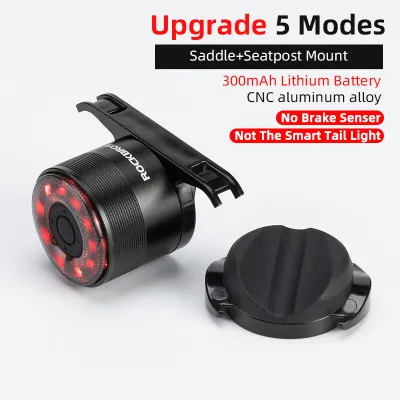
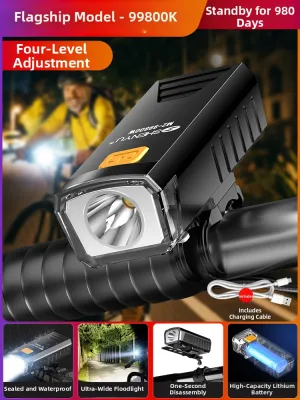
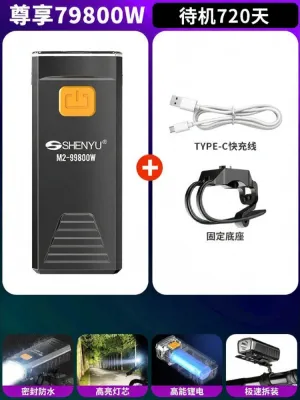
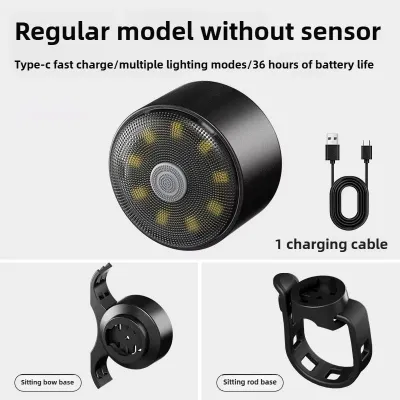
![[SG SELLER] ROCKBROS Bicycle Tail Light MTB Road Bike Light Night Safe Warning LED Light Cycling Running Helmet Tail Light](https://img.lazcdn.com/g/p/d003ac17d6d35ed71f589b6be06fa52b.jpg_400x400q80.jpg_.webp)
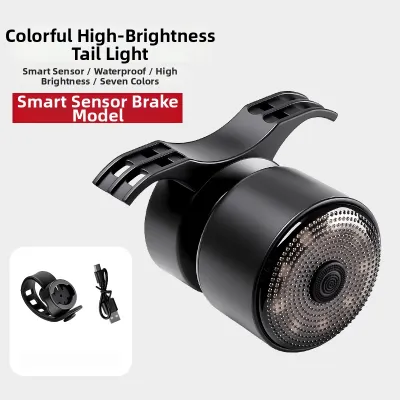
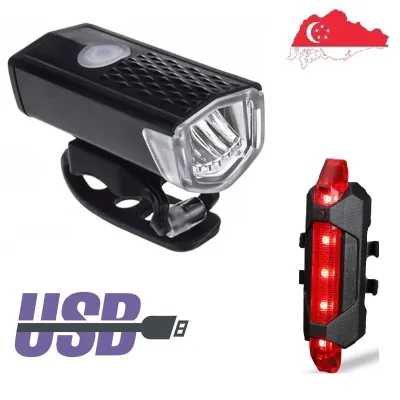
Prices are valid at publication and may change. Please refer to the product page for the latest price.
Smart sensor technology has introduced automated features to modern rear lights, primarily through ambient light sensors and built-in accelerometers. Ambient light sensors detect surrounding brightness levels and automatically adjust the light’s output or switch between day and night modes to conserve battery power. Accelerometers enable smart brake light functions, which detect sudden deceleration and temporarily trigger a high-intensity steady beam to alert trailing traffic. However, these sensors have operational limits; rough road surfaces, sudden bumps, or steep descents can sometimes trigger false brake indications, and ambient sensors may prematurely dim the light in shadowed areas under bridges or heavy tree canopies.
Power management is another critical factor when evaluating rear lights. Most modern lights utilize rechargeable lithium-ion or lithium-polymer batteries, which often feature integrated LED charging indicators to show remaining power levels. When reviewing manufacturer specifications, it is essential to recognize that claimed runtimes are highly dependent on the selected mode, ambient temperature, and battery health. A light that operates for dozens of hours in a low-output flash mode may only last a fraction of that time on a high-intensity steady setting, making it necessary to verify the specific runtime for your preferred operating mode before setting off.
Matching Light Types to Your Cycling Routine
Every cycling routine presents unique environmental challenges, meaning that the ideal rear light configuration depends heavily on where, when, and how you ride. Evaluating your typical route allows you to prioritize specific beam patterns, mounting styles, and smart features over unnecessary high-output settings.

Daily Commuting in Urban Traffic
Urban commuters frequently navigate dense, fast-moving traffic, complex intersections, and distracted motorists, making high daytime conspicuity a primary safety requirement. In these environments, a rear light with a dedicated daytime flash mode is highly beneficial. These modes utilize rapid, irregular pulse patterns and high peak lumen outputs to cut through the visual noise of city streets, ensuring you remain visible even in direct sunlight.
For commuters who experience frequent stop-and-go traffic at intersections and pedestrian crossings, smart brake sensors offer an additional layer of communication. By automatically brightening when you apply your brakes, these lights provide an immediate, intuitive warning to trailing cyclists and motorists. When selecting a light for daily commuting, it is also vital to check the mounting stability. Commuting bikes often carry panniers, rear racks, or mudguards, which can block a standard seatpost mount. Ensure the light includes versatile mounting options, such as clips for bags or brackets for rear racks, and verify that the mount can withstand the daily vibrations of uneven pavement and curb transitions.
Recreational and Weekend Riding
Recreational and weekend cyclists often ride in groups, where trail etiquette and rider comfort are just as important as visibility. Using a high-intensity flashing light in a tight paceline can blind or distract the riders directly behind you, creating an unnecessary hazard. For group rides, look for lights that offer low-intensity steady modes or specialized “group ride” settings that provide a soft, non-disruptive glow while still marking your position.
Portability and convenience are also key considerations for weekend riders who frequently stop at cafes, convenience stores, or trailheads. Selecting a light with a quick-release mounting bracket allows you to easily detach the unit and slip it into a pocket or saddlebag, reducing the risk of opportunistic theft. Additionally, because weekend rides can easily extend beyond their planned duration, prioritize lights with clear, multi-stage battery life indicators. This feature ensures you receive an early warning when the battery drops below a certain threshold, allowing you to switch to a power-saving flash mode to complete your journey safely.
Dedicated Night and Low-Light Cycling
Riding in complete darkness or during dawn and dusk requires a lighting strategy focused on long-distance recognition and lateral visibility. On unlit rural roads or dark park connectors, a high-intensity steady beam is crucial for allowing motorists approaching from behind to spot you from a distance and adjust their speed accordingly. A steady light provides a continuous visual reference point, which is far easier for a driver’s eyes to track than an intermittent flash.
However, rear-end collisions do not only occur from directly behind; side-impact risks are significant at junctions and roundabouts. Therefore, you must check the manufacturer’s specifications for wide-angle visibility and beam spread. Lights designed with side-facing LEDs or curved lenses project light outward at wider angles, ensuring you remain visible to vehicles approaching from lateral directions. Finally, always verify the light’s claimed runtime on its highest steady setting against your planned ride duration. If your route exceeds the battery’s capacity, carry a compact backup light or a portable power bank to ensure you are never left riding in the dark.
Safety, Compliance, and Installation Checks
Before purchasing any bicycle back light, you must verify that it complies with local traffic regulations. In Singapore, the Land Transport Authority (LTA) and traffic police maintain specific rules regarding bicycle lighting to ensure road safety. Rear lights must emit a red light and be visible from a reasonable distance behind the bicycle during hours of darkness. While flashing red lights are generally permitted and widely used to enhance visibility, you should consult official transport authority resources to confirm the most current guidelines regarding maximum light intensity, mounting heights, and any specific flashing frequency restrictions.
Physical compatibility with your bicycle’s frame and components is another critical pre-purchase check. Modern bicycles feature a wide variety of seatpost profiles, ranging from traditional round tubes to deep, aerodynamic shapes found on road and time-trial bikes. A standard rubber strap mount designed for a round seatpost may slip, twist, or fail to fit securely on an aero post. Many manufacturers offer specialized aero adapters or dedicated mounting brackets, so always verify that the light’s mounting hardware is compatible with your specific frame geometry.
Proper installation is essential to ensure the light functions as intended without creating safety hazards. When mounting the light, verify that its vertical angle is aligned correctly; a light angled too far downward will only illuminate your rear tire, while one angled too high can blind trailing road users. Ensure the light’s placement does not obscure your bicycle’s factory-installed red rear reflector, which serves as a vital passive safety backup if your light’s battery fails. Finally, double-check that the light, its mounting straps, and any trailing charging cables do not interfere with the operation of your rear brake calipers, mudguards, or the clearance of your rear wheel.
Cross-Scenario Compatibility and Maintenance
If your cycling routine transitions between daily urban commuting and weekend group rides, investing in a highly adjustable multi-mode light is often more practical than purchasing multiple dedicated units. Look for models that allow you to easily program or cycle through distinct profiles, such as a high-output daytime flash for your commute and a low-output steady mode for group rides. This versatility ensures you can adapt to changing light and traffic conditions with a single device.
To maintain optimal brightness and preserve the water-resistance of your rear light, establish a routine cleaning schedule. Road grime, mud, and water spray from the rear wheel can quickly coat the light’s lens, significantly reducing its light output and visibility. Clean the lens regularly using a soft, damp microfiber cloth and mild soap, avoiding abrasive cleaners or harsh chemicals that could scratch or degrade the plastic. Always ensure the rubber USB charging port cover is fully pressed in and sealed before every ride, especially in wet weather, to prevent water ingress from damaging the internal circuitry.
Long-term battery health depends heavily on proper storage and charging habits. Avoid leaving your light in areas of extreme heat, such as inside a parked car or in direct sunlight, as high temperatures can permanently degrade lithium-ion batteries. If you plan to store the light unused for an extended period, charge it to approximately 50% to 70% capacity rather than storing it completely empty or fully charged, and store it in a cool, dry place according to the manufacturer’s instructions to maximize its overall lifespan.
Frequently Asked Questions (FAQ)
Can I use a smart sensor light during the day?
Yes, you can use a smart sensor light during the day, but you must understand how its specific sensors behave in bright conditions. Some ambient light sensors are designed to automatically turn the light off or switch it to a low-intensity standby mode when they detect bright daylight, which can inadvertently leave you without rear visibility during a daytime ride. To prevent this, check your light’s manual to see if it features a manual override mode. This setting allows you to disable the ambient sensor and force the light to remain in a high-visibility daytime flashing mode, ensuring continuous protection regardless of surrounding light levels.
How do I know if my bicycle back light is road-legal in Singapore?
To ensure your bicycle back light is road-legal in Singapore, it must comply with the active mobility and traffic regulations set by local authorities. The primary requirement is that the rear light must exhibit a red light that is visible from a reasonable distance behind the bicycle during hours of darkness. While flashing red lights are widely accepted, you should always refer directly to the official Land Transport Authority (LTA) or Singapore Statutes Online resources for the most up-to-date specifications on light placement, visibility distances, and any restrictions on maximum brightness or flash patterns. Additionally, ensure your bicycle retains its rear red reflector, as this is often a separate legal requirement alongside active lighting.
Community discussion
Share your experience or ask a question. Comments are reviewed before publication.