
Caring for leather car seats requires a targeted approach to preserve their texture, color, and structural integrity over years of daily use. When navigating the extensive Armor All product lineup, you must select formulas specifically engineered for leather surfaces rather than general-purpose interior cleaners. Using an incompatible product can degrade the protective factory coating on your seats, leading to premature cracking, fading, or permanent discoloration.
Modern automotive leather is typically finished with a thin, protective polyurethane topcoat. This layer shields the underlying hide from wear, moisture, and UV damage, but it is highly sensitive to harsh chemicals, high-pH detergents, and heavy silicone oils. Choosing a dedicated leather care formula ensures you maintain this protective barrier without stripping away essential moisture or altering the original matte finish. Whether your vehicle features genuine top-grain leather or synthetic alternatives like leatherette, verifying the product’s compatibility with your specific material is the first step toward successful interior maintenance.
How to Identify Armor All Products Formulated for Leather
To find the correct product, start by examining the front label of the packaging for explicit leather-care designations. Armor All categorizes its interior products clearly, but general-purpose cleaners often share similar branding colors and shelf space. Look for prominent terms such as “Leather Care,” “Leather 3-in-1,” or “Leather Detailer” on the bottle or canister. If a product label lists multiple surfaces like vinyl, plastic, rubber, and wood without specifically highlighting leather as a primary application, it is likely a multi-surface cleaner that may be too harsh for regular leather maintenance.
Products mentioned in this guide
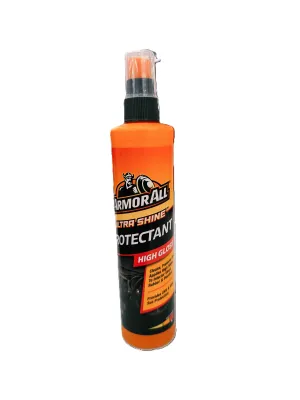
Prices are valid at publication and may change. Please refer to the product page for the latest price.
The brand offers these formulas in several distinct formats, each suited to different maintenance tasks and user preferences. Leather wipes are highly convenient for quick touch-ups, removing light dust, and maintaining UV protection between deep cleanings. They are pre-saturated, making them ideal for keeping in the glove box for immediate spill response. However, because they contain a limited amount of liquid, they are less effective for deep cleaning heavily soiled seats or restoring dried-out material.
For more thorough maintenance, leather sprays and gels provide deeper penetration and more consistent coverage. Sprays are excellent for regular cleaning and light conditioning, allowing you to control the amount of product applied to a microfiber towel. Gels and creams are thicker, richer formulas designed to deliver intensive conditioning to older or drier leather. These heavier formats help restore flexibility to the material but require careful buffing to prevent a sticky residue.
Before purchasing, always verify the manufacturer’s compatibility list on the back of the bottle. Most consumer leather products are formulated for finished, top-coated leather, which is standard in the vast majority of modern vehicles. If your vehicle features unfinished leather, such as aniline, semi-aniline, or suede, standard retail leather conditioners can cause permanent staining or darkening. The product label will explicitly state if it is unsuitable for these delicate, open-pore materials, so checking your vehicle’s owner manual to identify your leather type is highly recommended.
What to Check on the Label Before Buying a Leather Formula
When evaluating a specific Armor All leather product, the chemical properties listed on the label should guide your decision. A primary feature to look for is a pH-balanced formula. Automotive leather topcoats are sensitive to highly acidic or highly alkaline substances, which can break down the polyurethane finish over time. A pH-balanced cleaner mimics the natural pH of finished leather, ensuring that dirt and body oils are lifted away without compromising the integrity of the protective clear layer.

In regions with intense sunlight and high temperatures, such as Singapore, UV protection is a critical component of leather care. Solar radiation accelerates the drying process of leather, causing the natural oils to evaporate and leading to unsightly fading and structural cracking. Look for labels that explicitly mention UV blockers or sun shields. These ingredients act as a protective barrier for your seats, absorbing or reflecting harmful ultraviolet rays to prolong the life of the dye and the underlying hide.
Conditioning properties are equally important to look for on the label. Effective formulas contain mild conditioning agents that penetrate the micro-pores of the leather’s finish to keep the material supple. However, you must carefully check the ingredient descriptions to avoid heavy silicones or petroleum distillates. While these ingredients can provide a temporary, high-gloss shine, they often seal the leather completely, preventing it from breathing and attracting airborne dust and grime.
Furthermore, check the label for the promised finish type. High-quality automotive leather care products generally aim for a natural, matte, or satin finish that matches the original factory appearance. Avoid products that promise an ultra-shiny or glossy look, as this is often an indicator of heavy silicone content. A glossy seat is not only historically inaccurate for modern car interiors, but it can also become dangerously slippery, reducing your stability during sudden turns or braking maneuvers.
How to Safely Test and Apply the Product to Your Seats
Before applying any leather care product across your entire interior, establishing a safe application routine is essential to prevent widespread damage. The first and most critical step is performing a spot test in an inconspicuous area. Choose a spot that is rarely visible, such as the lower rear portion of the headrest, the side bolster facing the center console, or the underside of the seat cushion. Apply a small drop of the product using a clean microfiber cloth, rub it gently into the surface, and let it dry completely.
Once dry, inspect the test area under good lighting. Check for any signs of color transfer onto the microfiber cloth, which indicates that the product is stripping the leather dye. Observe the texture and color of the tested spot; if you notice any darkening, spotting, or a change in the gloss level that does not blend in, discontinue use immediately. If the area remains unchanged and matches the surrounding leather, you can proceed with the application.
Proper preparation of the seats is necessary before any liquid or gel touches the surface. Use a vacuum cleaner equipped with a soft brush attachment to remove loose dirt, sand, and crumbs from the seams and crevices. Skipping this step can lead to disaster, as rubbing a microfiber cloth over loose debris acts like sandpaper, scratching the delicate clear coat of the leather. Once the seats are free of loose particles, wipe them down with a slightly damp, clean microfiber cloth to remove surface dust, and allow them to dry.
When applying the chosen Armor All leather product, never spray or pour the formula directly onto the seat. Direct application can lead to uneven absorption, resulting in dark spots or patchy areas. Instead, apply a small amount of the product to a clean microfiber applicator pad or cloth. Work the product into the leather using light, circular motions, focusing on one section of the seat at a time, such as the headrest, the backrest, and then the seat cushion.
After applying the product, monitor how the leather reacts. If the formula is absorbed quickly, the leather may be dry and require a light second coat. If the product sits on top of the surface, it indicates the leather is fully saturated. Always finish the process by taking a separate, clean, dry microfiber cloth and thoroughly buffing the entire surface. This step removes any excess product, prevents a greasy residue from forming, and restores the leather’s natural satin appearance.
Which Armor All Products to Strictly Avoid on Leather
While Armor All is famous for its classic protectants, many products in their catalog are highly incompatible with leather seats. You must strictly avoid using the original Armor All Protectant spray, multi-purpose cleaners, tire shines, or exterior trim restorers on leather. These formulas are specifically engineered for non-porous materials like vinyl, rubber, and hard plastics. They often contain high concentrations of silicones or solvents that can permanently damage the leather’s topcoat, clog its pores, and leave a slick, greasy film that is incredibly difficult to remove.
It is also vital to recognize when over-the-counter consumer products are no longer sufficient for your seats. Consumer leather cleaners and conditioners are designed for preventive maintenance and light cleaning; they cannot repair structural damage. If your leather seats exhibit deep, jagged cracks that expose the grey or brown hide underneath, peeling clear coats, or severe dye transfer from denim, applying a conditioner will not resolve the issue. In fact, applying liquid conditioners to cracked leather can cause the moisture to seep into the raw hide, leading to rotting or mold growth.
When you encounter these severe conditions, you should immediately stop DIY treatments and consult a qualified automotive upholstery specialist. Professional restorers have the tools and specialized dyes needed to strip the old clear coat, repair deep cracks with flexible fillers, and re-dye the leather to match the original factory color. Attempting to fix these issues with retail products often worsens the damage, leading to a more expensive professional repair or the need for a complete seat reupholstery.
Frequently Asked Questions (FAQ)
Can I use standard multi-purpose interior cleaners on leather seats?
No, you should avoid using standard multi-purpose interior cleaners on leather seats unless the label explicitly states it is safe for leather. Multi-purpose cleaners are often formulated with stronger degreasing agents and higher pH levels to tackle tough grime on plastic, vinyl, and metal. When applied to leather, these harsh chemicals can strip away the protective polyurethane topcoat and dry out the natural oils underneath. This accelerated drying process leads to premature cracking and fading. Instead, always opt for a dedicated, pH-balanced leather cleaner that gently lifts dirt without compromising the material’s integrity.
How often should I apply leather protectant to my car seats?
As a general guideline, you should apply a leather protectant or conditioner every three to six months. However, this schedule depends heavily on your vehicle’s usage and environmental exposure. If your car is parked outdoors under intense sunlight and high temperatures, the leather will dry out much faster, requiring conditioning every two to three months to maintain flexibility. For vehicles that are garage-parked or have tinted windows, a semi-annual application is usually sufficient. Always refer to the specific product label instructions, as some light detailers are designed for monthly use, while heavy gels are meant for less frequent, deep conditioning.
Will leather care wipes leave a slippery residue on the steering wheel?
Yes, using leather care wipes or conditioners on a leather-wrapped steering wheel can leave a slippery residue if not handled correctly. While these products are excellent for maintaining the steering wheel’s leather, a slick grip poses a serious safety hazard while driving. To prevent this, apply the product sparingly and ensure you thoroughly buff the steering wheel with a clean, dry microfiber cloth immediately after application. Buffing removes the excess oils and restores a secure, non-slip grip. If the steering wheel still feels slippery, wipe it down with a damp cloth to remove the remaining residue.
Community discussion
Share your experience or ask a question. Comments are reviewed before publication.