
Choosing the right AGV helmet in Singapore requires balancing your budget with safety certifications, shell materials, and the specific demands of riding in a tropical climate. While entry-level models offer robust protection using thermoplastic shells, premium tiers introduce lightweight carbon composites and advanced aerodynamics. The key is identifying your riding needs and ensuring a perfect physical fit, which remains the most critical safety factor regardless of price. By understanding what each price bracket offers, you can make an informed decision that protects both your head and your wallet.
Understanding AGV Helmet Tiers and Safety Baselines
To navigate the AGV helmet lineup, you must first understand how safety standards and construction materials evolve across different price points. In Singapore, any motorcycle helmet used on public roads must comply with local traffic regulations. This means verifying that the helmet carries the appropriate safety certifications, such as the United Nations Economic Commission for Europe (UNECE) R22.05 or R22.06 standards, which are recognized by the Land Transport Authority (LTA). You can verify these certifications by physically inspecting the safety labels sewn onto the chin strap or affixed to the rear of the helmet shell.
The primary differentiator between budget tiers is the shell material. Entry-level helmets typically utilize high-resistance thermoplastic resins. While highly durable and excellent at absorbing impacts, thermoplastic shells require more material to achieve safety standards, making them heavier. As you move into mid-range and premium tiers, manufacturers transition to composite fibers, such as fiberglass, aramid, and carbon fiber. These advanced materials offer superior tensile strength and energy dissipation while significantly reducing the overall weight of the helmet.
Products mentioned in this guide
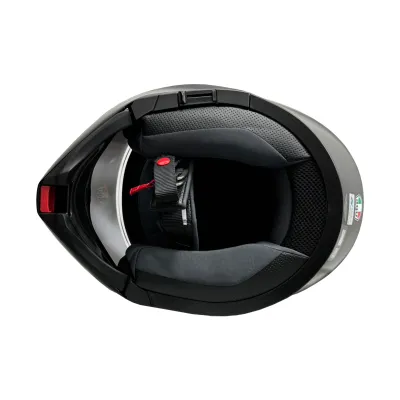
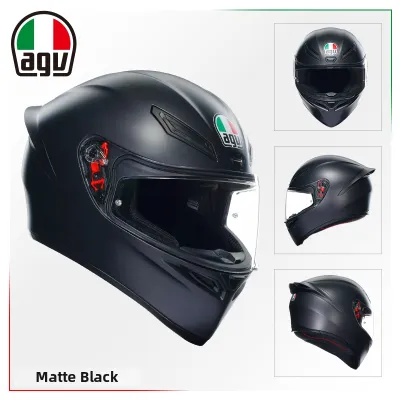
Prices are valid at publication and may change. Please refer to the product page for the latest price.
When researching these tiers, always rely on official manufacturer documentation and specifications rather than unverified descriptions on online marketplaces. Unauthorized sellers may mislabel materials or certification standards to attract buyers. Physically inspecting the helmet at an authorized local dealer allows you to verify the presence of genuine safety stickers and assess the build quality firsthand before committing to a purchase.
Defining Your Budget Priorities and Acceptable Trade-offs
Aligning your helmet choice with your primary riding style is essential for maximizing the value of your investment. A daily commuter navigating congested expressways during peak hours has vastly different requirements than a rider preparing for weekend track sessions. Commuters should prioritize practical features such as integrated sun visors, high-visibility color schemes, and durable, easily washable comfort liners that can withstand daily wear.

Regardless of your budget, certain elements remain completely non-negotiable. A proper physical fit is the single most critical factor in helmet safety; an expensive carbon-fiber helmet that is too loose will not protect you as effectively as a budget-friendly thermoplastic helmet that fits snugly. The retention system—whether a micrometric buckle or a traditional double D-ring—must also be fully functional and easy for you to secure tightly every time you ride.
To stay within a tighter budget, you must decide which premium features you are willing to sacrifice. For instance, advanced aerodynamic spoilers designed to reduce drag at track speeds are largely unnecessary for city commuting. Similarly, you might opt out of pre-installed communication system cutouts or ultra-premium interior fabrics. By focusing on core safety and fit while letting go of high-speed track features, you can find a highly capable helmet without overspending.
Evaluating Entry-Level and Mid-Range AGV Options
Entry-level AGV helmets provide an accessible entry point into the brand’s safety ecosystem without compromising on structural integrity. These models are characterized by their robust thermoplastic shells and straightforward ventilation layouts. While they may lack the complex multi-port ventilation systems found in higher tiers, they still offer reliable airflow through standard chin and forehead vents. The visor mechanisms on these models are typically basic but functional, offering reliable detents and tool-free shield replacement.
Stepping up to the mid-range tier introduces noticeable upgrades in comfort and performance. These helmets often feature lightweight fiberglass or composite shells, which help reduce neck strain during longer rides. You will also find improved aerodynamic profiling, which minimizes wind buffeting and lowers cabin noise levels. Mid-range models frequently include fully removable, moisture-wicking interior liners, making it much easier to keep the helmet fresh in warm weather.
When purchasing an entry-level or mid-range helmet, verifying authenticity and product history is crucial. Always check the manufacturing date, which is typically printed on a white tag sewn onto the chin strap or located beneath the comfort liner. Helmets have a limited lifespan due to the natural degradation of the protective EPS liner over time, so avoid buying older stock. Purchasing from authorized local dealers ensures you receive a genuine product backed by a valid local warranty, protecting you against manufacturing defects.
Assessing Premium and Track-Focused AGV Helmets
For riders with a larger budget, premium and track-focused AGV helmets offer the pinnacle of lightweight construction and high-speed performance. These top-tier models are constructed almost entirely from advanced composite fibers or pure carbon fiber, resulting in an incredibly light shell that drastically reduces neck fatigue during extended use. They also incorporate sophisticated multi-density EPS liners designed to manage both high-velocity impacts and rotational forces during a crash.
Track-oriented helmets are engineered with specific performance specifications in mind. You will find features such as tear-off posts on the visor, an emergency quick-release system for the cheek pads to assist medical personnel, and an optimized eyeport that provides an exceptionally wide horizontal and vertical field of vision. This expanded view is critical when tucked low over the fuel tank, allowing you to maintain situational awareness without straining your neck.
Investing in a premium helmet requires a commitment to proper maintenance and professional fitting. These helmets often feature an aggressive, race-fit profile that may feel tighter than standard touring models. It is highly recommended to visit a physical store where a trained specialist can assist you in selecting the correct shell and cheek pad sizes. Additionally, you must follow the manufacturer’s guidelines for cleaning and maintaining the delicate carbon fiber shells and specialized visor mechanisms to ensure their longevity.
Accounting for Hidden Costs and Local Riding Conditions
When planning your budget, it is important to look beyond the initial purchase price of the helmet and account for essential accessories and local environmental factors. In Singapore’s tropical climate, high humidity and sudden downpours are constant challenges. An anti-fog visor insert, such as a Pinlock lens, is an indispensable accessory that prevents your visor from misting up during heavy rain, ensuring clear vision when road conditions are at their worst.
You should also consider the cost of replacement visors, protective carrying bags, and specialized cleaning solutions. A helmet’s ventilation performance and interior moisture-wicking properties are critical for maintaining comfort in hot weather. Look for models with channels designed to route air efficiently over your scalp and liners treated with antimicrobial properties to prevent odor buildup from sweat.
Finally, always clarify the retailer’s return and exchange policies before finalizing your purchase. Because helmet fit is so critical, buying online without a clear exchange policy can leave you stuck with an improperly sized helmet that is unsafe to wear. Ensuring that you have access to local warranty support and fitting adjustments will save you from costly mistakes and guarantee a safe, comfortable riding experience on Singapore’s roads.
Frequently Asked Questions (FAQ)
How do I verify if an AGV helmet is authentic?
To verify the authenticity of an AGV helmet, inspect the product for official holographic stickers and quality control labels, which are typically located on the rear of the shell or under the comfort liner. You can also cross-reference the unique serial number found on the helmet’s chin strap with official manufacturer databases. To ensure absolute legitimacy, purchase your helmet exclusively from authorized local distributors or reputable physical motorcycle gear shops in Singapore.
Can I upgrade the visor or interior of a budget AGV helmet later?
Yes, you can often upgrade or replace specific components of a budget AGV helmet, such as installing compatible tinted visors, anti-fog inserts, or replacement cheek pads of varying thicknesses to customize the fit. However, these upgrades are limited to modular accessories. The core safety structures, including the thermoplastic shell material and the internal EPS impact liner, cannot be altered, upgraded, or replaced.
Community discussion
Share your experience or ask a question. Comments are reviewed before publication.