
Finding the right sunglasses car holder in Singapore requires balancing quick accessibility with protection against intense tropical heat. With outdoor parking temperatures regularly soaring, leaving eyewear exposed on the dashboard can damage delicate lens coatings or warp plastic frames. The ideal solution depends on your vehicle’s interior layout, your daily driving habits—such as navigating Electronic Road Pricing (ERP) gantries and multi-storey car parks—and the specific design of your sunglasses. By evaluating mounting locations, material durability, and safety boundaries, you can secure your eyewear without compromising your driving view or damaging your car’s cabin.
Map Your Car's Interior and Driving Habits
Assess the physical layout of your cabin before choosing a holder. Look at the sun visor, the flat areas of the dashboard, and the open spaces within the center console, as each vehicle model presents unique spatial constraints. For instance, compact hatchbacks or sedans may have limited dashboard real estate, making overhead visor storage more appealing. Conversely, larger sports utility vehicles (SUVs) or multi-purpose vehicles (MPVs) often feature deep center consoles or spacious dashboard surfaces that can easily accommodate dedicated storage trays or adhesive mounts.
Consider your daily driving routines and how often you need to access your sunglasses. In Singapore, drivers frequently transition between bright outdoor expressways and dimly lit underground car parks or tunnels, such as the Marina Coastal Expressway (MCE) or Central Expressway (CTE). These rapid lighting changes require a holder that allows for seamless, single-handed retrieval and storage. If you must fumble with a complex latch or reach too far across the cabin while driving, you compromise road safety. Furthermore, consider how your sunglasses storage might interact with other daily tasks, such as reaching for your parking card or checking your ERP unit.
Products mentioned in this guide
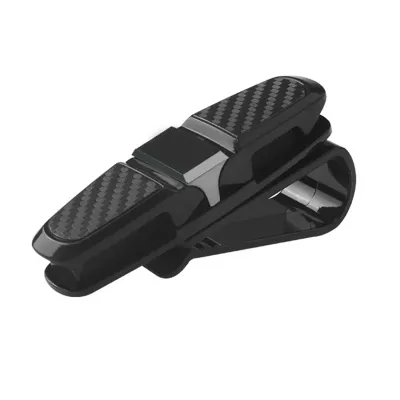
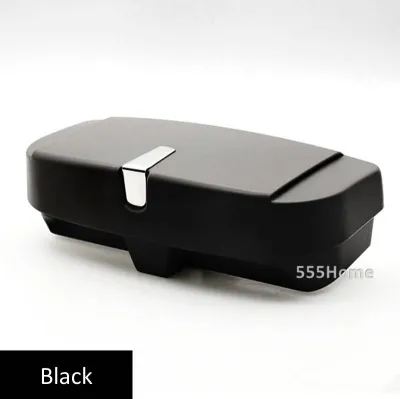
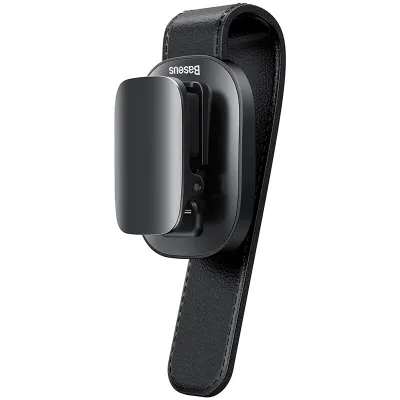
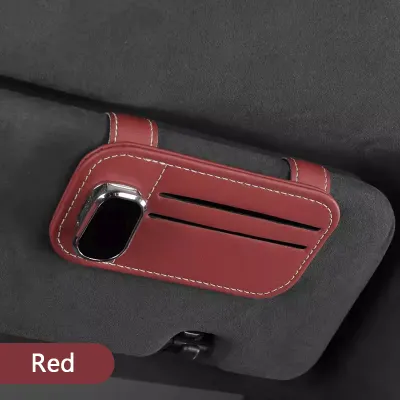
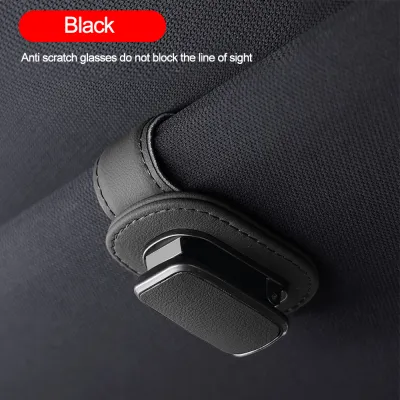
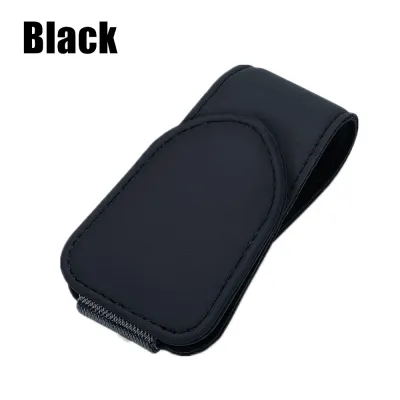
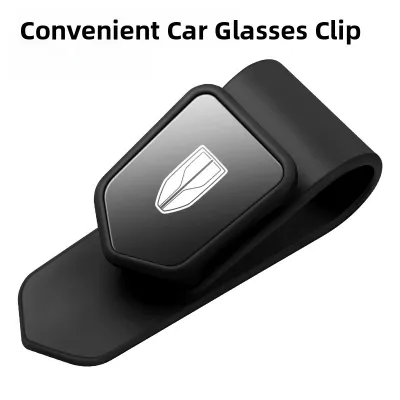
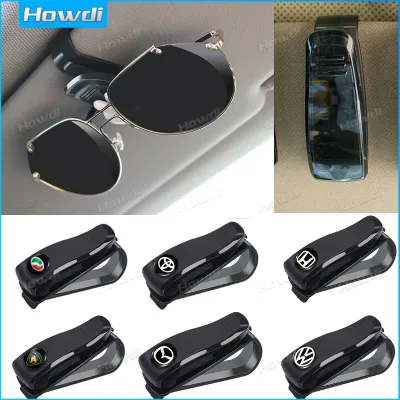
Prices are valid at publication and may change. Please refer to the product page for the latest price.
Determine whether your primary goal is absolute protection or immediate convenience. If you own high-end polarized sunglasses with delicate anti-reflective coatings, shielding them from direct sunlight and extreme heat is paramount. A closed storage solution, such as a lined console box or a dedicated glove compartment organizer, keeps the eyewear out of direct UV rays. If you prioritize quick access for short drives, an open visor clip or a magnetic dashboard mount might be more practical, provided you take steps to shield the lenses when parking the vehicle in open-air lots for extended periods.
Compare Mounting Styles for Different Vehicle Layouts
Visor Clips and Straps
Visor-mounted holders are a popular choice because they utilize otherwise empty overhead space, keeping your sunglasses within arm’s reach. Before purchasing a visor clip or strap, inspect the thickness and material of your car’s sun visor. Thick, plush visors wrapped in delicate leather or soft fabric can easily be permanently indented or torn by tight, high-tension metal clips. Look for adjustable straps or clips with wide, flat contact areas that distribute pressure evenly to prevent long-term cosmetic damage to your vehicle’s interior.

Additionally, evaluate how the holder affects the functionality of your visor. A bulky clip can block the built-in vanity mirror, obstruct the slide-out visor extensions, or cover integrated ticket holders used for parking receipts. It is also crucial to ensure that the clip does not prevent the visor from folding completely flat against the headliner. If the visor hangs down even slightly, it can impede your forward visibility or distract you while driving.
Finally, pay close attention to the clamping mechanism itself. Visor clips that rely on hard plastic or unpadded metal jaws can easily scratch the frames or lenses of your sunglasses during insertion and removal. Opt for designs that feature soft silicone, foam, or microfiber padding along the gripping surfaces. This padding not only protects your eyewear from physical wear but also dampens vibrations, preventing annoying rattling noises right above your head as you drive over uneven road surfaces.
Dashboard and Windshield Mounts
Dashboard and windshield mounts position your sunglasses directly within your line of sight, making them incredibly easy to access. These holders typically secure to the vehicle using double-sided adhesive tapes or suction cups. Before choosing an adhesive mount, verify its compatibility with your dashboard’s specific material. Soft-touch plastics, textured vinyl, and genuine leather are highly sensitive to strong adhesives. Applying a permanent or semi-permanent tape can chemically react with these materials, leading to peeling, discoloration, or sticky residue that is difficult to restore.
Placement is another critical safety factor for dashboard mounts. The holder must be positioned so that it does not block your view of the road, the side mirrors, or any essential dashboard displays and controls. Avoid placing the mount anywhere near the passenger-side dashboard airbag seam or the steering wheel hub. In the event of an accident, a poorly placed holder can become a dangerous projectile when the airbag deploys.
You must also account for the extreme thermal conditions on top of the dashboard. Because Singapore experiences high ambient temperatures and intense solar radiation, the area directly beneath the windshield acts as a heat trap. Cheap plastics can warp, degrade, or emit unpleasant odors when exposed to this heat, and standard adhesives may melt, causing the mount to slide or fall off. Look for mounts constructed from high-grade, heat-resistant materials like polycarbonate or silicone, and ensure the adhesive is rated for high-temperature automotive environments.
Center Console and Drop-In Organizers
Center console organizers and drop-in trays offer a discreet, highly integrated storage solution. These accessories are designed to fit into existing cubbies, cup holders, or armrest compartments, keeping your sunglasses completely out of sight and protected from direct sunlight. Before purchasing, carefully measure the internal dimensions of your console compartments. An ill-fitting tray can slide around, causing distracting rattling noises and potentially damaging both the accessory and the car’s interior trim.
While console storage excels at protecting your sunglasses from heat and UV damage, consider the ergonomics of accessing them while driving. For shorter drivers or vehicles with deep, rearward-set armrests, reaching down and back to open a console lid can be awkward and distracting. If you choose a console organizer, look for designs that allow for quick, blind access, enabling you to retrieve your glasses by feel alone without taking your eyes off the road.
To maximize protection within the console, select organizers that feature anti-slip rubber bases or soft felt linings. These materials prevent your sunglasses from sliding and knocking against the hard plastic walls of the compartment when you accelerate, brake, or navigate sharp turns. If your vehicle has a shared cup holder area, look for specialized drop-in inserts that isolate your eyewear from keys, coins, and water bottles, preventing accidental scratches.
Verify Fit, Protection, and Retention Features
When evaluating any sunglasses car holder, the quality of interior protection should be your top priority. The inner surfaces of the holder must be lined with non-abrasive materials such as microfiber, soft felt, or high-density foam. Avoid holders with exposed plastic edges, metal hinges, or rough stitching that can rub against your lenses. Over time, even minor vibrations from daily driving can cause these hard surfaces to wear away expensive lens coatings, resulting in permanent scuffs that impair your vision.
Next, verify the physical capacity and frame compatibility of the holder. Sunglasses come in a wide variety of shapes and sizes, from classic thin-metal aviators to thick-framed plastic wayfarers and curved, wraparound sports eyewear. A holder designed for standard optical glasses may not close properly over bulky sports frames, while an oversized holder might allow smaller glasses to bounce around excessively. If you frequently travel with a passenger who also wears sunglasses, consider a dual-slot holder, but ensure its overall dimensions do not crowd your cabin space.
Finally, examine the retention and closure mechanism to ensure it can withstand real-world driving conditions. The holder must keep your glasses securely locked in place when driving over speed humps, crossing expansion joints on flyovers, or executing sudden emergency stops. Magnetic closures are convenient for one-handed operation but require strong, high-quality magnets to prevent accidental opening. Spring-loaded clips offer a firm grip but must have a smooth, controlled release to prevent the holder from snapping shut violently on your fingers or your eyewear. Elastic bands are simple and durable but can stretch out over time when exposed to cabin heat.
Avoid Airbag Zones and Interior Damage During Installation
Safety must always take precedence when installing aftermarket accessories in your vehicle. Under no circumstances should a sunglasses holder be mounted on or near designated airbag deployment zones. These zones typically include the A-pillars, the sides of the seats, the steering wheel cover, and specific sections of the passenger-side dashboard. Consult your vehicle’s owner’s manual to locate the exact positions of all airbags. Placing an object in these paths can interfere with proper deployment during a collision or turn the holder into a high-speed projectile, causing severe injury.
Before applying any adhesive-backed mounts to your dashboard or console, read the vehicle manufacturer’s guidelines regarding interior care and modifications. Some premium leather or synthetic finishes are treated with protective coatings that can be stripped away by strong adhesives. If you are unsure about the safety of an adhesive on your specific dashboard material, consider using non-destructive mounting alternatives, such as weighted friction bases, vent-clip mounts, or drop-in console organizers that require no permanent attachment.
If you encounter any difficulties during installation, or if you suspect the holder is compromising your vehicle’s safe operation, stop immediately. For example, if a visor-mounted holder prevents your sun visor from deploying fully to block glare, or if a dashboard mount slightly obscures your view of the front corner of your car, it is not safe to use. Do not hesitate to seek advice from a professional automotive detailer or accessory installer to find a safer, more secure mounting solution that preserves both your vehicle’s interior integrity and your safety on the road.
Frequently Asked Questions (FAQ)
Can I mount a sunglasses holder on the side window?
Mounting a sunglasses holder on the side window is highly discouraged due to significant safety and legal concerns. Any accessory attached to the side glass can obstruct your peripheral vision and block your view of the side mirrors, making lane changes and turning maneuvers highly dangerous. Additionally, in Singapore, drivers must maintain a clear, unobstructed view through all front and side windows to comply with local road safety regulations.
Furthermore, window-mounted accessories can interfere with the physical operation of the glass, potentially damaging the window regulator mechanism or scratching aftermarket solar film tints. There is also a critical safety risk regarding side-curtain airbags. These airbags deploy downward from the roofline along the side windows during a side-impact collision; any object attached to the glass can disrupt this deployment or be violently thrown into the cabin, posing a severe risk to occupants.
How do I safely remove adhesive residue from my dashboard?
Removing adhesive residue from a dashboard requires a cautious, patient approach to avoid permanently damaging the underlying material. Before applying any cleaning agent, consult your vehicle’s owner’s manual for specific material care instructions. Always test any cleaning solution on a small, inconspicuous area of the dashboard first to ensure it does not cause discoloration, fading, or softening of the plastic or leather surface.
To safely lift the residue, start with the gentlest method possible. Apply a small amount of mild soapy water or a dedicated, automotive-safe interior cleaner to a clean microfiber cloth and gently rub the area in a circular motion. Avoid using harsh household chemicals, abrasive scrubbing pads, or sharp tools like razor blades, as these will easily scratch the dashboard or strip away delicate soft-touch coatings. For stubborn adhesive, a specialized automotive adhesive remover that explicitly states it is safe for interior plastics and leather may be used sparingly, following the manufacturer’s instructions precisely.
Community discussion
Share your experience or ask a question. Comments are reviewed before publication.