
The best rear spoiler for your vehicle depends entirely on its body style, as the aerodynamic profile of a sedan, hatchback, and SUV dictates how air flows over the rear. Sedans benefit most from low-profile trunk lip spoilers that smooth out air separation along the sloping rear deck. Hatchbacks require roof-edge or upper hatch spoilers to manage the turbulent low-pressure wake created by their abrupt, vertical rear ends. SUVs, with their taller stances and utility needs, perform best with subtle roof-edge extensions that integrate seamlessly with existing roof rails while preserving rearward visibility and camera clearance. Selecting the right design requires balancing visual appeal with the vehicle’s natural aerodynamic characteristics, ensuring the accessory complements rather than hinders performance.
Understanding Rear Spoiler Designs and Their Real-World Functions
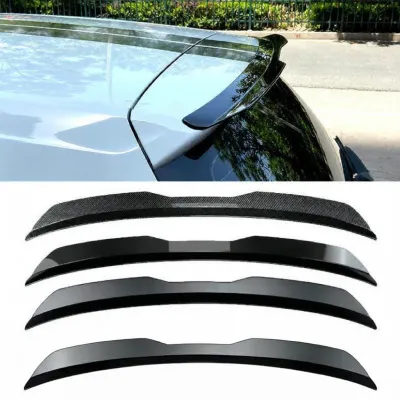
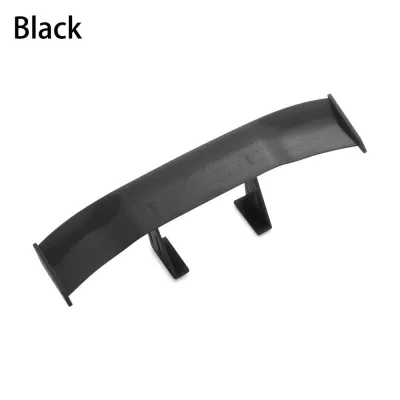
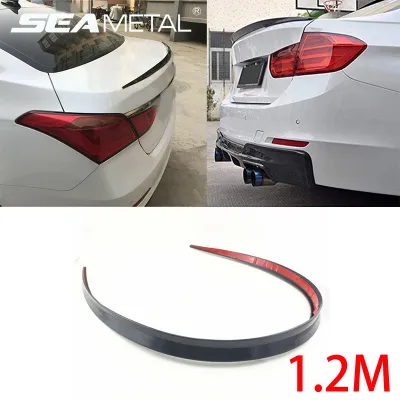
Rear spoilers are categorized into several distinct designs, each serving a specific aesthetic or aerodynamic purpose. Lip spoilers are subtle, low-profile strips that attach directly to the trailing edge of a trunk lid or roofline. Pedestal spoilers, often referred to as wings, are elevated structures supported by upright pillars, leaving a clear gap between the spoiler body and the vehicle’s sheet metal. Roof and hatch spoilers are designed to mount at the uppermost edge of the rear glass, extending the vehicle’s roofline outward.
While many drivers install aftermarket spoilers purely for a sporty, aggressive aesthetic, these components can also offer functional aerodynamic benefits. At highway speeds, a vehicle moving through the air experiences lift due to pressure differentials. A functional spoiler is engineered to disrupt this airflow, reducing lift and stabilizing the vehicle. Additionally, a well-designed spoiler can manage boundary layer separation, minimizing the low-pressure pocket of air that drags behind the vehicle.
Products mentioned in this guide
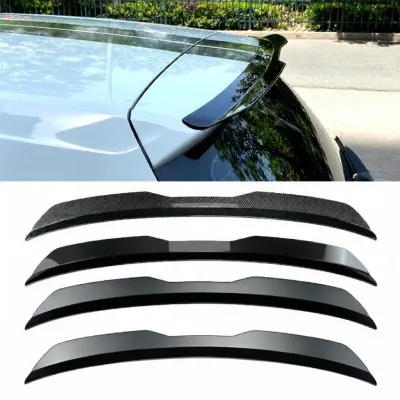
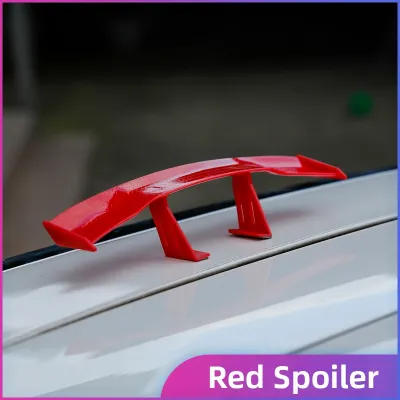
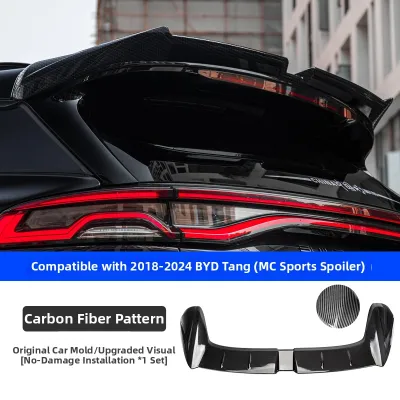
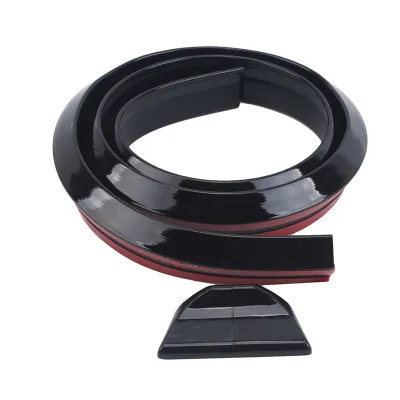
Prices are valid at publication and may change. Please refer to the product page for the latest price.
However, the real-world performance of any spoiler depends heavily on the vehicle’s original body shape. A spoiler designed to optimize airflow on a sleek sedan will not function the same way on a boxy SUV. Without proper engineering, an mismatched accessory can actually increase aerodynamic drag, reduce fuel efficiency, and generate unwanted wind noise. Therefore, understanding your vehicle’s body profile is the first step toward choosing the right design.
Best Rear Spoiler Styles for Sedans: Trunk and Lip Designs
Sedans feature a classic “three-box” design consisting of distinct compartments for the engine, passengers, and cargo. This shape allows air to flow smoothly over the hood, windshield, and roof before gently sloping down toward the trunk lid. Because the air remains relatively attached to the rear windshield, the trunk lid represents the ideal location to manage airflow separation.

For daily-driven sedans, low-profile lip spoilers and trunk lid extensions are the most natural and effective choices. These designs sit flush against the trailing edge of the trunk, catching the air as it slides off the rear deck. By creating a clean release point for the air, lip spoilers minimize the turbulent wake behind the car, which helps reduce drag without disrupting the vehicle’s original, sophisticated lines.
In contrast, high pedestal wings are generally impractical for commuter sedans. While they look striking, these wings are engineered to generate significant downforce at high track speeds, which is rarely achieved on public roads. On a daily driver, an oversized pedestal wing can create excessive drag, strain the trunk’s opening mechanism, and increase cabin noise. Unless you are specifically preparing a sedan for track use, a low-profile design is far more suitable.
When purchasing a sedan spoiler, matching the curvature of the trunk lid is critical. Even minor variations in the trunk’s sheet metal contours can prevent a flush fit, leading to unsightly gaps, water pooling, or adhesive failure over time. Always select a spoiler that is specifically molded for your exact sedan model and model-year generation.
Ideal Rear Spoiler Designs for Hatchbacks: Roof and Hatch Wings
Unlike sedans, hatchbacks utilize a “two-box” design where the roofline extends far back and terminates in a steep, vertical drop. This abrupt rear profile causes the airflow to separate violently at the end of the roof, creating a massive low-pressure zone directly behind the rear glass. This low-pressure area acts like a vacuum, pulling the vehicle backward and increasing aerodynamic drag.
To combat this, roof spoilers and hatch-mounted wings are the standard recommendations for hatchbacks. By extending the roofline slightly outward, these spoilers allow the air to travel further back before breaking away, which shrinks the low-pressure wake. This simple aerodynamic adjustment can improve high-speed stability and help the vehicle cut through the air more efficiently.
However, hatchback owners must pay close attention to physical clearance during selection. Because the rear hatch swings upward on gas struts, any roof-mounted spoiler must clear the roof antenna and the roof panel when the hatch is fully opened. Additionally, you must verify that the spoiler does not obstruct the sweep of the rear windshield wiper or block the high-mount third brake light.
From a design perspective, extending the roofline with a subtle spoiler creates a longer, sleeker silhouette. Some aftermarket options mount directly onto the rear glass panel, while others bolt into the metal frame of the hatch. Choosing a design that utilizes factory mounting points will make installation much cleaner and prevent the need for permanent body modifications.
Top Rear Spoiler Options for SUVs: Roof Edges and Low Profiles
SUVs share a similar blunt rear profile with hatchbacks but on a much larger scale. Because of their tall ride height, high ground clearance, and boxy proportions, managing airflow is highly beneficial for highway stability. Roof-edge extensions and low-profile tailgate spoilers are the most practical options for these larger vehicles.
For the vast majority of SUVs, aggressive pedestal wings are visually out of place and aerodynamically counterproductive. Instead, subtle roof-edge spoilers that integrate seamlessly with the existing roof rails or rear hatch trim are ideal. These spoilers are designed to look like a natural extension of the factory bodywork, often finished in matching body paint or gloss black to complement the vehicle’s pillars.
Maintaining rearward visibility is a primary concern when selecting an SUV spoiler. Because SUVs have taller rear profiles, an oversized or poorly positioned wing can block a significant portion of your rearview mirror’s field of vision. Furthermore, modern SUVs are packed with safety sensors, backup cameras, and high-mounted brake lights; any aftermarket accessory must be verified to ensure it does not interfere with these critical safety systems.
An often-overlooked benefit of a well-designed SUV roof spoiler is its ability to keep the rear window clean. The vacuum effect behind a moving SUV naturally draws road grime, dust, and rainwater directly onto the rear glass. A spoiler that directs a portion of the airflow downward across the rear window can help blow away debris, keeping your view clear during wet or dusty driving conditions.
Crucial Fitment, Safety, and Legal Checks Before Buying
Before purchasing any rear spoiler, you must prioritize safety, compatibility, and local road regulations. Because spoilers are subject to constant, high-velocity wind forces, a loose or improperly installed accessory poses a severe hazard to you and other road users. Always verify the exact vehicle make, model, year, and trim level from the product documentation, as subtle mid-cycle refreshes can alter trunk or hatch dimensions.
Understanding the mounting method is crucial for a safe installation:
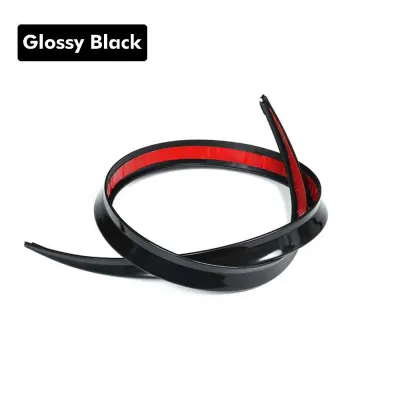
- Adhesive Mounting: Lightweight lip and roof spoilers are typically secured using high-strength, automotive-grade double-sided adhesive tape. This method is highly popular for DIY installations because it requires no drilling and is fully reversible. However, success depends on meticulous surface preparation; the mounting area must be completely free of wax, dirt, and grease.
- Mechanical Fastening: Heavier wings and pedestal spoilers require drilling and bolting to handle the aerodynamic forces. If your chosen spoiler requires drilling, it is highly recommended to seek qualified professional installation. Improper drilling can compromise the structural integrity of the trunk lid, create entry points for water, and lead to rust if the bare metal is not properly sealed.
Additionally, consult your vehicle’s original owner’s manual regarding trunk or hatch weight limits. Heavy aftermarket spoilers can overwhelm the factory gas struts, causing the trunk or hatch to fall shut unexpectedly. If you install a heavier wing, you may need to upgrade to heavy-duty struts to ensure safe operation.
If you are driving in Singapore, your modifications must comply with the Land Transport Authority (LTA) guidelines. According to LTA regulations, aftermarket spoilers are generally permissible without prior approval, provided they meet the following safety criteria:
- The spoiler must not protrude beyond the lateral limits (the outermost width) of the vehicle.
- It must not have any sharp edges or pointed protrusions that could cause injury to pedestrians.
- It must be securely mounted to the vehicle structure to prevent detachment.
- It must not obstruct the driver's view or any of the vehicle's lighting systems, including the high-mount third brake light.
Non-compliant modifications can result in failed vehicle inspections, heavy fines, or a mandate to remove the accessory immediately. Always check product specifications and consult a professional installer to ensure your chosen spoiler is fully road-legal.
Frequently Asked Questions (FAQ)
Do rear spoilers actually improve fuel efficiency?
While a scientifically engineered, factory-tested spoiler can reduce aerodynamic drag at highway speeds, the fuel efficiency gains in typical city driving are negligible. At lower urban speeds, aerodynamic drag plays a minor role compared to rolling resistance and engine idling. Furthermore, installing an unscientific, poorly designed aftermarket spoiler can actually increase drag and add weight, which may slightly reduce your overall fuel economy.
Can I install a rear spoiler myself without drilling?
Yes, many lightweight lip spoilers and roof extensions are designed for DIY installation using automotive-grade adhesive tape. However, this is only safe for low-profile, lightweight designs. If you are installing a larger pedestal wing or a heavy carbon-fibre spoiler, mechanical drilling and bolting are required to handle the aerodynamic lift forces. For any installation involving drilling, electrical wiring (for integrated brake lights), or complex alignment, it is highly recommended to seek qualified professional installation to ensure structural integrity and paint protection.
Community discussion
Share your experience or ask a question. Comments are reviewed before publication.