
Upgrading your car’s audio system with a subwoofer transforms your daily commute, turning flat, uninspiring sound into a rich, immersive experience. Choosing the right JBL subwoofer requires balancing your vehicle’s physical space, your existing audio components, and your personal listening preferences. By systematically evaluating these factors, you can select a model that integrates seamlessly into your car without overloading its electrical system or consuming all your cargo space.
Assess Your Vehicle Space and Bass Goals
Before browsing product catalogs, you must measure your vehicle’s physical layout. In Singapore, where compact hatchbacks, sedans, and family SUVs are common, cargo space is often at a premium. Use a tape measure to determine the exact width, depth, and height of the area where you plan to install the subwoofer, whether that is the trunk, under a seat, or in a utility cabin. Remember to account for the swing of trunk hinges, access to spare tire compartments, and rear seat folding mechanisms.
Your listening goals dictate the size and power of the subwoofer you need. If you primarily want to fill in the missing low-end frequencies of acoustic, jazz, or classical music, a smaller, low-profile subwoofer is often sufficient. For those who enjoy heavy electronic, hip-hop, or rock music and want to feel the physical impact of the bass, a larger driver with higher power handling is necessary. Defining these expectations early prevents you from buying an oversized unit that overwhelms your cabin or an undersized one that fails to satisfy.
Products mentioned in this guide




Prices are valid at publication and may change. Please refer to the product page for the latest price.
You must also evaluate your current head unit and speaker setup. Factory-installed car stereos often lack dedicated subwoofer outputs, meaning you will need a subwoofer or amplifier that accepts speaker-level inputs. If you have already upgraded to an aftermarket head unit, check the back panel for RCA preamp outputs, which simplify the installation process and provide a cleaner signal. Understanding these baseline connections ensures you select a subwoofer system that matches your current hardware.
Navigating JBL Car Subwoofer Categories
JBL offers several distinct product lines designed to meet different space constraints, performance expectations, and installation preferences. Understanding these categories helps narrow down your choices to the series that best fits your vehicle and budget.

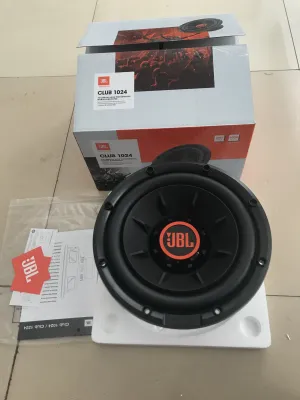
For space-constrained vehicles or drivers seeking a straightforward upgrade, compact and entry-level lines like the JBL Club series provide a practical starting point. These subwoofers are engineered to operate efficiently in smaller enclosures, making them suitable for compact sedans or tight under-seat installations. They typically feature moderate power handling, allowing you to enhance your bass response without requiring massive, expensive external amplifiers.
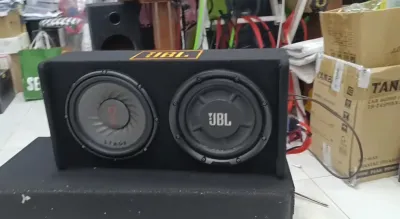
If you are looking for a balanced upgrade for daily driving, the mid-range performance tiers, such as the JBL Stage series, offer an excellent compromise between output and value. These drivers are built with lightweight yet rigid cones that deliver clean, responsive bass. They are highly versatile, performing well in both sealed and ported enclosures, and can handle enough power to deliver a noticeable physical punch without demanding specialized electrical upgrades.
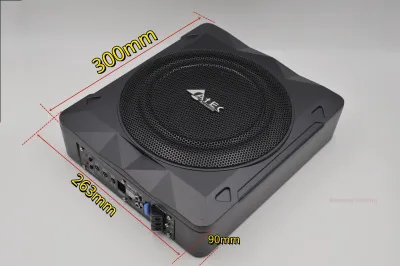
For audiophiles and bass enthusiasts seeking maximum output, high-performance options like the JBL Arena series or the self-contained BassPro powered enclosures are the primary choices. The Arena series is built for high-power handling and deep low-frequency extension, requiring robust external amplification and substantial enclosure space. Conversely, the BassPro series integrates the subwoofer, enclosure, and amplifier into a single, pre-matched package. This all-in-one design simplifies installation and optimizes space, making it a popular choice for drivers who want premium performance without the complexity of matching separate components.
Because product lineups and availability can change, always verify current model specifications on the official manufacturer website. Check the exact physical dimensions, mounting depths, and RMS power ratings before making a purchase. Local pricing in Singapore can vary based on authorized dealer networks and installation packages, so consulting official local distributors is recommended to ensure warranty coverage.
Matching Specifications to Your System
To achieve optimal performance and prevent equipment damage, you must match the electrical and acoustic specifications of your subwoofer to the rest of your audio system. The most critical electrical specification is the Root Mean Square (RMS) power rating. The RMS rating indicates the continuous power a subwoofer can handle or an amplifier can cleanly output. Always match the subwoofer’s RMS power handling with the amplifier’s RMS output at the correct impedance; relying on “peak” or “max” power ratings on product labels can lead to mismatched components and system failure.
Impedance, measured in ohms, determines the electrical resistance the subwoofer presents to the amplifier. JBL subwoofers are commonly available in 2-ohm or 4-ohm configurations, and many models feature dual voice coils (DVC). Dual voice coils provide greater wiring flexibility, allowing you to wire the coils in parallel or series to match the amplifier’s optimal load impedance. For example, a dual 4-ohm subwoofer can be wired to present a 2-ohm load or an 8-ohm load to your amplifier. Always consult the amplifier’s manual to verify its minimum stable impedance before finalizing your wiring configuration.
The enclosure type you choose has a profound impact on the subwoofer’s acoustic character and space requirements. You must select an enclosure that matches the manufacturer’s recommended internal volume for your specific subwoofer model.
| Enclosure Type | Acoustic Characteristics | Space Requirements | Best Suited For |
|---|---|---|---|
| Sealed | Tight, precise, and accurate bass response; smooth roll-off. | Compact; requires minimal cargo space. | Audiophiles, acoustic music, and small vehicles. |
| Ported (Vented) | Increased efficiency and louder output around the port tuning frequency. | Moderate to large; requires more trunk space. | High-volume enthusiasts, electronic, and hip-hop music. |
| Bandpass | Maximum output within a specific, narrow frequency range; highly aggressive. | Very large; consumes significant cargo space. | Show cars and extreme bass performance. |
Using this matrix, you can weigh the trade-offs of each style. A sealed enclosure is ideal if you prioritize sound accuracy and want to preserve trunk space in a compact car. A ported enclosure is better if you want maximum volume and have the cargo space to accommodate a larger box. Always verify that the physical dimensions of the enclosure fit within your measured vehicle space before purchasing.
Installation Boundaries and Safety Checks
Installing a car subwoofer involves modifying your vehicle’s electrical system, which introduces specific safety boundaries. High-power amplifiers draw significant current from the vehicle’s electrical system. Before installing a high-output subwoofer system, verify that your vehicle’s alternator and battery have the capacity to handle the additional electrical load. If your headlights flicker when the bass hits, your system may be drawing more current than the alternator can supply, which can lead to premature battery failure or damage to sensitive vehicle electronics.
Physical safety during installation is equally critical. When routing power cables from the battery through the firewall to the cabin, always use a rubber grommet to protect the wire from sharp metal edges. Secure all wiring with cable ties, keeping them far away from moving parts like steering columns, pedal assemblies, and seat tracks. Additionally, route signal cables (RCA cables) on the opposite side of the vehicle from power cables to prevent electrical noise and alternator whine from entering your audio system.
If your installation requires complex disassembly of the dashboard, integration with advanced factory infotainment systems, or modifications to the vehicle’s structural panels, stop and consult a qualified car audio professional in Singapore. Professional installers in local automotive hubs have the specialized tools, diagnostic equipment, and experience to integrate your JBL subwoofer safely, ensuring your vehicle’s factory warranty and safety systems remain fully intact.
Frequently Asked Questions (FAQ)
Do I need a separate amplifier for a JBL subwoofer?
Whether you need a separate amplifier depends entirely on whether you choose a passive or an active (powered) JBL subwoofer. Passive subwoofers consist of the speaker driver alone (or housed in an unpowered enclosure) and require an external amplifier to supply power and process the audio signal. Active subwoofers, such as the JBL BassPro series, feature a built-in amplifier specifically matched to the driver and enclosure, eliminating the need for external amplification. When using an external amplifier, you must also check your head unit’s preamp outputs; if your stereo lacks RCA outputs, you will need an amplifier with speaker-level inputs or a line-output converter to route the audio signal properly.
Can I install a JBL subwoofer in a hybrid or electric vehicle?
Yes, you can install a JBL subwoofer in a hybrid or electric vehicle (EV), but you must observe strict electrical and spatial boundaries. Unlike traditional internal combustion engine vehicles, hybrids and EVs rely on complex high-voltage systems alongside a standard 12V accessory battery. You must never tap into the high-voltage drivetrain wiring for audio equipment. Always verify the maximum current draw permitted by the vehicle manufacturer on the 12V accessory system, as overloading this system can trigger error codes or shut down the vehicle. Additionally, because EVs often place battery cooling vents, charging hardware, or specialized electronics in the trunk or under-seat areas, you must carefully plan your installation to avoid blocking ventilation or interfering with critical components.
Community discussion
Share your experience or ask a question. Comments are reviewed before publication.