
To keep your car cabin cool under Singapore’s intense tropical sun, a high-quality foldable car sunshade is an indispensable accessory. The primary goal of an effective sunshade is to block direct ultraviolet (UV) rays and significantly reduce the greenhouse effect that occurs when solar radiation penetrates your vehicle’s glass. To find a shade that truly performs in high-humidity, high-temperature environments, you must focus on three non-negotiable checks: high material reflectivity, exact windshield dimensions, and the ease of daily folding and storage. While many off-the-shelf options claim to be universal, generic sizes often leave significant gaps around the edges of your windshield. These gaps allow heat to bypass the barrier and warm up your dashboard, steering wheel, and cabin air. Securing a precise fit and choosing the right reflective material are the most critical steps to maintaining a comfortable interior temperature when parking outdoors.
Evaluating Materials for Maximum Heat and UV Reduction
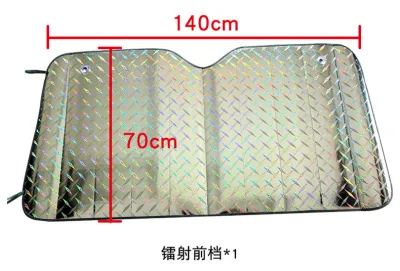
When shopping for a foldable car sunshade, the material composition dictates how well the product handles the relentless tropical heat. The most effective designs utilize highly reflective outer layers, such as aluminum foil or specialized metallized films. These reflective surfaces work by bouncing solar radiation back through the windshield glass before it can be absorbed by the dark surfaces of your dashboard and steering wheel. In contrast, absorptive dark fabrics or low-grade nylon shades tend to absorb heat rather than reflect it, gradually radiating that thermal energy directly into your cabin. For Singapore’s climate, prioritizing a highly reflective, silvered outer surface is essential for minimizing heat transfer.
Beneath the reflective outer layer, high-performance sunshades incorporate multi-layer insulation to slow down thermal conduction. Common insulating materials include heavy-duty bubble wrap cores or dense polyethylene foam layers. These internal structures act as a thermal barrier, creating a pocket of resistance that prevents the heat building up on the outer surface from reaching the interior air. When evaluating these multi-layer options, look for physical thickness and structural rigidity; flimsy, single-layer fabric shades lack the thermal mass required to block heat over extended parking periods in open-air car parks.
Products mentioned in this guide
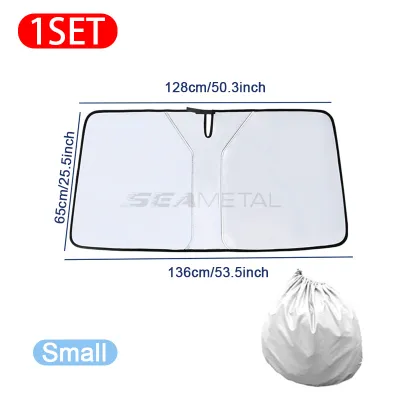
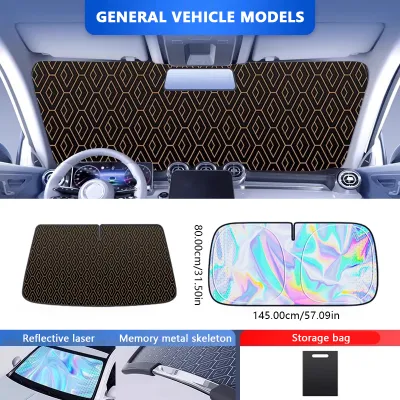
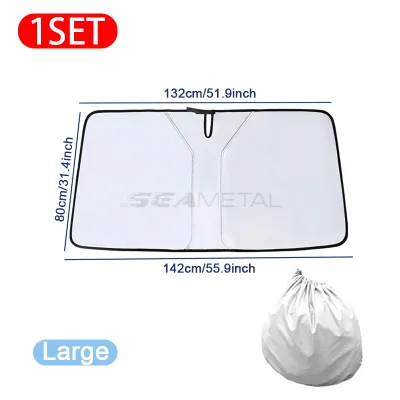
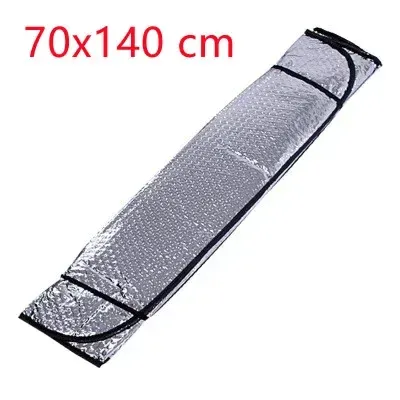
Prices are valid at publication and may change. Please refer to the product page for the latest price.
To ensure genuine protection against interior fading and cracking, you should verify the Ultraviolet Protection Factor (UPF) and UV protection ratings of the sunshade. Rather than relying on vague marketing claims like “maximum UV block,” look for certified ratings such as UPF 50+, which indicates that the material blocks approximately 98 percent of UV radiation. Check the manufacturer’s product labels or official specifications for testing standards. High-quality materials protect not only your comfort but also the longevity of your vehicle’s leather seats, soft-touch plastics, and sensitive dashboard electronics from UV-induced degradation.
Finally, consider the durability of the folding joints and frame materials. Singapore’s high humidity combined with extreme cabin temperatures can accelerate the degradation of low-quality plastics, adhesives, and metal frames. Look for sunshades constructed with reinforced steel wire frames, robust fiberglass ribs, or high-grade spring steel that can withstand frequent daily bending without snapping or losing shape. If the internal frame or folding joints warp under intense heat, the shade will sag, creating gaps that compromise its overall thermal performance.
Comparing Foldable Designs: Accordion, Umbrella, and Roll-Up
Choosing the right folding mechanism is a balance between daily convenience, storage space, and coverage efficiency. Accordion-fold sunshades are among the most traditional and reliable options available. Constructed with rigid panels that fold flat against one another, these shades offer excellent structural integrity and broad, flat coverage across the windshield. Because they do not rely on complex mechanical joints, they tend to be highly durable. However, their rigid nature means they remain relatively bulky even when fully folded. In smaller hatchback or compact sedan cabins, storing a long accordion shade along the passenger footwell or side door pocket can be cumbersome.

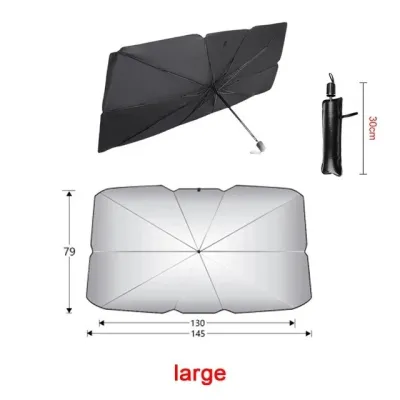
Umbrella-style sunshades have gained popularity due to their compact storage and rapid deployment. Designed with a central shaft and expanding ribs, these shades open just like a standard rain umbrella, pressing flat against the inside of the windshield. When collapsed, they slide easily into a compact sleeve that fits neatly into a glove box or center console. Despite this convenience, you must carefully assess how an umbrella shade interacts with your vehicle’s interior layout. The rigid central shaft can sometimes press awkwardly against delicate touchscreen infotainment systems, and the expanding ribs may struggle to conform to highly curved windshields or leave large gaps around the rearview mirror assembly.
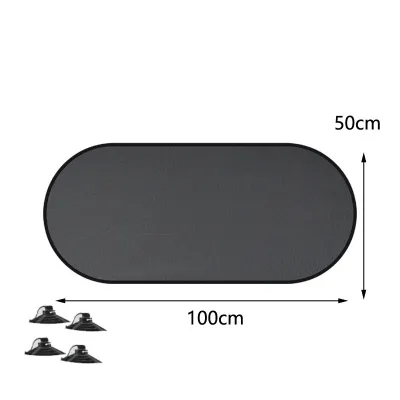
Roll-up or retractable sunshades offer a semi-permanent solution, often mounting directly to the side of the windshield frame or using suction cups and static cling mechanisms. While they provide the ultimate convenience of pulling the shade across the glass in a single motion, their long-term reliability in tropical climates is a major concern. Extreme cabin heat frequently causes suction cups to warp, lose their vacuum seal, and detach from the glass. Static cling films can also degrade or peel away when exposed to prolonged direct sunlight. Additionally, the mechanical spring tensioners inside retractable models are prone to weakening over time under constant thermal stress.
While side window shades are useful for protecting rear passengers or children from direct glare, the front windshield must always remain your absolute priority for overall cabin heat reduction. The windshield is the largest piece of glass on your vehicle and is angled in a way that invites the maximum amount of direct solar radiation. Investing in a premium, high-coverage front windshield shade will yield far greater temperature-reduction benefits than outfitting all four side windows with low-grade mesh screens.
How to Measure Your Windshield for a Gap-Free Fit
To achieve maximum thermal protection, you must eliminate any gaps where sunlight can sneak through. This requires taking precise measurements of your vehicle’s windshield rather than relying on generic “small, medium, large” sizing charts. To begin, gather a flexible measuring tape—such as a tailor’s tape—which allows you to follow the natural curves of the glass more accurately than a rigid metal construction tape.
When measuring, always measure from the outermost edges of the glass surface from the inside of the vehicle. Do not simply measure the visible interior plastic frame, as this can lead to underestimating the actual glass area. Measure the maximum height from the base of the dashboard where the glass meets the cowl, up to the top edge where the glass meets the headliner. Next, measure the width across the widest part of the windshield, typically near the bottom, as well as the narrower width near the top.
You must also account for physical obstructions that can interfere with a flush fit. Pay close attention to the mounting base of your rearview mirror, as well as any forward-facing safety cameras, rain sensors, or dashcams mounted behind the mirror. Many high-quality sunshades feature a dedicated cutout or a hook-and-loop strap at the top center to accommodate these sensors. If your vehicle has a large sensor housing, a shade without a proper cutout will be pushed away from the glass, creating a massive gap and rendering the shade far less effective. Always verify your vehicle’s specific model year and sensor configuration against the product documentation before purchasing.
When comparing your measurements against manufacturer size charts, apply the overlap rule. If your windshield dimensions fall between two sizes, it is generally better to opt for the slightly larger size rather than the smaller one. A slightly oversized shade can be tucked securely into the edges and held in place by your sun visors, whereas a shade that is too small will leave exposed glass borders. For optimal results, look for vehicle-specific custom-fit shades, which are digitally patterned to match the exact contours and sensor cutouts of your specific car model and year.
Daily Deployment, Storage, and Maintenance Tips
Proper handling and maintenance of your foldable sunshade will extend its lifespan and ensure it continues to block heat effectively. When deploying the shade, always ensure the highly reflective, silvered side faces outward toward the sun, while the darker or fabric-lined side faces the interior. Carefully slide the bottom of the shade deep into the gap where the dashboard meets the windshield, then lift the top section into place. Tuck the edges as close to the glass as possible to minimize the pocket of hot air that builds up between the shade and the window.
To hold the shade securely in place, utilize your vehicle’s built-in sun visors. Flip both the driver and passenger visors down against the top edge of the sunshade to pin it flat against the headliner. This method is highly recommended over using suction cups or adhesive mounts, which are prone to melting, leaving sticky residues, or failing entirely under intense heat. Relying on the built-in visors ensures a clean, damage-free installation that takes only seconds to set up and remove.
When it is time to drive, develop a careful folding and storage routine. Avoid forcing or twisting the frame beyond its natural folding points, as this can permanently crease reflective foils, snap internal spring wires, or damage the delicate fabric edges. If you are using an accordion or roll-up shade, secure it with its integrated elastic straps or hook-and-loop bands before placing it in the back seat or boot. Avoid tossing a loose, unfolded shade onto the passenger seat, where its exposed metal edges or rough surfaces could scratch your leather upholstery or dashboard trim.
Keeping your sunshade clean is also vital for maintaining its reflective properties. Over time, dust, airborne oils, and condensation can form a thin film over the reflective coating, reducing its ability to bounce away solar rays. Clean the surface periodically using a soft microfiber cloth slightly dampened with water and a mild, pH-neutral soap. Avoid using harsh chemical cleaners, ammonia-based glass cleaners, or abrasive scrubbing pads, as these can strip away the reflective metallized coatings and permanently degrade the material’s thermal performance. Allow the shade to air-dry completely in a shaded area before folding and storing it to prevent mold or mildew growth.
Frequently Asked Questions (FAQ)
Do foldable sunshades completely stop the steering wheel from getting hot?
Foldable sunshades are highly effective at blocking direct solar radiation, which prevents your steering wheel and dashboard from absorbing intense, direct heat and becoming painful to touch. However, they cannot completely stop ambient heat transfer. When a car is parked in an open area under the tropical sun for several hours, the air temperature inside the cabin will naturally rise due to heat conducting through the metal roof, side windows, and unshaded glass panels. While your steering wheel will remain significantly cooler than it would without a shade, it may still feel warm to the touch due to this ambient cabin heating. To achieve maximum comfort, consider using a steering wheel cover, cracking your windows slightly if safe to do so, or parking in shaded multi-story car parks whenever possible.
Can I leave the foldable sunshade on the dashboard while driving?
No, you must never leave a foldable sunshade on the dashboard, passenger seat, or anywhere it could obstruct your view or interfere with vehicle controls while the car is in motion. Safe driving requires completely unobstructed visibility through all windows. A loose sunshade resting on the dashboard can slide during sudden turns or braking, blocking your forward vision or interfering with the steering wheel and gear selector. Furthermore, in the event of a collision, a loose sunshade on the dashboard can block the deployment path of the passenger-side airbag or become a dangerous projectile inside the cabin. Always fold the sunshade completely and store it securely in the boot, under a seat, or in a dedicated door pocket before starting your engine.
Community discussion
Share your experience or ask a question. Comments are reviewed before publication.