
In Singapore’s relentless tropical climate, keeping a vehicle cabin smelling fresh is a persistent challenge for car owners. The combination of intense daily heat, high humidity, and strong ultraviolet radiation creates a hostile environment for standard air fresheners and spray fragrances. To find a car spray perfume that actually lasts, you must look beyond appealing marketing claims and focus on the chemistry of the product. The longest-lasting car spray perfumes in Singapore are those formulated with high concentrations of stable fragrance oils, utilizing heavy, low-volatility base notes like sandalwood, amber, and musk, while minimizing fast-evaporating alcohol solvents. By understanding how these formulations interact with your car’s interior and applying them strategically, you can maintain a pleasant, consistent scent profile even during the hottest months of the year.
Why Tropical Heat and Humidity Degrade Car Scents
Singapore’s equatorial climate presents a unique set of physical and chemical challenges that rapidly degrade interior car fragrances. When your car is parked outdoors—whether at an open-air HDB carpark, a shopping mall rooftop, or along the roadside—it acts as a greenhouse. Sunlight penetrates the glass windows, heating up the dark surfaces of the dashboard, seats, and steering wheel. This trapped thermal energy can easily push cabin temperatures above 60°C on a typical afternoon. Under these extreme conditions, the rate of molecular kinetic energy increases exponentially, causing liquid fragrance compounds to evaporate at an accelerated pace.
Fragrances are structurally designed around an olfactory pyramid consisting of top notes, middle (or heart) notes, and base notes. Each tier represents molecules of varying sizes and volatility. Top notes, which typically include light citrus, herbal, or marine scents, are made of small, highly volatile molecules that are designed to evaporate quickly to give an immediate first impression. In a cool, climate-controlled room, these notes might last for an hour or two. However, inside a baking car cabin, the intense heat shock causes these top notes to flash off almost instantly. The middle notes follow shortly after, leaving only a faint, often distorted remnant of the base notes within a matter of minutes.
Products mentioned in this guide
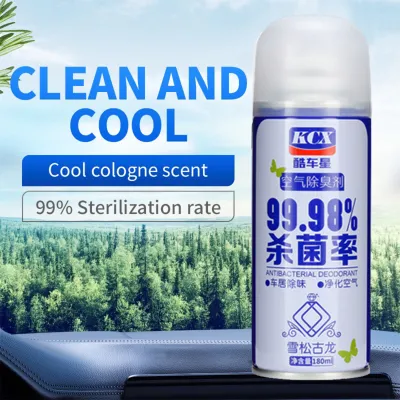
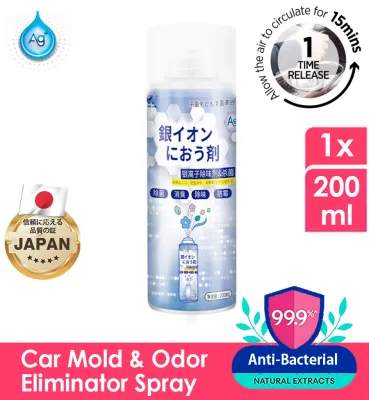
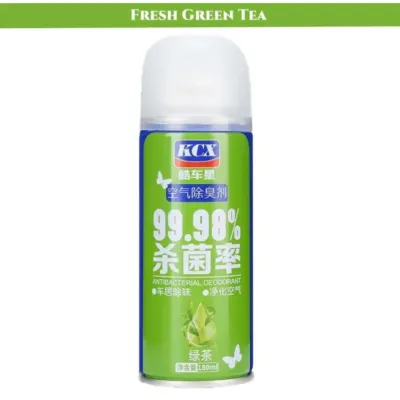
![[SG STOCK] Pissa Japan Car Fumigation Air Perfume Freshener 180ml | Anti-Bacterial Purifier Deodorant Spray for Vehicle](https://img.lazcdn.com/g/p/7ed30a12fda0f9212e03447a50afb36e.jpg_400x400q80.jpg_.webp)
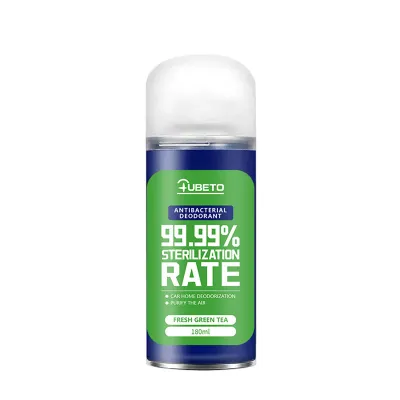
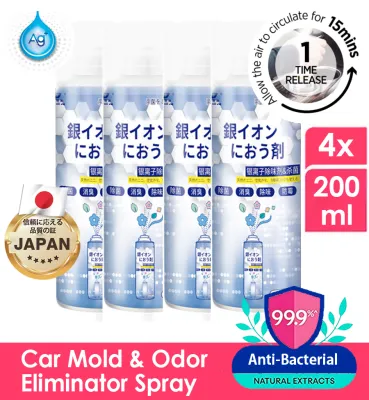
Prices are valid at publication and may change. Please refer to the product page for the latest price.
Humidity, which routinely hovers around 80% to 90% in Singapore, further complicates fragrance stability. High moisture levels in the air can physically interfere with how scent molecules disperse and settle. Water-based or lower-quality synthetic perfume formulations are highly susceptible to hydrolytic reactions when exposed to constant humidity. In these environments, water molecules in the air react chemically with the ester compounds commonly used to create fruity or floral scents. This process of hydrolysis breaks down the delicate esters, often causing the fragrance to sour, turn musty, or develop an unpleasant, chemical-like odor that is far removed from the original scent profile.
Furthermore, ultraviolet (UV) radiation passing through untreated or poorly insulated vehicle glass acts as a powerful catalyst for chemical degradation. UV light carries enough energy to break the covalent bonds of complex aromatic compounds. When a car spray perfume is applied to surfaces exposed to direct sunlight, or if the bottle itself is left in an exposed area, the UV rays systematically dismantle the molecular structure of the fragrance oils. This photodegradation not only alters the color of the perfume liquid but also permanently destroys its aromatic integrity, leaving behind a flat, stale scent that fails to project.
Finally, the constant cycling between a cool, air-conditioned cabin while driving and the extreme heat shock of a parked car creates a highly unstable environment. When you turn on the air conditioning, the rapid drop in temperature and humidity temporarily stabilizes the fragrance molecules and slows down evaporation. However, as soon as the engine is switched off and the car is parked, the rapid rise in temperature forces the remaining solvent to evaporate aggressively. This continuous thermal expansion and contraction rapidly exhausts the fragrance reservoir, meaning standard perfumes that might last for weeks in temperate climates are depleted in just a few days in Singapore.
Formulation Features That Extend Scent Longevity
To combat the rapid evaporation caused by tropical heat, it is essential to understand the formulation of the car spray perfume you choose. The primary factor governing how long a scent will last is the carrier solvent used in the liquid. Many cheap, mass-market car sprays rely heavily on denatured alcohol (ethanol) as their primary base. Alcohol is highly volatile and has a low boiling point, meaning it evaporates rapidly upon contact with the air. While this provides an immediate and powerful burst of fragrance, it is highly inefficient in a hot climate, as the entire application can disappear within a single afternoon. Additionally, high concentrations of alcohol pose a flammability risk in a hot vehicle cabin.

For maximum longevity, look for car spray perfumes that utilize oil-based, water-based, or low-alcohol carrier systems specifically engineered for automotive environments. Oil-based formulations are inherently superior for heat resistance because oil has a much lower vapor pressure than alcohol. This means the oil molecules hold onto the fragrance compounds tightly, releasing them slowly and steadily over an extended period. Modern water-based automotive sprays often incorporate specialized non-ionic surfactants and solubilizers that suspend high concentrations of fragrance oils in water without requiring volatile organic solvents, offering a safer and more stable alternative that resists flashing off in the heat.
The chemical composition of the fragrance notes themselves also dictates how well the perfume will withstand high temperatures. To survive Singapore’s climate, a formulation must rely heavily on dense, complex base notes. These notes are composed of large, heavy molecules with high molecular weights and low volatility. Ingredients such as sandalwood, cedarwood, patchouli, vetiver, amber, oakmoss, and various synthetic musks are highly resistant to thermal breakdown. They cling tenaciously to surfaces and release their scent molecules at a slow, metered rate, even when exposed to high temperatures. When choosing a car spray, prioritize woody, oriental, or deep musky profiles over light citrus, green, or aquatic scents.
The concentration of actual fragrance oil within the formulation is another critical metric. Many products marketed as car mists, freshener sprays, or ambient deodorizers contain very low concentrations of fragrance oils, often ranging from 1% to 5%, with the rest being water and alcohol. These weak formulations simply do not have the molecular density to survive a hot cabin. True car perfumes or high-performance ambient sprays feature concentrated fragrance oil levels of 15% to 30%. This high density of aromatic compounds ensures that even after the initial thermal shock of parking in the sun, a substantial reserve of scent molecules remains bound to the treated surfaces, ready to reactivate when the cabin cools down.
Additionally, advanced fragrance delivery technologies can significantly extend longevity. Some premium automotive fragrance manufacturers utilize microencapsulation or polymer-binding technologies. In these formulations, the fragrance oils are encapsulated in microscopic, heat-stable shells or bound to specialized polymer chains that degrade very slowly. When sprayed onto a surface, these microcapsules do not release their scent all at once. Instead, they break open gradually over time through ambient air movement, physical friction, or the gentle heat of the cabin, providing a controlled, continuous release of fragrance that can last for weeks rather than hours.
How to Read Labels for Heat-Resistant Car Perfumes
Navigating the crowded market of car air fresheners requires a discerning eye when reading product labels. To ensure you are purchasing a product that can withstand Singapore’s extreme heat and humidity, you must look past generic marketing claims and focus on concrete technical indicators. The most important starting point is to verify that the product is explicitly labeled for “automotive use,” “car-safe,” or “interior-safe.” This indicates that the manufacturer has formulated and tested the perfume specifically for the confined, high-heat, and high-UV environment of a vehicle cabin, ensuring it will not easily degrade or release harmful compounds under thermal stress.
When reviewing the ingredient list or product specifications, pay close attention to the solvent base and the fragrance concentration. Look for products that list natural essential oils, high-grade synthetic aroma chemicals, or specialized carrier oils rather than simple denatured alcohol or acetone. Avoid products that list volatile organic compounds (VOCs) as their primary ingredients, as these will evaporate almost instantly in tropical heat. A high-quality manufacturer will often state the percentage of fragrance oil concentration or classify the product as a “concentrated car perfume” or “pure oil spray,” which are reliable indicators of superior longevity. High-quality concentrated car perfumes typically fall into the S$15 to S$40 price range, reflecting their superior ingredients compared to cheaper supermarket alternatives.
Safety warnings and storage specifications are crucial indicators of a product’s quality and heat resistance. Always check the label for the manufacturer’s stated maximum storage temperature and clear flammability warnings. In Singapore, where a parked car’s interior can easily exceed 50°C, a high-quality car perfume should have clear guidelines on safe storage. Avoid purchasing pressurized aerosol cans for long-term storage inside the vehicle, as the propellant gases inside these cans can expand dangerously under high heat, posing a risk of container rupture or leakage. Look for non-aerosol pump sprays that specify they are stable under warm storage conditions.
Finally, be highly skeptical of vague, unverified marketing buzzwords on the packaging. Claims like “monsoon-proof,” “tropical-grade,” “extreme heat resistant,” or “lasts for 90 days” should always be cross-referenced with the actual usage instructions and technical specifications. If a product makes these claims but fails to provide clear instructions on application methods, safety boundaries, or ingredient transparency, it is likely a standard low-concentration spray wrapped in clever marketing. A reputable brand will provide detailed, step-by-step instructions on how to apply the spray safely, what materials to avoid, and how to store the product to preserve its lifespan.
Application and Storage Tips to Maximize Lifespan
Even the highest-quality car spray perfume will fail to last if it is applied incorrectly. To get the most out of your purchase in Singapore’s challenging climate, you must adopt strategic application techniques. Never spray car perfumes directly into the open air of the cabin. When you spray into the air, the fine mist is quickly drawn into the car’s ventilation system or carried out of the windows, wasting the majority of the product. Instead, you must target porous, shaded fabric surfaces where the fragrance molecules can bind and release slowly over time.
The ideal targets for car spray perfumes are the carpeted floor mats, particularly the areas underneath the front seats that are shielded from direct sunlight. The dense fibers of the carpet act as a natural diffuser, trapping the fragrance oils and protecting them from rapid thermal evaporation. Before applying the spray, always check your vehicle’s interior care instructions and the perfume label to ensure compatibility. If your car features fabric seats, you can apply a light mist to the lower, shaded portions of the seats. However, if your car has leather or synthetic leather upholstery, avoid spraying them entirely, as the solvents in the perfume can cause the material to dry out, crack, or discolor.
It is critical to establish a strict safety boundary regarding where you apply and store these products. Never spray car perfumes onto hard plastics, vinyl trim, the steering wheel, or the dashboard. Many formulations contain essential oils and chemical solvents that can react with the protective coatings of automotive plastics, leading to sticky degradation, peeling, or permanent staining. If any overspray lands on these surfaces, wipe it off immediately with a clean, damp microfiber cloth. Furthermore, never leave the perfume bottle itself on the dashboard, the parcel shelf, or in the door pockets where it is exposed to direct sunlight. Store the bottle in a cool, shaded compartment such as the glove box or the center console to protect the liquid from UV and thermal breakdown.
To achieve optimal scent distribution without wasting product, coordinate your spraying with your car’s climate control habits. A highly effective method is to apply a few sprays to the front floor mats just before you start your journey. When you turn on the engine and activate the air conditioning, set the airflow to the footwell mode for the first few minutes. The air blowing across the treated carpets will gently lift the fragrance molecules and distribute them evenly throughout the cabin. Never spray perfume directly into the air conditioning vents; doing so can lead to moisture buildup inside the ductwork, promoting the growth of mold, mildew, and unpleasant odors that are incredibly difficult to remove.
Frequently Asked Questions (FAQ)
Can I use regular body perfume as a car spray in hot weather?
Using personal body perfumes as car sprays is highly discouraged in Singapore’s hot climate. Body perfumes are formulated with high concentrations of alcohol to facilitate quick drying on human skin. When sprayed inside a hot car, this high alcohol content causes the fragrance to evaporate almost instantly, offering very little longevity. Furthermore, the high alcohol and solvent content can easily damage delicate automotive cabin materials, such as leather seats, synthetic vinyl, and soft-touch dashboard plastics, causing them to warp, discolor, or peel over time.
Does parking in the shade actually help car perfumes last longer?
Yes, parking in the shade has a direct, measurable impact on the longevity of your car perfume. By shielding your vehicle from direct sunlight, you significantly lower the peak cabin temperature and eliminate direct UV exposure. This reduction in heat slows down the evaporation rate of the fragrance oils applied to your car’s interior fabrics. Additionally, keeping the perfume bottle itself out of high-heat environments prevents the chemical degradation of the aromatic compounds inside the liquid, ensuring that each spray retains its original scent profile and lasts much longer.

Community discussion
Share your experience or ask a question. Comments are reviewed before publication.