
To get the longest-lasting scent from a car perfume refill in Singapore’s intense heat, you must choose heavy molecular base notes like sandalwood, cedarwood, amber, or musk, paired with solid-state or high-concentration oil formulations. The extreme cabin temperatures of parked cars in Singapore accelerate the evaporation of lighter, volatile top notes (like citrus or light florals), rendering standard longevity claims inaccurate. By understanding how different fragrance notes and refill mediums interact with heat, you can make an informed decision that keeps your vehicle smelling fresh without constant replacements.
Understanding How Tropical Heat Accelerates Evaporation
When a vehicle is parked under direct sunlight in Singapore, cabin temperatures can rise significantly higher than the ambient outdoor temperature. This intense thermal buildup transfers energy to the fragrance molecules in your car perfume refill, causing them to transition from liquid or gel states into vapor at an accelerated rate. The greenhouse effect inside a closed car essentially turns the cabin into an oven, forcing the perfume to release its scent all at once rather than gradually over several weeks.
Singapore’s high relative humidity also plays a complex role in how we experience these fragrances. High moisture levels in the air can affect how scent molecules diffuse and how our olfactory receptors perceive them. In highly humid environments, heavy air can make certain scents feel overwhelming initially, leading to rapid olfactory fatigue where the driver becomes desensitized to the fragrance even though it is still actively diffusing. This means you might stop noticing the scent, even though the refill is still evaporating rapidly.
Products mentioned in this guide
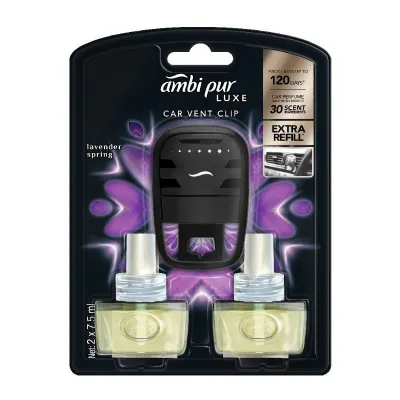


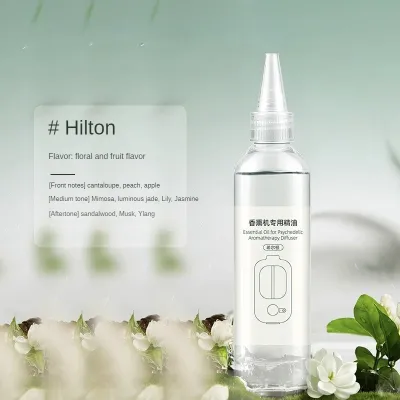
Prices are valid at publication and may change. Please refer to the product page for the latest price.
Many manufacturers print longevity estimates on their packaging, such as lasting up to sixty days, but these figures are typically based on temperate climates with average temperatures around twenty degrees Celsius. In a tropical climate, these estimates are rarely realistic. Drivers should expect a significantly shorter lifespan for their refills and plan their purchases around heat-resistant characteristics rather than optimistic label estimates.
Selecting Fragrance Notes That Withstand High Temperatures
Fragrances are composed of top, middle, and base notes, each defined by the size and weight of their chemical compounds. Base notes consist of large, heavy molecules that require more thermal energy to vaporize. Consequently, scents dominated by woody notes (such as sandalwood, cedarwood, and patchouli), rich musks, warm amber, and dense vanilla naturally resist rapid evaporation, making them the most durable choices for hot climates. These heavy molecules cling to the interior surfaces of your car, providing a subtle, continuous background scent even when the vehicle is parked.

Conversely, top notes like citrus (lemon, bergamot, lime), light florals (jasmine, lavender), and aquatic or marine accords are made of small, highly volatile molecules. While these scents offer an immediate, refreshing burst of cleanliness, they evaporate almost instantly when exposed to cabin heat. A citrus-heavy car perfume refill may lose its primary character within a few days of exposure to intense sunlight, leaving behind a faint or altered scent profile that lacks the original freshness.
When shopping for a car perfume refill, look closely at the fragrance description or pyramid on the packaging. Avoid products that list citrus or aquatic notes as the primary, dominant character if longevity is your main goal. Instead, seek out refills that explicitly highlight woody, oriental, or balsamic base notes as the foundation of the blend. Even if the fragrance includes light top notes for initial freshness, a strong base-note foundation ensures the scent continues to project long after the volatile top notes have dissipated.
Comparing Refill Formulations for Heat Stability
Solid-state refills represent one of the most heat-resilient options available for tropical climates. Ceramic tablets, infused plaster blocks, and specially formulated solid wax rings do not rely on liquid carriers that can boil or evaporate rapidly. They release fragrance gradually through slow desorption, making them highly stable in hot cabins. Furthermore, they are completely spill-proof, eliminating the risk of liquid damage to your dashboard or console.
Gel-based refills and scented beads are popular but behave dynamically under extreme heat. As the temperature rises, the water or solvent carrier in the gel evaporates, causing the gel block to shrink, harden, and eventually lose its ability to diffuse scent. In some cases, low-quality gels can melt or liquefy under extreme dashboard temperatures, creating a messy residue. When choosing gels, inspect the label for heat-resistance ratings or opt for high-density polymer beads that retain their physical structure better than water-heavy gels.
Liquid and essential oil refills offer the strongest scent throw but require careful management in tropical climates. These systems typically use a wood wick, felt pad, or porous membrane to draw liquid fragrance upward for diffusion. In hot weather, the liquid can be drawn up too quickly, leading to rapid depletion. Look for liquid refills that feature adjustable diffusion vents, variable wick exposure, or semi-permeable membrane technology that physically restricts the rate of evaporation regardless of cabin temperature.
Always verify the manufacturer’s maximum operating temperature guidelines and compatibility with your specific vehicle model. High-quality automotive fragrance brands design their refills to withstand typical cabin temperature spikes, whereas generic home fragrance refills may degrade, leak, or release volatile organic compounds at unsafe rates when subjected to automotive heat. Checking these specifications ensures you select a product engineered for the harsh environment of a parked car.
Placing Refills Safely to Protect Your Car Interior
The physical placement of your car perfume refill directly impacts both its longevity and your vehicle’s safety. Placing a diffuser or refill cartridge directly on the dashboard exposes it to intense, magnified sunlight through the windshield. This localized greenhouse effect accelerates evaporation to extreme levels and can warp plastic housings or cause liquid containers to pressurize and leak. Opt for shaded areas, such as under the seats or inside door pockets, to extend the life of the refill.
Vent-clipped refills are highly effective because they utilize the car’s climate control system to distribute scent. However, you must ensure that liquid or gel refills do not block the physical movement of the vent slats or leak onto surrounding materials. Concentrated fragrance oils are powerful solvents that can easily strip the matte coating off plastic trim, melt soft-touch buttons, or permanently stain leather upholstery. Always wipe away any accidental spills immediately with a damp microfiber cloth and consult your vehicle’s manual regarding vent clip compatibility and dashboard material sensitivities.
Safety must remain the primary consideration when mounting any interior accessory. Never place a car perfume refill, holder, or diffuser on or near airbag deployment zones, such as the center of the steering wheel, the passenger-side dashboard panel, or the side pillars. In the event of a collision, the rapid inflation of an airbag will turn any unsecured object into a high-velocity projectile, risking severe injury to occupants. Ensure all mounting brackets are securely fastened and do not obstruct your view of the road.
Modern car cabins feature sensitive touchscreens and complex electronic interfaces. Avoid hanging liquid diffusers from the rearview mirror if they can swing and strike the center screen, or if they risk dripping concentrated oil onto physical buttons and charging ports below. Secure, low-profile mounting solutions under the seats or in door pockets are excellent alternatives for maintaining a pleasant scent without risking cosmetic or electronic damage.
Recognizing When to Replace Your Depleted Refill
Instead of relying on a calendar, use physical cues to determine when your car perfume refill needs replacement. For liquid refills, monitor the fluid level and the color of the liquid; darkening or cloudiness often indicates heat-driven oxidation. For gels, a severely shrunken, cracked, or discolored block indicates the active fragrance carriers have fully evaporated. Ceramic and wax refills will appear dry, faded, or slightly dusty when their scent payload is exhausted.
It is common to believe a refill is depleted when your nose has simply adapted to the scent. To test this accurately, step out of the vehicle for at least fifteen minutes to reset your olfactory senses, or ask a passenger who does not ride in the car daily for their feedback. If they cannot detect the fragrance upon entering the cabin, it is time to install a fresh refill.
When replacing a refill, dispose of the old cartridge responsibly according to local waste guidelines. Before inserting the new refill, clean the holder, vent clip, or mounting area with a mild, dry cloth to remove any accumulated dust or sticky residue, ensuring optimal airflow and performance for the new cartridge.
Frequently Asked Questions (FAQ)
Can I leave my car perfume refill in the car overnight?
Yes, it is generally safe to leave your car perfume refill in the vehicle overnight, as the cabin cools down and reduces the rate of evaporation. However, the transition from daytime heat to nighttime cooling can cause minor condensation to form inside the holder or on the surface of gel and liquid refills. To prevent this moisture from degrading the fragrance oil or causing mold growth in porous diffusers, ensure your vehicle has adequate ventilation and avoid using water-based refills that are highly sensitive to humidity fluctuations.
Do air conditioning settings affect how long the refill lasts?
Yes, your air conditioning settings directly influence the lifespan of your car perfume refill. Running the air conditioning on high fan speeds increases the airflow across vent-mounted diffusers, which accelerates the physical stripping of scent molecules from the refill medium. Conversely, the cold air produced by the AC cools the cabin, which naturally slows down the chemical evaporation rate of the fragrance. For the best balance of longevity and scent throw, use a moderate fan setting and utilize the recirculate mode to keep the fragranced air inside the cabin rather than constantly venting it outside.

Community discussion
Share your experience or ask a question. Comments are reviewed before publication.