
To keep your vehicle smelling fresh in Singapore’s intense heat and humidity, the best essential oils are pure, undiluted botanical extracts rich in robust base notes—such as cedarwood, sandalwood, or patchouli—paired with passive or air-vent diffusers. Unlike volatile top notes like citrus, which evaporate almost instantly in a hot cabin, these heavier compounds withstand high temperatures without breaking down or becoming overwhelmingly cloying.
Singapore’s tropical climate presents a unique double challenge of high ambient humidity and extreme cabin heat. When a car is parked in an open-air lot under the afternoon sun, the interior acts like a greenhouse, accelerating chemical reactions and altering how fragrances behave.
Navigating this environment requires understanding how heat affects evaporation rates, what specific details to check on product labels, and how to select a safe, heat-resistant diffuser that won’t create safety hazards on your dashboard. By making informed choices, you can maintain a pleasant driving environment that remains consistent and safe throughout the year.
Products mentioned in this guide
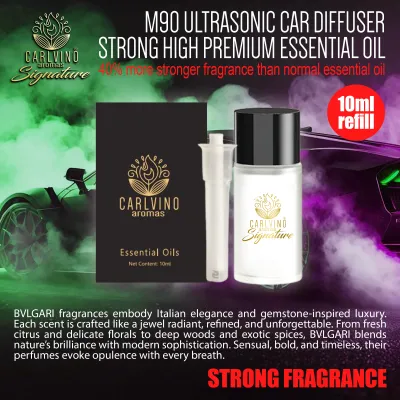
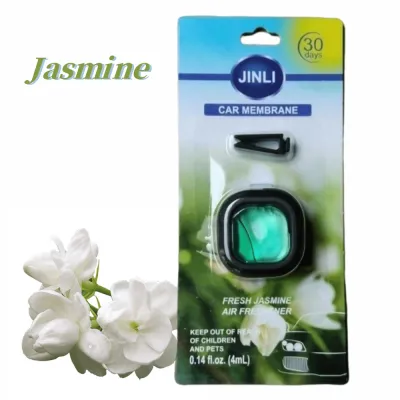
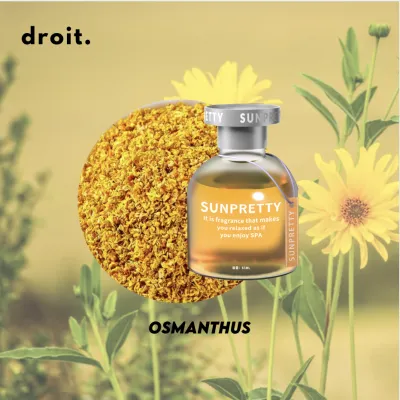
Prices are valid at publication and may change. Please refer to the product page for the latest price.
How Singapore's Climate Changes Essential Oil Performance
High cabin temperatures dramatically accelerate the evaporation rate of volatile organic compounds. Top notes, which include popular scents like lemon, sweet orange, and bergamot, consist of small, light molecules that vaporize rapidly when exposed to heat. In a hot car, this results in an initial burst of intense, sometimes overpowering fragrance that quickly fades to nothing within a few hours, leaving you with an empty diffuser and a neutral cabin.
High ambient humidity levels in Singapore further complicate passive diffusion. Materials commonly used in passive car diffusers, such as unglazed ceramic, raw wood, or felt pads, naturally absorb moisture from the humid air. When these materials become saturated with atmospheric water vapor, they have less capacity to hold and slowly release the essential oil, leading to weak scent throw and potential dampness.
Prolonged exposure to elevated temperatures and humidity can cause essential oils to degrade, oxidize, or separate. Oxidation alters the chemical structure of the oil, which not only ruins the original scent profile—often turning it sour, musty, or metallic—but can also produce compounds that irritate the eyes and respiratory tract when circulated by the car’s air conditioning. You might observe physical signs of this degradation, such as the oil becoming cloudy, changing color, or developing a sticky, viscous residue inside the diffuser.
Additionally, the combination of moisture and organic compounds creates an ideal breeding ground for mold and mildew. If a diffuser pad remains damp in a humid car for several days, microscopic fungal spores can take root, blending musty odors with your chosen fragrance and blowing allergens directly into your breathing space.
What to Look for on the Label Before You Buy
When shopping for an essential oil for car use, prioritize oils with a high concentration of base notes or heavy middle notes. Woody, resinous, and earthy scents like cedarwood, vetiver, frankincense, and patchouli have larger, heavier molecules that evaporate at a much slower, more controlled rate under high temperatures. These oils provide a subtle, long-lasting background aroma that can endure the heat of a parked vehicle without disappearing.

Always check the ingredient list to verify whether you are buying 100% pure essential oil or a pre-blended product containing carrier oils. Many commercial aromatherapy products are diluted with carrier oils like jojoba, sweet almond, or fractionated coconut oil. While these are excellent for topical application, carrier oils can turn rancid quickly when subjected to extreme cabin heat, producing an unpleasant, oily odor that ruins the fragrance.
Look for manufacturer specifications regarding storage conditions and, if available, the oil’s flash point. The flash point is the temperature at which an organic compound gives off sufficient vapor to ignite in the presence of an ignition source. While most pure essential oils have flash points well above typical cabin temperatures, choosing oils with higher flash points adds an extra layer of safety, and checking the label ensures the product is rated for environments that experience temperature fluctuations.
Furthermore, check the packaging for light-protective containers. High-quality essential oils should always be packaged in dark amber, cobalt blue, or violet glass bottles to shield the delicate compounds from ultraviolet light. Sunlight exposure accelerates the breakdown of the oil’s chemical bonds, a process that occurs even faster when combined with the high heat of a vehicle interior.
Choosing the Right Diffuser for High Temperatures
Passive diffusers, such as unglazed ceramic stones, lava rocks, or solid wood clips, are highly suitable for hot climates because they rely on natural evaporation without requiring electricity or water. The heat of the car cabin naturally activates the release of the oil absorbed within the porous material, providing a gentle, continuous scent. Because they do not use water, they do not add to the already high humidity levels inside the vehicle.
Air vent clips are another popular option, utilizing the airflow from your vehicle’s air conditioning system to distribute the scent. The diffusion rate of these clips changes dynamically; when the air conditioning is running, the cool air slows down evaporation, preventing the scent from becoming overwhelming, while the physical airflow ensures even distribution throughout the cabin. This makes vent clips highly controllable, as you can adjust the vent slats or turn off the airflow to manage the fragrance intensity.
Avoid placing glass bottles, loose liquid reservoirs, or alcohol-based fragrance sprays directly on the dashboard or in areas exposed to direct sunlight. The windshield acts as a magnifying glass, creating extreme localized heat buildup that can cause glass containers to crack or pressurized liquid reservoirs to leak. Furthermore, alcohol-based sprays or synthetic perfumes often contain highly flammable solvents that pose a fire risk when left in hot, unventilated spaces, making solid or passive diffusion methods a much safer choice.
If you choose an electronic diffuser, ensure it is specifically rated for automotive use and features an automatic shut-off function. Devices that plug into the 12V accessory socket or USB ports should be unplugged when the vehicle is parked to prevent battery drain or electrical issues, especially since high cabin temperatures can stress electronic components and internal wiring over time.
How to Store and Maintain Your Oils to Prevent Spoilage
Establish a regular routine to inspect your essential oils before refilling your car diffuser. Check the oil’s clarity by holding the bottle up to the light; if it appears cloudy, has separated into distinct layers, or has developed sediment at the bottom, it has likely spoiled and should be discarded. Additionally, perform a quick sniff test to ensure the scent remains clean and true to its original profile, rather than sour or rancid.
Never store your backup bottles of essential oil inside the car, such as in the glove compartment, door pockets, or center console. Even when parked in the shade, cabin temperatures can rise significantly higher than the outside air, accelerating the aging and oxidation of the oils. Instead, keep your main bottles in a cool, dark place at home, and only bring the minimum amount needed for a refill into the vehicle, or use pre-scented passive pads.
Regularly clean your diffuser components to prevent residue buildup and mold growth, which are highly common in humid tropical climates. For passive wood or ceramic diffusers, wipe them down periodically with a small amount of isopropyl alcohol to strip away old, oxidized oil buildup and kill any fungal spores. If you use a vent clip with replaceable felt pads, replace the pad entirely every few weeks rather than continuously adding new oil over old, degraded residue, ensuring a clean and healthy scent profile.
When cleaning electronic or plastic diffusers, always consult the manufacturer’s instructions to avoid using solvents that could melt or degrade the plastic housing. Some essential oils, particularly citrus oils, contain high levels of limonene, which can chemically react with and dissolve certain types of plastics over time, especially when heated.
Frequently Asked Questions (FAQ)
Can I leave essential oils in my parked car under the sun?
Leaving bottles of essential oil in a parked car exposed to direct sunlight is highly discouraged. The greenhouse effect inside a sealed vehicle can cause interior temperatures to exceed 60 degrees Celsius on a hot day, which rapidly degrades the delicate chemical compounds in the oil, rendering it ineffective and potentially irritating to breathe. If you must keep oil in your vehicle, store it inside an insulated, heat-resistant pouch placed under the seat where temperatures are slightly lower, or simply carry a small roller bottle with you when you exit the car.
Do I need to dilute pure essential oils for car use in hot weather?
Whether you need to dilute your essential oil depends entirely on the type of diffuser you use. For passive diffusers like wood clips, ceramic stones, or felt pads, you should apply pure, undiluted essential oils directly to the material, as carrier oils will clog the pores and spoil in the heat. However, if you are using a water-based ultrasonic car diffuser, you must dilute the pure oil in water according to the manufacturer’s instructions, though these water-based systems are generally less ideal for Singapore’s already humid environment as they introduce additional moisture into the cabin.

Community discussion
Share your experience or ask a question. Comments are reviewed before publication.