
Choosing the right chemical guys interior cleaner requires understanding the chemical relationship between the cleaner’s pH level and your car’s interior materials. Car interiors are a complex mix of delicate leather, porous fabrics, and synthetic plastics. Using a cleaner with the wrong pH can lead to irreversible damage, such as faded leather, degraded plastics, or unglued headliners. To make the right choice, you must match the pH of the cleaning formula to the specific tolerance of each surface.
Before applying any chemical treatment, always consult your vehicle’s owner manual and the product label to verify compatibility. If the instructions from your vehicle manufacturer conflict with the cleaner’s label, or if the material is unidentified, stop immediately and consult a qualified professional automotive detailer.
Why pH Balance is Critical for Car Interiors
The pH scale runs from 0 to 14, with 7 being completely neutral. Anything below 7 is acidic, while anything above 7 is alkaline. In automotive detailing, this scale is the foundation of safe cleaning. Car manufacturers apply specialized protective coatings, dyes, and plasticizers to interior surfaces to keep them looking fresh and feeling supple. Using a cleaner that deviates too far from neutral without a specific purpose can strip these protective layers.
Products mentioned in this guide
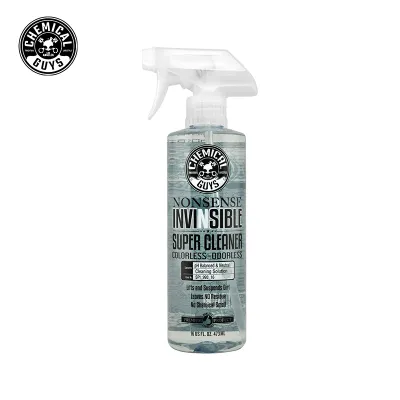
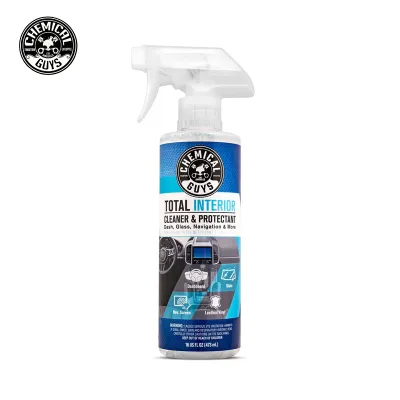
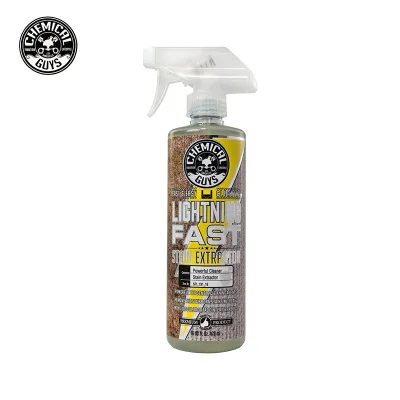
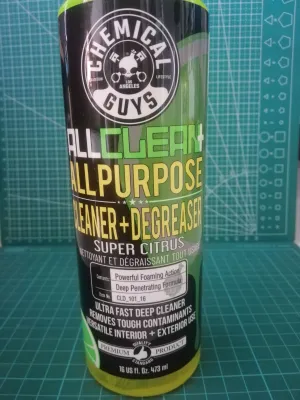
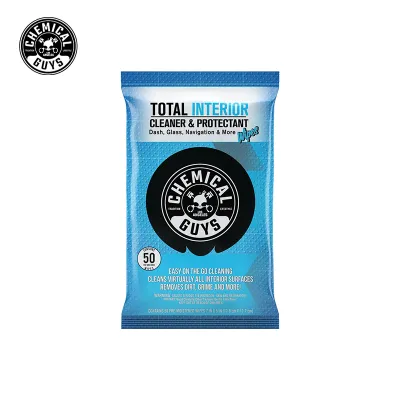
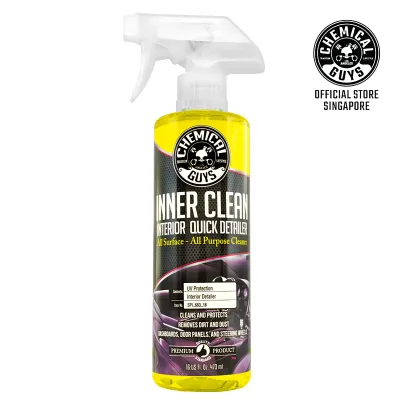
Prices are valid at publication and may change. Please refer to the product page for the latest price.
Highly alkaline cleaners (pH 8 to 14) are excellent at breaking down organic matter, grease, and heavy oils. However, when applied to delicate surfaces like genuine leather, they strip the natural oils and factory-applied clear coats. Over time, this causes the leather to dry out, crack, and lose its dye. On fabrics, strong alkalines can weaken the fibers, leading to premature wear and fraying.
Conversely, highly acidic cleaners (pH 0 to 6) are rarely used on car interiors because they can easily etch hard plastics, ruin sensitive electronic infotainment screens, and deteriorate the delicate stitching holding your seats together. Acidic solutions can also cause metal trim pieces to tarnish or corrode. Matching the cleaner’s pH to the material’s specific chemical tolerance is the most effective way to lift dirt while preserving the factory finish.
Identifying Your Interior Materials and Their pH Limits
Before selecting any chemical guys interior product, you must accurately identify the materials inside your cabin. Modern vehicles often blend natural and synthetic elements, making a visual inspection alone insufficient. Always verify your vehicle’s specific material documentation before proceeding with any chemical application.

Leather and Synthetic Leather
Genuine leather, coated leather, and synthetic alternatives like leatherette or vegan leather require neutral to slightly acidic cleaners, typically ranging from pH 6 to 7. Genuine leather is naturally acidic and relies on a delicate balance of moisture and oils to remain pliable. Coated leather, which features a thin polyurethane protective layer, is also highly sensitive to chemical stripping.
Using a pH-neutral cleaner ensures that you lift surface dirt and body oils without clouding the clear protective coat or stripping the factory-applied UV protectants. If you use a highly alkaline cleaner on these surfaces, the chemical reaction will slowly dissolve the protective topcoat, leaving the underlying material vulnerable to friction, UV damage, and rapid discoloration.
Fabric, Carpets, and Headliners
Porous textiles present a different set of cleaning challenges. Heavy-duty fabrics and floor carpets are designed to withstand significant wear and tear, meaning they can tolerate slightly alkaline cleaners with a pH of 8 to 10. These alkaline formulas are highly effective at breaking down stubborn organic stains, mud, spilled drinks, and embedded body oils that settle deep into the carpet fibers.
However, this tolerance does not extend to your vehicle’s headliner. Headliners are constructed from delicate fabrics bonded to a backing board using heat-sensitive and moisture-sensitive adhesives. They require a gentle, low-moisture, neutral-pH approach. Applying alkaline cleaners or excessive moisture to a headliner can dissolve the adhesive backing, leading to unsightly sagging that is expensive to repair.
Hard Plastics, Vinyl, and Trim
Most hard plastics, vinyl door panels, and rubber trim elements are highly durable but respond best to neutral cleaners with a pH of 7. While these synthetic materials do not absorb liquids like leather or fabric, they are highly susceptible to chemical degradation.
Repeated use of harsh alkaline cleaners on interior plastics can strip the plasticizers—the chemical agents that keep vinyl and plastic flexible. In high-heat, high-humidity environments like Singapore, where cabin temperatures can soar when parked under the sun, this chemical stripping accelerates fading, chalkiness, and brittle degradation. A neutral cleaner lifts dust and grime without compromising the material’s structural integrity.
Matching Chemical Guys Interior Product Lines to Surface Requirements
Chemical Guys offers a wide array of interior detailing products, ranging from highly specialized formulas to versatile concentrates. To choose the right one, you must understand how to read their product labels and safety documentation rather than trying to memorize every individual product name.
Dedicated interior cleaners are pre-formulated and pre-balanced for specific materials. For example, a dedicated leather cleaner is chemically engineered to sit perfectly in the pH 6 to 7 range, ensuring safe application on genuine and synthetic hides. Similarly, dedicated fabric cleaners are balanced to tackle tough textile stains without damaging delicate fibers.
All-Purpose Cleaners (APCs) present a different scenario. These products are often highly alkaline in their concentrated form to allow them to cut through engine grease or wheel grime. However, they are designed to be diluted with water for interior use. You must strictly follow the manufacturer’s dilution instructions printed on the label. Diluting an APC to the recommended ratio (such as 10:1 or 20:1 for interiors) lowers its active chemical concentration, making it safe for durable interior plastics or carpets. Using an APC at full strength on delicate interior surfaces can cause immediate, irreversible chemical burns and discoloration.
When dealing with highly sensitive, vintage, or custom aftermarket materials, do not rely on guesswork. Check the official Chemical Guys website or download the product’s Safety Data Sheet (SDS) to verify its exact pH value. If the product label does not explicitly state that it is safe for your specific material, or if the instructions conflict with your vehicle manufacturer’s care guidelines, do not use it.
How to Select and Safely Test Your Chosen Cleaner
To achieve professional-grade results without risking damage to your vehicle’s cabin, follow this systematic, step-by-step workflow for selecting and applying your chosen Chemical Guys interior cleaner.
- Step 1: Inspect and Identify: Carefully examine the surface you plan to clean. Determine the exact material type (e.g., genuine leather, vinyl, or nylon fabric) and identify the nature of the soil. Is it light dust on the dashboard, oily residue on the steering wheel, or a deep coffee stain on the carpet?
- Step 2: Select the Product: Choose the Chemical Guys product whose label explicitly matches the material's pH tolerance and the soil type. For a dusty dashboard, a pH-neutral quick detailer is ideal. For a stained carpet, a slightly alkaline fabric cleaner is more appropriate.
- Step 3: Perform a Spot Test: This is the most critical safety step. Apply a small, pea-sized amount of the cleaner to a clean microfiber towel and gently wipe an inconspicuous area of the material—such as the lower side of a seat cushion, inside a door pocket, or under the dashboard. Wait a few minutes, then wipe the area dry with a clean cloth. Inspect the spot under good lighting for any signs of color bleeding, texture changes, cloudiness, or gloss alteration. If you notice any adverse reaction, stop immediately.
- Step 4: Apply and Agitate: Once the spot test is successful, apply the cleaner. Avoid spraying chemicals directly onto sensitive electronics, screens, or stitching; instead, spray the cleaner onto your microfiber towel or detailing brush first. Use the correct tool for the surface: a soft horsehair detailing brush for delicate leather, a medium-soft brush for vinyl and plastics, and a stiffer utility brush for durable carpets. Agitate gently in circular motions to lift the dirt.
- Step 5: Extract and Verify: Wipe away all cleaner residues immediately using a clean, dry microfiber towel. For fabrics and carpets, you may use a dedicated extraction machine to pull the liquid and suspended dirt out of the fibers. Verify that the soil is gone and that the surface feels natural, dry, and completely free of sticky residues.
Common pH Mistakes and When to Stop
One of the most common mistakes in DIY car detailing is using aggressive exterior cleaning products inside the cabin. Heavy-duty engine degreasers, acid-based wheel cleaners, and strong bug-and-tar removers are formulated with extreme pH levels to cut through road grime. Applying these harsh chemicals to interior leather, vinyl, or delicate infotainment screens will strip coatings instantly, leaving permanent white chalky marks, etched screens, or cracked leather.
Another frequent error is over-saturating fabric headliners or using excessive agitation on fragile vintage materials. Headliners should only ever be lightly misted and gently wiped; soaking them will inevitably lead to adhesive failure and sagging.
Establish a clear stop condition for your detailing project. If your spot test shows even the slightest hint of color transfer onto your microfiber towel, if the material type is completely unknown and cannot be verified, or if a cleaner leaves a persistent sticky residue that does not wipe away, stop using the product immediately. In these scenarios, or when dealing with complex stains on delicate custom leather or vintage interiors, consult a qualified professional automotive detailer to prevent costly, permanent damage.
Community discussion
Share your experience or ask a question. Comments are reviewed before publication.