
To keep your car smelling fresh in Singapore’s intense tropical climate, choosing the right auto fragrance spray requires understanding how extreme cabin heat interacts with scent formulations. When parked under the direct sun, interior temperatures can rapidly climb far beyond the ambient outdoor temperature, causing standard air fresheners to evaporate prematurely or degrade chemically. The key to finding a spray that holds up is selecting products with heavy, heat-tolerant base notes, robust non-pressurized packaging, and applying them to protected cabin surfaces. By focusing on thermal stability and safe application methods, you can maintain a pleasant driving environment without risking damage to your vehicle’s interior or wasting money on rapidly disappearing scents.
How High Temperatures Affect Auto Fragrance Sprays
Singapore’s year-round tropical heat creates a challenging environment for any liquid-based cabin scent. When a vehicle is parked in an open-air carpark, solar radiation enters through the glass windows, trapping heat inside the cabin in a greenhouse effect. This thermal stress directly impacts how fragrance molecules behave, accelerating their transition from liquid to gas and altering the intended scent profile.
The evaporation dynamics of a fragrance are determined by its molecular weight and volatility. Fragrances are typically composed of top, middle, and base notes. Top notes, such as citrus, light fruits, and fresh herbs, consist of small, highly volatile molecules that evaporate quickly even at room temperature. In a hot car interior, these top notes flash off almost instantly upon application, leaving behind a brief burst of scent that vanishes within minutes. Middle notes follow shortly after, leaving only the heavier base notes to carry the fragrance over the long term.
Products mentioned in this guide
![[SG InStock]Automatic Fragrance Spray Diffuser 500ml Long Lasting Flameless Aromatherapy Air Freshener Car Perfume](https://img.lazcdn.com/g/p/9b57f6482fc175b913256a3e2c654d35.png_400x400q80.png_.webp)
![[SG Ready Stock]500ml Automatic Fragrance Spray Diffuser Long Lasting Flameless Aromatherapy Air Freshener Car Perfume](https://img.lazcdn.com/g/p/5f4d15b9f8994a266cf4409d4fcd8dd8.png_400x400q80.png_.webp)
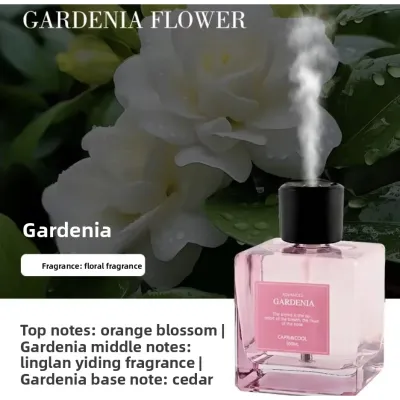
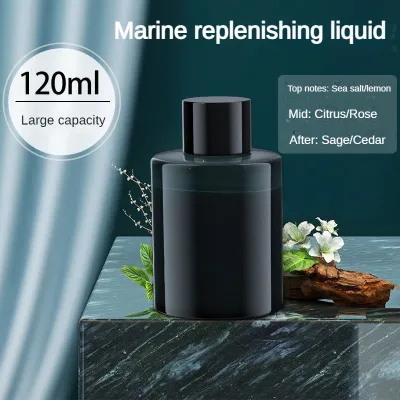
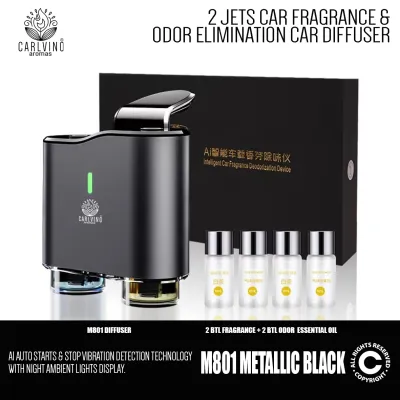
Prices are valid at publication and may change. Please refer to the product page for the latest price.
Beyond evaporation, the physical container of the auto fragrance spray is subjected to significant thermal expansion. Pressurized aerosol cans rely on liquefied gas propellants to disperse a fine mist. As the temperature inside the cabin rises, the pressure inside an aerosol canister increases exponentially, which can strain the seals, valves, or the container itself. Non-pressurized pump bottles, which use mechanical force to spray the liquid, do not face the same explosive risks, but the alcohol or water-based solvents inside can still expand, leading to slow leaks around the nozzle or cap if the seal is compromised.
Furthermore, high temperatures combined with UV exposure trigger chemical degradation of the fragrance compounds. Heat acts as a catalyst for oxidation, a process where oxygen reacts with the fragrance oils, breaking down their chemical bonds. UV rays penetrating the car windows further accelerate this photolytic degradation. This molecular breakdown does not just weaken the scent; it actively alters it, often transforming a sophisticated perfume into a flat, sour, or unpleasantly metallic odor that no longer resembles the original product.
Key Features to Look for in Heat-Resistant Car Sprays
Selecting an auto fragrance spray that can withstand tropical conditions requires looking past the marketing claims and evaluating the physical properties of the product. The packaging, formulation, and manufacturer specifications provide critical clues about how well a spray will perform when stored and used in a hot vehicle.

First, evaluate the container material and design. Opaque glass or dark, UV-blocking plastics (such as amber or cobalt bottles) are superior to clear plastic containers. These materials shield the delicate fragrance oils from solar radiation, preventing UV-induced chemical breakdown. Additionally, prioritize non-pressurized pump sprays over pressurized aerosol cans. Pump bottles eliminate the safety hazards associated with pressurized propellants under extreme heat, making them a much safer choice for long-term storage in your glove box or door pockets.
Second, always inspect the manufacturer labels for storage guidelines and safety warnings. Reputable brands print maximum storage temperature thresholds on their packaging. If a product warns against storage above 40°C or 50°C, it is highly likely to degrade or leak in a parked car in Singapore, where cabin temperatures can easily exceed these limits. Look for sprays formulated specifically for high-temperature environments, which often feature more stable synthetic or natural oil blends designed to resist rapid thermal breakdown.
Finally, pay close attention to the scent profile and ingredient list. To ensure longevity in the heat, prioritize fragrance families dominated by heavy, complex base notes. Wood-based scents (such as cedarwood, sandalwood, and agarwood), resins (like amber and frankincense), and deep earthy tones (such as patchouli or vetiver) consist of larger, heavier molecules that resist rapid evaporation. While you can still enjoy blends that contain citrus or floral elements, ensure they are anchored by a strong base to prevent the fragrance from disappearing the moment your car heats up.
Safe Storage and Application in a Tropical Climate
Even the most heat-resistant auto fragrance spray requires proper handling to maximize its lifespan and protect your vehicle’s interior. Applying and storing the product correctly ensures safety, preserves the scent quality, and prevents costly damage to cabin surfaces.
Safe storage is your first line of defense against heat degradation. Never leave a fragrance spray on the dashboard, the center console tray, or the rear parcel shelf, as these areas receive direct sunlight and experience the highest temperatures in the vehicle. Instead, store the bottle in shaded, insulated zones such as the glove compartment, the center console storage box, or deep within the door pockets. These areas remain slightly cooler than the exposed surfaces of the cabin, shielding the liquid from direct solar radiation.
When applying the spray, target the correct surfaces to ensure longevity and prevent material damage. Never spray the fragrance directly onto leather upholstery, soft-touch plastics, steering wheels, or electronic displays. The solvents used in these sprays, such as isopropyl alcohol or ethanol, can strip the protective coatings off leather, cause plastics to become sticky or discolored, and damage the anti-reflective coatings on infotainment screens. Instead, spray the product onto fabric floor mats or the carpeted areas underneath the seats. These fibrous materials absorb the liquid, allowing the scent to release slowly over time as air circulates through the footwells.
Before applying any spray, verify the product instructions for specific ventilation requirements. After spraying, it is best practice to roll down the windows or open the doors for a few moments to allow any concentrated solvent vapors to disperse before driving. This prevents inhalation of strong chemical mists and ensures a comfortable, safe environment for both the driver and passengers.
Signs Your Car Fragrance Spray Is Degrading
Over time, continuous exposure to fluctuating temperatures will inevitably take a toll on any car fragrance spray. Recognizing the early signs of chemical and physical degradation allows you to replace the product before it ruins your cabin’s atmosphere or poses a safety risk.
Olfactory shifts are the most common indicator of a compromised fragrance. If the spray suddenly smells sour, rancid, metallic, or excessively chemical, the fragrance oils have oxidized. A dramatic loss in scent longevity—where the fragrance disappears almost immediately after spraying—also indicates that the active scent compounds have broken down, leaving only the volatile carrier solvents behind.
Visual and physical changes in the liquid are equally telling. Inspect the bottle periodically for discoloration, such as a clear liquid turning a dark yellow or brown. Separation of the liquid into distinct layers, cloudiness, or the appearance of sediment at the bottom of the bottle are clear signs that the emulsion has failed due to thermal stress. Additionally, if you notice a sticky residue around the spray nozzle or if the pump mechanism becomes clogged and difficult to depress, the solvent has likely evaporated, leaving behind a concentrated, unusable residue.
When a spray has degraded, it must be disposed of safely. For non-pressurized pump bottles, check the label for disposal instructions, as some chemical mixtures should not be poured down domestic drains. Pressurized aerosol cans require extra caution; never puncture, incinerate, or discard them in general waste if they still contain pressure. Follow local waste management guidelines in Singapore to dispose of aerosol canisters at designated recycling or hazardous waste collection points.
Alternative Fragrance Formats for Hot Climates
If manual sprays consistently fail to last or if you prefer not to store liquid bottles in your vehicle, several alternative fragrance formats are highly suited to tropical climates. These alternatives offer different trade-offs in terms of scent throw, longevity, and safety.
Solid balms and gel-based air fresheners are popular options that resist rapid evaporation better than liquid sprays. However, cheap wax or gel formulations can melt under extreme heat, potentially spilling and staining your cup holders or console. Vent clips, which attach directly to the air conditioning vents, are highly effective because they only disperse scent when the climate control system is active, preserving the fragrance when the car is parked. Ceramic diffusers, which utilize porous ceramic elements pre-soaked in fragrance oils, represent one of the most heat-resistant options; they have no liquid to spill, cannot explode, and release scent gradually through passive diffusion.
The primary trade-off between these formats and manual sprays lies in control and intensity. Sprays offer an instant, high-intensity burst of freshness whenever you choose, making them ideal for quickly neutralizing odors. Passive formats, like ceramic diffusers or vent clips, provide a continuous, subtle background scent but offer limited control over the intensity.
Deciding when to switch formats depends largely on your parking habits. If your daily routine involves parking in open-air HDB carparks or unsheltered office lots, passive ceramic diffusers or vent clips are far more practical and safer than liquid sprays. Conversely, if you primarily park in sheltered basement carparks and only need an occasional burst of freshness, a high-quality pump spray stored safely in the glove box remains an excellent choice.
Frequently Asked Questions (FAQ)
Can I leave an aerosol fragrance spray in my parked car?
It is highly discouraged to leave pressurized aerosol fragrance sprays inside a parked car in Singapore. Aerosol canisters are pressurized with flammable propellants and typically carry a maximum storage temperature rating of 50°C. When parked under direct sunlight, cabin temperatures can easily exceed 60°C, creating a significant risk of canister rupture, leakage, or valve failure. To ensure safety, opt for non-pressurized pump sprays, or remove aerosol cans from the vehicle when parking in unsheltered areas for extended periods.
How often should I reapply auto fragrance spray in hot weather?
In hot tropical weather, you may need to reapply an auto fragrance spray every one to two days to maintain a consistent scent level. The high cabin temperatures accelerate the evaporation of the fragrance oils, particularly the lighter top notes. To maximize the lifespan of each application, spray the product onto shaded fabric surfaces like the floor mats beneath the seats, and ensure your vehicle’s air conditioning is set to recirculation mode to keep the scented air inside the cabin.
Community discussion
Share your experience or ask a question. Comments are reviewed before publication.