
Finding a car dashcam that complies with Singapore’s Land Transport Authority (LTA) windshield regulations is less about choosing a specific brand and more about understanding physical dimensions, mounting styles, and placement rules. There is no official list of “LTA-approved” dashcam brands. Instead, compliance is determined by how and where the device is installed on your vehicle’s glass. To avoid fines, pass mandatory vehicle inspections, and maintain a clear view of the road, you must select a device that fits within designated non-obstruction zones and install it according to local safety guidelines.
Selecting the right camera requires balancing footage quality with physical size. A camera that captures high-resolution video but blocks your direct line of sight is a safety hazard and a legal liability. By focusing on compact designs, low-profile mounts, and proper installation techniques, you can ensure your vehicle remains fully compliant while still securing the video evidence needed for insurance purposes.
Understanding LTA Windshield Placement Rules
The primary principle governing aftermarket accessories on vehicles in Singapore is the preservation of unobstructed driver visibility. The Land Transport Authority mandates that any device mounted on the windshield must not interfere with the driver’s direct line of sight or compromise the safe operation of the vehicle. This rule is designed to ensure that pedestrians, traffic signs, and other vehicles remain clearly visible at all times, especially during challenging driving conditions like heavy tropical downpours.
Products mentioned in this guide
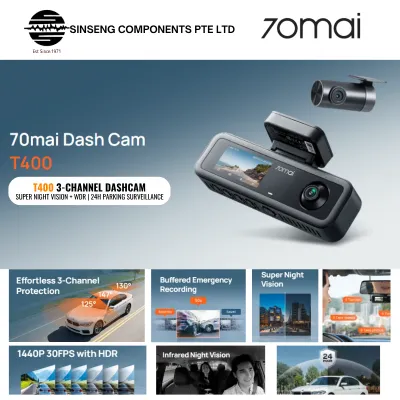
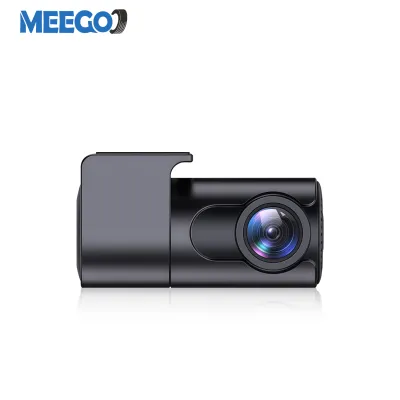
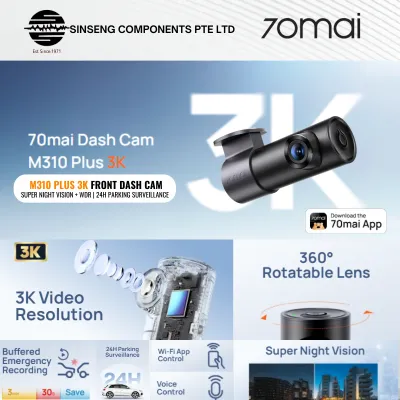
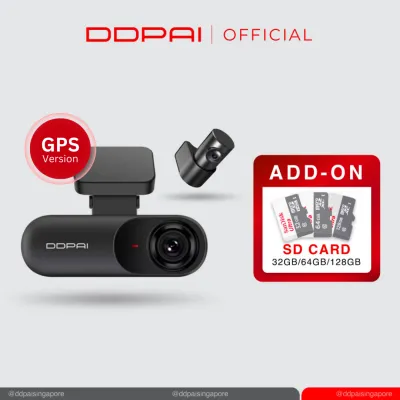
![[NEW] 70mai M310 Plus 3K Front Dashcam Car Recorder QHD Resolution | Night Vision | Voice & Apps Control](https://img.lazcdn.com/g/p/6f89bbbfc161f2edfa1cdb7255587354.jpg_400x400q80.jpg_.webp)
![[Exclusive Deal]Trapo i-Sight Dashcam S-650 | Free Rear Camera | Free Hardwire Kit | Free Installation worth to $50!](https://img.lazcdn.com/g/p/d78d716b9f9ba4b0115acf1956bf69f1.jpg_400x400q80.jpg_.webp)
Prices are valid at publication and may change. Please refer to the product page for the latest price.
To remain compliant, any installed device must be kept within safe mounting zones. Generally, this means the dashcam should be positioned in the upper portion of the windshield, ideally in the area behind or immediately adjacent to the rearview mirror. This region is typically out of the driver’s primary field of vision. Drivers should check the official Land Transport Authority guidelines or visit an authorized vehicle inspection center to verify the exact dimensional limits and permitted windshield areas applicable to their specific vehicle type. Different vehicles, such as commercial vans, sports cars, and passenger sedans, have varying windshield angles and sizes, which can affect the legally permissible mounting area.
The risks of non-compliance are significant and can lead to unnecessary complications. During your vehicle’s periodic inspection at authorized centers, inspectors will check for any obstructions on the windshield. A poorly placed or overly large dashcam can result in an immediate inspection failure, requiring you to remove or reposition the device and pay for a re-test. Furthermore, driving with an obstructed windshield is an offense that can attract fines from traffic police. In the event of an accident, an illegally mounted camera could also be cited as a contributing factor to reduced visibility, potentially complicating insurance claims.
Dashcam Design Features That Support Legal Mounting
When shopping for a car dashcam, physical design is the most critical factor influencing whether the device can be mounted legally. Traditional boxy dashcams with large, built-in LCD screens often consume a significant amount of windshield real estate. These bulky models are difficult to position behind the rearview mirror without extending downward into the driver’s active field of view. In contrast, compact, cylindrical, or wedge-shaped designs are engineered to sit flush against the windshield. Screenless models are particularly advantageous for compliance, as they rely on smartphone applications for setup and video playback, allowing the physical unit to remain incredibly small.

The mounting mechanism itself plays a major role in determining the vertical footprint of the camera. Suction cup mounts are notoriously bulky. They feature a plastic arm and a locking lever that drops the camera several centimeters below the mounting point, often pushing the device directly into the driver’s line of sight. Additionally, suction cups are highly susceptible to losing suction and falling off due to Singapore’s intense heat and humidity, which softens the rubber seal. Low-profile adhesive mounts are a far more compliant and stable alternative. These mounts use thin, high-temperature double-sided tape to attach the camera bracket directly to the glass, keeping the entire assembly tucked tightly against the upper edge of the windshield.
Another design feature to consider is the lens field of view and its adjustability. A camera with a wide-angle lens allows you to capture a broad view of the road even when the unit is mounted high up and off-center. This means you can place the camera completely behind the rearview mirror on the passenger side, keeping it entirely out of your field of vision while still capturing both front corners of your vehicle. Ensure the camera lens can be tilted vertically to compensate for the angle of your windshield, allowing you to align the horizon correctly without needing to lower the entire unit.
How to Verify Dashcam Compliance Before You Buy
Before purchasing a car dashcam, performing a few simple checks can save you the hassle of returning a non-compliant device. Start by measuring the physical dimensions of the product against the available space on your windshield. You can find these measurements on the manufacturer’s official specification sheets. When calculating the total footprint, remember to include the height of the mount and the space required to plug in the power cable. Some cameras have power ports on the top, which requires leaving a small gap between the camera and the headliner, effectively lowering the camera’s final position.
While there is no official certification label for dashcams, you should check the manufacturer’s packaging, official website, or local distributor documentation for compliance statements. Reputable brands sold through authorized local distributors in Singapore often provide installation templates or specific guides that demonstrate how to position the device legally. These distributors understand local regulations and can confirm if a particular model has been successfully installed in compliance with local laws.
Consulting local automotive communities and authorized dealers is another excellent way to gather real-world feedback. Online car forums and local social media groups are filled with discussions about which dashcam models fit best in specific car models. If your vehicle has a large sensor housing behind the rearview mirror, space will be limited. Asking owners of the same vehicle model how they mounted their cameras can provide practical insights and help you avoid buying a device that is physically impossible to install legally in your car.
Installation Practices to Maintain Ongoing Compliance
Once you have selected a compliant car dashcam, the physical installation process must be executed carefully to ensure the setup remains legal and safe. The general process begins with identifying the permitted mounting zone, which is typically centered directly behind the rearview mirror. Clean the glass thoroughly with isopropyl alcohol to remove any grease or film, ensuring a strong bond for the adhesive mount. Position the mount so that the camera body is hidden from your direct line of sight when you are seated in the driver’s seat. If the camera has a small screen, it should be positioned so that it does not distract you while driving.
Cable routing is a critical safety boundary that must not be overlooked. Never run the power cable loosely across the windshield or dashboard where it could obstruct your view or interfere with the vehicle’s controls. Instead, route the cable along the headliner, down the A-pillar, and behind the dashboard to the power source. When routing along the A-pillar, you must be extremely careful if your vehicle is equipped with side-curtain airbags. Running a cable directly over an airbag cover can prevent the airbag from deploying correctly or turn the cable into a dangerous projectile during a collision. Always refer to your vehicle’s original manual to locate airbag deployment zones. If you are unsure how to route the cables safely, it is highly recommended to seek qualified professional installation at an authorized automotive workshop.
Maintaining compliance is an ongoing responsibility. Singapore’s tropical climate subjects car interiors to extreme heat, which can weaken adhesive mounts over time. Periodically inspect the mount to ensure it has not shifted, sagged, or loosened. A sagging mount can cause the camera to drop into your line of sight, instantly violating visibility regulations and risking a failed vehicle inspection. Additionally, ensure that any firmware updates or physical adjustments to the camera do not alter its recording angle or require you to move the device to a non-compliant position.
Frequently Asked Questions (FAQ)
Can I mount a dashcam on the side windows instead of the windshield?
Mounting a dashcam on the side windows is generally not compliant with local safety principles. The Land Transport Authority requires that all side windows remain completely unobstructed to ensure the driver has a clear, uninterrupted view of the side mirrors and blind spots. Placing a camera, mount, or dangling cables on these windows can severely compromise your situational awareness, especially when changing lanes or turning at junctions.
From a practical standpoint, side-mounted cameras are also highly ineffective for capturing useful forward-facing footage. Because they are positioned at an angle, they cannot capture the critical front-facing perspective needed to establish liability in most traffic incidents. If you require side coverage, look into specialized multi-channel systems that use discreet, externally mounted side cameras designed specifically for blind-spot monitoring, rather than attempting to stick a standard windshield camera to your side glass.
Do dual-channel dashcams with rear cameras face different rules?
Dual-channel dashcams, which include a secondary camera for the rear window, must also adhere to visibility and safety regulations. While the rear window is not subject to the same strict forward-visibility rules as the front windshield, the rear camera must not obstruct your view through the rearview mirror. The camera should be mounted high up and centered on the rear glass, ideally within the sweep of the rear wiper if your vehicle has one, to ensure clear footage during rain.
When installing a rear camera, you must also take care to avoid placing the adhesive mount directly over the rear window defogger heating lines, as removing the camera in the future could damage these delicate elements. Additionally, be mindful of heavy window tinting, which is common in Singapore to combat solar heat. Dark tinting can significantly reduce the low-light performance of a rear camera, so you may need to adjust the camera’s exposure settings or choose a model with high-quality night vision sensors to ensure the footage remains usable.
Community discussion
Share your experience or ask a question. Comments are reviewed before publication.