
Selecting a 360 car camera system for your vehicle in Singapore requires a careful balance of regulatory compliance, physical compatibility, and technical suitability. Unlike standard front-and-rear dash cams, a 360-degree system utilizes multiple lenses—typically mounted on the front grille, side mirrors, and rear license plate area—to stitch together a seamless bird’s-eye view of your surroundings. To ensure your system is fully compliant with the Land Transport Authority (LTA), you must verify that the installation does not obstruct your driving vision, interfere with critical safety systems like airbags, or violate local regulations regarding active screens in the cabin. By focusing on verifiable specifications and proper installation methods, you can significantly improve your parking safety and road security while remaining fully on the right side of the law.
Understanding LTA Compliance for 360 Camera Systems
To ensure your 360 car camera system is fully compliant with the Land Transport Authority (LTA) of Singapore, you must pay close attention to where and how each component is mounted. The front-facing camera unit, which is typically integrated into a central housing on the windshield, must not obstruct the driver’s forward view of the road. LTA guidelines specify that aftermarket accessories must not be placed within the primary swept area of the windscreen wipers or block the driver’s direct line of sight. The safest and most common mounting zone is directly behind the rearview mirror, where the camera housing is shielded from the driver’s immediate field of view while still maintaining a clear, unobstructed angle of the road ahead.
The placement, size, and functionality of any internal display screen are also subject to strict regulatory oversight. Under local traffic laws, any screen visible to the driver while the vehicle is in motion must not display distracting visual content, such as television broadcasts, internet videos, or complex menus. However, driving aids, including real-time navigation maps and 360-degree parking assist views, are legally permitted as long as they are used strictly to assist with maneuvering. The display monitor must be positioned securely on the dashboard or integrated into the center console in a way that does not protrude above the dashboard line, ensuring it does not create an artificial blind spot. Additionally, the screen should feature an automatic dimming function or manual brightness controls to prevent intense glare from distracting the driver during night-time journeys.
Products mentioned in this guide

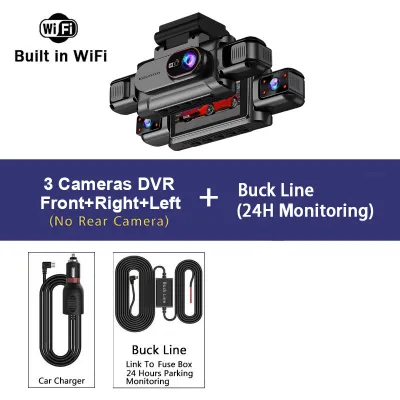
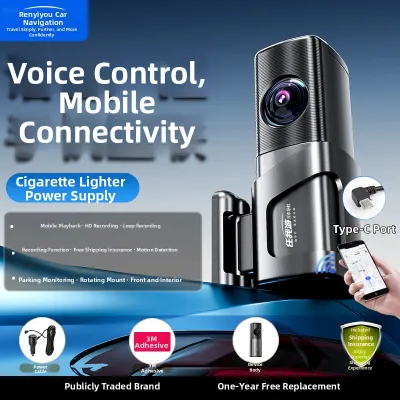
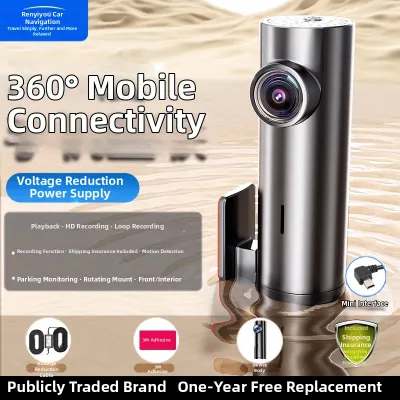
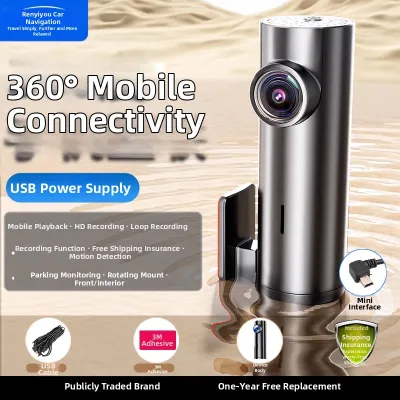
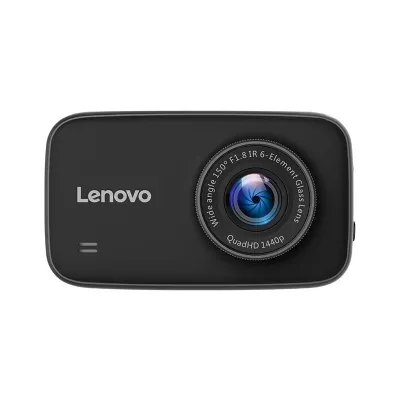
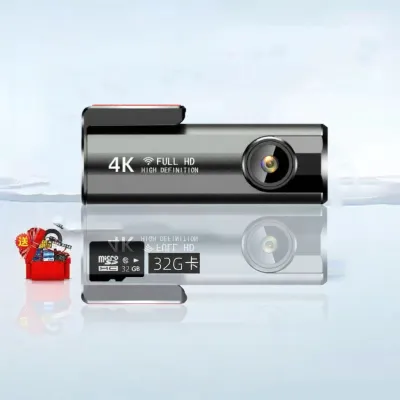
Prices are valid at publication and may change. Please refer to the product page for the latest price.
Proper cable routing is another critical factor for both LTA compliance and overall cabin safety. All wiring connecting the front, side, and rear cameras to the central processing unit must be tucked away neatly behind the vehicle’s interior trim panels. Loose or hanging cables are not only a visual distraction but also pose a severe physical hazard if they interfere with the steering column, foot pedals, or gear selector. Most importantly, installers must ensure that no cables cross over or block the deployment paths of the vehicle’s safety restraint systems, such as the side curtain airbags housed within the A-pillars and rooflines. A cable routed directly across an airbag cover can prevent the safety system from deploying correctly during a collision, or worse, turn the camera wiring into a high-speed projectile inside the cabin.
Matching the Camera Layout to Your Vehicle Type
Selecting the right 360-degree camera configuration requires a clear understanding of your vehicle’s physical dimensions and inherent blind spots. Compact hatchbacks and sedans have relatively short wheelbases and low profiles, meaning standard wide-angle lenses can easily capture the surrounding environment with minimal blind zones. In contrast, larger vehicles such as sports utility vehicles (SUVs), multi-purpose vehicles (MPVs), and commercial vans present much larger and more dangerous blind spots, particularly along the lower sides of the doors and directly behind the rear tailgate. For these larger vehicles, the side-mounted cameras must be positioned precisely on the underside of the wing mirrors to capture the entire length of the vehicle, while the rear camera requires a higher mounting position to provide an accurate downward perspective of the rear bumper.

The physical placement of the side and rear cameras must also take into account the practical hazards of Singapore’s urban driving environment. Tight multi-storey car parks, narrow parallel parking lots, and automated drive-through car washes present constant risks of physical damage to external accessories. Side cameras that protrude too far from the wing mirror housings are highly susceptible to being clipped by passing vehicles or damaged by the heavy rotating brushes of an automated car wash. When evaluating different camera models, look for low-profile, flush-mounted side cameras that sit snugly against the mirror housing. Similarly, the rear camera should be tucked neatly above the license plate recess or integrated into the tailgate handle, protecting it from environmental hazards, road debris, and accidental impacts.
The field of view (FOV) and lens angles of the individual cameras must be carefully matched to your vehicle’s wheelbase to ensure accurate image stitching. While a wider field of view, such as 170 degrees or more, sounds highly beneficial on paper, it often introduces severe “fisheye” distortion that makes surrounding objects appear much farther away than they actually are. For vehicles with longer wheelbases, a balanced lens angle—typically between 120 and 150 degrees—combined with high-quality image stitching software is essential. This setup ensures that the synthesized bird’s-eye view on your dashboard screen accurately represents the actual distance between your vehicle’s bumpers and surrounding obstacles, allowing you to make precise judgments when parking in tight spaces.
Evaluating Core Features for Singapore's Driving Conditions
Singapore’s unique driving environment, characterized by rapid transitions between bright tropical sunlight and dimly lit spaces, demands specific technical capabilities from a 360 car camera. When driving on local roads, you will frequently transition from bright outdoor expressways into dark underground tunnels, sheltered expressways, or multi-storey car parks. To handle these extreme lighting contrasts, a high-quality camera system must feature robust High Dynamic Range (HDR) or Wide Dynamic Range (WDR) image processing. This technology automatically balances the exposure of the video feed, preventing the camera from being temporarily blinded by oncoming headlights at night or losing critical details in the deep shadows of a covered parking structure.
The intense tropical heat of Singapore is another major factor that directly impacts the durability and safety of in-car electronics. Vehicles parked in open-air car parks are subjected to direct sunlight for hours, causing cabin temperatures to easily exceed 60 degrees Celsius. Traditional lithium-ion batteries are highly sensitive to extreme heat and are prone to swelling, leaking, or even catching fire under these conditions. Therefore, it is highly recommended to choose a 360 camera system powered by supercapacitors rather than standard batteries. Supercapacitors are designed to withstand high operating temperatures, providing a highly stable and reliable power source that allows the system to save its final recordings safely when the vehicle’s ignition is turned off.
For drivers who wish to monitor their vehicles while parked, parking surveillance modes are a valuable feature, but they must be managed carefully to protect the vehicle’s battery health. Running a multi-camera 360-degree system continuously places a significant electrical load on your car’s 12V lead-acid battery. To prevent finding yourself with a flat battery in the morning, ensure the camera system features an adjustable low-voltage cutoff setting. This safety feature automatically shuts down the camera system when it detects that the vehicle’s battery voltage has dropped below a pre-set threshold, typically around 12V to 12.4V. Alternatively, you can install a dedicated external dash cam battery pack that charges while you drive and powers the camera system independently when parked, completely isolating the camera’s electrical draw from your main car battery.
Navigating Installation Complexities and Safety Boundaries
Installing a 360-degree car camera system is a highly complex procedure that goes far beyond the simple plug-and-play setup of a standard front-facing dash cam. The process involves routing multiple cables through the vehicle’s door boots, dismantling interior door panels to access the wing mirrors, and tapping into the vehicle’s original wiring harness for power and signal triggers, such as the reverse light signal. Improper handling during this process can easily damage delicate plastic clips, pinch factory wiring, or interfere with built-in safety systems, such as blind-spot monitoring sensors, lane-departure warning systems, or heated mirror elements located inside the side mirrors.
The electrical load of a hardwired 360 camera system requires careful planning to avoid damaging your vehicle’s electrical system. To enable advanced features like parking mode and automatic camera switching when signaling, the system’s control unit must be hardwired directly to the vehicle’s fuse box. Tapping into the wrong fuse or using incorrect wire gauges can cause electrical shorts, blow critical fuses, or even void your vehicle’s manufacturer warranty. Always refer to your vehicle’s owner manual to identify safe, non-critical fuse slots, such as the accessory or cigarette lighter fuse, and avoid tapping into safety-critical systems like the engine control unit, anti-lock braking system (ABS), or airbag fuses.
Because of these complexities, it is vital to recognize the safety boundaries of a DIY installation and know when to seek professional help. If your vehicle features a complex CAN bus electrical system, a hybrid or electric vehicle (EV) high-voltage drivetrain, or advanced driver-assistance systems (ADAS) integrated into the windshield and side mirrors, DIY installation is highly discouraged. Any mistake in these sophisticated systems can lead to extremely expensive repairs, safety system failures, or the immediate voiding of your manufacturer’s warranty. If you encounter any unexpected resistance when routing cables, find that the product documentation does not match your vehicle’s wiring layout, or feel unsure about tapping into the fuse box, stop the installation immediately and consult a qualified automotive electrician or an authorized service center.
Building Your Pre-Purchase Verification Checklist
Before finalizing your purchase of a 360 car camera system, it is essential to perform a thorough pre-purchase verification to ensure the system is fully compatible with your specific vehicle model and year. Do not rely solely on generic product descriptions or category terms to assume compatibility. Instead, use this structured checklist to validate the technical specifications and physical requirements of the system against your vehicle’s documentation:
- Electrical Compatibility: Cross-reference the camera system's operating voltage and maximum current draw (measured in amperes) with your vehicle's owner manual. Ensure your vehicle's electrical system can support the additional load, particularly if you plan to hardwire the system for parking mode.
- Physical Dimensions: Measure the intended mounting areas on your windshield, dashboard, and the underside of your wing mirrors. Verify that the camera housings and any external display monitors will fit securely without blocking your sun visors, rearview mirror adjustments, center console controls, or your direct line of sight.
- Safety System Clearance: Check your vehicle's documentation to identify the exact locations of all airbags, parking sensors, and advanced driver-assistance system (ADAS) cameras. Ensure the proposed camera mounting positions and cable routing paths do not interfere with these critical safety components.
- Local Warranty and Support: Verify that the camera system is backed by a valid local warranty from an authorized distributor or service center in Singapore. Avoid purchasing parallel-imported units from unauthorized online marketplaces, as obtaining firmware updates, replacement parts, or technical troubleshooting support can be extremely difficult if the system malfunctions.
Frequently Asked Questions (FAQ)
Do 360 car cameras require individual LTA approval before installation?
No, aftermarket 360 car cameras do not require individual, pre-market approval from the Land Transport Authority (LTA), provided they are installed in strict compliance with standard vehicle modification guidelines. The system must not obstruct the driver’s view, must not feature distracting screens visible while driving, and must not modify the vehicle’s structural integrity. It is highly recommended to keep your purchase receipts, installation invoices, and product manuals in your glove compartment. If your vehicle is selected for a routine LTA inspection or a roadside check, having clear documentation showing that the system was professionally installed and complies with safety standards can help prevent unnecessary disputes.
Will installing a 360 camera system void my car's warranty?
Installing a 360 camera system can potentially affect your vehicle’s warranty, particularly if the installation involves splicing, cutting, or modifying the original wiring harness. Most authorized car distributors in Singapore operate under a policy where the warranty is only voided for the specific electrical components affected by the aftermarket modification, rather than the entire vehicle. To mitigate this risk, opt for non-invasive installation methods, such as plug-and-play wiring harnesses that connect directly to existing factory ports without cutting wires. Always consult your vehicle’s authorized workshop or dealer before proceeding with any hardwired electrical installation to understand their specific warranty terms and preserve your coverage.
Community discussion
Share your experience or ask a question. Comments are reviewed before publication.