
Selecting the right LS2 modular helmet in Singapore requires balancing your daily commuting habits, comfort expectations, and financial boundaries. Modular, or flip-up, helmets offer a unique combination of versatility and protection, allowing riders to lift the chin bar during slow-speed traffic stops or fuel fill-ups, and lock it down for full-face security on fast expressways. Because Singapore’s tropical climate brings intense heat, high humidity, and sudden downpours, choosing a helmet is not just about finding the lowest price, but about verifying how specific features perform under local riding conditions.
To make a smart investment, riders must understand how shell materials, hinge mechanisms, and ventilation systems scale across different price tiers. By evaluating these factors systematically, you can identify which tier aligns with your riding style without overpaying for features you do not need. This guide breaks down what to look for at every budget level, how to verify safety standards, and how to calculate the true total cost of your gear.
Understanding Your Budget Priorities for LS2 Modular Helmets
Before allocating your budget to a specific LS2 modular helmet, you must separate your non-negotiable safety requirements from optional comfort features. In Singapore, any helmet used on public roads must comply with recognized international safety standards and bear the appropriate physical certification labels. Look for physical stickers or labels sewn into the retention strap indicating compliance with standards like ECE 22.05 or the newer, more rigorous ECE 22.06. Never rely solely on online product descriptions; always inspect the physical helmet to confirm these safety markings are present.
Products mentioned in this guide
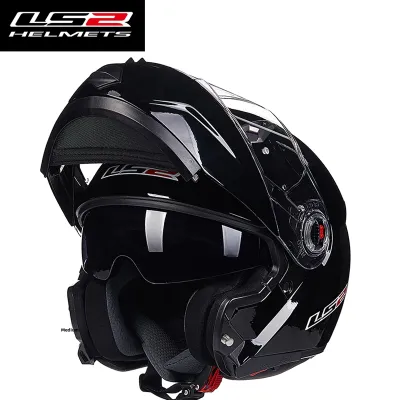
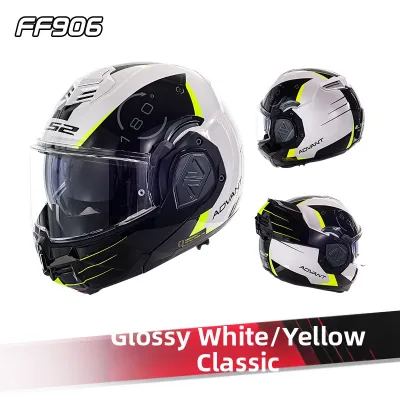
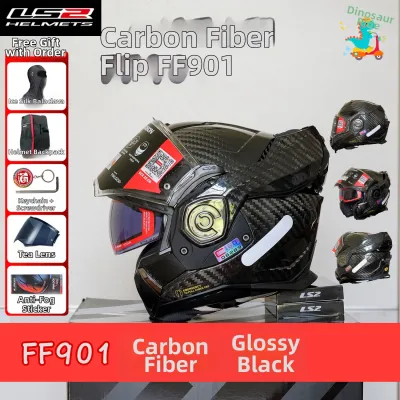
Prices are valid at publication and may change. Please refer to the product page for the latest price.
The primary factors driving price differences in modular helmets are the shell materials and the complexity of the flip-up mechanism. Lower-priced helmets typically use thermoplastic or polycarbonate shells, which are highly impact-resistant but inherently heavier. As you move up the price scale, manufacturers introduce composite fiberglass or carbon fiber, which significantly reduce weight while maintaining structural integrity. Additionally, premium models feature robust metal-on-metal locking latches for the chin bar, whereas entry-level options may use plastic components that wear down faster over time.
When preparing a pre-purchase checklist for Singapore’s unique riding environment, prioritize ventilation and visor clarity. A modular helmet with poor airflow will quickly become uncomfortable in stop-and-go city traffic, leading to excessive sweating and fogged visors during sudden afternoon rainstorms. Ensure the helmet you choose has adjustable chin and top vents that can be easily operated with gloved hands, along with a visor mechanism that supports anti-fog inserts.
Essential Features to Expect at Entry-Level Budgets
Entry-level LS2 modular helmets are designed for budget-conscious riders and daily short-distance commuters who need reliable protection without premium extras. In this price bracket, you can expect a shell constructed from basic polycarbonate or LS2’s proprietary Kinetic Polymer Alloy (KPA). While these materials offer excellent energy absorption during an impact, they require a thicker shell to meet safety standards, making the helmet noticeably heavier than mid-range or premium alternatives.

The modular latch mechanisms in entry-level models are fully functional and secure, but they generally feature standard 90-degree flip-up hinges. When the chin bar is raised, it sits directly above the forehead, which can create a “sail effect” that catches the wind if you ride at higher speeds with the bar open. The locking pins are often a mix of metal and high-strength plastic, requiring a firm, deliberate pull to ensure the chin bar is fully engaged and locked into the closed position.
Ventilation in entry-level helmets consists of standard intake and exhaust ports that provide basic airflow. While sufficient for short trips, these systems may struggle to clear hot air quickly during prolonged idling in heavy traffic on the Central Expressway (CTE). The interior liners are typically removable and washable, which is a crucial feature for maintaining hygiene in hot weather, though the fabric itself may feel more basic and less moisture-wicking than those found in higher tiers.
Choosing an entry-level helmet involves accepting certain trade-offs, particularly regarding wind noise and overall weight. Because these models have simpler neck rolls and less aerodynamic profiling, wind noise can be quite pronounced at highway speeds. You can mitigate these drawbacks by ensuring an absolutely precise physical fit to minimize air gaps around your jawline, and by wearing high-quality riding earplugs to protect your hearing on longer journeys.
Mid-Range Upgrades: Where the Extra Budget Goes
Stepping up to a mid-range budget introduces substantial improvements in material quality, rider comfort, and mechanical refinement. In this tier, LS2 often utilizes High Performance Fiberglass Composite (HPFC) for the shell construction. Fiberglass is lighter and stiffer than polycarbonate, allowing the manufacturer to design a slimmer, more aerodynamic profile that distributes weight more evenly across your neck and shoulders, reducing fatigue during longer rides.
One of the most significant mechanical upgrades in mid-range LS2 modular helmets is the introduction of 180-degree rotating chin bars. Instead of stopping at the forehead, the chin bar flips completely to the back of the helmet. This design dramatically improves aerodynamic balance when riding in open-face mode, eliminating the sail effect and reducing neck strain. These models are typically dual-homologated (P/J certified), meaning they are safety-tested and legally approved for riding with the chin bar in both the open and closed positions.
Visor systems also receive a major upgrade in the mid-range segment. You will find quick-release visor mechanisms that allow you to swap shields without tools, alongside integrated, drop-down inner sun visors that shield your eyes from intense tropical glare. Furthermore, mid-range visors are almost always prepped for Pinlock anti-fog inserts. Installing a Pinlock lens is highly recommended for Singapore riders, as it prevents the visor from misting up when sudden rain causes rapid temperature drops.
Interior comfort is significantly enhanced through the use of technical fabrics that actively wick moisture away from your skin and dry quickly. The cheek pads and neck rolls are often 3D laser-cut for a more precise fit, and the neck roll is designed to seal more tightly around the base of your skull. This improved seal blocks turbulent air from entering the bottom of the helmet, resulting in a much quieter riding experience at highway speeds.
Premium LS2 Modular Helmets: Justifying the Top Tier
Premium LS2 modular helmets represent the brand’s highest level of engineering, tailored for riders who demand maximum performance, long-distance comfort, and advanced features. The defining characteristic of this top tier is the use of full carbon fiber shell construction. Carbon fiber provides unparalleled structural strength and energy dissipation while keeping the helmet incredibly lightweight, making a massive difference in comfort during multi-hour rides or cross-border touring up the North-South Highway.
The aerodynamics of premium models are meticulously refined through extensive wind-tunnel testing. This results in a shell shape that minimizes buffeting, lift, and drag at high speeds, allowing the helmet to slice through the air with minimal resistance. The ventilation systems are highly sophisticated, featuring multi-channel EPS liners that actively draw cool air across the entire scalp and expel hot, humid air through rear exhaust spoilers, keeping you cool even in intense midday heat.
In addition to superior materials, premium modular helmets incorporate advanced safety and convenience features. These include emergency quick-release cheek pads, which allow emergency medical personnel to safely remove the helmet pads before taking the helmet off, minimizing neck movement. You will also find highly refined, cable-driven inner sun shield mechanisms that operate smoothly and are less prone to jamming than basic spring-loaded systems.
To determine if a premium investment is justified, evaluate your specific riding profile. Daily long-distance commuters, commercial riders who spend hours on the road, and touring enthusiasts will benefit immensely from the reduced weight, lower noise levels, and superior ventilation of a top-tier helmet. However, if your riding consists primarily of short, low-speed urban trips around your neighborhood, a mid-range model will likely deliver all the practical performance you require.
How to Verify Authenticity and Total Cost in Singapore
When you are ready to purchase an LS2 modular helmet, your first step should be to locate an authorized local distributor or a reputable physical motorcycle gear shop in Singapore. Avoid purchasing helmets from unverified online marketplaces or parallel importers, as you risk buying counterfeit products that do not meet safety standards. Visiting a physical store allows you to participate in a proper fitment session, which is critical because helmet shapes vary, and an incorrect fit can severely compromise safety and comfort.
During your in-store visit, perform a thorough physical inspection of the helmet. Check for the presence of official safety certification labels, such as the ECE 22.05 or ECE 22.06 stickers on the back of the shell, and ensure the local PSB test label is present if required for road legality. Inspect the modular mechanism by opening and closing the chin bar multiple times; it should lock into place with a positive, audible click, and the release button should operate smoothly without sticking.
To avoid unexpected expenses, calculate the total cost of ownership rather than just looking at the helmet’s retail price. Many helmets are sold as “Pinlock-ready,” meaning the visor has mounting pins, but the actual anti-fog insert must be purchased separately. Depending on the model, adding a high-quality anti-fog lens can add to your initial outlay, but it is an essential accessory for safe riding in Singapore’s wet weather.
Finally, factor in the cost of any additional accessories you plan to install. If you use a Bluetooth communication system for navigation or group rides, verify whether the helmet has dedicated speaker pockets and wire routing channels molded into the EPS liner. If it does not, installing a headset may require modifying the comfort liner, which can affect fit and safety. Budgeting for these accessories and verifying compatibility beforehand ensures you get the best performance and value from your new helmet.
Community discussion
Share your experience or ask a question. Comments are reviewed before publication.