
Upgrading your motorcycle’s front lighting is one of the most effective ways to improve safety during night rides on Singapore’s roads. Whether navigating poorly lit arterial roads or riding through sudden, heavy tropical downpours, a high-quality LED setup provides the clarity needed to spot road hazards early. However, finding the right light is not just about choosing the brightest option available on an online marketplace. It requires a careful balance of optical performance, electrical compatibility, and strict adherence to local transport regulations.
To select the ideal LED front light, you must look beyond raw power ratings and focus on how the light is distributed on the road. A successful upgrade ensures that you maximize your forward visibility without blinding oncoming drivers or violating vehicle inspection standards. By understanding the technical specifications of LED technology and verifying them against your motorcycle’s specific requirements, you can make a safe, legal, and highly functional upgrade.
Key Factors for Evaluating LED Bike Front Lights
Evaluating LED lighting requires looking at several distinct technical specifications that directly impact how well you can see at night. Many riders make the mistake of focusing solely on raw brightness, but the way that light is managed and projected determines its actual usefulness on the road.
Products mentioned in this guide
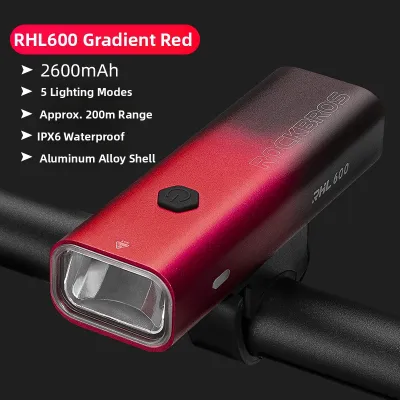
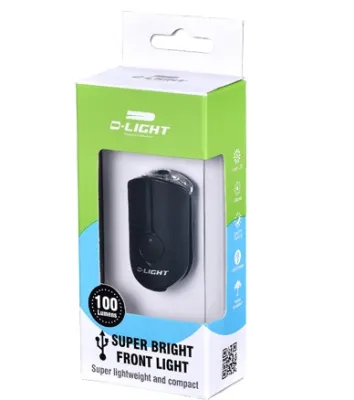
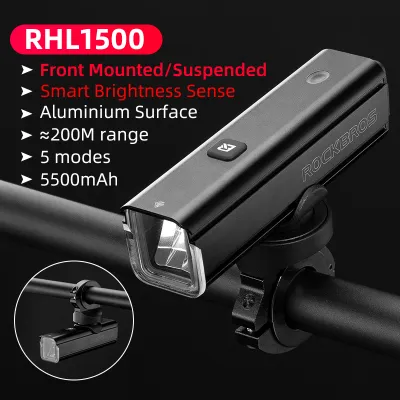
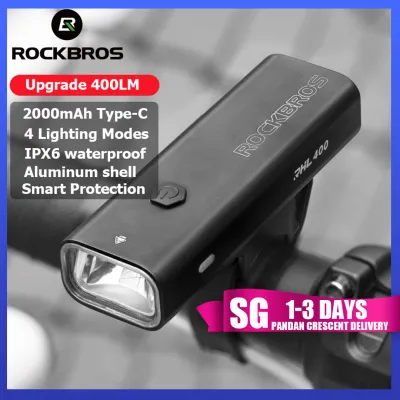
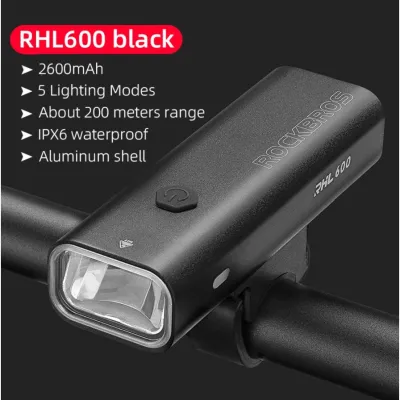
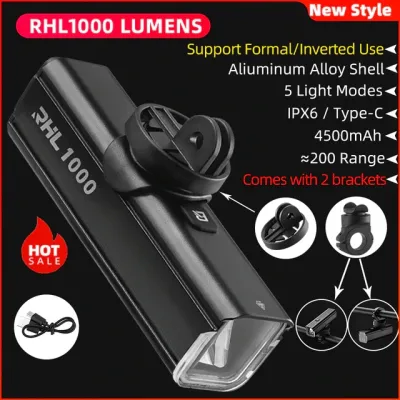
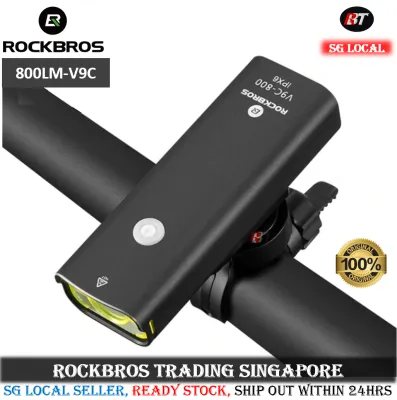
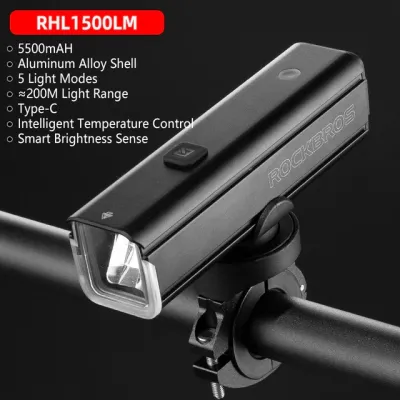
Prices are valid at publication and may change. Please refer to the product page for the latest price.
Lumens versus Lux
When browsing product specifications, you will frequently see brightness rated in lumens. Lumens measure the total amount of light emitted by a source in all directions. While a high lumen rating sounds impressive, it does not guarantee better road visibility. Lux, on the other hand, measures the intensity of light falling on a specific surface area at a given distance. For motorcycle riding, high lux in the areas where your eyes naturally focus is far more important than high raw lumens that scatter uselessly into the trees or sky.
Beam Pattern and Cut-Off Lines
The beam pattern is the single most critical factor for road safety and legality. A high-quality LED front light must project a controlled beam with a sharp, distinct horizontal cut-off line. This cut-off line prevents light from bleeding upward into the eyes of oncoming drivers or the rearview mirrors of vehicles ahead of you. Without a proper beam pattern, the intense glare of an LED can temporarily blind other road users, creating a severe safety hazard.
Color Temperature and Weather Penetration
Color temperature is measured in Kelvin (K) and determines the color appearance of the light. Cool white lights, typically ranging from 6000K to 6500K, offer a modern aesthetic and provide sharp contrast on dry roads, making lane markings and obstacles highly visible. However, in wet conditions—such as Singapore’s frequent evening thunderstorms—cool white light tends to reflect off water droplets on the road and in the air, causing self-glare and reducing visibility. Selecting a slightly warmer color temperature, around 4300K to 5000K, offers a balanced compromise, providing excellent road contrast while maintaining better penetration through rain and mist.
Thermal Management and Cooling Systems
Unlike halogen bulbs, which radiate heat forward through the glass, LEDs generate intense heat at the rear of the diode junction. If this heat is not managed effectively, the LED chips will overheat, leading to a rapid drop in light output and a significantly shortened lifespan. High-quality LED lights utilize robust thermal management systems. These can include passive heat sinks made of aviation-grade aluminum or active cooling systems featuring miniature, waterproof fans. When selecting a light, ensure the cooling mechanism fits within your motorcycle’s headlight housing without blocking necessary airflow.
Legal and Safety Compliance on Singapore Roads
Operating a motorcycle in Singapore requires strict adherence to vehicle standards enforced by the Land Transport Authority (LTA). Before purchasing any aftermarket lighting equipment, you must ensure that the modification complies with local regulations to avoid fines and vehicle inspection failures.

LTA Guidelines on Aftermarket Lighting
The LTA maintains clear guidelines regarding vehicle lighting modifications to ensure road safety for all users. Any replacement headlight bulb or auxiliary light must emit an approved color, typically white or amber, and must not cause excessive glare. Installing off-road light bars, colored decorative lights, or excessively bright auxiliary pods that cannot be switched off on public roads is strictly prohibited. All lighting modifications must be designed and installed so that they do not compromise the original safety standards of the vehicle.
The Risks of Non-Compliant Modifications
Using non-compliant LED bulbs or installing unapproved auxiliary lights carries significant legal and safety risks. If your motorcycle’s lighting causes blinding glare, you may be stopped by enforcement officers or fail your periodic vehicle inspection at authorized centers such as VICOM or STA. Furthermore, improper electrical modifications can void your motorcycle’s insurance coverage or manufacturer warranty, leaving you financially vulnerable in the event of an accident or electrical failure.
Headlight Alignment and Aiming
Even a fully compliant, high-quality LED bulb can become a hazard if it is not aligned correctly. Proper headlight aiming ensures that the brightest portion of the beam strikes the road surface well ahead of the motorcycle rather than pointing upward. The alignment must account for the typical load on the motorcycle, as the weight of a passenger or heavy luggage will compress the rear suspension and tilt the headlight beam upward.
Consulting a Qualified Workshop
Because headlight alignment and electrical integration require specialized tools and technical expertise, it is highly recommended to consult a qualified workshop before finalizing your purchase. Professional technicians use optical alignment machines to verify that the beam pattern and height meet regulatory standards. They can also ensure that any auxiliary lighting is wired through a dedicated switch and relay, allowing you to control the lights safely and legally.
Compatibility and Electrical Integration
Before buying an LED front light, you must perform several physical and electrical checks to confirm that the product is fully compatible with your specific motorcycle model. Never assume a light will fit based solely on a generic product description.
Bulb Size and Housing Type
Start by identifying the exact bulb size specified in your motorcycle’s owner manual, such as H4, H7, or HS1. Next, examine your headlight housing type. Halogen-equipped motorcycles typically use either reflector housings or projector lenses. Reflector housings rely on the precise placement of a halogen filament to direct light. Because LED chips have a different physical shape and light emission pattern than filaments, placing an LED bulb in a standard reflector housing can result in scattered light. Projector housings are generally much more forgiving and effective at focusing the intense light of an LED upgrade.
Electrical System Capacity
While LEDs are known for their energy efficiency, high-performance LED retrofits or auxiliary lights can still place a significant demand on a motorcycle’s electrical system. You must verify your motorcycle’s stator output and battery health to ensure they can handle the additional electrical load. If the total power draw of your new lighting exceeds the charging system’s capacity, your battery will gradually drain while riding, eventually leading to starting issues or electrical failure on the road.
CANbus Decoders and Anti-Flicker Harnesses
Many modern motorcycles feature advanced electronic control units (ECUs) that monitor the electrical resistance of the lighting circuits. Because LEDs draw significantly less current than halogen bulbs, the ECU may interpret the lower power draw as a burnt-out bulb. This can trigger warning lights on your dashboard or cause the LED to flicker rapidly. To prevent these issues, you may need to install a compatible CANbus decoder or an anti-flicker resistor harness alongside the new bulb.
Weather Resistance and IP Ratings
Singapore’s tropical climate is characterized by sudden, torrential downpours and high humidity. Any lighting component installed on the exterior of your motorcycle must be built to withstand these harsh environmental conditions. Look for products that carry a verified Ingress Protection (IP) rating, such as IP67 or IP68. An IP67 rating indicates that the light is completely dust-tight and can withstand temporary immersion in water, ensuring long-term durability against heavy rain and road spray.
Building Your Shortlist and Purchasing Checklist
To find the best LED front light for your motorcycle, you should establish a structured evaluation process. This checklist will help you filter out low-quality options and focus on reliable, high-performing products.
Cross-Referencing Specifications
Always cross-reference the physical dimensions of the LED bulb—especially the rear cooling fan or heat sink assembly—with the available clearance space inside your motorcycle’s headlight bucket. Some high-power LED bulbs feature large cooling assemblies that may interfere with the stock dust cover or structural components behind the headlight unit. Refer to your vehicle’s service manual or consult a professional mechanic to verify physical clearances before purchasing.
Evaluating Warranty and Local Support
A reliable manufacturer warranty is a strong indicator of product quality and durability. Look for brands that offer at least a one-year warranty and have authorized local distributors or service centers in Singapore. Purchasing from a local seller ensures that you can easily access after-sales support, obtain replacement parts, or handle warranty claims without the hassle of shipping items overseas.
Identifying Product Red Flags
Be cautious of products that feature exaggerated performance claims, such as extremely high lumen ratings at unusually low prices. Other red flags include a lack of clear technical specifications, missing safety certifications, or poor construction materials, such as thin plastic housings instead of cast aluminum. Reliable manufacturers provide detailed specifications, including actual power draw, color temperature, and thermal management details.
Planning the Total Budget
When planning your upgrade, look beyond the purchase price of the light unit itself. Your total budget should account for all necessary installation accessories, such as wiring harnesses, relays, fuses, and mounting brackets. Additionally, factor in the labor cost of professional installation at a reputable workshop to ensure that the electrical work is completed safely and the headlight is aligned perfectly to meet LTA standards.
Frequently Asked Questions (FAQ)
Will an LED bulb fit directly into my stock halogen housing?
While many aftermarket LED bulbs are designed with bases that match standard halogen sizes, a direct physical fit does not guarantee optimal performance. Halogen housings are engineered around a tiny, 360-degree light source. Because LED chips are flat and mounted on the sides of a central stem, they project light differently. This can create dark spots or scattered glare in a standard reflector housing. To achieve a proper beam pattern, look for LED bulbs that feature an adjustable collar, allowing you to rotate the bulb within the housing to align the diodes correctly.
Do I need to re-aim my headlight after upgrading to LED?
Yes, you must always re-aim your headlight after installing an LED upgrade. Because the light source’s physical position and intensity differ from your original halogen bulb, the beam’s focal point will shift. Even a minor misalignment can raise the beam high enough to blind oncoming drivers. When adjusting the headlight, make sure the rider is sitting on the motorcycle, as suspension compression under the rider’s weight directly affects the angle of the light beam on the road.
Community discussion
Share your experience or ask a question. Comments are reviewed before publication.