
Choosing the right HJC helmet in Singapore requires balancing your budget with shell materials, safety certifications, and fitment. Whether you are a daily commuter navigating the heat of the Pan Island Expressway or a weekend rider exploring scenic routes, HJC offers options across entry-level, mid-range, and premium tiers. The key is to match your budget to the appropriate shell construction while ensuring the helmet carries the necessary local safety approvals and fits your specific head shape perfectly.
By understanding what changes as you move up the price ladder, you can make an informed decision that prioritizes safety and comfort. This guide breaks down how to evaluate HJC’s material technologies, verify safety standards, allocate your budget effectively, and navigate local purchase channels to find the ideal helmet for your riding needs.
Understanding HJC Helmet Tiers and Shell Materials
HJC categorizes its helmets largely by the materials used in the outer shell, which directly influences the helmet’s weight, impact absorption properties, and overall cost. At the entry-level tier, you will primarily find polycarbonate shells. Polycarbonate is a dense, durable plastic that is highly impact-resistant and cost-effective to manufacture. While polycarbonate helmets provide excellent baseline protection, they tend to be heavier and bulkier than their high-end counterparts, which can lead to neck fatigue during long rides in heavy traffic.
Products mentioned in this guide
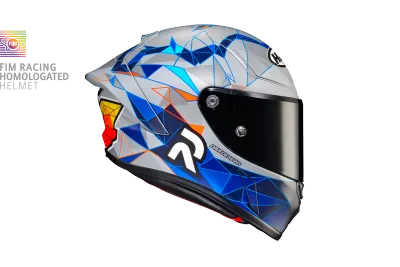
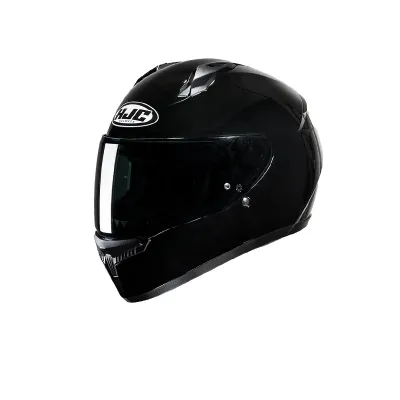
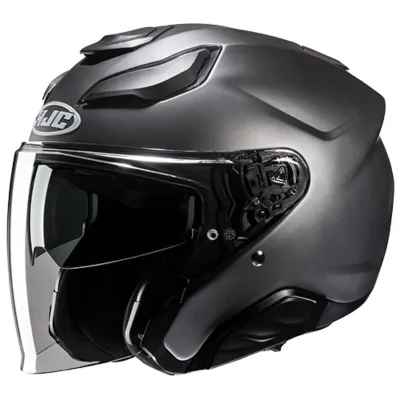
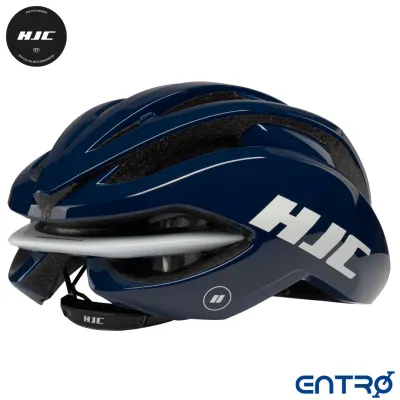
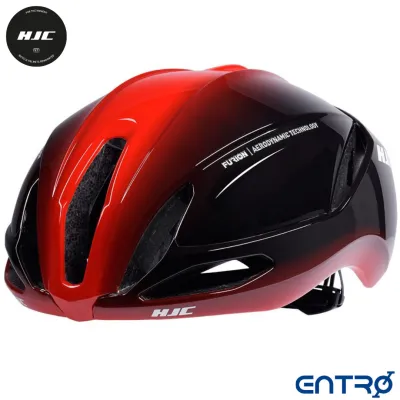
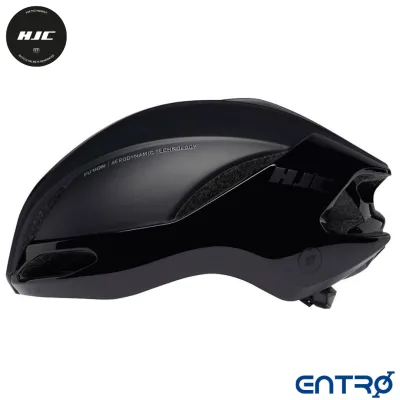
Prices are valid at publication and may change. Please refer to the product page for the latest price.
As you transition into the mid-range tier, HJC introduces fiberglass and composite shells. These models often utilize proprietary blends of fiberglass, aramid, and organic non-woven fabrics. This composite structure allows the helmet to disperse impact energy more efficiently across the shell, meaning the manufacturer can use less material to achieve the same or better safety ratings. Consequently, mid-range composite helmets are noticeably lighter than polycarbonate ones, offering a more balanced center of gravity and improved ventilation channels molded directly into the shell.
At the premium end of the spectrum, HJC utilizes advanced multi-composite and pure carbon fiber shells, often designated under their high-performance racing series. Carbon fiber offers an exceptional strength-to-weight ratio, significantly reducing the physical strain on your neck during high-speed riding or sudden maneuvers. These premium shells are designed with advanced aerodynamics to minimize drag and wind noise, making them the preferred choice for track enthusiasts and long-distance touring riders who have a flexible budget.
To ensure you are getting the exact material you are paying for, always verify the shell specifications on HJC’s official manufacturer specification sheets. Third-party seller descriptions on online marketplaces can sometimes be inaccurate, mislabeling composite blends as pure carbon fiber or vice versa. Checking the official model documentation ensures you know the precise composition of the helmet before making a purchase.
Non-Negotiable Safety Certifications and Fitment
Regardless of how much you plan to spend, safety certifications and proper fitment must always take precedence over cosmetic designs or integrated gadgets. In Singapore, any motorcycle helmet used on public roads must comply with local road safety regulations. Historically, this has been verified by the TUV SUD PSB test label, though riders should always check the latest Land Transport Authority (LTA) guidelines regarding recognized international standards, such as the United Nations Economic Commission for Europe (UN ECE) regulations. Ensure the physical helmet shell has the appropriate, unblemished certification stickers firmly affixed to the rear or chin strap.

Even the most technologically advanced carbon fiber helmet will fail to protect you adequately if it does not fit your head shape correctly. Human heads generally fall into three shape categories: round oval, intermediate oval, and long oval. HJC designs different helmet models to accommodate these variations. A helmet that is too round for a long oval head will cause painful pressure points on the forehead, while a helmet that is too oval for a round head will leave dangerous gaps at the sides, compromising stability during an impact.
Before finalizing your purchase, perform a comprehensive fitment check. Put the helmet on, fasten the chin strap securely, and perform the “shake test” by vigorously moving your head side to side and up and down. The helmet should move with your skin and scalp rather than sliding independently over your hair. Your cheeks should feel snugly compressed against the cheek pads—often described as a “chipmunk cheek” fit—without causing you to bite the inside of your mouth.
If you experience a sharp, localized pressure point anywhere on your skull within ten to fifteen minutes of wearing the helmet, or if the helmet rotates easily when you gently push the chin bar, the fit is incorrect. In such cases, stop and consult a qualified professional fitter at an authorized retail store. Trying a different shell size, swapping out the internal cheek pads for a different thickness, or switching to a different HJC model line is essential to ensure your safety on the road.
Allocating Your Budget: Must-Haves vs. Compromises
When working within a specific budget, it is crucial to distinguish between features that directly impact your safety and comfort versus those that are purely aesthetic or convenient. Prioritize investing your money into high-quality shell construction, excellent optical clarity of the main visor, and a robust retention system. A high-quality visor that is prepared for anti-fog inserts is highly recommended for Singapore’s humid climate and sudden tropical downpours, as a fogged visor immediately compromises your vision and safety.
Be sure to factor in the cost of necessary accessories in S$ when calculating your total spend. Many entry-level and mid-range helmets do not include a Pinlock anti-fog insert or a tinted visor in the box. Purchasing these accessories separately can add anywhere from S$40 to over S$100 to your initial investment. If you ride frequently in bright sunlight or during early morning hours, budgeting for these additions is highly practical.
To keep costs down without sacrificing safety, look for smart areas to compromise. Choosing a solid color model—such as gloss white, flat black, or silver—instead of a complex race replica or graphic design can save you a significant amount of money on the exact same helmet model. Additionally, opting for a standard double D-ring retention system rather than a specialized micro-metric quick-release buckle can lower the purchase price while actually offering a more reliable, customizable fit every time you strap the helmet on.
Under no circumstances should you attempt to save money by purchasing a used motorcycle helmet. Even if a used helmet looks pristine on the outside, you cannot verify its history. The internal expanded polystyrene (EPS) liner may have already compressed to absorb an impact from a drop or accident, rendering it useless for future protection. Furthermore, avoid buying heavily discounted HJC helmets from unauthorized online sellers, as these products may be counterfeit, expired, or lack the structural integrity required to pass safety standards.
Navigating Purchase Channels and Verifying Authenticity
Finding a genuine HJC helmet in Singapore involves choosing the right purchase channels and carefully inspecting the product before handing over your money. Authorized local distributors and physical specialty motorcycle shops are the safest options. These brick-and-mortar stores allow you to physically try on various sizes and shapes, which is critical since helmet sizing can vary between different model lines. Additionally, physical retailers often employ staff trained to assist with proper fitment and cheek pad customization.
If you prefer to shop online, stick to official brand stores on reputable e-commerce platforms or verified local dealer websites. When your helmet arrives, verify its authenticity by checking for valid local distributor stickers, an intact manufacturer warranty card, and original, unblemished packaging. The serial number printed on the helmet’s internal certification tag should match the serial number on the external box. Any discrepancies in packaging, missing documentation, or misaligned graphics on the shell are immediate red flags indicating a potential counterfeit.
Before purchasing, clarify the retailer’s return and exchange policies. Many motorcycle gear shops enforce strict hygiene policies, meaning they will not accept returns or exchanges once the protective film has been peeled off the visor, if the tags have been removed, or if the helmet shows any signs of outdoor use. Some retailers may also charge a restocking fee for exchanges, so it is vital to confirm your correct size before making a non-refundable commitment.
Finally, if you are considering ordering an HJC helmet from an overseas online retailer to find a specific graphic or model, remember to calculate the total cost in S$. You must factor in international shipping fees, potential handling charges, and Singapore’s prevailing Goods and Services Tax (GST) on the total imported value. In many cases, these additional expenses can make the overseas purchase more expensive than buying directly from a local authorized dealer, while also complicating any future warranty claims.
Frequently Asked Questions (FAQ)
How often should I replace my HJC helmet if I ride on a tight budget?
Even if you are riding on a strict budget, you should generally replace your HJC helmet every three to five years of regular use, or seven years from the original manufacture date. You can find the precise production date printed on a sticker located underneath the comfort liner, directly on the EPS foam. Over time, exposure to sweat, hair oils, cosmetics, extreme heat, and UV rays gradually degrades the protective qualities of both the outer shell and the internal EPS liner.
Regularly inspect your helmet for physical signs of degradation. Look for fading or cracking on the outer shell, compression or crumbling of the EPS liner, flaking interior comfort padding, or frayed chin straps. If you observe any of these issues, the helmet must be replaced immediately. Most importantly, if your helmet is ever involved in an accident or dropped from a significant height onto a hard surface, it must be replaced immediately regardless of its age or visible condition, as the EPS liner is designed to compress only once to absorb impact energy.
Can I add an aftermarket Bluetooth intercom to a budget HJC helmet?
Yes, you can add an aftermarket Bluetooth intercom to most budget HJC helmets, but you must verify compatibility before purchasing the communication device. Check the interior of the helmet by removing the cheek pads to confirm the presence of pre-cut speaker pockets in the EPS liner and dedicated channels for routing wires. Most modern HJC models, including entry-level options, are designed with these recesses to accommodate speaker units comfortably without pressing against your ears.
When mounting the intercom, ensure the clamp or adhesive mount does not interfere with the helmet’s outer shell integrity, the visor pivot mechanism, or the slider for an internal sun shield if your model has one. Always follow the installation instructions provided by both HJC and the intercom manufacturer. Never drill holes, cut the chin strap, or shave down the internal EPS liner to fit an aftermarket device, as any physical modification to the helmet’s structure will void the manufacturer’s warranty and severely compromise its safety certification.
Community discussion
Share your experience or ask a question. Comments are reviewed before publication.