
Setting up a home car wash in Singapore requires navigating a unique set of environmental, spatial, and regulatory conditions. Whether you reside in a landed property with a private driveway, a condominium with designated washing bays, or an HDB estate utilizing public wash areas, your choice of an electric foam spray depends heavily on your physical surroundings. Finding the right equipment means balancing water access, power availability, and storage limits against your vehicle’s cleaning needs. A well-chosen electric foam sprayer not only elevates your detailing routine by safely lifting dirt before a contact wash but also helps you comply with local water conservation guidelines. This guide breaks down the essential decision-making criteria to help you select the ideal setup for your specific living situation.
Evaluate Your Washing Space and Utility Access
Before purchasing any detailing equipment, you must thoroughly assess where you will wash your vehicle and how you will access utilities. In Singapore, residential layouts dictate what type of electric foam spray is practical. Landed properties typically offer the most flexibility, with direct outdoor tap access and private driveways. This allows you to use standard garden hose connections and corded machines without restriction. However, even in private spaces, you must ensure that runoff water drains safely into designated perimeter drains rather than public pathways.
For condominium residents and HDB flat owners, utility access is significantly more constrained. Shared wash bays rarely feature accessible outdoor electrical outlets due to safety regulations, and direct tap connections may be locked or restricted. If you wash your car in these shared spaces, a self-priming or bucket-suction electric sprayer is often the only viable option. These systems draw water directly from a portable bucket or collapsible container, completely bypassing the need for a pressurized tap. This setup allows you to wash your vehicle anywhere in the car park without searching for a water source.
Products mentioned in this guide
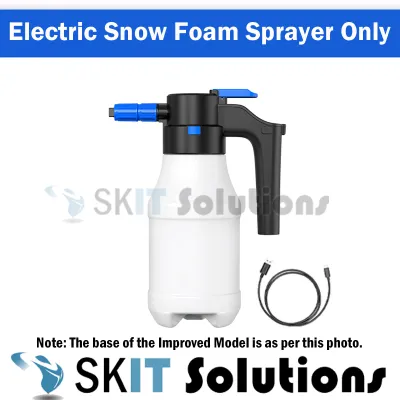
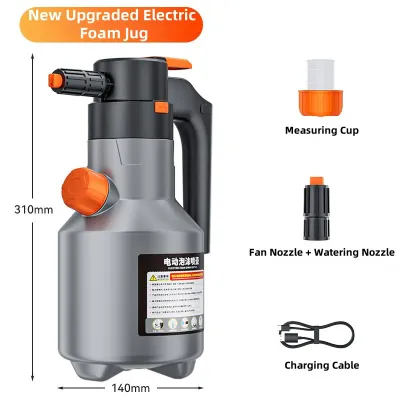
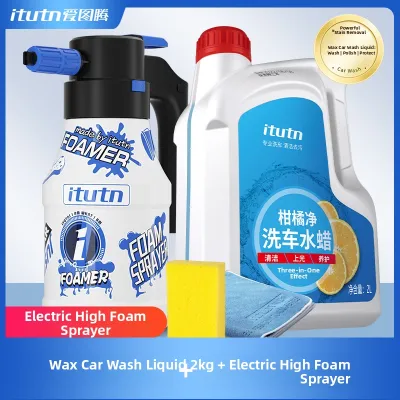
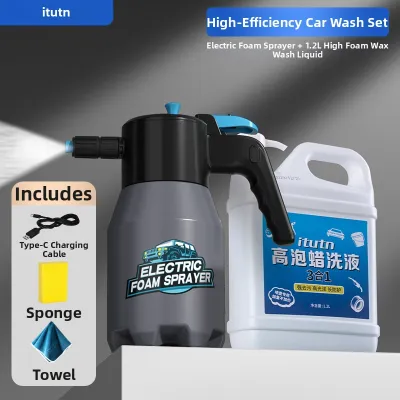
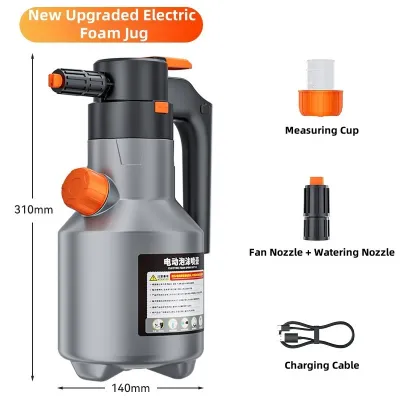
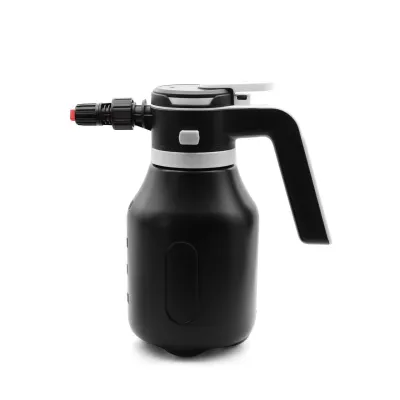
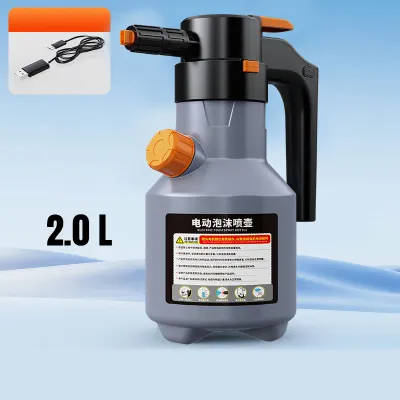
Prices are valid at publication and may change. Please refer to the product page for the latest price.
Power supply constraints are equally critical. Corded electric sprayers offer continuous, reliable power but require a safe, weather-protected outdoor electrical outlet. In our tropical climate, sudden rain showers are common, making outdoor cord management a major safety priority. If you do not have a dedicated, covered outdoor outlet with proper weatherproofing, a cordless, battery-operated foam sprayer is a much safer and more practical alternative. Cordless models eliminate the trip hazard of long cables and remove the risk of electrical shorts from wet ground surfaces, though you must plan your wash around battery runtimes.
Finally, consider your storage and footprint limitations. Space is at a premium in local apartments, where bulky pressure washers with integrated hose reels can quickly clutter utility closets or bomb shelters. Compact, hand-held electric foam sprayers or highly portable wheeled units are much easier to transport down lifts and store away. Evaluate the total weight of the equipment when filled with water or soap, and ensure you can comfortably carry the entire setup—including hoses, extension cords, buckets, and microfiber towels—from your home to the parking lot in a single trip.
Match the Sprayer to Your Vehicle and Cleaning Needs
The size and type of your vehicle play a major role in determining the specifications of your electric foam spray. A compact hatchback or sedan requires less foam volume and a shorter hose reach than a large multi-purpose vehicle (MPV), a sports utility vehicle (SUV), or a commercial van. If you own a larger vehicle, ensure the sprayer’s hose length allows you to walk completely around the car without constantly dragging or tipping over the main unit. For taller vehicles, an adjustable lance or extension wand is helpful to reach the roof without straining.

Your typical driving conditions also dictate the level of cleaning power you need. Daily commuting on well-paved urban roads typically results in a buildup of fine road film, brake dust, and rain spots rather than thick, heavy mud. A moderate-pressure electric foam sprayer is usually sufficient to loosen this daily grime. However, if you frequently drive across the border into areas with unpaved roads, or if you park near construction-heavy zones, you may encounter heavier mud and road grit. This requires a sprayer capable of delivering thicker, clinging foam that can dwell on the surface to safely lift abrasive particles before you touch the paint.
Wash frequency is another trade-off to consider. If you perform quick weekly maintenance rinses to keep your car looking fresh, a lightweight, fast-to-assemble cordless sprayer saves valuable time. Setting up heavy corded equipment for a ten-minute wash can quickly become a chore, leading to neglected maintenance. Conversely, if you prefer a comprehensive monthly detailing session where you deep-clean the wheel wells, undercarriage, and paintwork, the higher pressure and unlimited runtime of a corded system are worth the extra setup time.
Always verify your vehicle’s specific paint and exterior trim requirements by consulting your owner’s manual before using high-pressure equipment. Certain matte finishes, aftermarket wraps, or delicate carbon fiber components may have strict limitations regarding maximum water pressure and chemical exposure. Ensuring your equipment matches these manufacturer guidelines prevents accidental damage to your vehicle’s exterior surfaces.
Key Specifications and Features to Compare
When comparing electric foam sprayers, it is easy to get lost in marketing jargon. To make an informed decision, focus on the technical specifications listed on product labels and packaging. The first key metric is the relationship between operating pressure (measured in bar or PSI) and water flow rate (measured in liters per minute or LPM). High pressure alone does not guarantee a good foam blanket; a sufficient flow rate is critical to mix the air, water, and shampoo effectively. For home detailing, look for a balanced ratio where the flow rate is high enough to flush away loosened dirt without using excessive water that exceeds local drainage capacities.
Nozzle and lance adjustments are essential for customizing your wash. A quality electric foam spray setup should feature an adjustable nozzle. This allows you to switch between a narrow stream for rinsing tight spots, like wheel arches, and a wide fan pattern for even foam coverage across large body panels. A foam concentration dial on the lance or bottle is also highly beneficial, as it lets you control the ratio of water to shampoo, helping you conserve product while achieving the desired foam density.
Build quality and fittings are often overlooked but have a massive impact on durability. The connections between your hose, gun, and foam lance are common failure points. Inspect the product specifications for brass or high-grade stainless steel quick-release fittings rather than cheap plastic connectors. Metal fittings resist wear from frequent assembly and are less likely to crack under pressure or leak water onto your hands and feet during operation.
Safe Setup and Routine Maintenance Checklist
Mixing water and electricity carries inherent risks, making safety the absolute priority during any home car wash. Always plug corded electric sprayers into an outlet protected by a Residual Current Circuit Breaker (RCCB) or a Residual Current Device (RCD). Keep all electrical connections, including extension cord joints, elevated off the wet ground and protected from overspray. Never operate a corded unit in heavy rain, and inspect the power cable regularly for any signs of wear or exposed wiring.
Chemical compatibility is another crucial factor for both vehicle safety and equipment longevity. Only use car wash shampoos that are explicitly labeled as safe for foam lances and pressure washers. Avoid using household detergents, industrial degreasers, or highly acidic cleaners in your foam spray bottle. These harsh chemicals can degrade the internal rubber seals, O-rings, and plastic components of your sprayer, leading to pressure loss, leaks, or complete pump failure. Always refer to the chemical manufacturer’s label instructions for proper dilution ratios to ensure the mixture is safe for your vehicle’s paint, clear coat, and plastic trim.
Post-wash care is vital in our high humidity, which creates an ideal environment for mold growth and mineral buildup inside detailing equipment. After every wash session, detach the foam bottle, fill it with clean water, and run the sprayer for at least thirty seconds to flush out any remaining soap residue from the internal mesh filter and nozzle. Drain all water from the hoses and the pump unit before storing them in a cool, dry place out of direct sunlight to prevent the plastic hoses from becoming brittle.
Frequently Asked Questions (FAQ)
Can I use standard household dish soap in my electric foam spray?
No, household dish soap is not suitable for an electric foam spray setup. Dish soaps are formulated to strip grease and oils, which means they will quickly strip away any protective wax, sealant, or ceramic coating on your car’s paintwork, leaving it vulnerable to environmental damage. Additionally, household detergents do not have the necessary lubrication properties of dedicated car shampoos, increasing the risk of scratching your paint during the contact wash. From a mechanical standpoint, the chemical composition of dish soap can dry out and damage the internal rubber seals and pump components of your sprayer.
Do cordless electric foam sprayers provide enough pressure for a proper wash?
Cordless, battery-powered foam sprayers are designed primarily for portability and convenience, meaning they operate at lower pressures than corded models. While they may not strip heavy, baked-on mud as easily as a high-power corded pressure washer, they provide more than enough pressure to apply a thick layer of pre-wash foam and rinse away daily urban dust. For car owners living in apartments or those without easy access to outdoor power and water taps, a cordless sprayer offers a highly practical and effective solution for regular maintenance washes.
Community discussion
Share your experience or ask a question. Comments are reviewed before publication.