
Choosing the right automatic car cover for outdoor parking in Singapore requires balancing rapid deployment, robust waterproofing, and high breathability. Because the local climate alternates between intense tropical sunlight and sudden, heavy downpours, a standard cover can trap moisture and heat, leading to paint damage or mold. To protect your vehicle effectively, you must look beyond generic marketing claims and verify specific material certifications, ventilation designs, and motorized housing ratings. An ideal automatic cover must not only shield the exterior from UV rays but also allow trapped humidity to escape while remaining securely anchored during sudden monsoon winds.
Understanding Singapore's Outdoor Parking Challenges
Parking a vehicle outdoors in Singapore exposes it to demanding environmental conditions. The combination of near-constant high relative humidity and frequent, heavy rainfall creates a persistent moisture barrier around the vehicle. If a car cover lacks adequate airflow, this moisture becomes trapped underneath the fabric, settling directly onto the clear coat. Over time, this trapped condensation can cause paint blistering, clear coat degradation, and the rapid growth of mold or mildew on both the exterior trim and inside the cabin.
Prolonged exposure to intense ultraviolet (UV) radiation is another major concern for outdoor parking. The tropical sun quickly heats up the vehicle’s cabin, accelerating the fading and cracking of leather seats, dashboard plastics, and steering wheel covers. Furthermore, the UV rays degrade the car cover itself, breaking down the chemical bonds in untreated fabrics and causing them to become brittle, tear easily, or lose their water-resistant properties within a few months of continuous use.
Products mentioned in this guide
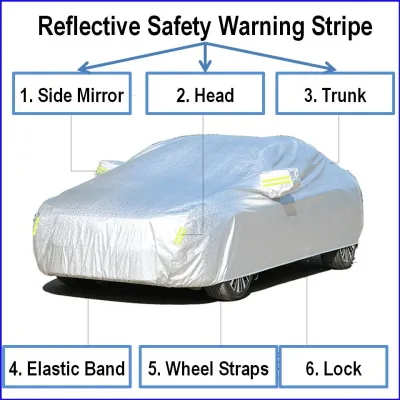
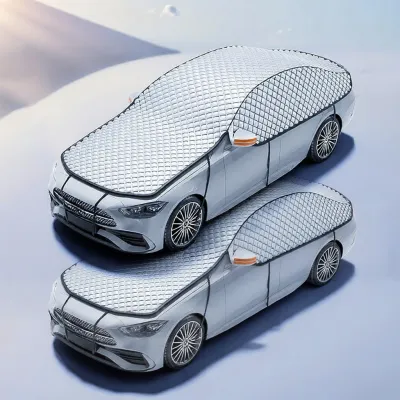
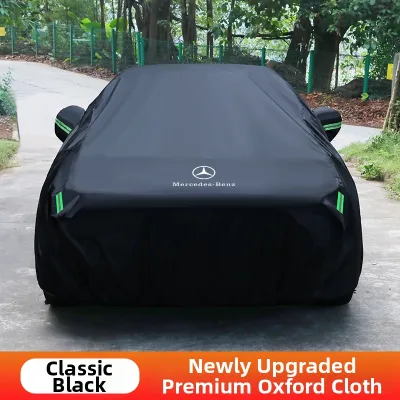
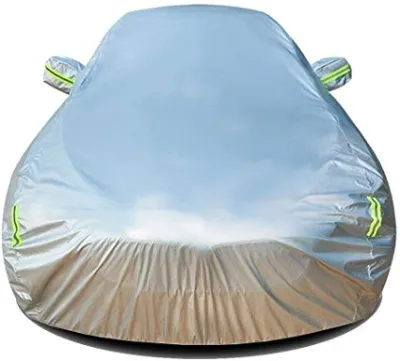
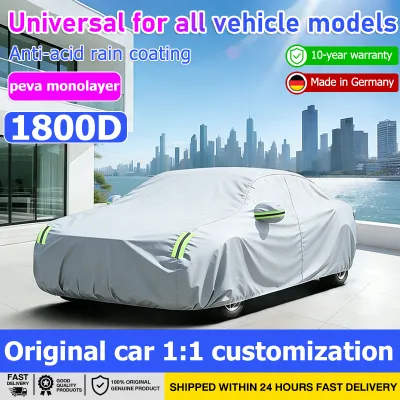
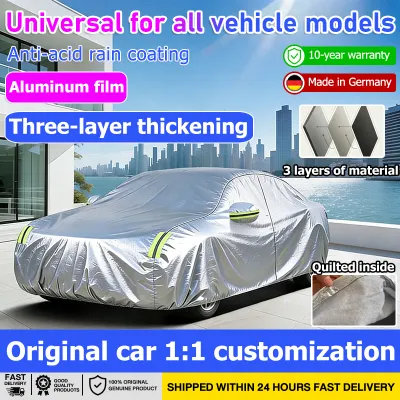
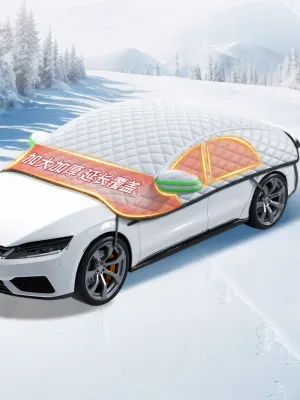
Prices are valid at publication and may change. Please refer to the product page for the latest price.
Sudden monsoon surges and intense afternoon downpours also introduce significant physical stress. Strong winds can catch a loose cover, turning it into a sail that pulls against the mounting points or rubs abrasively against the vehicle’s paintwork. To withstand these sudden weather shifts, any protective cover must feature a robust structural design that remains stable under high wind loads without putting excessive strain on the vehicle’s body panels or the cover’s own motorized components.
Key Weather-Resistant Features to Verify on Product Labels
When shopping for an automatic car cover, relying on vague marketing terms like “all-weather” or “fully waterproof” can lead to premature product failure or vehicle damage. Instead, you should carefully inspect the manufacturer’s product labels, technical specifications, and care instructions to verify the exact materials used. Reliable protection depends on verified fabric compositions and certified manufacturing standards that match your specific parking environment.

A high-quality cover must strike a careful balance between keeping external water out and letting internal moisture escape. This requires verifying the specific fabric layers, protective coatings, and structural reinforcements detailed in the product documentation. Before making a purchase, always cross-reference the cover’s dimensions and mounting requirements with your vehicle’s official manual to ensure a secure fit that will not interfere with external sensors, cameras, or aftermarket accessories.
Balancing Waterproofing and Breathability
To protect your car’s paint from heavy rain, you must verify the cover’s water resistance ratings and seam construction. Look for manufacturers that specify hydrostatic head ratings or detail their seam-sealing methods, such as heat-welded or double-stitched seams with waterproof tape. These construction methods prevent water from seeping through the needle holes during prolonged downpours, ensuring the vehicle remains dry underneath.
However, keeping water out is only half the battle; the cover must also be highly breathable to handle Singapore’s high humidity. Breathable fabrics allow water vapor to pass through from the inside out, preventing condensation from building up on the car’s surface as temperatures fluctuate. If the fabric itself is highly water-resistant but less breathable, check if the design includes built-in ventilation panels or covered air vents that facilitate continuous airflow without letting rain in.
You should avoid using completely non-breathable materials, such as cheap single-layer plastics or heavy PVC covers without ventilation. These materials act like a greenhouse, trapping heat and moisture directly against the vehicle’s clear coat. When exposed to hot sun immediately after a rain shower, this trapped moisture can bake into the paint, causing permanent cloudy patches or water spots that require professional paint correction to resolve.
Verifying UV Protection and Heat Reflection
Managing heat and sun damage requires a cover with verified UV-blocking capabilities and reflective properties. Look for product specifications that explicitly state the UV protection factor or detail the presence of a reflective outer layer, such as an aluminum or silver-coated polyester fabric. These specialized coatings reflect a significant portion of solar radiation away from the vehicle, keeping the cabin temperature noticeably cooler.
The color of the cover also plays a practical role in heat management. Light-colored or highly reflective silver surfaces are highly recommended for outdoor parking, as they absorb far less thermal energy than dark fabrics. By minimizing heat absorption, these covers reduce the thermal expansion and contraction cycles that stress your vehicle’s rubber seals, plastic trims, and electronic components over time.
Additionally, you should verify the manufacturer’s warranty or expected lifespan regarding UV resistance. Constant exposure to intense tropical sunlight will eventually degrade even high-quality fabrics. Checking the product documentation for UV-stabilized material ratings gives you a realistic expectation of how long the cover will maintain its structural integrity and protective qualities before the material begins to thin or flake.
Evaluating the Motorized Mechanism for Wet and Hot Conditions
The defining feature of an automatic car cover is its motorized deployment system, which must be engineered to withstand both heavy rain and extreme heat. Before purchasing, inspect the product specifications for the motor housing’s Ingress Protection (IP) rating. A reliable outdoor motorized unit should feature a high IP rating, indicating that the electronic components, gears, and wiring are thoroughly sealed against dust and high-pressure water splashes.
Battery performance is another critical factor, as extreme heat can significantly shorten the lifespan and efficiency of rechargeable batteries. Check the manufacturer’s guidelines regarding battery chemistry, operating temperature ranges, and charging requirements. Some automatic covers utilize integrated solar panels to maintain the battery charge; if choosing this option, ensure the solar cells are rated for continuous outdoor exposure and high UV levels without degrading.
The remote control system and mechanical fail-safes must also be evaluated for daily usability. Verify the specified remote range and check if the system includes a manual override mechanism. A manual override is essential, as it allows you to deploy or retract the cover in the event of a dead battery, lost remote, or mechanical jam, preventing you from being locked out of your vehicle or stranded with a half-deployed cover.
Finally, pay close attention to the physical contact points of the automatic mechanism. The deployment arms, rollers, or housing units that rest on or near the vehicle must be equipped with soft, non-marring materials such as high-density foam or soft rubber bumpers. These protective buffers prevent the motorized components from scratching the paintwork or denting the body panels during the high-torque phases of deployment and retraction.
Inspecting Material Durability and Wind-Proofing Structures
An automatic car cover must be physically durable enough to handle both the mechanical stress of motorized folding and the environmental stress of outdoor parking. The inner lining of the cover is of primary importance; it must be explicitly labeled as a soft, non-abrasive material, such as brushed cotton, microfiber, or soft flannel. This soft lining acts as a protective barrier, preventing the cover from scratching the clear coat as it slides across the vehicle’s surface during deployment.
To prevent the cover from shifting or blowing away during sudden wind gusts, inspect the built-in securing systems. A high-quality cover should feature heavy-duty elasticized hems at the front and rear to provide a snug fit around the bumpers. Additionally, look for adjustable windproof straps and heavy-duty buckles that wrap underneath the vehicle’s chassis, securing the cover firmly in place even during severe weather.
For added security and wind resistance, check if the cover includes reinforced grommets or integrated cable lock systems. These features allow you to thread a security cable underneath the car, deterring theft of both the cover and the motorized unit while providing an extra anchor point against strong winds. Ensure that any metal or hard plastic grommets are fully recessed or covered with fabric flaps to prevent them from making direct contact with your vehicle’s paint.
Maintaining and Storing the Cover in High Humidity
Proper maintenance is essential to preserve the protective qualities of your automatic car cover and extend its operational lifespan. In Singapore’s highly humid climate, storing a damp cover inside its motorized housing or a storage bag is a recipe for rapid mold and mildew growth. Always ensure the cover is completely dry before folding or retracting it for extended periods. If you must retract the cover while it is wet, make sure to deploy it again at the earliest opportunity to let it air dry completely.
When cleaning the cover, always follow the manufacturer’s specific care instructions regarding water temperature, acceptable detergents, and washing methods. Avoid using harsh chemical cleaners, bleach, or high-pressure washers, as these can strip away the specialized waterproof coatings and UV-reflective treatments applied to the fabric. Instead, use a soft sponge, mild soap, and a gentle garden hose to rinse away dirt, bird droppings, and tree sap.
Establish a regular routine to visually inspect the entire cover for signs of wear and tear. Pay close attention to the seams, the attachment points of the motorized mechanism, and the areas exposed to the highest tension. Promptly repairing minor tears or loose stitching with manufacturer-approved repair kits or patches can prevent the damage from spreading and ensure the cover continues to provide reliable protection for your vehicle.
Frequently Asked Questions (FAQ)
Can I leave the automatic car cover on during heavy thunderstorms?
While high-quality automatic car covers are designed to handle typical rain showers, leaving them on during severe thunderstorms or monsoon surges carries inherent risks. You should always consult the manufacturer’s specified operational limits for wind speed and water exposure. Extremely heavy downpours can cause water to pool in the sagging areas of the cover, putting immense physical strain on the fabric, the securing straps, and the internal motorized mechanism. If severe weather is anticipated, it is often safer to retract and secure the cover to prevent structural damage to both the accessory and your vehicle.
How do I clean the cover without damaging its waterproof coating?
To clean your automatic car cover safely, you must consult the care label or manufacturer’s manual for specific washing restrictions. Generally, you should avoid machine washing or using high-pressure sprayers, as the intense mechanical action and high water pressure can delaminate the waterproof backing or strip the UV-reflective coatings. Instead, hand-wash the cover while it is fully deployed on the vehicle using a mild, pH-neutral car shampoo and a soft microfiber cloth or sponge. Rinse thoroughly with a low-pressure garden hose and allow the cover to air dry completely in a shaded area before retracting it.
Community discussion
Share your experience or ask a question. Comments are reviewed before publication.