
To keep your reverse camera clear during Singapore’s intense afternoon downpours, the most effective solution is a physical water-deflecting visor paired with a high-quality hydrophobic film. Because Singapore experiences high humidity alongside heavy rainfall, water droplets and condensation can easily obscure your camera lens, making parking in tight HDB multi-storey car parks or outdoor lots challenging. Choosing the right shield involves matching the physical design of your vehicle’s camera housing with a protective accessory that does not block your field of view or damage your car’s paintwork.
While many drivers look for a single universal product to solve wet-weather visibility issues, vehicle camera designs vary significantly. A shield that works perfectly on a flush-mounted camera of an SUV might block the view of a bumper-integrated camera on a sedan. By understanding key material properties, waterproofing standards, and installation requirements, you can select a solution that maintains a clear rear view even during severe tropical downpours.
Key Features to Look for in a Rain-Resistant Camera Shield
When shopping for a car reverse camera shield on an online marketplace or at a local automotive accessory shop, look beyond basic plastic hoods. The first technical specification to verify is the Ingress Protection (IP) rating of the camera assembly and how the shield interacts with it. While the shield itself is a physical barrier, any housing or enclosure that wraps around the camera should ideally align with IP67 or IP68 standards to ensure water cannot pool inside the bracket and seep into electrical connections.
Products mentioned in this guide
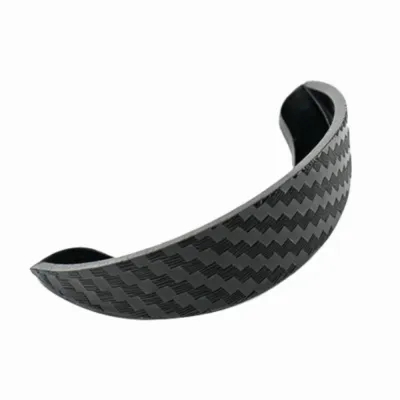
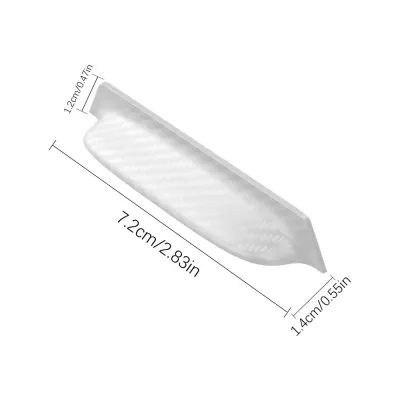
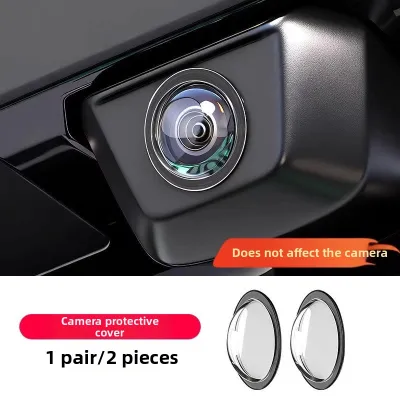
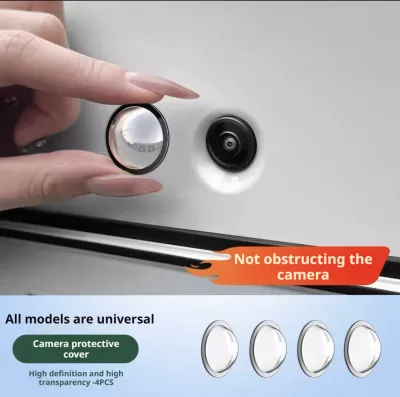
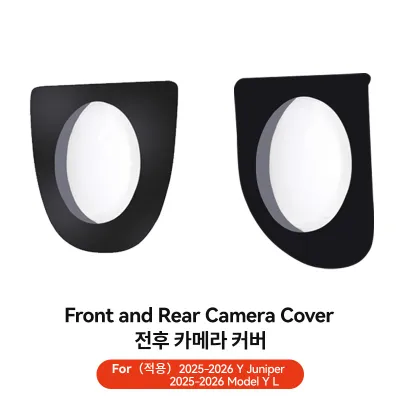
Prices are valid at publication and may change. Please refer to the product page for the latest price.
Another critical feature is a hydrophobic coating. Unlike standard plastic or glass surfaces where water droplets cling and create distorting lenses, a hydrophobic surface forces water to bead up and slide off rapidly under gravity or wind resistance. When evaluating these products, check the manufacturer’s specifications to see if the hydrophobic properties are baked into the material or applied as a temporary film, as this determines how often you will need to maintain or replace the shield.
High humidity is another major factor in Singapore, particularly when transitioning your vehicle from a cool, air-conditioned basement car park into the hot, humid outdoor air. This rapid temperature change causes condensation to form on the camera lens, rendering it temporarily useless. To combat this, look for shields featuring anti-fog properties or dual-layer designs that create an insulating air gap to prevent rapid temperature transfer.
Finally, consider the physical design and aerodynamic shape of the shield. A well-designed shield features a physical water-deflecting lip or visor that extends slightly over the lens without entering the camera’s field of view. This lip acts as a miniature roof, blocking direct vertical rainfall and reducing the amount of road splash that reaches the lens from the rear tires. The material should be UV-resistant, as constant exposure to Singapore’s intense sunlight can cause cheap plastics to yellow, crack, and degrade within a few months.
Comparing Types of Reverse Camera Shields for Wet Climates
There are three primary categories of reverse camera shields available to drivers, each offering distinct advantages and trade-offs depending on your driving habits, parking environments, and willingness to perform regular maintenance.

Passive physical visors are the most common and straightforward option. These are typically small, molded plastic or rubber hoods that adhere directly above the camera housing. They are highly durable, inexpensive, and require virtually no ongoing maintenance once properly installed. Their primary function is to deflect direct vertical rain and shield the lens from overhead sunlight, which also helps reduce lens flare. However, because they are passive, they cannot prevent fine mist, road grime, or kicked-up tire spray from settling on the lens during highway driving.
Hydrophobic and anti-fog films offer a highly discreet alternative. These are thin, transparent, automotive-grade stickers applied directly onto the camera lens or its protective glass cover. They do not alter the vehicle’s exterior appearance, making them ideal for drivers who prefer a clean, factory-original look. The primary drawback is their limited lifespan; environmental exposure, car wash chemicals, and physical wiping will gradually wear down the hydrophobic layer, requiring you to peel off the old film and apply a new one every few months.
Active micro-wiper or air-blower systems represent the most advanced, heavy-duty solution. These systems use either a tiny mechanical wiper blade or a high-pressure air jet tapped into the rear windshield washer system to clear water and dirt on demand. While highly effective, they are complex and expensive. They require routing electrical wiring and fluid lines through the vehicle’s tailgate, which can impact your vehicle’s warranty. If you consider an active system, always consult your vehicle’s manual and seek qualified professional installation to ensure road legality and safety.
Compatibility and Installation Checks Before Purchase
Before purchasing any car reverse camera shield, perform several compatibility checks to ensure the accessory fits your specific vehicle without causing damage or safety hazards. Start by measuring the physical dimensions of your existing camera housing, noting whether it is a flush-mount, bumper-integrated, or license-plate-mount design. A shield designed for a prominent, protruding camera will not fit a camera that sits flush within the tailgate trim, and attempting to force a fit can damage the camera mount.
Next, evaluate the mounting method of the shield. Most aftermarket passive shields rely on double-sided acrylic foam tape, which provides a strong, weather-resistant bond without damaging the vehicle’s paintwork. However, the mounting surface must be completely clean and free of wax, oil, and road grime for the adhesive to bond correctly. If a shield requires screw-on brackets, exercise extreme caution; drilling into your vehicle’s bodywork can void rust warranties, damage hidden wiring harnesses, and compromise the vehicle’s factory waterproof seals, leading to leaks inside the trunk.
You must also verify that the shield does not obstruct the camera’s wide-angle field of view. Modern reverse cameras often feature viewing angles of 130 to 170 degrees, meaning a physical visor that protrudes too far forward can easily appear in the corners of your screen, creating dangerous blind spots. Temporarily tape the shield in place and check your dashboard monitor to ensure the entire screen remains clear, and verify that the shield does not block any software-rendered parking guidelines or adjacent infrared LEDs used for night-vision illumination.
Finally, ensure the shield does not interfere with other rear-mounted safety systems. Many modern vehicles feature ultrasonic parking sensors located near the license plate or bumper. A physical shield that is too large or improperly angled can deflect ultrasonic waves, causing the system to trigger false obstacle alerts. Always refer to your vehicle’s documentation to identify sensor zones before mounting any exterior accessories.
Maintenance and Care for Long-Term Weather Resistance
Maintaining your reverse camera shield is essential to ensure long-term visibility and prevent premature degradation in Singapore’s hot and humid climate. When cleaning your vehicle, avoid using harsh chemical solvents, ammonia-based glass cleaners, or abrasive scrubbing pads on the shield. These substances can instantly strip away delicate hydrophobic coatings and scratch clear plastic visors, leading to permanent cloudiness that distorts your camera’s image. Instead, use a mild, pH-neutral car shampoo and a clean, soft microfiber cloth to gently wipe away dirt.
Regularly inspect the adhesive seals and physical edges of the shield for signs of wear. The combination of intense tropical heat and frequent rain can cause double-sided tape to dry out, lift, or lose its grip over time. If you notice dirt, sand, or moisture trapping under the edges of the adhesive, it is best to remove the shield, clean the surface thoroughly, and reapply fresh automotive-grade adhesive tape to prevent the shield from falling off while driving.
Keep an eye out for visual signs of material failure that indicate it is time to replace the shield or reapply its protective coatings. Clear plastic visors will eventually yellow or become brittle due to constant UV exposure from the sun. If you notice persistent water spots that do not wash off, fine scratches across the line of sight, or a complete loss of water-beading performance despite thorough cleaning, the shield or film has reached the end of its useful life and should be replaced to maintain optimal parking safety.
Frequently Asked Questions (FAQ)
Can I apply a standard smartphone screen protector to my reverse camera?
No, standard smartphone screen protectors are not designed to withstand the harsh environmental conditions of a vehicle’s exterior. They lack the necessary UV stabilizers to prevent yellowing under direct sunlight, and their adhesives are not formulated to resist constant exposure to rain, road grime, and high-pressure car washes. Additionally, smartphone protectors are designed for flat glass surfaces and will not adhere properly to the curved lenses common on automotive reverse cameras, leading to peeling, water trapping, and optical distortion.
Will an aftermarket shield interfere with the car's parking sensors or guidelines?
An aftermarket shield can interfere with your parking sensors or guidelines if it is improperly sized or incorrectly positioned. If the physical visor protrudes too far, it can block the camera’s wide-angle lens, distorting the perspective used by your car’s software to render dynamic parking guidelines. Furthermore, if the shield is mounted too close to an ultrasonic parking sensor, it can deflect the sensor’s signals, leading to constant false warnings or a complete failure to detect obstacles behind you. Always test the shield’s placement before permanently securing it.
How do I remove adhesive residue from the camera housing without damaging it?
To safely remove adhesive residue from your camera housing, start by applying gentle heat using a hairdryer on a low setting to soften the adhesive. Once softened, gently peel away the bulk of the residue using your fingers or a soft plastic scraper, taking care not to scratch the camera lens or surrounding paintwork. For any remaining sticky residue, use a mild, automotive-safe adhesive remover or isopropyl alcohol applied to a microfiber cloth, ensuring you check your vehicle’s manual first to confirm the solvent is safe for your specific painted or plastic surfaces. Avoid using sharp metal tools or harsh solvents like acetone, which can permanently melt plastic housings.
Community discussion
Share your experience or ask a question. Comments are reviewed before publication.