
Finding the right sun and rain cover for your Jaguar XE requires balancing precise physical dimensions with advanced material engineering. In tropical environments like Singapore, where intense ultraviolet radiation alternates with sudden, torrential downpours, a generic cover can do more harm than good. To protect your luxury sedan’s paintwork and interior, you must select a cover that offers a tailored fit, multi-layer UV reflection, high water resistance, and exceptional breathability to prevent trapped moisture.
Determine the Exact Fit and Dimensions for Your Jaguar XE
Start by consulting your Jaguar XE owner’s manual or official manufacturer specifications to find the exact length, width, and height of your specific model year. The Jaguar XE has evolved slightly in styling and dimensions over its production run, with variations in bumper designs, sports packages, and suspension heights. A cover that is even a few centimeters too short will leave the lower body panels exposed to road grime and splash water, while an oversized cover will sag, accumulate water pools, and flap violently in the wind. If you have installed aftermarket modifications, such as custom front splitters or a larger rear spoiler, these changes will alter the vehicle’s overall envelope and must be factored into your measurements.
Pay close attention to the vehicle’s physical contours and protruding features. The Jaguar XE features a prominent shark-fin roof antenna, distinct side mirrors, and, on some trims, a rear lip spoiler. A high-quality cover should feature dedicated mirror pockets that align perfectly with the vehicle’s mirror placement. This alignment not only keeps the cover anchored but also prevents tension points that can strain the mirror housings or tear the fabric. If your cover lacks mirror pockets, the fabric will be stretched taut across the sides of the car, leaving large triangular gaps near the windows where wind can enter and lift the cover.
Products mentioned in this guide
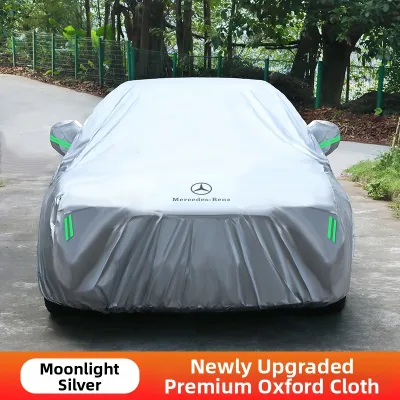
Prices are valid at publication and may change. Please refer to the product page for the latest price.
When choosing between a custom-fit and a universal-fit cover, the advantages of a custom pattern are clear. Custom-fit covers are patterned specifically for the Jaguar XE’s exact silhouette, hugging the curves of the hood, greenhouse, and trunk. This snug fit minimizes the volume of air trapped beneath the fabric, reducing the sail effect during windy conditions. Universal-fit covers, while often more budget-friendly, rely on generic sizing categories that inevitably leave excess material. This loose fabric can rub against the clear coat, acting like fine sandpaper when caught in a breeze, and can easily trap dirt underneath.
Furthermore, a custom-fit cover ensures that the hem elastic sits precisely under the front and rear bumpers of your Jaguar XE. This precise placement prevents the cover from riding up and exposing the lower paintwork to road grime, salt, and moisture. When parking in open-air surface lots or multi-storey car parks where wind drafts can be strong, a snug, custom-fit cover provides the peace of mind that your vehicle remains fully shielded without constant manual adjustments.
Select Materials for Reliable UV and Waterproof Protection
The harsh tropical climate of Singapore demands a sophisticated multi-layer fabric construction. The outermost layer must serve as a primary shield against intense solar radiation. Look for materials treated with high-grade UV inhibitors or finished with a reflective silver or aluminum coating. This reflective surface bounces solar rays away from the vehicle, helping to mitigate the extreme cabin heat buildup that degrades leather upholstery, cracks dashboard plastics, and fades interior trim over time. High-quality outer layers also prevent the clear coat on your car’s roof, hood, and trunk from oxidizing and peeling under constant sun exposure.

While blocking the sun is critical, managing moisture is equally vital. A common mistake is selecting a completely impermeable, plastic-like cover. While it may keep rain out, it also traps rising ground moisture, humidity, and engine heat underneath. This trapped water vapor condenses on the cool metal of your Jaguar XE, creating a humid environment that can lead to paint blistering, clear coat clouding, and mold growth in the cabin. To prevent this, ensure the cover utilizes a breathable membrane technology. These micro-porous materials feature pores large enough to let water vapor escape from underneath, yet small enough to block liquid water droplets from penetrating from the outside.
To understand how these materials perform, it helps to look at a typical high-performance multi-layer stack. A premium outdoor cover often consists of four or five distinct layers bonded together. The top layer reflects UV rays and sheds water; the second layer provides structural strength and tear resistance; the third layer is the breathable waterproof membrane; and the bottom layer is the soft lining. This combination ensures that the cover can withstand heavy monsoonal downpours while allowing any moisture that does manage to get underneath—such as condensation from temperature drops at night—to evaporate naturally during the day.
The innermost layer of the cover must be engineered with the utmost care, as it remains in direct contact with your vehicle’s paintwork. Avoid rough, unlined synthetic fabrics that can scratch the delicate clear coat during installation and removal. Instead, opt for covers featuring a soft, non-abrasive inner lining, such as spunlace cotton, brushed fleece, or microfiber. This soft barrier cushions the paint against minor impacts, such as falling twigs or light debris, and ensures that any microscopic dust particles remaining on the surface are not ground into the finish.
Check Security and Wind-Resistance Features
A car cover is only effective if it stays securely on the vehicle. High winds can easily lift a loose cover, exposing your Jaguar XE to the elements or blowing the cover away entirely. Look for robust security features, starting with heavy-duty elastic hems at the front and rear of the cover. These elasticized edges should wrap snugly under the bumpers, providing a secure grip that resists lifting forces. Over time, cheap elastic can degrade and lose its stretch due to heat exposure, so look for covers that feature double-stitched, weather-resistant elastic bands.
In addition to elastic hems, adjustable undercarriage straps are essential for outdoor parking. These straps run beneath the center of the vehicle, clipping together to anchor the cover firmly in place. Ideally, a cover should feature at least three strap points: one near the front wheels, one in the middle, and one near the rear wheels. Ensure the buckles are made of durable, scratch-resistant polymer or are encased in protective fabric sleeves to prevent them from striking and scratching your wheels or side skirts during installation.
Reinforced grommets, typically located at the center of the lower hem, allow you to thread a vinyl-coated steel cable and lock through. This cable lock system serves a dual purpose: it prevents the cover from being stolen and provides an extra layer of wind security. When using a cable lock, ensure the cable is pulled taut enough to prevent it from dragging on the ground, but not so tight that it puts excessive downward pressure on the cover’s seams.
Examine the construction of the seams, as these are the most common failure points for water penetration. Standard stitched seams leave thousands of tiny needle holes that allow water to slowly drip onto your car’s hood, roof, and trunk. For reliable waterproofing, select a cover with double-stitched, heat-sealed, or taped seams. This manufacturing process seals the needle holes, ensuring that even during heavy tropical downpours, water cannot easily seep through the joints.
Apply and Maintain the Cover to Protect Your Paint
Proper usage habits are just as important as the quality of the cover itself. Never apply a car cover to a dirty, dusty, or wet vehicle. If you place a cover over a layer of road dust or pollen, the pressure of the fabric—combined with any slight wind movement—will grind those abrasive particles directly into the clear coat, causing swirl marks and fine scratches. Always wash or quick-detail the exterior, and ensure the vehicle is completely dry before putting the cover on. If you have just driven the car, allow the engine bay and exhaust pipes to cool down completely to prevent heat damage to the cover’s inner lining.
When applying or removing the cover, avoid dragging the fabric across the paintwork. Instead, use a systematic rolling method. Start by folding the sides of the cover up onto the roof, then roll the cover from the front bumper to the rear. This technique keeps the clean inner lining folded against itself, preventing it from picking up dirt from the ground or dragging debris across the car’s horizontal surfaces. When reinstalling, place the rolled cover on the roof and unroll it toward the front and back, then unfold the sides over the mirrors and bumpers.
Regular maintenance of the cover is necessary to preserve its protective properties. Over time, environmental fallout, bird droppings, and tree sap will accumulate on the outer surface, potentially degrading the waterproof and UV-resistant coatings. Clean the cover according to the manufacturer’s instructions, which typically involve hosing it down while it is installed on the vehicle, using a mild, pH-neutral soap, and rinsing thoroughly. Never use harsh household detergents or machine-wash the cover unless explicitly authorized by the manufacturer, as this can strip away the specialized protective treatments.
Finally, always store the cover properly when it is not in use. Folding a damp cover and stuffing it into a sealed plastic bag will rapidly promote the growth of mold and mildew, which can ruin the inner lining and transfer unpleasant odors to your car. Allow the cover to dry completely in a shaded, well-ventilated area before folding it loosely and placing it in a breathable storage bag. If the cover becomes soiled on the inside, clean it immediately to prevent transferring dirt back onto your clean vehicle.
Frequently Asked Questions (FAQ)
Can I use an indoor car cover for outdoor parking?
No, indoor car covers are not designed to withstand outdoor elements. They typically lack the necessary UV inhibitors, waterproof membranes, and wind-resistance features required for outdoor use. Using an indoor cover outside will expose your Jaguar XE to water penetration, and the fabric will quickly degrade under intense sunlight, potentially bonding to your paint or tearing. Indoor covers are usually made of single-layer woven cotton or polyester designed solely to keep dust off the vehicle in a sheltered garage.
Will a car cover damage my Jaguar XE's paint over time?
A car cover is unlikely to damage your paint if used correctly, but improper use can cause significant wear. Damage occurs when a cover is applied to a dirty vehicle, trapping abrasive dust particles that scratch the clear coat when the cover moves. Additionally, a loose, poorly fitting cover that flaps in the wind can act like sandpaper. Choosing a custom-fit cover and ensuring the car is clean and dry before application will prevent this.
How often should I remove the cover to let the car breathe?
Even with a highly breathable cover, it is wise to remove it periodically, especially after heavy rain followed by hot sun. This allows any trapped condensation or rising ground moisture to evaporate completely. Take this opportunity to inspect the vehicle, wipe down any minor moisture spots, and let both the car and the cover’s inner lining air out on a dry day before re-covering. Removing the cover once a week for a few hours is a highly recommended practice to maintain a healthy paint finish.

Community discussion
Share your experience or ask a question. Comments are reviewed before publication.