
Selecting the right half car cover for Singapore’s demanding tropical climate requires balancing robust water resistance with high ultraviolet (UV) protection. With intense sunshine often followed by sudden, heavy downpours, outdoor parking exposes vehicles to rapid thermal expansion and moisture accumulation. To protect your vehicle effectively, you must look beyond generic marketing claims and focus on verifiable material specifications, secure fastening systems, and breathable designs. A well-chosen half cover shields the most vulnerable upper surfaces of your vehicle while remaining quick and easy to deploy during daily use.
Why a Half Car Cover Suits Daily Driving in Singapore
Singapore’s weather presents a unique challenge for vehicle owners who park outdoors. The combination of near-equatorial solar radiation and sudden tropical thunderstorms can accelerate the degradation of your car’s exterior components. Over time, intense UV rays fade paintwork, crack rubber window seals, and damage interior dashboard materials. When rain falls on a sun-heated surface, it can cause rapid cooling and trap mineral deposits, leading to stubborn water spots. A half car cover offers a targeted shield against these environmental stressors, focusing protection where the sun hits most directly.
For daily drivers, convenience is often the deciding factor between using a car cover and leaving the vehicle exposed. Full-size car covers can be heavy, cumbersome to fold, and difficult to install alone, especially in a tight public parking space or during a sudden change in weather. A half car cover, which typically spans from the base of the windshield over the roof to the rear window, is significantly lighter and more compact. This reduced bulk allows you to deploy or remove the cover in a fraction of the time, making it a practical accessory for daily commuters who park in open-air lots during office hours.
Products mentioned in this guide
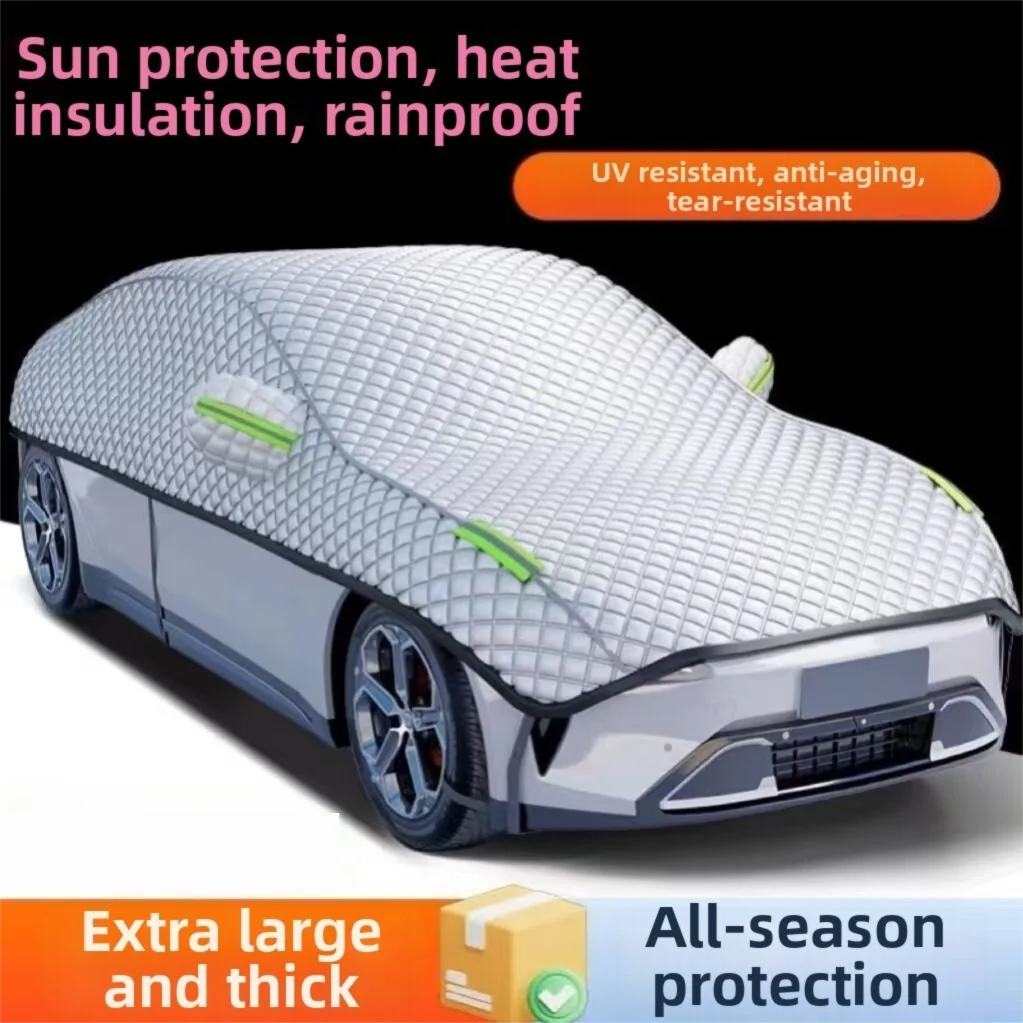
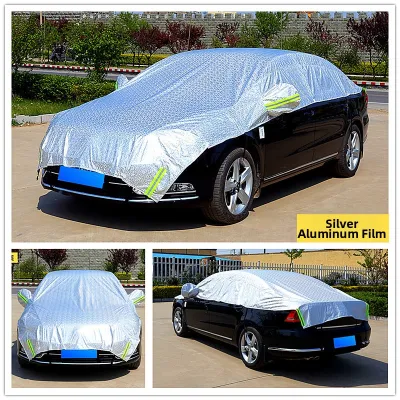
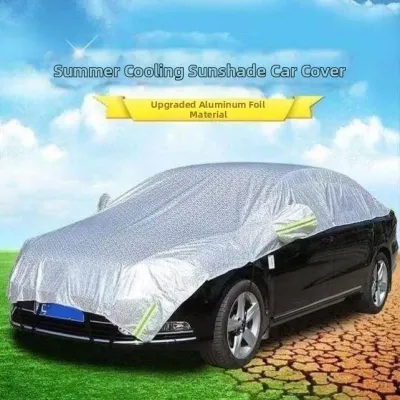
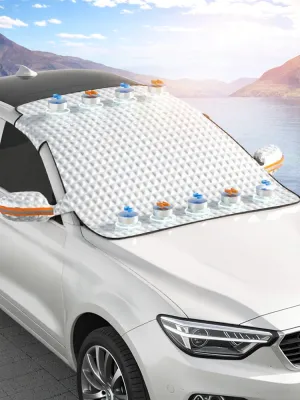
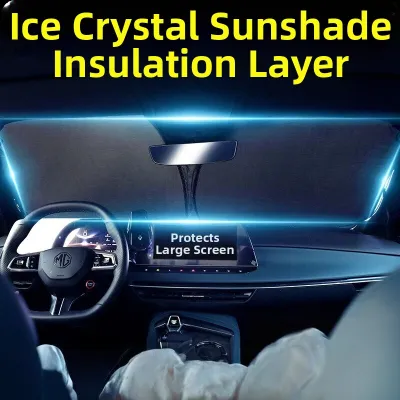
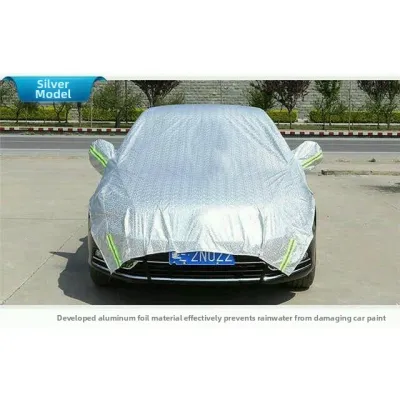
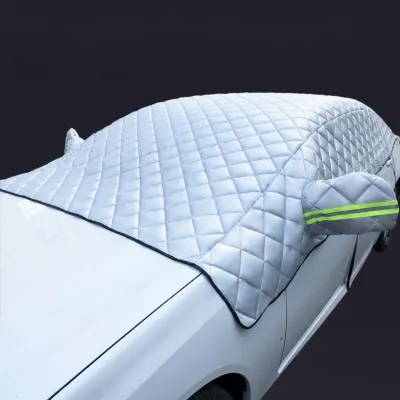
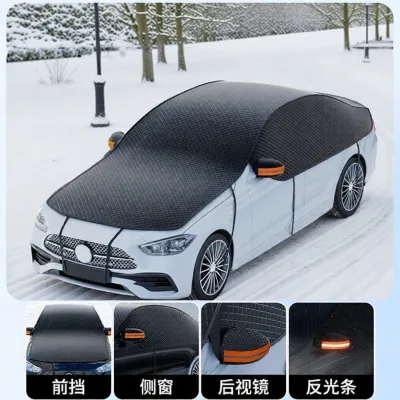
Prices are valid at publication and may change. Please refer to the product page for the latest price.
By covering the roof, windshield, side windows, and rear glass, a half cover directly protects the cabin from greenhouse heat buildup. This targeted coverage prevents the steering wheel and seats from becoming uncomfortably hot, reducing the load on your vehicle’s air conditioning system when you return. Additionally, these upper surfaces are the primary targets for falling debris, such as acidic bird droppings and sticky tree sap from roadside rain trees. Shielding these areas prevents chemical etching on your clear coat and keeps your glass clear of stubborn residues that can impair visibility.
However, it is important to recognize the inherent limitations of a half cover before making a purchase. Because the cover only shields the upper greenhouse portion of the vehicle, the lower body panels, doors, fenders, and wheels remain fully exposed to the elements. Road splash from passing vehicles, dirt kicked up by wind, and direct sunlight on the lower doors will still affect your car. If your primary goal is complete isolation from dust and moisture, a full cover may be necessary; however, for daily sun and rain protection on key surfaces, the half cover offers an optimal balance of utility and convenience.
Evaluating Waterproof and UV-Resistant Materials
When shopping for a half car cover, verifying the actual material composition is crucial to ensure it can withstand tropical weather. Many products claim to be “all-weather” or “fully waterproof,” but these terms are often used loosely. To find a cover that truly performs, look for multi-layered fabrics with clearly defined technical specifications. The outer layer should feature a highly reflective treatment, such as a silver polyurethane (PU) or aluminum coating, which actively bounces solar radiation away from the vehicle rather than absorbing it as heat.

Waterproofing requires a combination of water-resistant fabrics and smart construction details. Check the product specifications for a hydrostatic head rating or explicit mentions of water-repellent treatments like durable water repellent (DWR) coatings. Even the most waterproof fabric will fail if water can penetrate the stitching, so look for covers with double-stitched, heat-sealed, or taped seams. These construction methods prevent water from seeping through the needle holes during heavy tropical downpours, keeping the glass and roof dry underneath.
In Singapore’s high-humidity environment, breathability is just as important as water resistance. A completely sealed, non-breathable plastic cover will trap rising ground moisture and humidity underneath, creating a greenhouse effect over your paintwork. This trapped moisture can lead to paint blistering, clouding of the clear coat, and mold growth inside the cabin seals. Look for covers engineered with micro-porous membranes or integrated ventilation flaps that allow trapped air and moisture vapor to escape while preventing liquid water from entering from the outside.
Always verify that the manufacturer explicitly rates the materials for extended outdoor use in high-UV and high-temperature environments. Standard indoor dust covers or cheap single-layer polyester covers will quickly degrade, crack, and peel under intense sunlight. High-quality outdoor covers often utilize solution-dyed fabrics or UV-stabilized polymers that maintain their structural integrity and color over years of exposure.
Sizing, Fit, and Wind Security
A car cover can only protect your vehicle if it fits correctly and stays firmly in place. To select the right size, do not rely solely on generic size categories like “medium” or “sedan.” Instead, consult your vehicle’s manual or measure the roof length, windshield height, and rear deck length directly. The cover should drape snugly over the entire glass area and roof without hanging so low that it touches the hot exhaust pipe or sags loosely over the hood, which can catch the wind.
Wind security is vital for preventing both cover loss and paint damage. Singapore’s sudden squalls can generate strong gusts that easily lift unsecured fabric. Look for half covers equipped with robust fastening systems, such as heavy-duty elastic hems at the front and rear, adjustable nylon straps with quick-release buckles that secure under the chassis or through the wheels, and dedicated side-mirror pockets. Mirror pockets not only help anchor the cover in the correct position but also reduce the surface area vulnerable to wind lift.
The inner lining of the cover must be selected with extreme care to protect your vehicle’s clear coat. Look for covers featuring a soft, non-abrasive inner layer made of brushed cotton, fleece, or high-density microfiber. Avoid covers with rough, exposed seams or stiff plastic backings on the underside. When the wind blows, even a slightly loose cover will shift and rub against the paint; a soft lining ensures this movement does not result in fine scratches or swirl marks on your car’s finish.
To prevent wind-induced paint damage, the cover must be tensioned properly during installation. If the cover is allowed to flap violently in the wind, the constant friction can act like fine sandpaper, especially if there is any dust on the car’s surface. Ensure all adjustable straps are pulled taut and buckled securely. If your vehicle has a prominent external antenna, verify if the cover has a reinforced antenna patch or if you need to unscrew the antenna mast before fitting the cover to prevent tearing the fabric.
Care and Storage in High Humidity
Proper maintenance of your half car cover is essential to preserve its protective coatings and prevent the buildup of mold and mildew. Before folding and storing your cover, always take a moment to remove surface dust, leaves, and debris. If you fold dirt into the cover, those abrasive particles will end up on the soft inner lining, ready to scratch your paintwork the next time you install it. A quick shake or a gentle wipe with a damp microfiber cloth is usually sufficient for daily maintenance.
Never pack a wet or damp car cover into its storage bag, especially in Singapore’s warm, humid climate. Storing a wet cover in an enclosed space creates the perfect breeding ground for mold, mildew, and unpleasant odors, which can ruin both the fabric and its protective coatings. If you must remove the cover while it is wet, place it loosely in your trunk and hang it up to air-dry completely in a shaded, well-ventilated area as soon as you reach your destination.
When the cover requires a deeper clean, always follow the manufacturer’s specific washing and drying instructions. Most high-quality covers should be washed by hand while installed on the vehicle, using mild soap and lukewarm water, then rinsed thoroughly with a hose. Avoid using harsh household detergents, bleach, or fabric softeners, as these chemicals can strip away the water-repellent coatings and damage the UV-reflective layers. Machine washing and machine drying are generally not recommended unless explicitly authorized by the manufacturer, as the agitation and heat can delaminate the layers.
Regularly inspect your half car cover for signs of wear and tear that could compromise its performance. Check the inner lining for any peeling, flaking, or thinning of the soft material, and inspect the seams to ensure the waterproofing tape remains fully adhered. Elastic straps and plastic buckles can also degrade over time due to UV exposure and tension. Replacing worn straps or patching minor tears early will extend the useful life of your cover and ensure your vehicle remains fully protected against the elements.
Frequently Asked Questions (FAQ)
Is it safe to cover a wet car?
No, you should avoid placing a car cover over a wet or highly damp vehicle. Covering a wet car traps moisture between the paintwork and the cover’s inner lining, creating a high-humidity microclimate. Under the heat of the sun, this trapped water can cause osmotic blistering in the paint, clouding of the clear coat, and accelerated corrosion on any exposed metal parts. Always ensure your vehicle’s surface is completely dry and free of condensation before deploying the cover. If your car gets wet during a sudden shower, wipe it down with a clean microfiber towel or allow it to dry naturally in the sun before applying the cover.
Will the cover scratch my car's paint?
A car cover itself will not scratch your paint if it has a soft inner lining, but improper usage can easily cause micro-scratches and swirl marks. The primary cause of scratching is trapped dirt, dust, or road grit acting as an abrasive between the cover and the paintwork when the wind causes the fabric to shift. To prevent this, never install a cover on a dirty vehicle; even a thin layer of dust can cause damage under friction. Additionally, ensure the cover is fitted tightly using all available straps and buckles to minimize flapping and movement in the wind, and regularly clean the cover’s inner lining to keep it free of debris.

Community discussion
Share your experience or ask a question. Comments are reviewed before publication.