
Selecting the right car front cover for Singapore’s intense tropical climate requires a careful balance of robust waterproofing and high-level ultraviolet (UV) protection. The combination of sudden, torrential downpours and relentless equatorial sunshine can quickly degrade unprotected vehicles, particularly the dashboard, steering wheel, and front windshield area. To safeguard your vehicle effectively, you must look beyond generic marketing claims and focus on verifiable material specifications, secure fastening systems, and breathable designs that prevent moisture from becoming trapped against your car’s paintwork.
Understanding Singapore's Climate Challenges for Car Covers
Singapore’s geographical location near the equator exposes vehicles to some of the most intense solar radiation in the region. When a car is parked outdoors, UV rays penetrate the windshield, creating a greenhouse effect that rapidly raises cabin temperatures. This extreme heat and radiation cause dashboard materials to dry out, fade, and eventually crack, while also damaging front upholstery and steering wheel components.
In addition to intense sun, the region experiences sudden, heavy monsoon rains accompanied by high ambient humidity. When rainwater pools on a non-breathable cover, the subsequent heat causes the water to evaporate upward, trapping moisture underneath the fabric. This trapped condensation creates a high-humidity microclimate that promotes mold and mildew growth on the vehicle’s exterior surfaces and can even lead to paint blistering or clear coat damage.
Products mentioned in this guide
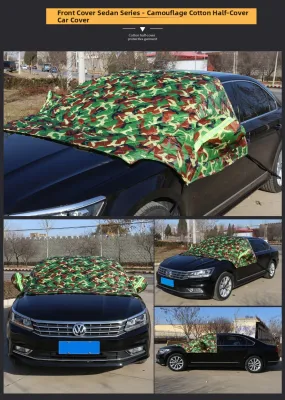
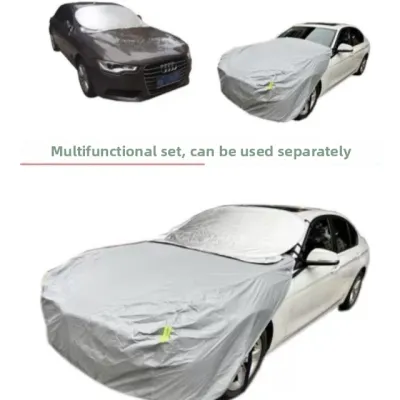
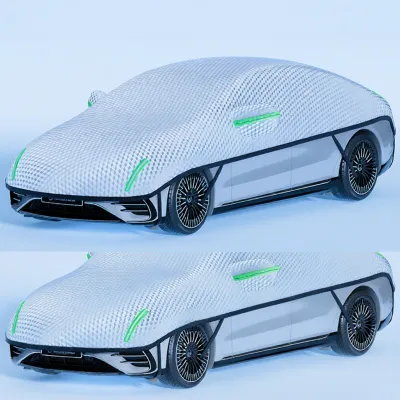
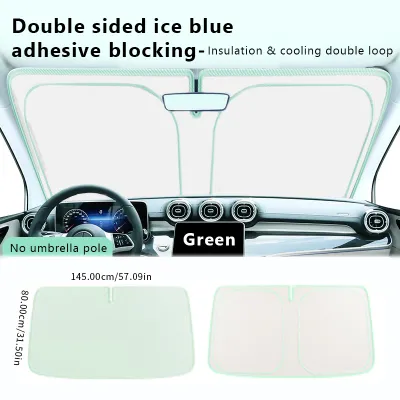
Prices are valid at publication and may change. Please refer to the product page for the latest price.
A front-only cover, which typically shields the hood, windshield, and front side windows, presents unique challenges compared to a full-body cover. Because it only covers a portion of the vehicle, it has open edges where wind can easily enter. Without precise edge sealing and robust wind resistance, strong gusts can lift the cover, causing it to flap violently, which can scratch the paintwork or blow the cover away entirely.
Key Material and Feature Specifications to Look For
To find a front cover that can withstand these harsh conditions, you must learn to read fabric composition labels rather than relying on vague terms like “all-weather” or “heavy-duty.” High-quality outdoor covers typically use synthetic polymers such as polyester, polyurethane (PU), or polyethylene (PE) blends. These materials are inherently more resistant to water absorption and UV degradation than natural fibers or cheap single-layer plastics.

A reliable front cover should feature a multi-layer construction where each layer serves a distinct protective purpose. A typical high-performance design includes a reflective outer layer to deflect sunlight, a middle waterproof yet breathable membrane to block rain while letting moisture escape, and a soft inner lining to protect the vehicle’s surfaces. This layered approach ensures comprehensive protection without compromising the integrity of your car’s exterior.
The outer layer should ideally feature a highly reflective finish, such as an aluminum or silver-coated treatment, which actively bounces solar radiation away from the vehicle. Beneath this, the inner lining must be made of a soft, non-abrasive material like spunlace cotton or soft fleece. This soft backing acts as a barrier, preventing the rougher outer protective materials from rubbing against your windshield glass and delicate clear coat.
Waterproofing and Moisture Resistance
When evaluating a cover’s ability to handle heavy tropical downpours, look for specific waterproofing metrics such as hydrostatic head ratings. A hydrostatic head rating, measured in millimeters, indicates the amount of water pressure a fabric can withstand before water starts to penetrate. For outdoor use in areas prone to heavy monsoons, a rating of at least 1,500mm to 2,000mm is generally recommended to ensure reliable water resistance.
Even the most waterproof fabric will fail if the seams are poorly constructed. Water easily penetrates standard needle holes, so you should verify that the cover features seam sealing tape or welded stitching. Welded seams use heat or radio frequency technology to fuse the fabric panels together, creating a completely seamless, watertight barrier that prevents water ingress during prolonged, heavy downpours.
Equally important is the cover’s ability to breathe. A completely sealed, non-breathable cover will trap rising ground moisture and engine heat, leading to condensation buildup on your windshield and hood. Look for covers equipped with built-in air vents or those made from microporous membranes. These features allow water vapor to escape from underneath the cover while preventing liquid water from entering from the outside.
UV Protection and Heat Reflection
Effective sun protection relies on materials that deflect sunlight rather than absorbing it. Dark-colored or non-reflective covers absorb solar energy, transferring heat directly onto your car’s hood and windshield, which defeats the purpose of cabin cooling. Look for silver-coated polyester or aluminum-foil composite outer layers, which reflect a significant portion of visible light and infrared radiation.
To ensure long-term durability against sun damage, check the manufacturer’s specifications for UV-stabilizer treatments or Ultraviolet Protection Factor (UPF) ratings. Fabrics treated with UV inhibitors resist breaking down, yellowing, or becoming brittle under constant sun exposure. A high UPF rating, such as UPF 50+, indicates that the fabric blocks a vast majority of harmful UV radiation, protecting both the cover itself and your car’s interior.
It is helpful to understand the distinction between UV blocking and heat reflection. UV blocking protects materials like your dashboard, leather seats, and plastic trim from fading, cracking, and chemical degradation. Heat reflection, on the other hand, focuses on deflecting infrared rays to keep the cabin temperature manageable, reducing the strain on your car’s air conditioning system when you return to the vehicle.
Evaluating Fit, Security, and Usability
A front cover must fit your vehicle precisely to provide effective protection and remain secure. Before purchasing, measure your vehicle’s windshield width, height, and hood length. Compare these measurements against the product’s sizing chart rather than relying solely on generic size categories like “medium” or “SUV.” Ensure there is adequate overlap around the A-pillars and the front edge of the hood to prevent wind from getting underneath.
When checking the fit, consult your vehicle’s manual regarding any front-facing sensors, cameras, or radar units used for advanced driver assistance systems (ADAS). Some manufacturers advise against covering these areas for extended periods if it might cause calibration issues, or they may specify how to safely position covers around them. Ensure the cover does not require any modifications to your car’s original structure or trim for installation.
Secure attachment mechanisms are critical for preventing the cover from blowing away during sudden squalls. Look for covers that feature dedicated side-mirror pockets, which act as natural anchor points. Additionally, adjustable straps with heavy-duty plastic buckles that pass under the front bumper or attach securely to the front wheels provide essential wind resistance. Elasticized hems along the bottom edges help create a snug, custom-like fit around the contours of your car’s front end.
Consider the practical aspects of daily use, such as foldability and storage weight. A cover that is too heavy or difficult to fold will likely end up unused in your trunk. Lightweight, high-density fabrics offer the best balance of durability and ease of handling. Many quality front covers come with a dedicated, ventilated storage bag, which is essential for packing the cover away neatly when it is not in use.
Maintenance and Care in a Tropical Environment
To maintain the protective qualities of your front cover and extend its lifespan, establish a routine cleaning schedule. Dust, bird droppings, tree sap, and industrial fallout can accumulate on the outer surface, degrading the reflective and waterproof coatings over time. Refer to the manufacturer’s care label for specific cleaning instructions; most outdoor covers should be washed by hand using a soft brush, clean water, and mild, authorized automotive soaps.
Avoid using harsh household detergents, bleach, or high-pressure washers, as these can strip away water-repellent coatings and damage welded seams. After cleaning, or after a heavy rainstorm, ensure the cover is completely dry before folding and storing it. Hanging the cover in a shaded, well-ventilated area allows moisture to evaporate fully, preventing the growth of mildew and unpleasant odors.
Regularly inspect your front cover for signs of material degradation. Over time, constant exposure to intense sun and rain will wear down even the highest-quality materials. Look for peeling or flaking on the reflective outer layer, thinning fabric, or areas where water no longer beads up but instead soaks directly into the material. If you notice these signs, or if the inner lining becomes rough and stiff, it is time to replace the cover to avoid scratching your vehicle’s paintwork.
Building Your Shortlist: A Decision Checklist
When comparing different front car covers, use a structured decision checklist to evaluate each option against Singapore’s demanding weather conditions. Begin by verifying the material composition and ensuring it features a multi-layer design with a reflective outer coating and a soft inner lining. Next, check for specific waterproofing features, such as welded seams and a hydrostatic head rating, alongside built-in ventilation to prevent condensation.
Review the attachment systems to ensure they are robust enough to handle strong winds. Look for a combination of elastic hems, mirror pockets, and adjustable straps that secure the cover without scratching your wheels or paint. Additionally, check the manufacturer’s warranty terms; a warranty that specifically covers UV degradation, seam failure, or material fading indicates the manufacturer’s confidence in the product’s outdoor durability.
Finally, cross-check the cover’s dimensions with your vehicle’s specifications to ensure a snug fit. Always prioritize covers that can be installed easily without modifying any part of your vehicle. By systematically verifying these details, you can select a front car cover that provides reliable, long-lasting protection against both intense equatorial sun and heavy tropical downpours.
Frequently Asked Questions (FAQ)
Will a front car cover scratch my windshield or paint?
A front car cover can scratch your windshield or paint if dust and grit become trapped between the cover and the vehicle’s surface. To prevent this, always ensure both your car and the cover’s inner lining are clean before installation. Choosing a cover with a soft, non-abrasive inner lining, such as spunlace cotton or fleece, significantly reduces the risk of micro-scratches during handling and windy conditions.
Can I use an indoor car cover outside for short periods?
Using an indoor car cover outdoors is not recommended, even for short periods. Indoor covers are typically made from breathable, single-layer fabrics that lack UV-stabilizing treatments and waterproof coatings. Under Singapore’s intense sun, these materials will degrade rapidly, while sudden rain will quickly saturate the fabric, trapping moisture directly against your car’s paintwork and increasing the risk of mold and paint damage.

Community discussion
Share your experience or ask a question. Comments are reviewed before publication.