
Quick Answer: Core Requirements for Tropical Weather
To protect your vehicle from Singapore’s intense equatorial sun and sudden, heavy downpours, a car cover must balance two opposing forces: keeping external water out while letting internal moisture escape. A basic plastic sheet or a simple water-resistant cover will not suffice in this tropical climate.
The ideal car cover for these conditions requires a multi-layer construction featuring a highly reflective, UV-treated outer layer, a dedicated waterproof middle membrane, and a soft, non-abrasive inner lining. Crucially, the cover must also be highly breathable, utilizing micro-porous materials or integrated ventilation flaps to prevent trapped humidity from damaging your paintwork.
Evaluating Waterproofing and Rain Protection
When selecting a car cover to withstand torrential tropical downpours, understanding the difference between water-resistant and waterproof materials is critical. Water-resistant covers are typically treated with a temporary surface spray that repels light moisture but quickly saturates during heavy rain. For reliable protection, look for multi-layer fabrics that incorporate a dedicated, physical waterproof membrane layer.
Products mentioned in this guide
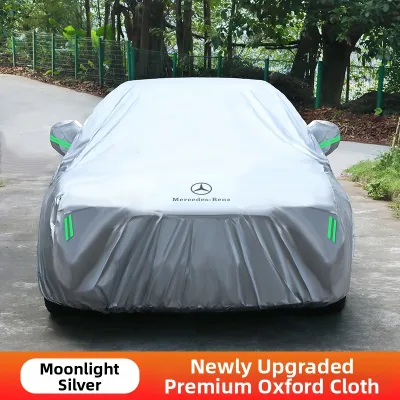

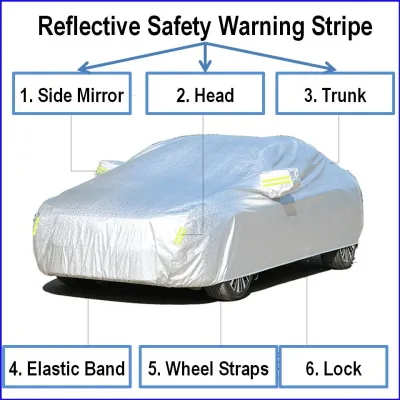
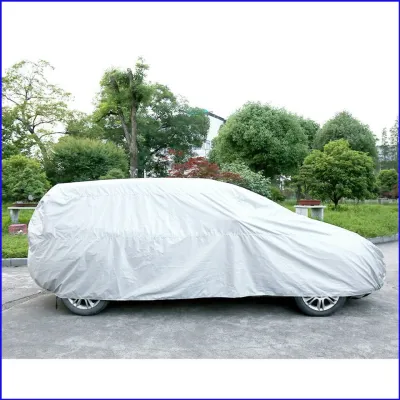
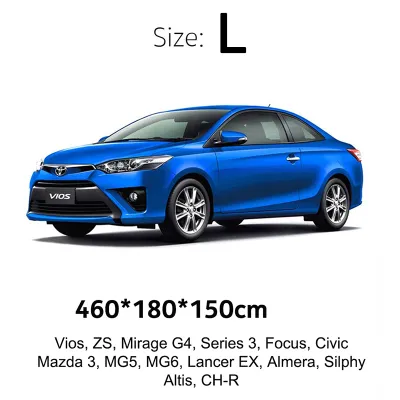
![[24 hours delivery] Upgraded and thickened universal car cover size:M/L/XL/XXL/3XL car cover outdoor protection sunscreen car cover waterproof car shade car cover sun protection car cover outdoor sunscreen](https://img.lazcdn.com/g/p/808f8e56d0f1744f116eabe475a3a1ff.jpg_400x400q80.jpg_.webp)
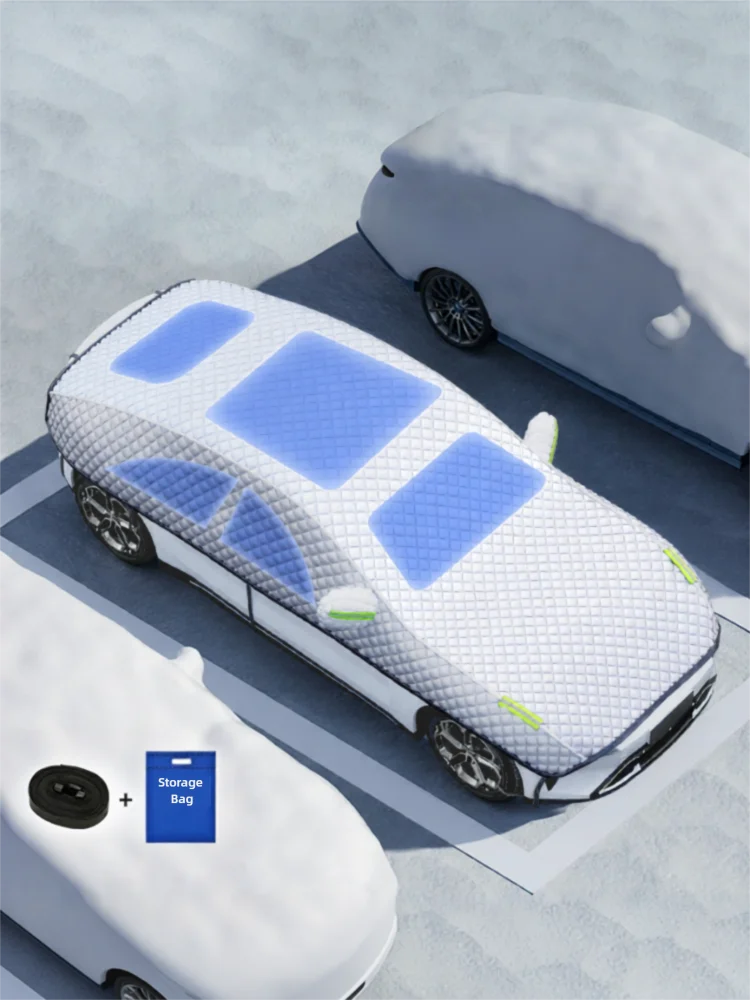
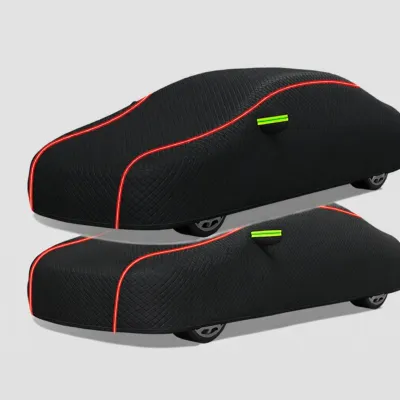
Prices are valid at publication and may change. Please refer to the product page for the latest price.

The construction of the seams is just as important as the fabric itself. Standard stitched seams contain thousands of tiny needle holes that allow water to seep through under pressure. High-quality waterproof covers feature heat-sealed or taped seams, which physically block water ingress along the joints.
To verify these claims, inspect the manufacturer’s product label or specifications for hydrostatic head ratings. This rating measures the water pressure a fabric can withstand before leaking, providing a standardized way to evaluate true waterproof performance.
You can also observe the cover’s water-beading capability during initial use. While water beading indicates a functional outer water-repellent treatment, remember that this surface coating can degrade over time due to UV exposure, making the underlying waterproof membrane your primary line of defense.
UV Resistance and Heat Management
Singapore’s intense sunlight can accelerate paint oxidation, fade interior upholstery, and degrade dashboard materials. To combat this, a car cover must feature a highly reflective outer layer. Materials coated with aluminum or silver-toned finishes are particularly effective at deflecting direct solar radiation away from the vehicle.
Beyond simple reflection, verify that the fabric has been treated with specific UV inhibitors. These chemical stabilizers are integrated into the material during manufacturing to prevent the cover itself from becoming brittle, cracking, and disintegrating under constant sun exposure.
The color of the cover also plays a significant role in temperature control. Darker colors absorb heat, transferring high temperatures directly to the vehicle’s bodywork and cabin. Lighter shades, such as silver, white, or light grey, reflect a broader spectrum of light and help keep the vehicle significantly cooler.
As temperatures rise and fall, the metal panels of your vehicle expand and contract. This movement, combined with any slight shifting of the cover, can cause friction. A soft inner lining, such as fleece or brushed cotton, is essential to cushion the paintwork and prevent micro-scratches during these thermal cycles.
Breathability and Condensation Control
While keeping rain out is vital, trapping moisture underneath a car cover can cause severe damage. In high-humidity environments, moisture constantly evaporates from the ground and rises into the vehicle’s undercarriage. If a cover is completely waterproof but lacks breathability, this moisture becomes trapped against the paint.
High-performance covers solve this problem by using semi-permeable membranes. These advanced materials feature microscopic pores that are small enough to block liquid water droplets from entering, yet large enough to allow water vapor molecules to escape freely.
In addition to breathable fabrics, look for covers equipped with strategically placed ventilation flaps. These vents are typically shielded by overhanging fabric to prevent rain from entering while allowing continuous air circulation underneath the cover.
Trapped condensation creates a warm, damp greenhouse effect that promotes rapid mold and mildew growth on both the exterior trim and the interior cabin surfaces. Over time, prolonged exposure to trapped moisture can also cause the clear coat of your paint to blister or develop permanent cloudy patches.
For these reasons, avoid using cheap, non-breathable materials like standard plastic tarps or heavy canvas sheets. These materials offer no vapor transmission, virtually guaranteeing moisture buildup and subsequent paint damage in tropical climates.
Fit, Security, and Wind Resistance
A car cover can only protect your vehicle if it remains securely in place during sudden wind gusts and heavy storms. Universal-fit covers are often loose and baggy, creating excess fabric that acts like a sail in high winds. This constant flapping can rub against the paintwork and cause severe abrasion.
Choosing a custom-fit or semi-custom cover ensures the material hugs the contours of your specific vehicle model. A snug fit minimizes wind movement, reduces the risk of the cover blowing off, and ensures all protective layers remain aligned with the vehicle’s surfaces.
To secure the cover against strong winds, look for robust fastening systems. Essential features include heavy-duty elasticized hems at the front and rear, adjustable under-body tie-down straps, and reinforced grommets that allow you to lock or tie the cover down securely.
Even with a secure fit, the inner lining must be exceptionally soft and clean. Any dirt or grit trapped between a moving cover and the vehicle’s paint acts like sandpaper. Ensure the lining is made of non-abrasive materials and that both the car and the cover are clean before installation.
Additionally, verify that the cover includes dedicated mirror pockets and accommodates your vehicle’s antenna style. These molded pockets help anchor the cover in place, reduce wind resistance, and prevent the fabric from stretching or tearing at high-stress points.
Maintenance and Care for Longevity
Proper maintenance is essential to preserve the waterproof and UV-resistant properties of your car cover over time. Always refer to the manufacturer’s specific care instructions before cleaning. Generally, manufacturers recommend gentle hand washing while the cover is installed on a clean vehicle, or using specialized large-capacity washing machines on mild cycles.
Never use harsh household detergents, bleach, or fabric softeners to clean the cover. These chemicals can strip away the outer water-repellent coatings, degrade the UV inhibitors, and damage the delicate inner lining. Instead, use mild, pH-neutral soaps designed specifically for outdoor fabrics.
Before folding and storing the cover, ensure it is completely dry. Storing a damp cover in a trunk or storage bag encourages the growth of mold and mildew, which can ruin the fabric and create unpleasant odors. Hang the cover in a shaded, well-ventilated area to dry thoroughly.
Finally, perform periodic inspections of the cover’s condition. Look for signs of thinning fabric, peeling coatings, or separating seams. Replacing a worn cover before it fails completely ensures your vehicle remains continuously protected from the elements.
Frequently Asked Questions (FAQ)
Can I use an indoor car cover outdoors in an emergency?
No, you should avoid using an indoor car cover outdoors, even for short periods. Indoor covers are designed solely to protect against dust and minor indoor scuffs; they lack the waterproof membranes and UV-inhibitor treatments required for outdoor use. If exposed to rain, indoor fabrics will absorb water, becoming heavy and trapping moisture directly against your vehicle’s paint, which can lead to rapid paint damage and mold growth.
How often should I remove the cover to check the car?
It is highly recommended to remove the cover at least once a week to inspect your vehicle. Regular checks allow you to identify any trapped moisture, condensation, or debris that may have accumulated. It also helps you spot potential pest activity, such as insects or rodents seeking shelter, and allows you to wipe down any dust on the vehicle’s surface before it can cause friction scratches.
Will a car cover scratch my paint if it gets windy?
A car cover itself will not scratch your paint, but dirt and loose fitment will. If the vehicle’s surface or the cover’s inner lining is dirty, wind-induced movement will rub those abrasive particles against the clear coat, causing micro-scratches. To prevent this, always wash your car before putting the cover on, ensure the cover’s lining is clean, and choose a snug, properly secured fit to minimize flapping.
Community discussion
Share your experience or ask a question. Comments are reviewed before publication.