
Protecting a Mercedes-Benz from the intense tropical climate of Singapore requires a strategic approach to selecting an exterior car cover. The combination of extreme ultraviolet (UV) radiation, high relative humidity, and sudden, heavy monsoon downpours presents a unique set of challenges for vehicle paintwork, rubber seals, and exterior trim. A poorly chosen cover can trap moisture against the clear coat, accelerate paint blistering, or cause abrasive micro-scratches during windy conditions. Conversely, a high-quality, well-matched cover preserves the vehicle’s aesthetic appeal and long-term resale value.
To make an informed decision, owners must evaluate their specific parking conditions, understand material specifications, and verify fitment compatibility before purchasing. This guide outlines the essential factors to consider when selecting a waterproof and sunproof cover tailored to the unique dimensions and requirements of various Mercedes-Benz models.
Assessing Your Parking Environment and Mercedes Specifications
The primary environmental threats to your vehicle’s exterior depend heavily on where it is parked. In Singapore, vehicles parked in open-air locations, such as landed property driveways or uncovered Housing & Development Board (HDB) carpark decks, face continuous exposure to intense sunlight and heavy rain. For these environments, a heavy-duty cover with robust UV-blocking capabilities and high water resistance is essential to prevent paint oxidation, headlight yellowing, and interior leather degradation.
Products mentioned in this guide
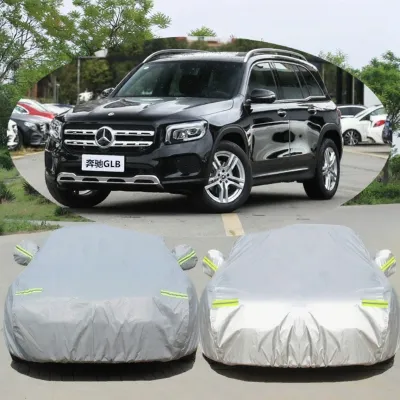
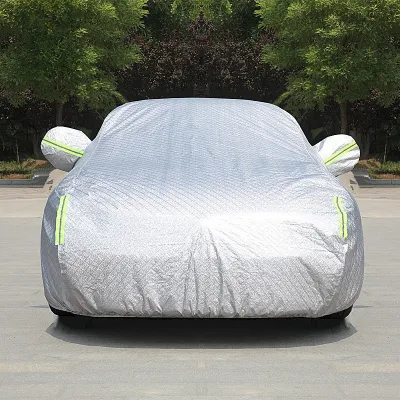
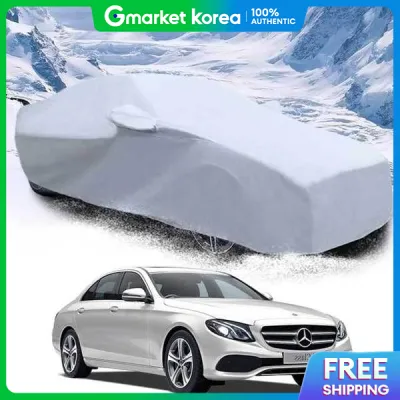
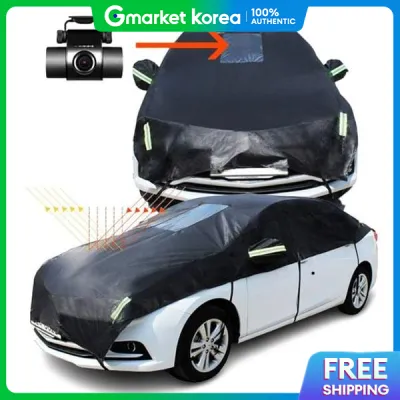
Prices are valid at publication and may change. Please refer to the product page for the latest price.
Conversely, vehicles parked in sheltered locations, such as multi-storey carparks (MSCP) or condominium basement lots, require a different protection profile. In these indoor or semi-sheltered spaces, the primary concerns are airborne dust, concrete drippings, accidental door dings, and scratches from passersby. An indoor cover focuses on breathability and a soft inner lining rather than heavy waterproofing, which is unnecessary and can unnecessarily trap ambient humidity in enclosed spaces.
Vehicle-specific features also play a critical role in determining the correct cover fit. Mercedes-Benz models feature diverse body shapes, from compact hatchbacks to long-wheelbase luxury sedans and tall sports utility vehicles (SUVs). Furthermore, specific design elements can alter the vehicle’s physical silhouette. For instance, AMG Line body kits, aftermarket spoilers, panoramic glass roofs, hood-mounted star ornaments, and shark-fin antennas all affect how a cover drapes over the bodywork. A cover that is too tight over these protrusions can put excessive pressure on delicate components, while a cover that is too loose will sag and collect water.
Finally, consider your usage frequency. If you use your Mercedes-Benz for a daily commute, a heavy, multi-layered cover may prove too cumbersome to install and remove twice a day, leading to inconsistent use. For daily drivers, a lightweight yet durable three-layer cover offers a practical balance between protection and convenience. For vehicles placed in long-term storage, a heavier, highly secure five-layer cover is more appropriate, as the effort required for installation is a secondary concern.
Evaluating Material Specifications for Tropical Climates
When reading product labels and manufacturer specifications, understanding fabric technology is crucial for selecting a cover that can withstand Singapore’s tropical climate. The most effective outdoor covers utilize a multi-layer construction. A typical high-performance cover features an outer protective layer, a middle breathable membrane, and a soft inner lining. This multi-layer approach ensures that the cover remains durable while performing multiple protective functions simultaneously.

Water resistance must always be balanced with breathability. In high-humidity environments, moisture can easily accumulate under a car cover due to ground evaporation or temperature fluctuations. If the cover is completely impermeable but lacks breathability, this trapped moisture cannot escape, creating a greenhouse effect that can damage the vehicle’s clear coat, promote rust on exposed metal, and encourage mold growth inside the cabin. Look for covers utilizing thermoplastic polyurethane (TPU) or microporous membranes that block liquid water from entering while allowing water vapor to escape freely.
To combat intense solar radiation, the outer layer of the cover should feature UV-resistant treatments or reflective materials. Covers with an aluminum or silver-coated polyester outer layer are highly effective at reflecting sunlight away from the vehicle. This reflective barrier not only protects the paintwork and rubber window seals from UV degradation but also significantly reduces the heat buildup inside the vehicle’s cabin, protecting sensitive electronic displays and leather upholstery from thermal damage.
Additionally, the quality of the inner lining is paramount to preventing paint damage. The underside of the cover must feature a soft, non-abrasive material, such as spunbond polypropylene, high-density cotton fleece, or microfiber. When wind moves the cover against the vehicle’s bodywork, a rough backing can act like fine sandpaper, creating micro-scratches and swirl marks on the clear coat. Ensuring the inner lining is exceptionally soft minimizes this friction and keeps the paint polished.
Ensuring a Secure and Tailored Fit
Choosing between a custom-fit cover and a universal or semi-custom option is a pivotal decision. Custom-fit covers are patterned specifically for individual Mercedes-Benz chassis codes, such as a W205 C-Class, a W213 E-Class, or a W223 S-Class. These covers conform precisely to the contours of the vehicle, minimizing excess fabric. Universal covers, which are sized broadly by vehicle length, are more economical but often leave loose pockets of fabric that can catch the wind, creating a sail effect that can pull the cover off or cause severe paint chafing.
To ensure the cover remains secure and functional, look for specific design elements that aid in alignment and stability. Dedicated mirror pockets are essential, as they anchor the cover in place during installation and prevent it from shifting. Elasticized hems at the front and rear of the cover help it hug the underside of the bumpers, providing a snug fit that resists wind intrusion. Some covers also feature dedicated antenna patches or pockets to accommodate roof-mounted fins without bending them.
Singapore’s monsoon seasons bring sudden, strong winds and heavy downpours, making secure tie-down mechanisms indispensable. A reliable cover should feature heavy-duty straps with windproof buckles that pass underneath the vehicle’s chassis, securing the cover from side to side. Reinforced grommets located at the center of the cover allow for the installation of a cable lock, which not only prevents the cover from blowing away during severe squalls but also acts as a theft deterrent.
Building Your Purchasing and Verification Checklist
Before purchasing a car cover from an online marketplace or a local automotive accessory retailer, establish a systematic verification process to ensure the product meets your expectations. Do not rely solely on generic marketing terms like “heavy-duty” or “all-weather.” Instead, look for technical specifications and independent material standards. For example, check if the manufacturer provides hydrostatic head ratings to quantify water resistance or UPF ratings to verify UV protection levels.
When evaluating retail options, carefully review the warranty terms, return policies, and customer support channels. A reputable manufacturer or retailer should offer a clear warranty period covering material defects, such as premature cracking, peeling, or strap failure. Furthermore, ensure the return policy allows you to test the fit of the cover on your specific Mercedes-Benz model and return or exchange it if the dimensions do not align perfectly with your vehicle’s body styling.
Be cautious of common marketing traps, particularly unverified claims of absolute waterproofing. Any product advertised as “100% waterproof” that does not feature built-in ventilation flaps or a breathable membrane layer should be avoided. Without these ventilation features, the cover will inevitably trap condensation, leading to moisture-related damage. A high-quality cover will always emphasize a balance between water shedding and vapor transmission.
Proper Installation, Maintenance, and Storage
To maximize the lifespan of your car cover and protect your Mercedes-Benz, proper usage habits are essential. Before applying the cover, always perform a pre-installation check to ensure the vehicle’s exterior is completely clean and dry. Covering a car that has a layer of road dust, grit, or moisture on the paintwork is highly damaging. As the wind moves the cover, it will grind those dirt particles directly into the clear coat, causing widespread scratching.
Maintaining the cover itself is also necessary to preserve its protective qualities. Over time, environmental fallout, bird droppings, and tree sap will accumulate on the outer surface, while dust can settle on the inner lining. Clean the cover according to the manufacturer’s care label. Generally, this involves hosing down the cover while it is installed on the vehicle, using a soft sponge and mild, pH-neutral automotive shampoo. Avoid harsh household detergents or machine washing, as these can strip the water-repellent coatings and damage the breathable membranes.
Proper folding and storage techniques prevent material degradation and keep the inner lining clean. When removing the cover, fold the side panels up onto the roof first, keeping the dirty outer surface from contacting the clean inner lining. Then, roll or fold the cover systematically from the front bumper to the rear. Never pack a wet or damp cover into its storage bag, as this will quickly lead to mildew growth and unpleasant odors. Always allow the cover to dry completely in a shaded, well-ventilated area before storing it.
Frequently Asked Questions (FAQ)
Can I use an indoor car cover for outdoor parking in an emergency?
Using an indoor car cover for outdoor parking is not recommended, even in an emergency. Indoor covers are typically made from lightweight, single-layer woven fabrics or flannel, which lack UV-resistant coatings and water-repellent barriers. If exposed to rain, an indoor cover will quickly saturate, holding water directly against your vehicle’s paintwork. Additionally, the lack of UV protection means the fabric will degrade rapidly under direct sunlight, and the cover will not protect your vehicle’s interior from heat buildup.
Will a car cover scratch my Mercedes if it is windy?
A car cover can scratch your vehicle’s paintwork during windy conditions if the vehicle is dirty, if the cover is loose, or if the inner lining is abrasive. To prevent wind-induced scratches, always ensure the car is washed and dried before covering it. Choose a custom-fit cover that minimizes loose fabric, and secure all wind straps tightly to prevent the cover from flapping or shifting. Regularly inspect the inner lining of the cover to ensure it remains clean and free of trapped debris.
How do I handle a wet car cover after a rainstorm?
After a rainstorm, do not leave a wet cover on the vehicle indefinitely once the sun comes out, as the heat will cause the trapped moisture to evaporate and condense against the paintwork. Remove the cover and hang it to dry completely in a shaded, well-ventilated area. Avoid folding or storing the cover while it is damp, as this promotes the growth of mold and mildew, which can ruin the fabric and transfer unpleasant odors and spores to your vehicle upon next use.

Community discussion
Share your experience or ask a question. Comments are reviewed before publication.