
To find wheel covers that are compatible with your car’s tire pressure monitoring system (TPMS), you must select designs that provide adequate physical clearance for the valve stem and do not apply lateral pressure to the sensor assembly. Compatibility depends entirely on whether your vehicle uses a direct TPMS with physical sensors inside the wheel or an indirect system that calculates pressure via wheel speed. For vehicles with direct TPMS, a compatible wheel cover must feature a dedicated, properly aligned valve stem cutout that prevents the cover from contacting, bending, or shearing the valve stem during installation and daily driving.
Understanding Your TPMS Type and Clearance Needs
Before purchasing any aftermarket wheel covers, it is essential to identify the specific type of tire pressure monitoring system installed in your vehicle. Modern passenger cars generally utilize one of two systems: direct TPMS or indirect TPMS. The distinction between these two technologies is critical because it dictates whether your wheel covers pose a physical threat to your tire monitoring hardware.
Direct TPMS relies on physical pressure sensors mounted inside each wheel assembly. These sensors are typically integrated directly with the valve stem, which protrudes through the wheel rim to allow for inflation. Because the sensor, transmitter, and battery are physically attached to the base of the valve stem inside the tire, any external force applied to the valve stem is transmitted directly to the sensitive electronic sensor body. Direct TPMS systems use either rigid metal (aluminum) valve stems secured with a hex nut or flexible rubber snap-in valve stems. Metal stems are completely rigid; any lateral impact or pressure from an ill-fitting wheel cover can easily crack the stem or damage the internal sensor housing. Rubber TPMS stems offer some flexibility, but excessive bending can cause slow air leaks around the rim seal or tear the rubber casing over time.
Products mentioned in this guide
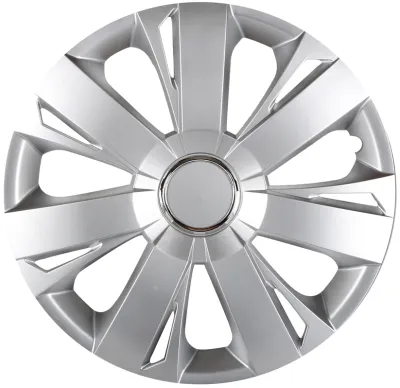

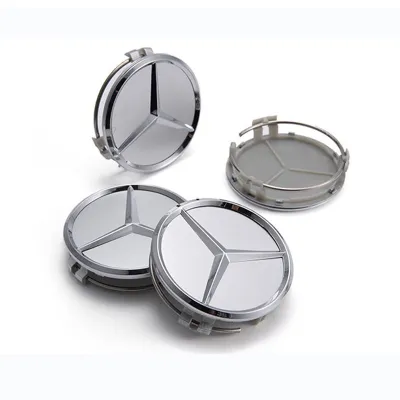
Prices are valid at publication and may change. Please refer to the product page for the latest price.
Indirect TPMS, on the other hand, does not use physical sensors inside the wheel. Instead, it utilizes the vehicle’s anti-lock braking system (ABS) wheel speed sensors to monitor the rotational speed of each wheel. An under-inflated tire has a slightly smaller diameter and rotates at a different speed than a properly inflated one, triggering the dashboard warning. Because indirect systems do not have physical sensors or specialized valve stems, they use standard, inexpensive rubber valve stems. If your vehicle uses an indirect TPMS, you do not need to worry about physical sensor damage, though you must still ensure the wheel cover does not pinch or crimp the standard valve stem.
The primary risk with direct TPMS is physical contact between the wheel cover and the valve stem assembly. During installation, a wheel cover that lacks a proper cutout can force the valve stem to bend sideways. While driving, centrifugal forces, tire flexing, and road vibrations cause the wheel cover to experience subtle movements. If the cover is not securely anchored, it can shift or rotate slightly on the steel wheel. This shifting action can cause the edge of the wheel cover’s cutout to rub continuously against the valve stem, eventually shearing the stem or cracking the sensor body inside the wheel. Understanding these physical dynamics is the first step in protecting your vehicle’s tire monitoring system.
Key Design Features of TPMS-Friendly Wheel Covers
When shopping for aftermarket wheel covers, you must evaluate specific structural and material design elements to ensure they will not interfere with your TPMS sensors. Not all wheel covers are engineered with direct TPMS clearance in mind, so looking for key design features can help you identify safe options.

One of the most important factors is the profile depth of the wheel cover. Wheel covers generally fall into two categories: deep-dish designs and flat-profile designs. Deep-dish covers curve outward from the wheel face to mimic the look of deep aftermarket rims. While aesthetically appealing, deep-dish designs can position the face of the cover significantly further away from the actual steel wheel rim. This extra distance means a standard-length TPMS valve stem may end up recessed deep inside the cover’s opening. If the stem is recessed too deeply, accessing it with a pressure gauge or air chuck becomes difficult, often tempting drivers to pull or bend the stem forward, which can damage the internal sensor. Conversely, flat-profile covers sit flush against the steel wheel, allowing the valve stem to protrude naturally, but they require careful measurement to ensure the back of the cover does not press against the base of the stem.
To accommodate valve stems safely, TPMS-friendly wheel covers feature specialized cutouts or notches. A standard wheel cover might have a simple, small circular hole that barely fits a standard valve stem. A TPMS-compatible cover, however, typically features a wide, elongated, or U-shaped notch. This larger opening provides a generous buffer zone around the valve stem, ensuring that even if the cover shifts slightly during hard braking or cornering, the plastic edge will not make contact with the stem. Some advanced designs incorporate flexible rubber or soft plastic grommets around the cutout to cushion any accidental contact, preventing hard plastic from scraping against metal or rubber stems.
The retention mechanism of the wheel cover is equally critical for TPMS safety. Most snap-on wheel covers are held in place by a circular steel expansion ring that fits into plastic clips on the back of the cover. The design of this retention ring must include a pre-bent loop or “U-bend” that aligns perfectly with the valve stem cutout. This bend ensures that the steel wire passes behind the valve stem without touching it. If the retention ring is straight or poorly designed, the steel wire itself can press directly against the back of the TPMS valve stem, causing constant pressure and eventual failure. Additionally, high-quality retention systems prevent the cover from rotating on the wheel face, eliminating the risk of the cover’s plastic edges sliding into the valve stem during driving.
How to Verify Wheel Cover Compatibility Before Purchase
To avoid the hassle of purchasing incompatible accessories, you should perform a series of practical checks and measurements before making a purchase. Taking a systematic approach ensures that the wheel covers you choose will fit your specific vehicle configuration without risking damage to your TPMS.
First, consult your vehicle’s owner’s manual and the tire placard located on the driver’s side door pillar. Some vehicle manufacturers include specific warnings regarding the use of aftermarket wheel covers, particularly if the vehicle is equipped with sensitive OEM direct TPMS sensors. The manual may specify the maximum allowable thickness of the wheel cover or outline restrictions on snap-on accessories. If your vehicle has original steel wheels, checking the manufacturer’s guidelines will help you understand if there are any unique clearance constraints.
Next, measure the physical dimensions of your existing TPMS valve stem. Using a standard ruler or a vernier caliper, measure the protrusion length of the stem from the surface of the steel wheel rim to the tip of the valve cap. Also, observe the angle at which the stem exits the rim. Some TPMS stems exit at a slight angle rather than straight out. When browsing wheel covers, compare your measurements with the product specifications. Ensure that the depth of the wheel cover’s valve stem cutout is sufficient to accommodate your stem’s length without forcing it to bend or restricting access to the valve cap.
Always cross-reference the wheel cover manufacturer’s fitment guide with your exact vehicle details. This includes the make, model, year, and the precise size of your wheels (such as 15-inch or 16-inch steel wheels). Do not assume that a cover will fit simply because it matches your tire’s diameter; different car models have varying wheel face profiles and valve stem placements. If you have replaced your original steel wheels with aftermarket steel wheels, the valve stem hole position may differ from the factory setup. In such cases, standard fitment guides may not be fully accurate, and you should contact the wheel cover manufacturer or retailer directly to verify compatibility.
If you are purchasing from a local automotive accessory retailer, ask if you can perform a test fitment of a single cover before buying the entire set. A physical test fit allows you to visually inspect the clearance around the valve stem and ensure the retention ring does not interfere with the sensor assembly. If you are purchasing online, look for detailed customer reviews or Q&A sections where other owners of your specific vehicle model have shared their experiences regarding TPMS clearance.
Safe Installation and Post-Installation TPMS Checks
Proper installation is just as important as choosing the right wheel cover. Even a highly compatible cover can cause damage if it is forced onto the wheel incorrectly. Following a careful, step-by-step installation process protects your TPMS sensors and ensures the covers remain secure.
Because tires and TPMS sensors are critical safety components, always refer to your vehicle’s original documentation before performing any installation. If you are unsure about compatibility or feel excessive resistance during installation, stop immediately and consult a qualified tire professional.
Before beginning the installation, locate the valve stem on your wheel and identify the corresponding cutout on the wheel cover. Ensure that the steel retention ring is correctly seated in the plastic clips on the back of the cover, with the pre-bent loop of the wire aligned precisely with the valve stem cutout. This alignment is critical; if the ring is rotated incorrectly, the steel wire will press against the valve stem when you snap the cover into place.
When placing the cover onto the wheel, gently guide the valve stem through the center of the cutout first. Do not push the cover straight onto the wheel without checking the stem’s position. Once the stem is safely aligned within the cutout, begin pressing the edges of the cover into the wheel rim, starting from the side opposite the valve stem and working your way around. Use the palms of your hands to apply firm, even pressure. Avoid using heavy hammers, metal tools, or excessive force, as these can crack the plastic cover or transmit sharp impacts to the TPMS sensor inside. If you must use a tool, a soft rubber mallet may be used with extreme caution around the outer edges, completely avoiding the area near the valve stem.
Once the wheel cover is fully snapped in place, perform a thorough visual and physical inspection. The valve stem should sit dead center within the cutout, with visible clearance on all sides. Gently wiggle the valve stem with your fingers to ensure it is completely free and not pinched or under tension from the cover. If the stem feels rigid, bent, or pressed against the plastic edge, the cover is not installed correctly or is incompatible.
Finally, perform an immediate post-installation check of your vehicle’s TPMS. Turn on the ignition and verify that the TPMS warning light on the dashboard illuminates briefly during the self-test and then turns off. If the light remains on or begins flashing, it indicates a system fault or a sudden loss of pressure. Use a reliable tire pressure gauge to check the pressure in all four tires immediately. Drive the vehicle at low speeds in a safe, quiet area for a few minutes to allow the sensors to update. Listen for any unusual clicking, rubbing, or vibrating noises that could indicate the wheel cover is shifting and contacting the valve stem. Re-check the tire pressures after a short drive to confirm that no slow leaks have developed.
If you feel significant resistance while trying to snap the cover over the valve stem, or if the stem is visibly bent once the cover is seated, stop the installation immediately. Do not attempt to force the fitment or modify the wheel cover yourself. Remove the cover and consult a qualified tire professional or visit a professional tire shop to ensure your TPMS sensors remain undamaged and fully functional.
Frequently Asked Questions (FAQ)
Will a standard wheel cover damage my TPMS sensor?
A standard wheel cover can damage a direct TPMS sensor if the cover’s valve stem cutout does not align properly or if the cover shifts during driving. When a cover is forced onto a wheel without proper alignment, it can apply lateral pressure to the valve stem. For rigid metal stems, this pressure can crack the stem or damage the internal sensor housing. For rubber stems, constant rubbing or bending can cause slow leaks or tear the rubber casing. To prevent damage, always ensure the cover has a dedicated, wide cutout for the valve stem and that the retention ring is correctly aligned. If you feel any physical resistance against the valve stem during installation, stop immediately.
Do I need special tools to install wheel covers on TPMS wheels?
Most standard snap-on wheel covers do not require special tools for installation and can be secured using firm hand pressure. However, some aftermarket covers use bolt-on or screw-on retention systems that require specific wrenches or sockets. If your wheel covers involve bolts or screws, consult the manufacturer’s instructions and use the appropriate tools to avoid over-tightening. Over-tightening near the valve stem can distort the wheel cover or apply unwanted stress to the TPMS sensor assembly. Never use heavy metal hammers or pry bars near the valve stem, as accidental slips can easily destroy the sensor or scratch your wheels.
Community discussion
Share your experience or ask a question. Comments are reviewed before publication.