
Parking your Toyota Sienta under the relentless tropical sun in Singapore can quickly turn your compact MPV into an oven. Within minutes of parking in an open-air HDB carpark or an exposed rooftop deck, cabin temperatures can soar well past 60 degrees Celsius, putting immense strain on your air conditioning system and accelerating the wear on your dashboard plastics.
To choose a sunshade that actually fits your Toyota Sienta, you must bypass generic “medium” or “large” universal sizes and select a custom-fit shade designed specifically for your vehicle’s exact generation. Because of the Sienta’s unique, highly sloped windshield, massive glass area, and sliding rear door mechanisms, only a tailored shade will prevent light leakage, stay secure in intense heat, and avoid damaging your interior trim. Taking the time to match the shade to your Sienta’s specific dimensions ensures immediate cabin temperature relief and long-term interior protection.
Why Universal Sunshades Fail on the Toyota Sienta
The Toyota Sienta is celebrated for its clever packaging and expansive greenhouse, but this generous glass area poses a major challenge when it comes to sun protection. Unlike standard sedans or hatchbacks, this compact MPV features a highly raked, exceptionally tall windshield that extends deep toward the nose of the vehicle. This architectural design creates a massive surface area that standard, off-the-shelf universal sunshades simply cannot cover.
Products mentioned in this guide
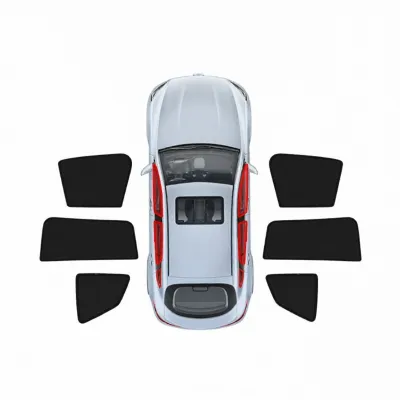
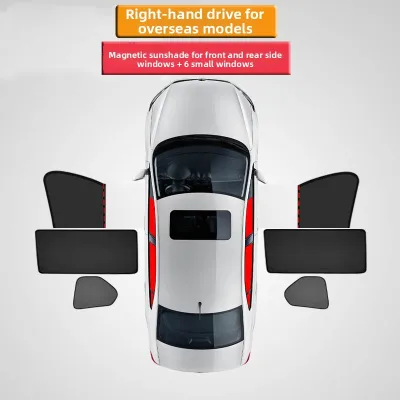
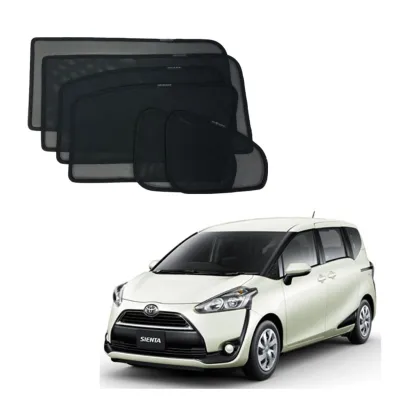
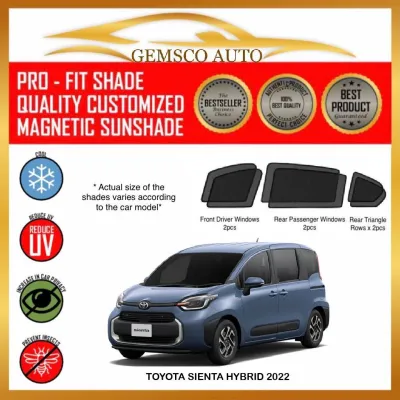
Prices are valid at publication and may change. Please refer to the product page for the latest price.
When you attempt to use a generic “one-size-fits-all” sunshade in a Sienta, you will immediately notice significant light leakage around the edges. These universal options are typically rectangular and lack the specific trapezoidal taper of the Sienta’s front pillars. As a result, they leave wide gaps at the lower corners near the dashboard, allowing direct sunlight to beam onto your steering wheel and instrument cluster.
Furthermore, universal shades lack the structural rigidity required to span the Sienta’s deep dashboard. Without precise support, a generic shade will often sag in the middle, slipping down from the sun visors and falling flat onto the dashboard. This not only defeats the purpose of heat rejection but can also bunch up awkwardly, potentially pressing against your wiper control stalks or digital displays when parked. To achieve complete coverage, you must look for shades explicitly labeled for your Sienta’s generation rather than relying on generic MPV categories.
Matching the Windshield: Dimensions and Rearview Mirror Cutouts
Finding a front windshield sunshade that fits perfectly does not require you to pull out a tape measure and gauge the glass yourself. Instead, you should rely on manufacturer-specified fitments that are engineered using 3D scans of the Sienta’s cabin. High-quality accessory brands design their shades to match the exact perimeter of the glass, ensuring a snug, friction-fit placement that stays up without constant adjustment.

Navigating the Rearview Mirror and Sensor Housing
A critical area of differentiation among Sienta models is the rearview mirror mounting point. Modern Sientas, particularly those equipped with Toyota Safety Sense (TSS) driver-assistance systems, feature a bulky camera and sensor housing mounted directly behind the rearview mirror.
- Standard Cutout Shades: Basic sunshades often feature a simple V-shaped dip at the top. While sufficient for older models without advanced safety sensors, these can press tightly against TSS camera housings, potentially misaligning the sensitive radar equipment or preventing the shade from sitting flush against the glass.
- Split-Collar Shades: Premium custom-fit shades feature a deep, dedicated center slit with a fabric collar and a secure hook-and-loop (Velcro) strap. This design allows you to wrap the shade cleanly around the mirror stem and sensor housing, sealing off the gap completely without putting physical pressure on your vehicle's safety cameras.
Dashboard Alignment and Safety
The bottom edge of your chosen sunshade must rest smoothly where the windshield meets the dashboard. A properly sized shade will slide effortlessly into this crevice without bending excessively or forcing you to jam it past the dashboard trim. Ensure the shade does not push down on the parked wiper blades’ resting position from the inside, as excessive pressure can warp the soft plastic cowl over time.
As a vital safety boundary, always completely remove and fold away the front windshield sunshade before starting your vehicle or driving. Operating a vehicle with any portion of a sunshade installed severely compromises your forward field of vision and is highly dangerous on public roads.
Covering the Side Windows: Sliding Doors and Quarter Glasses
Protecting the rear passengers in a Toyota Sienta requires a specialized approach due to the vehicle’s unique side window configuration. While the front driver and passenger doors use standard roll-down glass, the rear passenger section features signature sliding doors and small, fixed rear quarter windows.
Managing Sliding Door Clearances
The sliding doors on the Sienta operate on a precise external track system with very tight clearances between the door frame and the vehicle’s body. If you install a side window shade that is too thick, or one that relies on bulky mounting clips that protrude past the inner window seal, you risk jamming the sliding mechanism.
When the sliding door retracts, any protruding accessory can catch on the rubber weatherstripping, leading to torn seals, a stalled door motor, or a damaged sunshade. For these sliding doors, you must select ultra-low-profile shades, such as custom-fit static cling panels or tightly integrated mesh inserts, which sit entirely flush within the window frame.
Addressing the Rear Quarter Glass
The small, triangular rear quarter glasses located behind the sliding doors are a major source of cabin heat buildup. Because of their irregular, non-standard shape, generic rectangular shades are completely useless here.
To block heat effectively, seek out custom-cut static cling shades or specialized wire-frame mesh panels designed specifically for these triangular windows. These shades press directly into the recess of the quarter glass frame, providing complete edge-to-edge coverage and ensuring that rear-facing passengers or child seats remain shielded from direct sunlight.
Additionally, when selecting side shades, prioritize options that allow you to roll down the windows slightly for ventilation while parked. Custom-fit magnetic or press-fit mesh shades are ideal for this scenario, as they remain firmly anchored to the inner window frame even when the glass pane is lowered, preventing the shade from flapping or blowing away.
Attachment Methods: Suction Cups, Static Cling, and Magnetic Frames
Choosing how your sunshades attach to the glass and frames is just as important as getting the dimensions right. In Singapore’s hot and humid climate, different mounting styles perform very differently over time.
Suction Cups
While suction cups are a common and highly affordable attachment method, they struggle under intense heat. The constant UV exposure and high cabin temperatures can cause the plastic suction cups to dry out, warp, and lose their vacuum seal, leading to the shade repeatedly falling off when the car is parked. Furthermore, suction cups tend to leave circular silicone residue marks on the glass, which can attract dust and require frequent cleaning to maintain visibility.
Static Cling
Static cling shades are highly recommended for the Sienta’s side windows and rear quarter glass. These shades utilize a thin, specialized plastic film that adheres directly to clean glass using static electricity, requiring no adhesives, suction cups, or hardware. Because they lay completely flat, they provide an incredibly clean look and present zero risk of interfering with the sliding door mechanisms or window seals. However, they do require a thoroughly clean glass surface during initial installation to prevent air bubbles and peeling.
Magnetic Frames
Magnetic sunshades feature small, powerful magnets sewn directly into the fabric border of the shade. These snap instantly onto the metal window frames of your vehicle, allowing for rapid installation and removal. Before purchasing magnetic shades, you must verify your Sienta’s specific trim details; some model years or trim levels feature extensive plastic or rubber cladding over the interior door frames, which will prevent the magnets from adhering. Always ensure the magnetic borders are fully padded with soft fabric to prevent scratching the inner paintwork of your door frames.
No matter which attachment method you choose, you must observe a strict safety boundary: ensure that no side window attachment method obstructs your view of the side mirrors or creates blind spots while driving. Front side-window shades must always be completely removed before operating the vehicle.
Common Sizing Mistakes to Avoid When Buying a Sienta Sunshade
Shopping for Sienta accessories online can be confusing due to the long production history of this popular MPV. Avoiding a few common purchasing mistakes will save you the hassle of dealing with return shipping or ending up with unusable accessories.
Watch the Generation and Chassis Codes
The most common error is confusing different Sienta generations. The second-generation Sienta (XP170 series, produced from 2015 to 2022) and the third-generation Sienta (XP210 series, introduced in 2022) have completely different body shapes, windshield angles, and window dimensions.
- XP170 Generation: Features a highly swept, aggressive front profile with distinctive black trim "teardrops" under the headlights.
- XP210 Generation: Features a rounder, more boxy "shikaku" design with a completely redesigned dashboard and a larger, more upright windshield.
A front sunshade engineered for an XP170 will not fit an XP210 properly, as it will either be too small to cover the glass or too wide to mount securely. Always verify your vehicle’s manufacture year and chassis code before ordering.
Evaluate Factory-Tinted Glass
Many Sienta models, especially higher-grade authorized dealer trims or parallel-import hybrid models, come equipped from the factory with dark privacy glass on the rear sliding doors and quarter windows. If your Sienta already has factory-tinted rear glass, you do not need high-opacity, solid black side shades. Instead, opt for lighter, high-UV-rejection mesh shades. This combination maintains excellent passenger visibility looking outward while still blocking harmful ultraviolet rays and reducing solar heat gain.
Finally, be skeptical of vague product listings on e-commerce platforms. Avoid listings that claim a single sunshade size fits “all Toyota MPVs” or groups the Sienta together with larger vehicles like the Noah, Voxy, or Alphard. Always look for product descriptions that explicitly state the exact Sienta model code and model years, and do not hesitate to message the seller to confirm compatibility with your specific trim and safety camera housing.
Frequently Asked Questions (FAQ)
Can I use a universal sunshade if I measure my Sienta's windshield manually?
While manual measurements can give you the basic width and height of your glass, a universal rectangular shade will still fail to fit properly. Universal shades lack the precise trapezoidal taper, curved corner radii, and deep rearview mirror cutouts required to clear the Sienta’s large dashboard and safety sensor housing. This mismatch inevitably results in large gaps around the pillars, allowing heat to bypass the shade, or causes the shade to sag and fall down.
Will a front windshield sunshade scratch the Sienta's dashboard or glass?
High-quality custom-fit sunshades featuring soft fabric-bound edges, flexible leatherette borders, or soft foam cores are completely safe and will not scratch your interior. However, cheap, generic shades with exposed metal wire frames, rigid plastic edges, or rough, unshielded Velcro straps can easily mar the soft-touch plastics on your dashboard or scratch aftermarket window tint films over time. Always handle and fold the shade carefully during installation and storage.
Do I need to remove the side window sunshades to open the sliding doors?
If you are using custom-fit static cling shades or low-profile mesh shades that mount flush against the inner glass pane, you do not need to remove them; they will slide safely with the window glass. However, if you use rigid metal-framed magnetic shades or shades with bulky mounting clips that protrude past the inner door trim, you must remove them before operating the sliding doors to prevent them from catching on the rubber weatherstripping and damaging the door mechanism.
Community discussion
Share your experience or ask a question. Comments are reviewed before publication.