
Achieving a perfectly clear, streak-free windshield is essential for safe driving, especially when facing glare from oncoming headlights or driving through heavy rain. The secret to a spotless finish lies directly in the chemical formulation of your car glass cleaner. To avoid streaks and hazy residue, look for products formulated with fast-evaporating solvents like isopropyl alcohol, low-foaming surfactants, and a base of pure deionized or distilled water. Conversely, avoid cleaners containing ammonia, heavy surfactants, artificial dyes, and strong fragrances, which are the primary culprits behind stubborn films and permanent damage to interior components.
Automotive glass faces a unique set of environmental challenges compared to household windows. The exterior surfaces accumulate oily road grime, tree sap, and exhaust soot, while the interior glass collects a stubborn layer of plasticizer film—a greasy residue released by dashboard plastics as they warm up in the sun. Standard household cleaners are rarely designed to tackle this specific combination of contaminants without leaving a smeary mess behind. Understanding the chemistry of your detailing products allows you to select a formula that breaks down these tough oils and evaporates completely, leaving nothing but clear glass.
Ingredients to Avoid to Prevent Streaks and Damage
When scanning the ingredient list or product specifications of a car glass cleaner, knowing what to exclude is just as important as knowing what to include. Many common cleaning agents that perform well on household mirrors can cause severe, irreversible damage when applied to a vehicle’s interior or exterior surfaces.
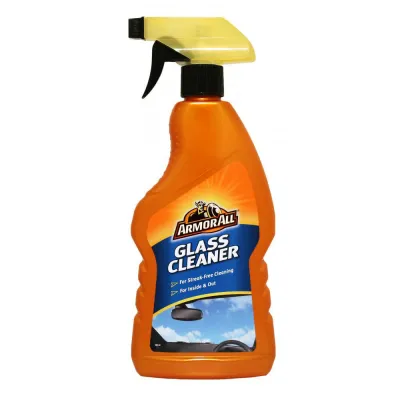
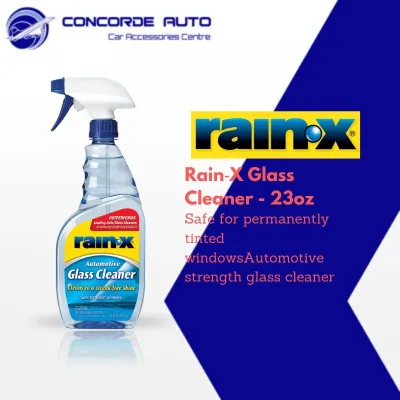
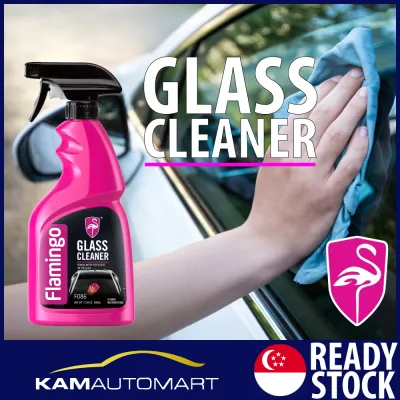
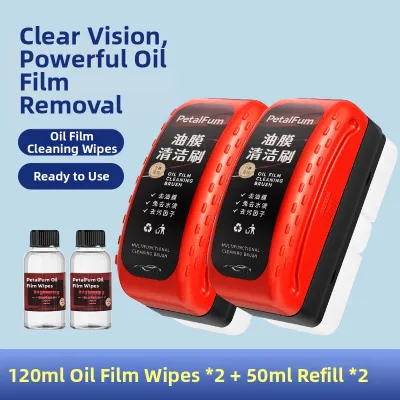
Products mentioned in this guide
![[SG] Car Windshield Cleaner Windscreen Cleaner Wiper Cleaner Car Glass Oil Film Glass Nano Coating Water Repellent](https://img.lazcdn.com/g/p/a384adf77fb359ea7661ca59466e2b2c.jpg_400x400q80.jpg_.webp)
Prices are valid at publication and may change. Please refer to the product page for the latest price.
Ammonia and its chemical derivatives represent the most critical ingredients to avoid in automotive detailing. While ammonia is a powerful grease cutter, it is highly destructive to aftermarket window tinting films. It chemically attacks the top protective layer of the tint, causing it to turn purple, bubble, peel, and lose its optical clarity. Furthermore, ammonia vapors can dry out and degrade the rubber weatherstripping and vinyl seals surrounding your windows, leading to premature cracking and potential leaks. Inside the cabin, ammonia off-gassing can linger in the air, creating an unpleasant environment and potentially damaging sensitive electronic displays.
High-boiling-point solvents and heavy surfactants are another major source of frustration for car owners. These ingredients are often added to household cleaners to slow down drying times, allowing users to wipe large surfaces like sliding doors. However, on a car windshield, these slow-evaporating chemicals fail to flash off quickly. Instead, they remain on the glass as a microscopic, oily film. When your windshield wipers sweep across this residue, or when direct sunlight hits the glass, the film smears, creating a dangerous glare that severely limits visibility.
Artificial dyes and heavy fragrances should also be left off your shopping list. While a bright blue color or a strong cherry scent might make a product look appealing on the shelf, these additives serve no functional cleaning purpose. In fact, they often leave behind microscopic particulate residues as the liquid evaporates. These tiny particles act as binding sites for dust and moisture, accelerating the formation of a new hazy layer on your glass shortly after cleaning.
Effective Ingredients for a Streak-Free, Residue-Free Finish
To achieve optical clarity, a car glass cleaner must dissolve tough road oils instantly and evaporate from the surface before the dissolved grime can settle back down. High-quality formulations rely on a precise balance of fast-acting solvents, specialized surfactants, and ultra-pure water.

Fast-evaporating alcohols, such as isopropyl alcohol (IPA) or ethanol, serve as the backbone of any high-performance automotive glass cleaner. These alcohols are highly effective at cutting through the greasy plasticizer film on interior glass and the oily road grime on the exterior. Because alcohol has a very low boiling point, it flashes off the glass surface almost instantly after wiping. This rapid evaporation prevents the liquid from pooling or drying slowly, which is the primary physical cause of streaking.
Low-foaming, easily rinsable surfactants are included in professional-grade cleaners to lift and suspend physical dirt particles. Unlike heavy household detergents that create thick suds, automotive-specific surfactants are engineered to work in extremely low concentrations. They break the surface tension of the water, allowing it to wet the glass evenly and encapsulate dust, soot, and pollen. Because these surfactants are low-foaming, they do not require extensive rinsing or wiping, meaning you can lift the dirt away with a single pass of a microfiber towel without redistributing the grime.
The base liquid of the cleaner is equally critical, and it should always consist of deionized or distilled water. Tap water contains dissolved minerals such as calcium, magnesium, and silica. If a glass cleaner is formulated with standard water, these minerals remain on the glass after the liquid evaporates, leaving behind unsightly white spots and a gritty texture. Deionized water has had all mineral ions removed, ensuring that when the cleaner evaporates, absolutely nothing is left behind on the glass surface.
Choosing the Right Format: Sprays, Wipes, and Concentrates
Car glass cleaners are available in several delivery formats, each offering distinct advantages depending on your detailing routine, storage preferences, and the specific area of the vehicle you are cleaning.
Trigger sprays and aerosol cans are the most common formats for general detailing. Aerosol cans deliver a very fine, dry mist that distributes evenly across the glass, minimizing the risk of liquid running down into the door panels or dashboard seams. Trigger sprays offer more control over the volume of product discharged but can produce larger droplets that may overspray onto surrounding leather or vinyl surfaces. When using a trigger spray inside the cabin, it is often safest to spray the product directly onto your microfiber towel rather than onto the glass itself to protect sensitive dashboard electronics.
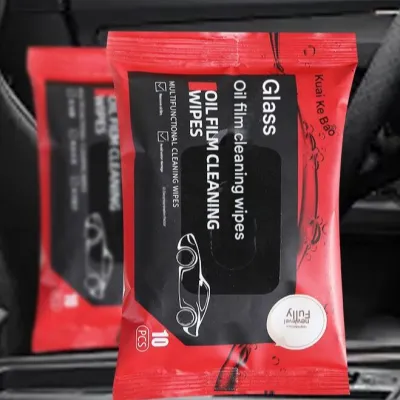
Pre-moistened glass wipes offer unmatched convenience for quick touch-ups, such as cleaning off a fresh bird dropping or wiping down a foggy side mirror while on the road. However, they are generally less effective for deep cleaning. Wipes can suffer from lint shedding if the substrate material is of low quality, and they carry a high risk of drying out in the glove box if the package seal is not perfectly airtight. Additionally, because you cannot easily switch to a dry side as you would with a folding towel, wipes can quickly become saturated with dirt, leading to the redistribution of grime across the glass.
Dilutable concentrates are a highly economical choice for high-volume users or professional detailers. These products allow you to customize the strength of the solution based on the level of dirt. However, using concentrates requires strict adherence to the manufacturer’s specified dilution ratios. Mixing the solution too strong increases the concentration of surfactants and solvents beyond their optimal levels, which is a leading cause of heavy streaking and residue buildup. Always use distilled water when mixing concentrates to maintain the mineral-free integrity of the formula.
How to Verify Product Labels Before You Buy
Before purchasing any car glass cleaner, taking a few moments to carefully inspect the product label can save you from costly mistakes and ensure the formula is safe for your specific vehicle configuration.
Your first step should be to look for explicit “Ammonia-Free” and “Tint-Safe” labels on the packaging. If your vehicle has aftermarket window tint, this is a non-negotiable requirement. Even if your car does not currently have tinted windows, choosing an ammonia-free formula is a safer practice overall, as it prevents accidental damage to the rubber seals, plastic trim, and sensitive interior surfaces that surround the glass.
Next, examine the ingredient hierarchy if it is provided on the label or the manufacturer’s safety data sheet. A high-quality glass cleaner will list water and fast-evaporating solvents like isopropyl alcohol at the very top of the list. Be wary of products that list heavy conditioning agents, gloss enhancers, or protective waxes high in the ingredient order. While these additives might promise water-beading properties, they often introduce heavy polymers that are incredibly difficult to buff out without leaving a hazy residue, especially on the interior glass where wind and rain cannot wash them away.
Finally, check the label for specific safety warnings regarding surrounding materials. A well-formulated automotive product will clearly state its compatibility with leather, vinyl, plastics, and digital dashboard screens. Because overspray is almost inevitable during interior cleaning, knowing how the product interacts with these materials is crucial. If a label warns of severe staining or etching on vinyl or leather, it is best to look for a milder, more specialized formula to avoid damaging your cabin’s interior trim.
Application Conditions That Affect Streak-Free Results
Even the most advanced, perfectly balanced chemical formula can fail to deliver a streak-free finish if it is applied under poor environmental conditions or with improper tools. Understanding how external factors interact with the cleaner is key to achieving professional results.
Temperature and sunlight are the most common environmental disruptors of glass cleaning. Applying glass cleaner to a windshield that is hot to the touch, or working in direct, intense sunlight, causes the volatile solvents and water to evaporate almost instantly upon contact. This premature drying prevents the surfactants from encapsulating the dirt and forces the dissolved grime to dry right back onto the glass before you have a chance to wipe it away, resulting in immediate, heavy streaking. For the best results, always work in the shade or inside a garage, and ensure the glass has cooled down to ambient temperature before starting.
Your choice of towel and wiping technique plays an equally important role in the final finish. Standard cotton towels or cheap paper towels often shed lint and lack the absorbency needed to lift oils. Instead, use high-quality, clean microfiber towels specifically designed for glass, such as a waffle-weave or low-pile glass towel. Implement the “two-towel method” for flawless results: use the first towel, lightly misted with cleaner, to break down and lift the dirt, then immediately follow up with a second, completely dry microfiber towel to buff the surface and remove any remaining moisture before it can evaporate on its own.
For vehicles with heavy exterior contamination, such as thick tree sap, baked-on bird droppings, or heavy road tar, attempting to clean the glass with a standard glass cleaner alone will only smear the sticky contaminants across the surface. In these scenarios, you must pre-clean the glass. Use a dedicated tar and sap remover, a clay bar, or a specialized glass scrub to safely lift the heavy physical debris first. Once the heavy contamination is removed, you can follow up with your standard car glass cleaner to restore a perfectly clear, streak-free shine.
Frequently Asked Questions (FAQ)
Can I use household glass cleaners on my car windows?
It is highly discouraged to use standard household glass cleaners on your vehicle. Many household formulas contain ammonia, which chemically degrades aftermarket window tints, causing them to bubble, peel, and discolor. Additionally, household cleaners often contain slower-evaporating solvents and heavy blue dyes that leave a hazy residue on automotive glass, creating dangerous glare under direct sunlight or oncoming headlights.
Why does my car glass still look streaky after using a dedicated cleaner?
Persistent streaking is usually caused by environmental factors or saturated tools rather than the cleaner itself. If you apply the product to hot glass or in direct sunlight, the liquid evaporates too quickly, locking the dissolved dirt back onto the surface. Alternatively, using a microfiber towel that is already saturated with oils, dirt, or leftover laundry detergent will simply redistribute the grime across the glass instead of lifting it away.
Are vinegar-based DIY glass cleaners safe for car interiors and tints?
While vinegar (acetic acid) is a popular natural cleaning agent, it carries significant risks when used inside a vehicle. The acidic nature of vinegar can dry out and degrade rubber weatherstripping, damage sensitive vinyl and leather dashboard trim, and potentially weaken the adhesives used to secure aftermarket window tints. For automotive applications, a dedicated, pH-balanced, ammonia-free commercial car glass cleaner is a much safer and more effective choice.
Community discussion
Share your experience or ask a question. Comments are reviewed before publication.