
To choose a PSB helmet that fits your budget in Singapore, you must balance the legal requirement of local safety certification with your specific riding needs, such as daily commuting distance and ventilation requirements for the tropical climate. By establishing a clear spending limit in S$ that accounts for both the helmet and essential accessories, you can systematically evaluate certified options without compromising on safety. The key is to verify the physical safety label, prioritize proper fitment, and choose a helmet style that matches your primary riding environment.
Defining Your Budget and Riding Requirements in Singapore
Your daily riding routine dictates the type of helmet that will offer the best value for your money. A rider who commutes short distances daily from housing estates to the central business district has different requirements than someone who frequently travels long distances on expressways or across the border. For short, stop-and-go urban trips, an open-face helmet offers excellent ventilation and ease of use. Conversely, high-speed commuting on expressways demands the superior wind protection and impact safety of a full-face or modular helmet.
Singapore’s tropical climate is a critical factor that directly influences your comfort and safety. High humidity and frequent heavy downpours mean that a helmet with poor ventilation will quickly become hot, stuffy, and prone to fogging. Prioritize models that feature multiple adjustable air vents and moisture-wicking interior liners that dry quickly. A helmet that keeps your head cool reduces fatigue, allowing you to maintain focus on busy roads.
Products mentioned in this guide
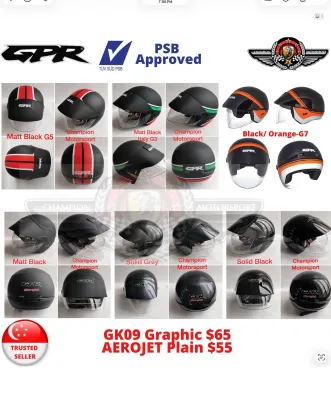
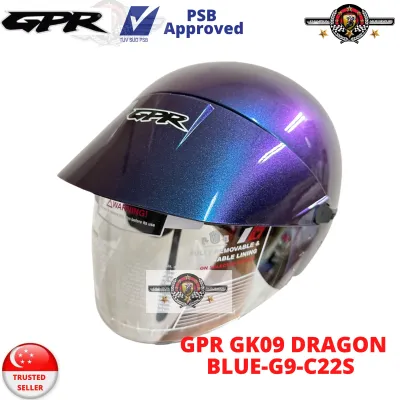
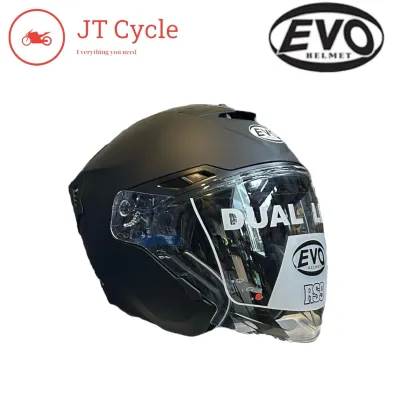
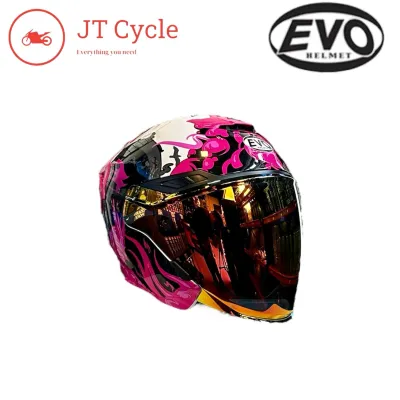
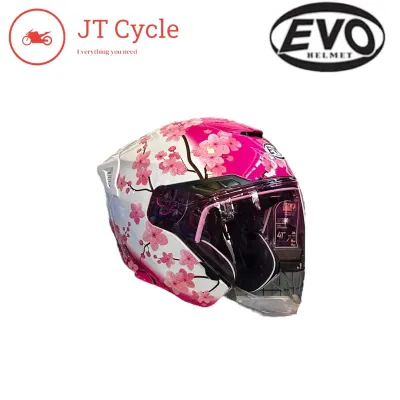
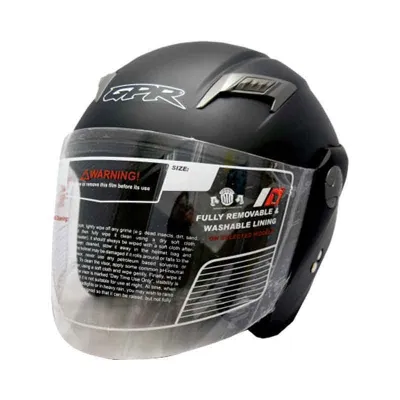
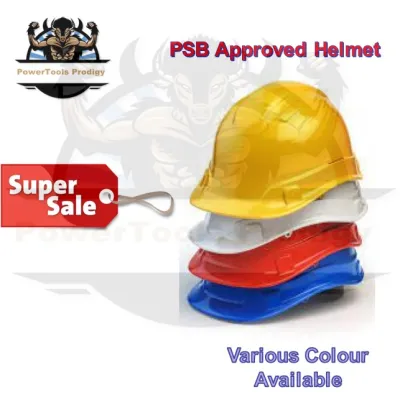
![PSB Approved Safety Helmet Hard Hat (Chin Strap Not Inclusive) [White / Yellow / Blue / Red]](https://img.lazcdn.com/g/p/d742b047190103bf3225ec4a610deaeb.jpg_400x400q80.jpg_.webp)
Prices are valid at publication and may change. Please refer to the product page for the latest price.
When setting your maximum budget in S$, look beyond the initial purchase price of the helmet shell itself. You should allocate a portion of your budget for essential accessories that enhance safety and usability. For example, an anti-fog visor insert is highly recommended to maintain clear vision during sudden tropical downpours. If you plan to use a Bluetooth communication system for navigation or calls, ensure the helmet has dedicated speaker pockets to avoid uncomfortable pressure points on your ears.
Essential Safety and Comfort Features to Prioritize
The most critical step in purchasing a motorcycle helmet in Singapore is verifying its legal compliance. Look for the physical PSB test label, which is typically affixed to the rear of the helmet shell or stitched onto the chin strap. This label indicates that the helmet model has undergone batch testing and complies with the safety standards enforced by Enterprise Singapore. Never rely solely on verbal assurances from a seller; always inspect the physical sticker and ensure the batch details match the official documentation.

Shell construction materials play a significant role in both the protective capabilities and the weight of the helmet. Entry-level options often utilize thermoplastic or polycarbonate shells, which are highly durable but tend to be heavier. Mid-range and premium models frequently incorporate fiberglass composites or carbon fiber, offering superior strength-to-weight ratios. A lighter helmet reduces strain on your neck muscles during long rides, making it a worthwhile consideration if your budget permits.
A secure and properly adjusted restraint system is vital for the helmet to perform its protective function during an impact. Most helmets feature either a double D-ring system or a micrometric quick-release buckle. While quick-release buckles offer convenience for daily commuting, double D-ring systems are widely regarded as the most secure and adjustable option. Whichever system you choose, ensure the chin strap can be adjusted tightly against your jaw without causing pain or restricting your breathing.
Visor quality and mechanism design are equally important for daily usability and safety. Inspect the visor to ensure it provides a wide, distortion-free field of view and operates smoothly through its detents. A tool-less visor removal mechanism is highly beneficial, as it allows you to easily remove the visor for cleaning or replacement. Additionally, check if the interior padding is fully removable and washable, which is essential for maintaining hygiene and preventing odor buildup in Singapore’s humid weather.
Before modifying any part of your helmet, such as installing aftermarket visors, action camera mounts, or communication systems, consult the manufacturer’s instructions. Improper installation of accessories can compromise the structural integrity of the shell, interfere with the visor mechanism, or void the safety certification. If you are unsure about fitting accessories or adjusting the restraint system, seek assistance from a qualified technician at an authorized retail store.
How to Evaluate PSB Helmet Options Within Your Price Range
When working with a specific budget, you must distinguish between essential safety features and non-essential luxury upgrades. Advanced aerodynamic shapes, intricate graphic designs, and ultra-lightweight carbon weaves are desirable but do not necessarily offer superior impact protection compared to a well-designed polycarbonate shell. If your budget is limited, prioritizing a plain, solid-colored helmet with excellent ventilation and a proper fit is a much smarter decision than spending extra on premium aesthetics.
To compare the baseline value of different models, rely on official manufacturer specifications rather than subjective online reviews or third-party rankings. Manufacturers provide detailed information regarding shell sizes, weight, ventilation ports, and safety certifications. Comparing these specifications directly allows you to identify which model offers the best functional value within your price bracket. Keep in mind that a helmet must fit your specific head shape—whether round oval, intermediate oval, or long oval—to provide maximum protection.
Creating a simple decision matrix can help streamline your selection process. List your non-negotiable requirements, such as a specific safety certification, a removable liner, and adequate ventilation, in one column. In the adjacent columns, list optional features like integrated sun visors, emergency quick-release cheek pads, or premium paint finishes. This structured approach prevents you from overspending on cosmetic features while ensuring your core safety and comfort needs are fully met.
Avoiding Hidden Costs and Purchasing Safely
Purchasing a helmet online or from overseas retailers can sometimes appear more cost-effective, but it often introduces hidden expenses. When importing a helmet, you must factor in international shipping fees and potential import taxes, such as the Goods and Services Tax (GST) in Singapore. Furthermore, helmets purchased directly from overseas sellers may not carry the required local PSB certification label, making them illegal for use on Singapore roads despite meeting other international standards.
To ensure you are buying a genuine, certified product, always purchase from authorized local distributors or reputable retail shops. Counterfeit helmets are a significant safety hazard, as they often use substandard materials that fail to protect your head during an accident. Authorized dealers can provide proof of authenticity, assist with proper sizing, and ensure that the helmet carries the official PSB approval sticker required by local traffic police.
Reviewing the retailer’s return, exchange, and warranty policies is crucial, particularly if you are purchasing online where physical fitting is not possible. A helmet that does not fit correctly cannot protect you effectively and may cause severe discomfort or headaches during rides. Ensure the retailer allows exchanges for different sizes and offers a clear warranty process for manufacturing defects, such as faulty visor mechanisms or peeling liners.
Frequently Asked Questions (FAQ)
How do I verify if a PSB helmet meets safety standards?
To verify if a helmet meets local safety standards, look for the blue or silver PSB test label affixed to the back of the helmet shell or stitched onto the chin strap. This label features a unique serial or batch number issued by TUV SUD PSB, indicating compliance with Singapore’s safety regulations. You can also cross-reference the helmet model on the official website of Enterprise Singapore or consult authorized local distributors to confirm its certification status.
Are replacement visors and pads easily available for PSB helmets?
The availability of replacement parts depends largely on the brand and the retailer you choose. Established brands sold through authorized local distributors typically have a steady supply of official replacement visors, cheek pads, and liner sets. It is highly recommended to purchase original manufacturer parts, as third-party or unofficial replacements may not fit securely, potentially compromising your safety or voiding the helmet’s certification.
What should I do if my budget is too low for a certified helmet?
If your current budget is too low to purchase a certified helmet, you should delay your purchase or seek alternative solutions rather than buying an uncertified or used helmet. Wearing an uncertified helmet is illegal in Singapore and exposes you to severe head injuries in an accident. Consider saving up for a certified entry-level model from a reputable brand, or look for seasonal promotions and clearance sales at authorized local motorcycle gear shops.
Community discussion
Share your experience or ask a question. Comments are reviewed before publication.