
Riding a motorcycle in Singapore requires a helmet that is both comfortable and legally compliant. The Land Transport Authority (LTA) mandates that all motorcycle helmets used on public roads must bear the local PSB safety label. Finding a helmet that fits your budget while meeting these strict safety standards involves understanding how safety features scale with price and how to verify the physical safety mark.
While all certified helmets on the local market meet the same baseline safety requirements, the differences in materials, weight, ventilation, and long-term durability vary significantly across budget tiers. By evaluating your riding habits, commute distances, and comfort preferences, you can make an informed decision that keeps you safe, comfortable, and fully compliant with the law.
Understanding PSB Certification and Legal Requirements
The Product Productivity and Standards Board (PSB) safety mark is the non-negotiable legal baseline for any motorcycle helmet used on Singapore roads. This certification indicates that a specific batch of helmets has undergone rigorous testing to ensure it can withstand impact forces, penetration, and retention system failures under local safety standards. When inspecting a helmet, look for the physical PSB sticker, which is typically affixed to the rear of the outer shell or sewn onto the chin strap. This label features a unique serial number and the official safety mark logo, which traffic police and vehicle inspectors use to verify compliance.
Products mentioned in this guide
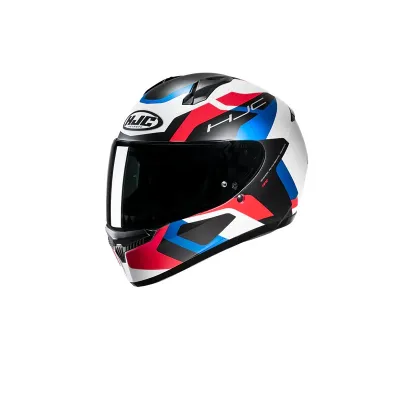
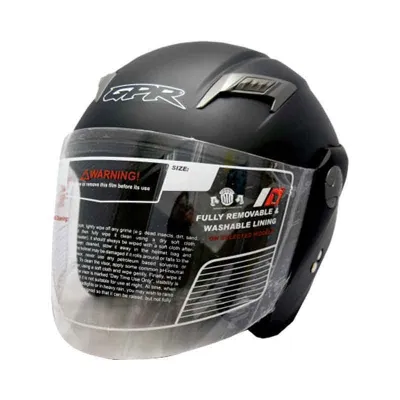
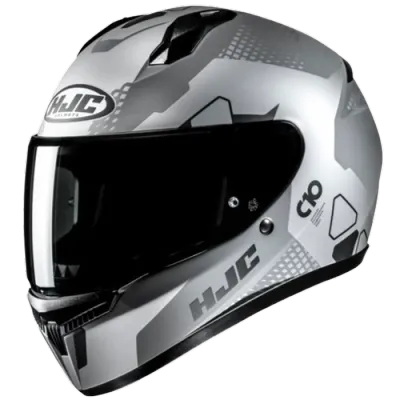
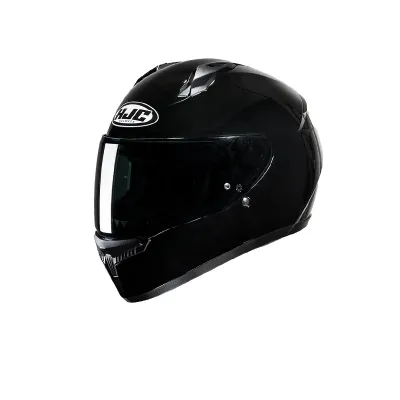
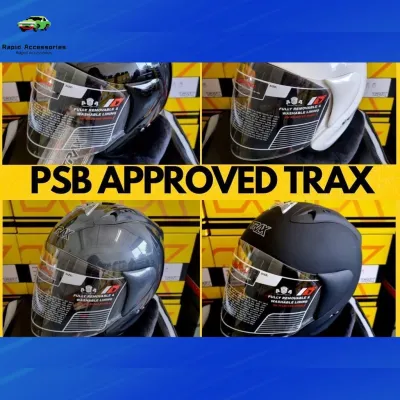
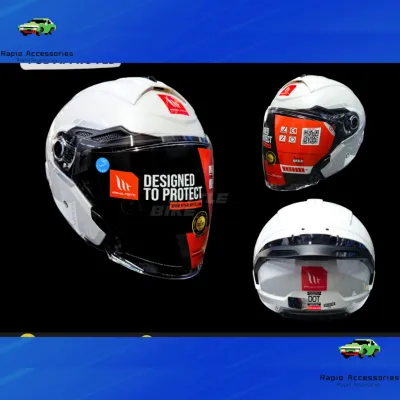
Prices are valid at publication and may change. Please refer to the product page for the latest price.
Operating a motorcycle with a non-compliant helmet carries severe legal and financial consequences. Under the Road Traffic Act, riding with a helmet that lacks the official PSB safety mark is a traffic offense that can result in composition fines, demerit points, or prosecution in court for repeat offenders. Furthermore, using non-certified headgear can severely impact your insurance coverage. In the event of an accident, insurance providers may void your personal accident or medical claims if they determine you were wearing an illegal, non-approved helmet, leaving you personally liable for substantial medical and repair bills.
To protect yourself from counterfeit products, you must verify the authenticity of the safety label before finalizing your purchase. Genuine labels are securely bonded to the helmet and feature crisp, clear printing with distinct security elements. Be wary of sellers offering loose stickers or helmets where the label appears peeled, bubbled, or poorly aligned. Reputable local distributors maintain official documentation of their batch testing approvals, which you can request to view if you are uncertain about a product’s certification status.
Setting Your Budget Priorities
When planning your helmet purchase, establishing a clear hierarchy of spending ensures that your money goes toward features that actively protect you. Your primary financial allocation must always prioritize safety certification and structural integrity over aesthetic upgrades, custom graphics, or integrated electronic accessories. A plain, solid-colored helmet with a verified safety mark offers the exact same level of impact protection as its highly decorated counterpart but often costs significantly less, allowing you to allocate your budget more efficiently.

It is equally important to account for hidden or secondary costs that may arise after your initial purchase. For instance, Singapore’s humid climate and frequent heavy downpours make an anti-fog visor insert, such as a Pinlock lens, highly desirable for maintaining clear vision. If a helmet does not include this insert in the box, you will need to budget an additional S$30 to S$80 to purchase one separately. Other secondary expenses to consider include replacement visors for different lighting conditions, upgraded cheek pads for a customized fit, and compatibility with external communication systems if you plan to install a Bluetooth headset.
If your current budget cannot comfortably cover a high-quality, certified helmet with all your desired features, the safest approach is to scale back on non-essential elements rather than compromising on safety. Opt for a simpler helmet style, such as a basic open-face model from a reputable manufacturer, which provides certified protection at a lower price point. Never purchase an uncertified helmet or a counterfeit product simply because it fits a low budget; delaying your purchase or saving up for a compliant helmet is the only responsible decision when your physical safety is on the line.
Evaluating Helmet Features by Budget Tier
Understanding how helmet features scale across different price points allows you to match your investment to your specific riding conditions. Whether you are a daily delivery rider spending hours on the road or a weekend commuter making short trips, different materials and designs offer distinct advantages. By breaking down helmets into entry-level, mid-range, and premium tiers, you can identify which features are essential for your daily rides and where you can afford to make practical compromises.
Entry-Level Essentials
Helmets in the entry-level tier are designed to provide reliable, certified protection at the most accessible price points. These helmets are typically constructed with an outer shell made of injection-molded thermoplastic or Acrylonitrile Butadiene Styrene (ABS). While these materials are highly durable and excellent at dispersing impact energy, they require a thicker shell wall to meet safety standards, which generally results in a heavier helmet that can cause neck fatigue during longer rides.
The internal impact-absorption layer in entry-level helmets usually consists of a single-density Expanded Polystyrene (EPS) liner. Ventilation systems in this category are functional but basic, often featuring simple open-and-close plastic vents that do not channel airflow as effectively through the helmet interior. Additionally, the comfort liners are often fixed or only partially removable, meaning you must take extra care when cleaning the interior to prevent sweat and odor buildup in Singapore’s tropical climate.
Because entry-level helmets are highly popular and widely distributed, buyers must exercise extreme caution regarding counterfeit safety marks. Lower-priced helmets sold through unverified online marketplaces or informal social media channels carry a higher risk of bearing fake PSB stickers. Always inspect the physical quality of the helmet, check that the strap buckle operates smoothly without sticking, and ensure the safety label is permanently affixed and matches the official design standards.
Mid-Range Comfort and Performance
Stepping up to a mid-range budget introduces substantial upgrades in daily usability, comfort, and impact management. Helmets in this tier often utilize advanced polycarbonate shells or lightweight fiberglass composites, paired with multi-density EPS liners. Multi-density EPS features varying layers of foam density designed to absorb both low-speed and high-speed impacts more effectively, providing a more sophisticated level of head protection.
Rider comfort receives a significant boost in the mid-range category through improved aerodynamics and advanced ventilation systems. These helmets are designed in wind tunnels to minimize drag and buffeting at highway speeds, making them ideal for daily commutes along major expressways. The ventilation systems feature deep channels molded directly into the EPS liner, actively pulling cool air in and drawing hot, humid air out. Furthermore, the interior liners are fully removable, washable, and constructed from moisture-wicking, antibacterial fabrics that dry quickly.
Convenience features also become standard at this level, greatly improving your riding experience. You will typically find visors that are pre-equipped with mounting pins for anti-fog inserts, quick-release visor mechanisms that allow for tool-free cleaning, and superior neck rolls that seal out wind noise. These additions make mid-range helmets an excellent sweet spot for riders who require a durable, comfortable helmet for daily commuting without entering the premium price bracket.
Premium Materials and Advanced Engineering
Premium helmets represent the pinnacle of motorcycle safety technology, utilizing advanced composite materials and highly specialized engineering. The outer shells are constructed from proprietary blends of carbon fiber, aramid, and high-performance fiberglass. These materials offer incredible structural strength and rigidity while dramatically reducing the overall weight of the helmet, which significantly minimizes neck strain and physical fatigue during long-distance rides or extended periods in heavy traffic.
In addition to lightweight construction, premium helmets feature advanced safety systems and superior acoustic engineering. Many high-end models incorporate an Emergency Quick Release System (EQRS), which allows emergency medical responders to safely remove the cheek pads while the helmet is still on the rider’s head, reducing the risk of secondary neck injuries. The aerodynamic profiles are highly refined to eliminate wind noise, creating a quieter and more focused riding environment that protects your hearing over long-term exposure.
The build quality of premium helmets is evident in every detail, from the optical clarity of the distortion-free visors to the plush, customizable interior fitment options. Many premium brands offer multiple outer shell sizes across their product range, ensuring that a size small helmet uses a physically smaller, lighter shell than a size extra-large, rather than simply using thicker padding. This precise fitment, combined with extended manufacturer warranties and premium drop-down inner sun visors, justifies the higher initial investment for dedicated riders who demand the absolute best in comfort and protection.
Where to Buy and How to Verify Authenticity
To ensure you are purchasing a genuine, legally compliant helmet, you must be selective about where you shop. Prioritize established, authorized physical motorcycle gear dealers and official brand flagship stores over unverified third-party sellers on general e-commerce platforms. Physical retail shops allow you to try on different models to ensure a proper fit, which is critical because an ill-fitting helmet cannot protect you effectively in an accident, regardless of its safety certifications.
Before handing over your payment, perform a thorough pre-purchase inspection of the physical helmet using this checklist:
- Manufacturing Date: Locate the production stamp or sticker, usually found on the chin strap or underneath the comfort liner. Avoid purchasing helmets that have been sitting on shelves for several years, as the protective materials degrade over time even when unused.
- Visor Seal and Clarity: Open and close the visor multiple times to ensure it seals tightly against the rubber eyeport gasket, which prevents rainwater from entering during sudden downpours.
- Strap and Buckle Integrity: Test the retention system, whether it is a double-D ring or a micrometric quick-release buckle, to ensure it locks securely and does not slip under tension.
- EPS Liner Condition: Gently pull back the comfort padding to inspect the EPS foam liner for any hairline cracks, deep indentations, or signs of compression that indicate previous handling damage.
Always retain your original purchase receipt, product packaging, and warranty registration card. These documents serve as your official proof of purchase and are essential if you ever need to file a warranty claim with the manufacturer or verify the helmet’s legal compliance during official vehicle inspections. Keeping these records organized ensures that your investment remains protected and legally recognized throughout the lifespan of the helmet.
Frequently Asked Questions (FAQ)
Can I use a helmet with DOT or ECE certification instead of PSB in Singapore?
No, you cannot legally use a helmet that only carries foreign safety certifications on public roads in Singapore. Under local traffic laws, all motorcycle helmets must bear the official PSB safety mark to be considered road-legal. Even if a helmet is certified under highly respected international standards such as the United States’ DOT, Europe’s ECE, or the Snell Memorial Foundation, it remains illegal to use in Singapore without the local PSB batch-testing label. Riding with a non-PSB approved helmet can result in traffic fines, demerit points, and may void your motorcycle insurance policy, leaving you without coverage in the event of an accident.
How often should I replace my PSB-approved motorcycle helmet?
As a general safety guideline, you should replace your motorcycle helmet every three to five years of active use, or seven years from its manufacturing date, whichever comes first. Over time, exposure to sunlight, extreme heat, sweat, hair oils, and environmental pollutants gradually degrades the protective EPS liner and the outer shell materials, reducing their ability to absorb impacts. Additionally, you must replace your helmet immediately after any accident or significant drop, even if there is no visible damage to the outer shell. The internal EPS liner is designed to compress and absorb impact energy only once; once compressed, it cannot protect your head in a subsequent impact.
Community discussion
Share your experience or ask a question. Comments are reviewed before publication.