
Selecting the right portable air pump can mean the difference between a quick roadside top-up and being stranded on a busy expressway. In a warm, humid climate, tyre pressure fluctuates naturally, and encountering a slow puncture from road debris is a common hazard. To choose an effective emergency inflator, you must prioritise key technical specifications: power source compatibility, maximum pressure limits, airflow rate, and automated safety features.
Having a reliable pump in your boot provides peace of mind, but only if the device matches your vehicle’s specific requirements. Before purchasing, it is essential to understand how these technical specifications translate to real-world performance during a stressful roadside situation.
Understanding Maximum PSI and Airflow Rate
To ensure a portable air pump is compatible with your vehicle, start by checking your tyre specifications. You can find the recommended cold tyre pressure on the placard inside the driver’s door jamb or in your owner’s manual. Compare this required pressure against the pump’s maximum PSI (pounds per square inch) rating to ensure the device can safely meet your needs.
Products mentioned in this guide
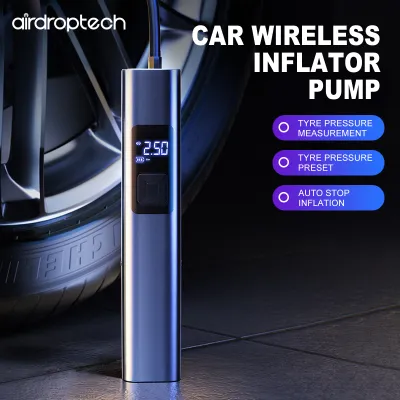
![[SG Seller]Portable Car Electric Inflator portable air pump car electric pump wireless air pump car electric pump汽车充气泵](https://img.lazcdn.com/g/p/11d7062f8a657612c19945cd3cdafcdb.jpg_400x400q80.jpg_.webp)
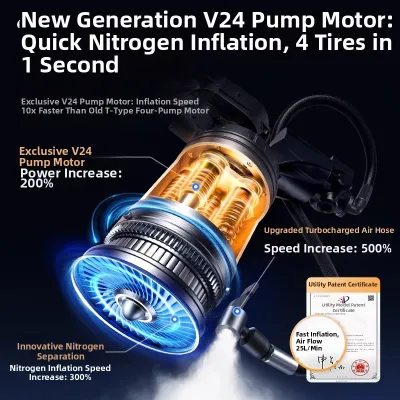
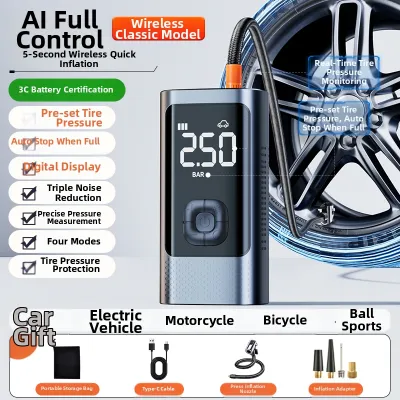
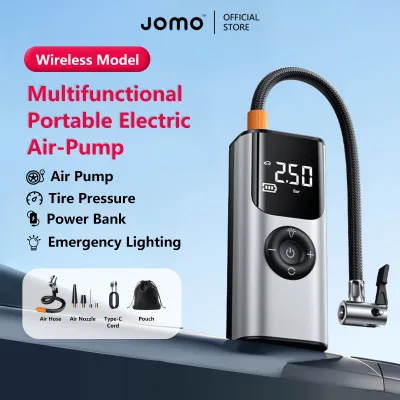

Prices are valid at publication and may change. Please refer to the product page for the latest price.
It is important to distinguish between a pump’s advertised peak pressure capability and its continuous operating pressure. Many compact pumps claim a high maximum rating, such as 120 or 150 PSI, but they may struggle to reach these levels under sustained load. For standard passenger cars, a pump rated for a continuous pressure slightly above your recommended tyre pressure is usually sufficient, whereas larger vehicles require more robust capabilities.
Airflow rate, typically measured in litres per minute (LPM), directly determines how quickly the pump can inflate your tyre. A higher airflow rate means less time spent waiting on a hot roadside or in a dark multi-storey car park. While a standard sedan tyre might inflate reasonably quickly with a basic pump, larger SUV or light truck tyres have a much higher air volume and require a pump with a higher airflow rate to avoid excessive waiting times.
Do not assume that a high maximum PSI rating automatically guarantees fast performance. If the pump’s airflow volume is low or its duty cycle is highly restricted, it will still take a long time to inflate a tyre, regardless of its peak pressure capability. Prioritise a balanced combination of adequate continuous pressure and a practical airflow rate.
Power Source Options and Battery Capacity
Portable air pumps generally fall into two categories based on their power source: 12V DC plug-in models and cordless rechargeable lithium-ion models. A 12V DC pump connects directly to your vehicle’s cigarette lighter socket or directly to the battery terminals using clamps. This design offers unlimited runtime as long as your car’s engine is running, making it highly reliable for prolonged emergency use.

If you choose a 12V DC model, you must verify your vehicle’s socket amperage limit and fuse rating, which are typically detailed in the owner’s manual. High-draw pumps can easily exceed a standard 10-amp or 15-amp fuse, leading to a blown fuse and leaving you without power. Ensure the pump’s electrical draw matches your vehicle’s electrical output, or choose a model that connects directly to the battery terminals to bypass the interior socket limits.
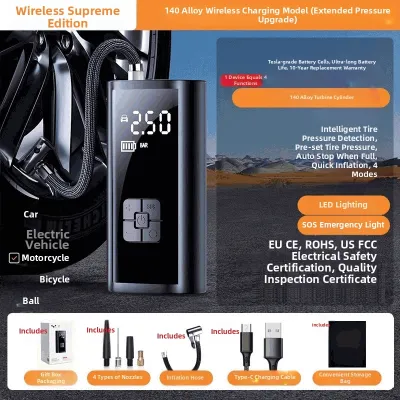
Cordless, battery-powered pumps offer excellent portability and eliminate the hassle of routing long cables around your vehicle. When evaluating these models, check the battery capacity in milliampere-hours (mAh) or Watt-hours (Wh). Review the manufacturer’s specifications to see how many tyres the unit can top up on a single full charge, keeping in mind that inflating a tyre from completely flat requires significantly more energy than a simple pressure top-up.
Storing lithium-ion batteries in a vehicle requires careful consideration, especially in intense tropical heat. Temperatures inside a closed car boot can rise significantly, which can degrade battery health over time or even present safety hazards. Always check the manufacturer’s guidelines for safe storage temperatures and establish a routine to bring the pump indoors for periodic maintenance charging to ensure it remains functional when needed.
Auto-Shutoff and Preset Functions
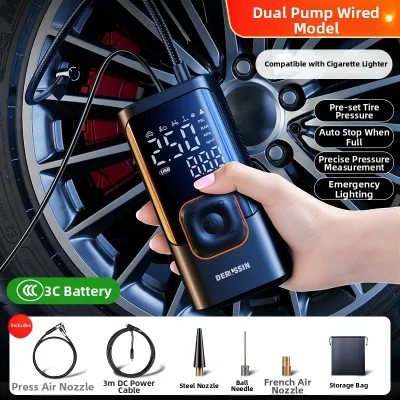
An automatic shutoff function is one of the most valuable features for emergency roadside inflation. This feature allows you to preset your desired target pressure on a digital screen; the pump then runs automatically and shuts off once that pressure is reached. This prevents over-inflation, which can lead to uneven tyre wear, reduced traction, or even a dangerous blowout.
While built-in digital pressure gauges are highly convenient, you should verify their accuracy against a reliable, standalone tyre pressure gauge. Built-in sensors can sometimes experience a margin of error due to heat buildup or calibration drift over time. Checking the pressure manually after the pump stops ensures your tyres are inflated to the exact manufacturer-recommended specifications.
The readability of the pump’s digital display is another practical factor to consider. During an emergency, you may need to read the screen in direct, bright sunlight or in pitch-black conditions on the side of the road. Look for high-contrast, backlit digital screens that clearly display both the target pressure and the current real-time pressure of the tyre.
Physical Design, Duty Cycle, and Emergency Extras
The duty cycle of an air pump refers to the maximum amount of time it can run continuously before it must be turned off to cool down. Many compact emergency pumps have a duty cycle of 10 to 15 minutes, requiring an equal amount of rest time to prevent the motor from overheating and burning out. If you have a larger vehicle with high-volume tyres, look for a pump with an extended duty cycle to avoid long delays during inflation.
Pay close attention to the physical design of the air hose and the valve connector. Screw-on connectors provide a secure, airtight seal but can let some air escape as you unscrew them from the valve stem. Clamp-on quick-release chucks are faster to attach and detach, though they must be of high quality to prevent air leaks. Ensure the air hose is long enough to reach the valve stem comfortably, especially if your vehicle has deep rims or large wheels.
Useful emergency extras can significantly improve your safety and convenience during a roadside incident. A built-in LED work light helps you locate the valve stem and operate the pump in the dark, while hazard warning flashers can alert oncoming traffic to your presence. Additionally, look for models that include various valve adapters, allowing you to use the pump for other equipment like sports balls or bicycle tyres.
Finally, consider the physical footprint and weight of the unit. An emergency tool is only useful if it is stored in your vehicle at all times. Choose a compact, lightweight design that fits easily into your boot’s side compartments, under a seat, or inside a dedicated storage bag, ensuring it does not take up valuable cargo space.
Building Your Emergency Tyre Inflation Checklist
To finalize your decision, create a practical checklist tailored to your specific driving habits and vehicle type. If you drive a larger SUV, prioritises a high-airflow, direct-to-battery 12V pump with a longer duty cycle. For a compact hatchback or sedan used primarily for city driving, a cordless, battery-powered pump with a digital preset function may offer the best balance of convenience and speed.
Before packing the pump into your vehicle, verify that all necessary accessories, including the correct power cables, hose adapters, and a clear instruction manual, are included in the carrying case. Establish a routine to inspect the pump every few months—checking the battery charge level of cordless models or testing the power connections of 12V models—to guarantee the tool is ready for immediate use.
For comprehensive roadside preparedness, always store a reliable standalone tyre pressure gauge and a basic tyre plug kit alongside your portable air pump. While the pump can restore air pressure, a plug kit allows you to temporarily seal small punctures from nails or screws, helping you safely reach a professional workshop for a permanent repair.
Frequently Asked Questions (FAQ)
Can I use a portable air pump to inflate a completely flat tyre?
Portable air pumps are primarily designed for topping up low pressure or managing slow leaks, rather than inflating a completely flat tyre that has lost its seal. Before attempting to inflate a tyre, visually inspect it for large punctures, severe sidewall damage, or a bead that has unseated from the wheel rim. If the tyre is structurally damaged or fails to hold air, do not attempt to inflate it; instead, use a full-size spare tyre, a dedicated tyre repair kit, or contact professional roadside assistance to ensure your safety.

Community discussion
Share your experience or ask a question. Comments are reviewed before publication.