
To protect your car’s paint from swirl marks and scratches, choosing the right car wash mitt is just as critical as selecting a premium shampoo. In modern automotive detailing, the microfiber car wash mitt has replaced the traditional sponge. This shift is driven by physics: while sponges trap abrasive dirt on their flat surfaces and drag it across the clear coat, high-quality microfiber lifts and encapsulates grime deep within its fibers. To find a mitt that offers maximum protection, you must evaluate three physical specifications: GSM (Grams per Square Meter), pile length, and the chemical fiber blend. Understanding these metrics allows you to bypass marketing hype and select a tool designed scientifically to preserve your vehicle’s finish.
Why GSM, Pile, and Blend Matter for Paint Safety
Every wash cycle carries a risk of inflicting micro-scratches, commonly known as swirl marks, on your vehicle’s clear coat. These microscopic imperfections scatter light, which dulls the paint’s gloss and reduces its depth. This risk is particularly high in tropical climates like Singapore, where frequent torrential downpours, construction dust, and industrial fallout quickly coat vehicles in a gritty layer of abrasive road grime. A car wash mitt’s primary job is to safely lift this dirt away from the paint surface and hold it deep within its structure until rinsed.
To evaluate how effectively a mitt can perform this task without scratching your paint, you must look at three objective, measurable indicators:
Products mentioned in this guide
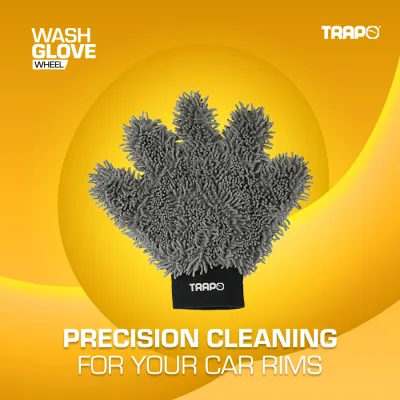
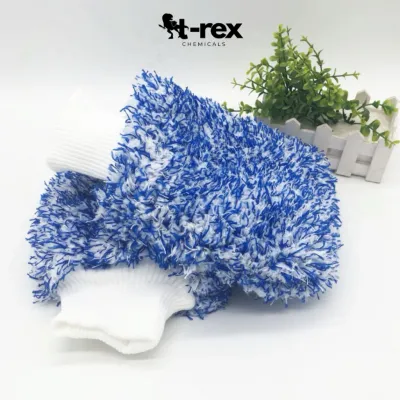
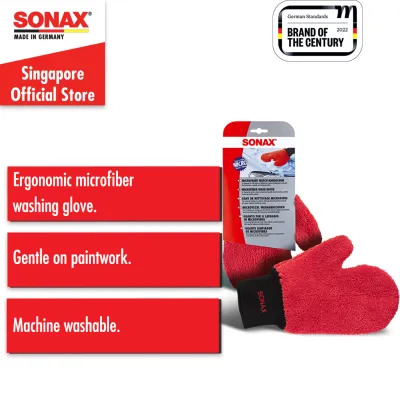
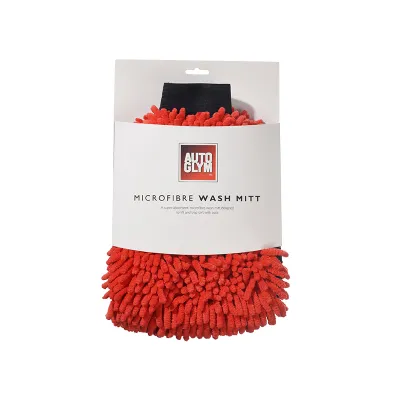
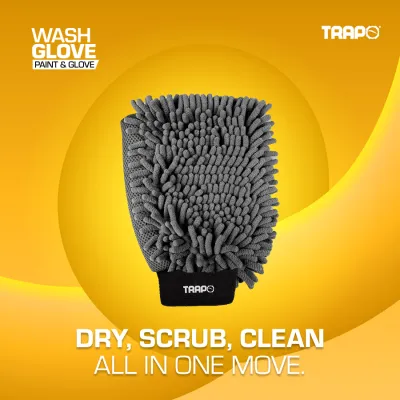
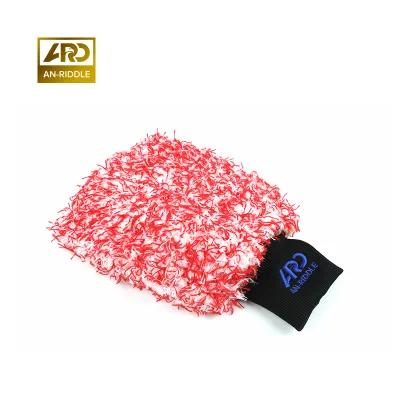
Prices are valid at publication and may change. Please refer to the product page for the latest price.
- GSM (Grams per Square Meter): Measures the density and weight of the fabric, which determines how much soapy water the mitt can hold for lubrication.
- Pile Length: Refers to the height of the individual fiber strands, determining how much space exists to pull dirt away from the paint surface.
- Fiber Blend: The chemical ratio of polyester to polyamide, which dictates the material's softness, absorbency, and durability.
By focusing on these physical properties, you can make an informed purchasing decision tailored to your specific vehicle, rather than relying on generic retail packaging claims.
Understanding GSM: How Density Affects Absorbency and Cushioning
GSM stands for Grams per Square Meter, serving as the industry standard for measuring the density and weight of microfiber fabric. When choosing a car wash mitt, GSM is a critical indicator of two main performance factors: absorbency and cushioning.

A higher GSM mitt—typically ranging from 400 to over 1000 GSM—contains more fibers per square inch. This dense structure allows the mitt to hold a massive volume of soapy wash solution. In Singapore’s hot and humid weather, water on car panels evaporates rapidly during a wash, which can lead to dry spots and increased friction. A thick, high-GSM mitt acts as a reservoir, continuously releasing lubrication as you glide it across the panels. This abundance of soapy water creates a hydroplane effect, minimizing direct friction between the mitt and the paint.
Furthermore, the sheer density of a high-GSM mitt provides a physical cushion. When you apply light pressure with your hand, a dense microfiber layer absorbs that force, preventing your fingers from pressing dirt particles directly into the clear coat.
However, not every detailing task requires maximum density. Here is a general guide to matching GSM to your cleaning needs:
- High GSM (600–1000+ GSM): Ideal for delicate exterior painted panels, especially on vehicles with soft clear coats or dark paint colors where scratches are highly visible.
- Medium GSM (400–600 GSM): Excellent for general exterior washing, offering a balanced weight that is easy to maneuver when fully wet.
- Low GSM (under 400 GSM): Best reserved for less sensitive areas, such as wheels, tires, exhaust tips, and heavily soiled lower rocker panels, where high absorbency is less critical than targeted agitation.
When shopping, always check the product labels or the manufacturer’s official specifications for a verified GSM rating. Be aware that visual thickness can sometimes be deceptive. Some manufacturers insert a thick foam core inside a low-GSM microfiber shell to make the mitt feel plush. While this foam holds water, it does not provide the paint-safe fiber density of a true high-GSM microfiber fabric.
Choosing Pile Length: Trapping Dirt to Prevent Swirl Marks
Pile length refers to the physical height of the microfiber strands extending from the backing material of the mitt. Along with density, pile length determines the mechanical action of the mitt as it moves across your vehicle’s bodywork.
The mechanics of a deep-pile (long) mitt are engineered specifically for paint safety. When long microfiber strands contact a dusty or dirty panel, they wrap around the abrasive particles. Rather than holding the dirt at the contact point, the long fibers draw the debris upward and inward, suspending it deep within the valleys of the pile. This vertical displacement is crucial: it ensures that as you continue your wash stroke, the trapped dirt is kept far away from the delicate clear coat, preventing it from acting like sandpaper.
Conversely, short-pile microfiber has very little vertical space. While short fibers are excellent for direct agitation—making them highly effective for scrubbing glass, textured plastics, or removing stubborn bug splatter—they have a limited capacity to safely encapsulate loose dirt. If you use a short-pile mitt on a heavily soiled painted panel, the dirt remains close to the surface of the mitt, increasing the likelihood of dragging those particles across the paint and creating fine scratches.
To optimize your washing routine, structure your choice of pile length based on the specific areas of your vehicle:
- Long Pile (1.5 cm to 2.5 cm or more): Use these plush, long-strand mitts (often resembling "dreadlocks" or thick chenille caterpillars) for the main, highly visible painted surfaces of your car, such as the hood, roof, trunk, and upper doors.
- Short or Textured Pile (under 1 cm): Reserve these for glass surfaces, chrome trim, or the lowest sections of the vehicle (like the lower side skirts and front bumper) where road tar and grime accumulate.
Always ensure that your long-pile mitts are thoroughly rinsed in clean water frequently during the wash to release the encapsulated dirt from deep within the fibers.
Decoding Fiber Blends: Polyester vs. Polyamide Ratios
Microfiber is a synthetic material made primarily from a blend of two polymers: polyester and polyamide. When reading the specifications of a high-quality car wash mitt, you will typically see this blend expressed as a ratio, such as 80/20 or 70/30. This ratio plays a fundamental role in determining how the mitt behaves, how soft it feels, and how long it will last.
To understand why these ratios matter, it helps to look at the functional characteristics of each polymer:
- Polyester (the first number): This polymer provides the structural backbone of the microfiber. It is highly durable, resistant to stretching and tearing, and provides the mechanical scrubbing power needed to break the bond between road film and your car's paint.
- Polyamide (the second number): Polyamide is essentially nylon. It is highly hydrophilic (water-attracting) and incredibly soft. The polyamide fibers are responsible for the mitt's exceptional water absorption and its gentle, scratch-free glide.
The two most common blends found in automotive detailing are:
- 70/30 Blend: This is considered the premium standard for paint-safe detailing. With 30% polyamide, these mitts are incredibly soft, hold a massive amount of soapy water, and are highly recommended for delicate clear coats, dark-colored cars, and vehicles with professional ceramic coatings.
- 80/20 Blend: This is the workhorse blend of the detailing industry. It offers excellent durability and structural integrity at a more accessible price point. While slightly less absorbent than a 70/30 blend, a high-quality 80/20 mitt is perfectly suitable for daily drivers with harder factory clear coats.
When purchasing a car wash mitt, do not rely solely on how soft the material feels to your hand in a retail store. Many lower-quality mitts are treated with chemical silicone softeners to mimic the feel of premium microfiber. These softeners wash away after one or two uses, leaving behind a stiff, scratchy fabric. Instead, verify the exact chemical blend ratio on the manufacturer’s packaging or official product documentation to ensure lasting quality.
Edge Design and Construction: Hidden Scratch Risks
While the main microfiber face of a wash mitt receives the most attention, the overall construction and edge design are equally critical to preventing accidental paint damage. Even if a mitt features a premium 70/30 blend and a high GSM, poor construction can introduce hard points that scratch your clear coat.
The edges and seams of a wash mitt are the primary hazard zones. Traditional manufacturing often joins the microfiber panels together using standard polyester thread sewn into a hard, exposed seam. If you accidentally tilt the mitt while washing a curved panel—such as a wheel arch or side mirror—this hard, stitched edge can drag across the paint, leaving deep scratches.
To mitigate this risk, look for the following construction features:
- Edgeless or Silk-Banded Designs: High-end mitts often feature edges wrapped in soft silk or microfiber piping, or they utilize ultrasonic welding to fuse the edges without abrasive threads.
- Internal Seams: Ensure that any structural stitching is flipped inside the mitt, leaving only soft microfiber on the exterior contact surfaces.
- Tagless Construction: Avoid mitts with stiff paper or plastic care tags sewn into the outer seams. If a tag is present, carefully cut it off completely before the first use, ensuring no sharp plastic remnants are left behind.
Beyond paint safety, the ergonomics of the mitt’s cuff and inner lining directly impact your washing experience. A secure, high-quality elastic cuff prevents the mitt from slipping off your hand. In a typical washing scenario—whether in a private driveway or an HDB multi-storey car park wash bay—dropping your mitt onto the concrete floor instantly contaminates it with abrasive grit. If this happens, the mitt cannot be safely used on your paint until it has been thoroughly machine washed. A snug cuff, paired with a comfortable inner mesh lining or a stitched finger divider inside the mitt, gives you maximum control and prevents these costly drops.
Matching Mitt Specs to Your Vehicle and Washing Routine
To choose the perfect car wash mitt, you must synthesize these material specifications and match them to your specific vehicle type, paint condition, and washing environment. No single mitt is perfect for every scenario, and many detailers use a multi-mitt system to ensure maximum safety.
Consider these three common scenarios to guide your decision:
- Scenario 1: Daily Drivers with Factory Clear Coats: For standard daily drivers parked outdoors or exposed to daily commuting, a balanced approach is best. Look for a medium-to-high density mitt (around 500 to 600 GSM) with a long, plush pile and a standard 80/20 or 70/30 blend. This configuration provides ample lubrication and dirt-trapping capability to handle typical road grime while remaining durable enough for regular weekly washes. These are widely available in Singapore's automotive shops and online marketplaces, typically priced in the S$10 to S$25 range.
- Scenario 2: Show Cars, Classics, and Soft Paint Finishes: If you own a vehicle with delicate, soft clear coat (common on certain Japanese makes), a classic single-stage paint, or a show car, paint safety is your absolute priority. Select a premium mitt with a very high density (600 to 1000+ GSM), an extra-long deep pile, and a premium 70/30 fiber blend. This combination ensures maximum water retention for lubrication and the softest possible contact surface to eliminate friction. Expect these premium detailing mitts to fall in the S$25 to S$45 price band.
- Scenario 3: Dedicated Wheels, Tires, and Lower-Body Panels: The lowest six inches of your vehicle, along with the wheels and exhaust tips, accumulate the most abrasive and damaging debris, including metallic brake dust and road tar. Never use your primary paint mitt on these areas, as trapped brake dust is incredibly difficult to rinse out completely. Instead, use a dedicated secondary mitt. A lower GSM (300 to 400 GSM) mitt with a shorter, more agitated pile or a specialized textured microfiber surface is ideal here. Keep these mitts strictly color-coded and stored separately to avoid accidental cross-contamination.
Regardless of the specifications you choose, remember that the best material cannot compensate for poor washing techniques. Always use the two-bucket wash method—one bucket for soapy wash water, and one bucket with a grit guard for rinsing the mitt. Ensure you use a high-lubricity car wash shampoo formulated specifically for automotive finishes, and never press down hard on the paint; let the weight of the wet mitt do the work.
How to Wash and Dry Microfiber Mitts to Preserve Performance
A high-quality microfiber car wash mitt is an investment in your vehicle’s appearance, and proper maintenance is essential to preserve its performance and longevity. Because microfiber is made of synthetic polyester and polyamide polymers, it requires specific care to prevent the fibers from melting, clogging, or becoming stiff.
To maintain your mitt’s softness and absorbency, follow these guidelines:
- Wash Separately: Always wash your microfiber mitts and towels separately from other household fabrics, especially cotton towels. Cotton sheds lint, which will get trapped in the microfiber's tiny hook-like structures, instantly turning your paint-safe mitt into a scratching hazard.
- Use the Right Detergent: Wash your mitts using a mild, liquid detergent. Avoid powder detergents, which may not dissolve completely and can leave abrasive particles trapped in the fibers. Strictly avoid fabric softeners and bleach. Fabric softeners work by leaving a thin, chemical silicone coating over fibers to make them feel soft; this coating clogs the microfiber, completely destroying its absorbency and dirt-trapping capabilities.
- Control the Temperature: Wash in cold or warm water. Never use extremely hot water, as high temperatures can melt the microscopic synthetic fibers, causing them to fuse together and become hard and scratchy.
- Dry with Care: The safest way to dry your microfiber mitt is to air dry it in a clean, dust-free indoor environment. In Singapore's humid climate, ensure the drying area has good ventilation to prevent musty odors or mildew from developing. If you prefer to use a tumble dryer, use the absolute lowest heat setting or a "no heat" fluff cycle. High heat in a dryer will instantly ruin microfiber by melting the delicate tips of the strands.
- Check the Label: Always defer to the specific care label and manufacturer instructions provided with your particular wash mitt. If the manufacturer's care instructions conflict with general guidelines, prioritize the official product instructions.
Frequently Asked Questions (FAQ)
Is a high-GSM microfiber mitt safe for ceramic-coated cars?
Yes, high-GSM microfiber mitts are highly recommended for ceramic-coated vehicles. While ceramic coatings provide a hard, sacrificial barrier and excellent hydrophobic properties, they can still experience fine marring and swirl marks if washed with abrasive tools or poor techniques. A high-GSM, long-pile mitt (ideally with a premium 70/30 blend) holds the maximum amount of soapy water, providing the crucial lubrication needed to glide safely over the slick ceramic surface. Always ensure the mitt is meticulously clean before it touches the coated paint, and follow any specific maintenance guidelines provided by your coating installer or manufacturer.
How do I know when it is time to replace my wash mitt?
You should replace your car wash mitt as soon as you observe physical signs of material degradation. Inspect your mitt regularly for a flattened or matted pile that no longer springs back after washing, a stiff or crunchy texture, or a noticeable loss of water absorbency. If the fibers have become contaminated with embedded debris—such as small twigs, pine needles, or metal shards—that cannot be washed out, the mitt must be retired immediately. Once the fibers lose their soft, plush structure and their ability to trap dirt deep within the pile, the mitt becomes a significant scratching hazard. You do not need to discard it immediately; retired paint mitts can be demoted to less critical tasks, such as cleaning muddy wheel wells, engine bays, or undercarriage components.
Community discussion
Share your experience or ask a question. Comments are reviewed before publication.