
Singapore’s intense tropical heat and high humidity cause standard car diffuser perfumes to evaporate rapidly, often leaving a vehicle smelling either overwhelmingly strong initially or completely scentless within days. To combat this, drivers should prioritize oil-based formulations, solid gels, or adjustable vent clips over high-alcohol liquid diffusers. Selecting the right format and managing cabin exposure helps maintain a consistent, pleasant aroma without constant, costly replacements.
By understanding how environmental factors interact with different fragrance bases, you can make an informed decision that keeps your vehicle smelling fresh. This guide explores how to select, place, and maintain a car diffuser perfume to maximize its lifespan in tropical conditions.
Understanding How Tropical Heat Affects Car Diffusers
When a vehicle is parked in the open sun in Singapore, cabin temperatures can rise significantly higher than the ambient outdoor temperature. This intense heat creates a greenhouse effect inside the closed cabin, which directly accelerates the evaporation rate of any volatile liquid. For standard car diffuser perfumes, this means the liquid carrier and fragrance compounds vaporize at an unsustainable speed, depleting the product long before its estimated lifespan.
Products mentioned in this guide
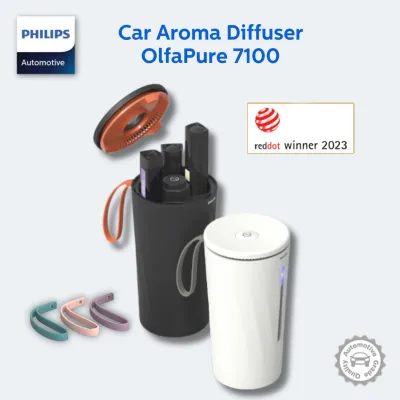


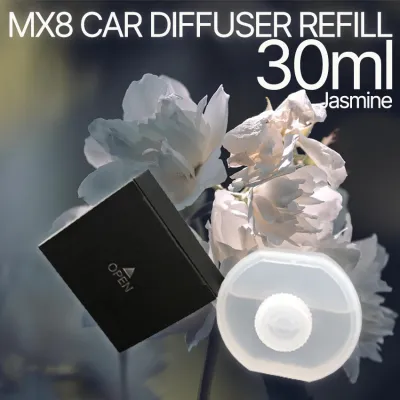
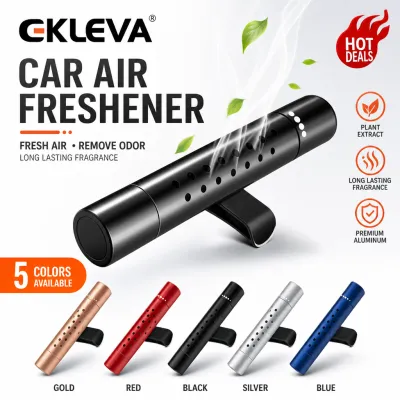
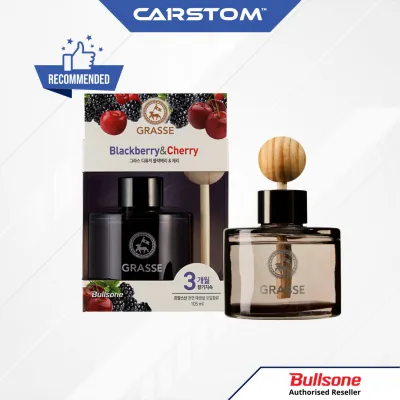
Prices are valid at publication and may change. Please refer to the product page for the latest price.
High-alcohol liquid diffusers are particularly vulnerable to these elevated temperatures. Alcohol has a low boiling point and evaporates rapidly, which can lead to an overwhelming burst of scent when you first enter the car, followed by a completely dry diffuser within a couple of weeks. In contrast, oil-based formulations, solid waxes, and gel alternatives release their fragrance molecules much more slowly, making them far more suitable for tropical climates.
Before purchasing any car fragrance product, it is essential to check the manufacturer’s temperature limits and interior safety warnings. Some liquid diffusers are not rated for extreme cabin heat and can leak, crack, or even degrade chemically when exposed to direct sunlight. Verifying these specifications helps protect your vehicle’s interior surfaces from accidental damage.
Comparing Diffuser Types for High-Temperature Cabins
Selecting the right delivery mechanism is the most effective way to control how quickly your car diffuser perfume dissipates in tropical conditions. Different formats react uniquely to heat, airflow, and humidity, meaning some designs will naturally outlast others in a parked vehicle.

- Vent Clips: These devices rely primarily on the vehicle's air conditioning airflow to project the scent throughout the cabin. When the AC is turned off and the car is parked, the scent dispersion drops significantly, which helps preserve the fragrance. Because the ambient heat does not rapidly deplete the saturated scent pad or ceramic tablet inside, vent clips tend to offer excellent longevity in hot climates.
- Hanging Glass Bottles: Often featuring a wooden lid that absorbs and diffuses liquid perfume, hanging bottles carry a high risk of rapid evaporation in direct sunlight. The constant exposure to UV rays and heat through the windshield can cause the liquid to boil or expand, leading to rapid depletion and potential spillage onto the dashboard or center console.
- Solid Wax or Gel Beads: Solid and gel-based air fresheners generally offer slower, more consistent evaporation rates because they do not rely on highly volatile liquid carriers. The fragrance is bound within a solid matrix, which releases the scent gradually even when the cabin heats up. However, drivers should note that extreme temperatures can sometimes alter the physical texture of certain gels, causing them to shrink or liquefy slightly over time.
- Electronic Diffusers: These battery-powered or USB-charged devices provide highly controlled dispersion by releasing a fine mist at set intervals. While they offer the most precise control over scent intensity, you must verify the device's maximum operating temperature specifications. High cabin heat can degrade internal lithium-ion batteries or damage the micro-motors, making it risky to leave them on the dashboard or in direct sunlight.
What to Look for on the Label for Better Longevity
Reading the product label carefully before buying a car diffuser perfume can save you from premature refills and disappointing performance. Understanding the chemical makeup and physical design of the product allows you to predict how it will behave in Singapore’s humid environment.
- Formulation Base: Look for products that explicitly state they are oil-based or contain high-concentration perfume oils. Unlike alcohol-based sprays or liquid diffusers that flash off quickly in the heat, oil-based carriers have a much higher boiling point. This physical property ensures that the fragrance molecules are released slowly and steadily, even when the car interior reaches high temperatures.
- Scent Profile Considerations: Fragrances are composed of top, middle, and base notes, each evaporating at different speeds. Lighter top notes, such as citrus, mint, and light florals, evaporate very quickly when exposed to tropical heat. To ensure your car perfume lasts, look for scent profiles dominated by heavier, more stable base notes like sandalwood, cedarwood, amber, or vanilla, which naturally resist rapid thermal degradation.
- Packaging and Wick Materials: The physical container plays a vital role in protecting the fragrance from environmental degradation. Opt for diffusers housed in UV-resistant glass or dark, opaque containers that shield the liquid from direct sunlight. Additionally, look for designs featuring adjustable wicks or vents, which allow you to manually restrict the exposure area and slow down the evaporation rate during the hottest months.
Safe Placement to Protect Your Car Interior
Where you position your car diffuser perfume is just as important as the type of fragrance you choose. Incorrect placement not only accelerates evaporation but can also lead to costly cosmetic damage to your vehicle’s interior surfaces.
- Avoiding the Dashboard: The top of the dashboard is the hottest zone in any parked car, receiving direct, unfiltered sunlight through the windshield. Placing liquid diffusers or gel pots here exposes them to extreme thermal stress, which can cause liquids to expand and leak, or gels to melt. The chemical compounds in many concentrated perfumes can cause permanent bubbling, peeling, or cracking on leather, soft-touch plastics, and digital touchscreens if a spill occurs.
- Optimal Positioning: To maximize scent distribution while protecting the diffuser from heat, utilize shaded areas of the cabin. Placing the diffuser in a lower cup holder, under a seat, or attached to a lower door pocket keeps it out of direct UV exposure. Additionally, using a high-quality front windshield sunshade when parked helps lower the overall cabin temperature, protecting both your diffuser and your interior materials.
- Spill Mitigation: When selecting a liquid-based diffuser, prioritize designs that feature leak-proof membranes or secure, screw-on wooden caps. If a heat-induced spill does occur, it is critical to act immediately. Wipe up the liquid using a dry microfiber cloth, then clean the area with a mild, material-safe interior cleaner to neutralize the concentrated oils before they can chemically bond with and damage the plastic or leather upholstery.
Daily Habits to Extend Scent Longevity
Developing a few simple habits can significantly extend the lifespan of your car diffuser perfume, ensuring you get the maximum value out of every purchase. Small adjustments to how you manage your vehicle’s environment can prevent the tropical climate from prematurely exhausting your fragrance.
- Adjusting Exposure: If you use an adjustable vent clip or a manual diffuser, make it a habit to close the vents or cap the device when parking your car in the sun for extended periods. By restricting the airflow and sealing the fragrance source, you prevent the ambient heat from drawing out the scent while the vehicle is idle.
- Cabin Preparation: High humidity can trap moisture inside your car, which often mixes with dust and upholstery odors to create a musty smell that mutes or sours your perfume. Regularly cleaning your car's interior, vacuuming the carpets, and using a moisture absorber can keep the cabin air dry and clean. This allows your chosen fragrance to perform effectively without needing to compete with or mask unpleasant odors.
- Replacement Indicators: It is important to recognize when a diffuser needs to be replaced rather than simply adjusted. Over time, extreme heat can degrade the chemical structure of the perfume oils, causing them to change color, thicken, or emit a weak, slightly sour scent. If the liquid has turned dark or cloudy, or if the gel has shrunk into a hard, scentless block, it is time to replace the unit to maintain a fresh cabin environment.
Frequently Asked Questions (FAQ)
Why does my car perfume lose its scent so quickly in Singapore?
The rapid loss of scent is primarily caused by the greenhouse effect inside parked vehicles. When your car sits under the Singapore sun, interior temperatures soar, causing the volatile compounds in the perfume to evaporate at an accelerated rate. Additionally, constant exposure to a strong, concentrated fragrance in a small, hot space can lead to olfactory fatigue, commonly known as nose blindness. Your brain begins to filter out the scent as background noise, making it seem as though the diffuser has stopped working even when it is still actively releasing fragrance.
Are solid car perfumes safer for my dashboard than liquid ones?
Generally, solid car perfumes, such as ceramic tablets, wax blocks, or gel beads, carry a much lower risk of causing immediate chemical damage compared to liquid formulations. Liquid perfumes often contain alcohol or solvents that can instantly dissolve plastics, strip paint, or ruin leather upholstery if they leak or spill due to heat expansion. However, solid gels can still melt or leave a sticky residue if placed directly on a hot dashboard under intense sunlight. To protect your vehicle, always check the product’s safety label and avoid placing any fragrance product directly on sensitive interior surfaces.

Community discussion
Share your experience or ask a question. Comments are reviewed before publication.