
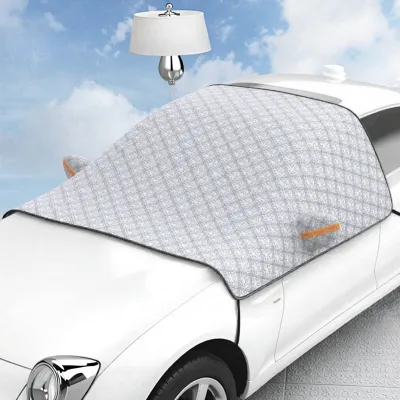
Parked under Singapore’s relentless sun, an outdoor-parked vehicle quickly transforms into a virtual oven. While a full car cover offers complete protection, the sheer effort of deploying, folding, and storing a massive sheet of fabric daily often leads to it being abandoned in the boot. A high-quality half car cover provides the ideal compromise for Singapore’s tropical climate. By shielding the windshield, side windows, roof, and rear glass, it targetedly blocks solar radiation where heat transfer is highest, while remaining fast and simple to use. To choose the right one, you must prioritize advanced UV-reflective materials, balanced waterproofing and breathability, and a highly secure wind-fastening system.
Why a Half Car Cover Makes Sense in Singapore's Climate
Singapore sits just north of the equator, experiencing high temperatures, extreme UV levels, and sudden, torrential downpours year-round. An outdoor parking lot exposes your vehicle’s cabin to intense solar radiation, which can easily push interior dashboard temperatures past 70 degrees Celsius. This extreme heat degrades sensitive electronics, cracks leather upholstery, and accelerates the aging of rubber door seals.
While a full-sized cover protects the entire bodywork, it presents distinct practical challenges in a tropical urban environment. Deploying a full cover after a long drive means draping heavy fabric over a hot engine bay and dirty lower body panels, which can trap heat and grind road grime into the paintwork. Furthermore, folding a soaking-wet full cover after a sudden afternoon monsoon is a messy, physically demanding task.
Products mentioned in this guide
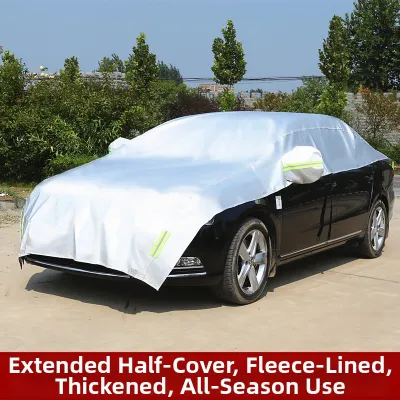

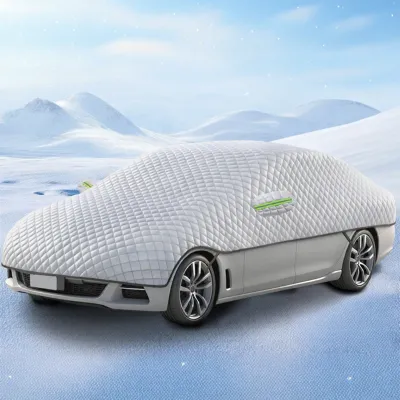
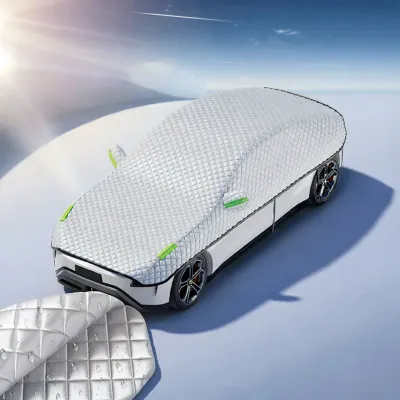
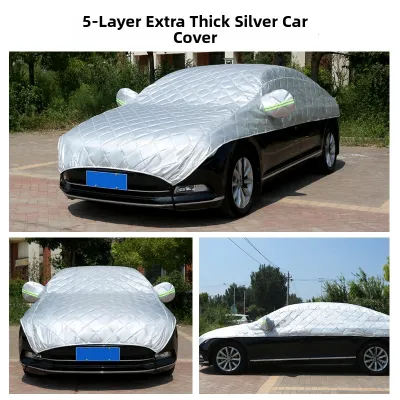
Prices are valid at publication and may change. Please refer to the product page for the latest price.
A half car cover solves these pain points by focusing protection on the greenhouse portion of the vehicle. It covers the glass surfaces and roof, which are the primary pathways for solar heat gain. Because it does not touch the wheels, bumpers, or lower side panels, it stays cleaner, weighs significantly less, and can be installed or removed in under two minutes. This convenience makes it a highly practical accessory for daily commuters who park in open-air HDB car parks or uncovered driveways.
Key Material Features to Look For
Selecting a half cover requires looking past generic marketing buzzwords and evaluating the actual physical construction of the fabric. The ideal cover must perform two seemingly contradictory tasks: reflecting intense solar radiation while managing heavy rainfall and high humidity.

UV Protection and Heat Reflection
To keep your car’s interior cool, the outer layer of the half cover must actively reflect sunlight rather than absorb it. Look for covers featuring highly reflective silver coatings, aluminum-foil laminates, or high-density polyethylene (HDPE) outer shells. These materials act as a mirror, bouncing away harmful Ultraviolet (UV) rays and infrared radiation. When shopping, check the product specifications for verified Ultraviolet Protection Factor (UPF) ratings, aiming for UPF 50+ to ensure maximum solar blockage.
The inner layer of the cover requires a completely different material profile. It must be soft and non-abrasive to prevent micro-scratches on your vehicle’s glass, gloss-black pillars, and paintwork. Look for covers lined with soft cotton, brushed polyester, or smooth fleece. This multi-layer design ensures that while the outer shell battles the harsh equatorial sun, the inner lining cushions your vehicle’s delicate exterior surfaces.
Waterproofing vs. Breathability
Singapore’s frequent, heavy downpours demand a highly waterproof outer barrier. A quality half cover should feature heat-sealed or taped seams rather than simple stitching, which can allow water to seep through over time. Look for materials treated with durable water repellent (DWR) coatings or those specifying a high hydrostatic head rating, which indicates the fabric’s ability to resist water penetration under pressure.
However, absolute waterproofing must be balanced with breathability. Singapore’s relative humidity frequently exceeds 80 percent, meaning moisture from the air and ground will naturally rise under the cover. If the fabric is completely non-porous and lacks ventilation, this moisture becomes trapped against your vehicle’s surfaces. Under the hot sun, this trapped moisture turns into a humid greenhouse, leading to paint clouding (osmotic blistering), mold growth on window seals, and musty odors inside the cabin.
To prevent this, select a cover engineered with breathable micro-porous membranes or integrated air vents. Ventilation flaps, typically positioned near the top or sides of the cover, allow warm air and rising moisture to escape while keeping rain out. This continuous airflow keeps the covered areas dry and protects your clear coat from long-term moisture damage.
Fit, Security, and Practical Design
A half car cover is only effective if it remains securely attached to your vehicle. Singapore’s monsoon seasons bring sudden, violent wind gusts, often associated with Sumatra squalls, which can easily lift and blow away poorly secured covers.
When choosing a cover, carefully inspect the fastening mechanisms. Relying on simple elastic hems is rarely sufficient for outdoor parking. Look for robust tie-down straps with adjustable plastic buckles that secure around the side mirrors, door handles, or wheel spokes. Some designs feature straps that clip inside the car doors or trunk lid, providing both wind security and a basic level of theft deterrence.
Sizing is equally critical. A cover that is too large will flap violently in the wind, causing the fabric to rub against your paintwork like sandpaper. Conversely, a cover that is too small will not provide adequate coverage and will put excessive tension on the straps and seams, leading to premature tearing. Always consult the manufacturer’s size charts to match the cover to your specific vehicle class, whether you drive a compact hatchback, a sedan, or a taller SUV or MPV.
Before purchasing, verify compatibility with your vehicle’s specific physical features. Standard covers may not fit properly if your car has large aftermarket side mirrors, a prominent shark-fin antenna, or a roof rack. Always check both your vehicle’s documentation and the car cover manufacturer’s instructions to ensure a proper fit. If you are unsure about fitment or potential interference with exterior sensors and cameras, consult the manufacturer or a qualified automotive professional before installation.
Daily Use and Maintenance in Tropical Conditions
To maximize the lifespan of your half car cover and protect your vehicle’s finish, you must establish a safe daily routine. Improper use can lead to paint damage, mold growth, or premature degradation of the cover’s protective coatings.
Before applying the cover, ensure your vehicle’s surface is clean and free of loose dust, grit, or sand. If you place a cover over a dusty car, wind movement will cause the cover to rub those abrasive particles against the clear coat, resulting in fine swirl marks and scratches. A quick wipe with a clean microfiber cloth or a rapid rinse is highly recommended if the car has been driven or parked in a dusty area.
When removing the cover, follow a systematic folding method. Roll or fold the cover from the outer edges toward the center, keeping the dirty outer side from coming into contact with the clean inner lining. Never bundle a wet cover into a tight ball and throw it into your boot. Doing so creates a breeding ground for mold, mildew, and unpleasant odors. If you must remove the cover while it is wet, place it loosely in your boot and hang it up to dry completely in a shaded, well-ventilated area as soon as you reach your destination.
To clean the cover, always check the applied product’s label and follow the manufacturer’s specific care instructions. If instructions conflict or are unavailable, perform a gentle hand wash using a soft sponge and a mild, manufacturer-approved automotive soap. Never use harsh household detergents, bleach, or fabric softeners, as these chemicals can strip away the UV-reflective and waterproof coatings. Avoid machine washing and tumble drying, which can tear the seams and delaminate the waterproof membranes. Always let the cover air dry fully before storing it.
Frequently Asked Questions (FAQ)
Will a half car cover scratch my car's paint?
The high-quality fabric of a car cover does not scratch paint on its own. Instead, scratches are almost always caused by fine dust, dirt, and road grime trapped between the cover’s lining and the car’s surface. When wind causes the cover to shift or flap, these trapped particles act like sandpaper on your clear coat. To prevent this, only apply the cover to a clean vehicle, ensure the straps are tightened securely to minimize wind movement, and choose a cover with a soft, non-abrasive inner lining like cotton or fleece.
Can I use a half car cover during a heavy thunderstorm?
A half car cover is designed to protect your cabin, glass, and roof from direct rain, bird droppings, and falling leaves. However, during a severe thunderstorm with high winds and torrential downpours, a half cover leaves the lower half of your vehicle exposed to splashing road grime, mud, and rising water. Extremely strong winds can also put immense stress on the straps, potentially damaging the cover or your vehicle’s mounting points. For severe weather warnings, parking your vehicle in a sheltered multi-story car park is always the safest and most comprehensive option.
Community discussion
Share your experience or ask a question. Comments are reviewed before publication.