
Finding the right foldable raincoat for motorcycle riding is a balancing act between two competing priorities: how small the suit packs down and how well it keeps you dry under pressure. In a tropical climate where sudden downpours are a daily reality, a cheap, flimsy emergency poncho will quickly fail at highway speeds, while a heavy-duty, multi-layered touring suit can overwhelm your limited storage space. To make an informed decision, you must evaluate your typical riding conditions, assess your vehicle’s storage capacity, and understand the technical specifications that differentiate high-performance riding gear from standard pedestrian rainwear.
Diagnose Your Riding Habits and Weather Exposure
Before looking at product listings, you must evaluate your specific riding profile and the environmental conditions you face. A rider who commutes daily along major expressways like the Pan Island Expressway (PIE) or East Coast Parkway (ECP) requires a vastly different level of protection than someone who only takes occasional short trips to local shops. Your exposure time directly dictates the level of water resistance your gear must provide, as even minor leaks become major issues during extended rides.
In Singapore, the weather is characterized by high humidity and sudden, intense tropical downpours. During the monsoon seasons, a clear sky can transform into a torrential downpour within minutes, bringing heavy rain accompanied by strong wind gusts. If your daily route involves navigating these unpredictable patterns, your gear must be rapidly deployable and capable of withstanding high-velocity water impact.
Products mentioned in this guide
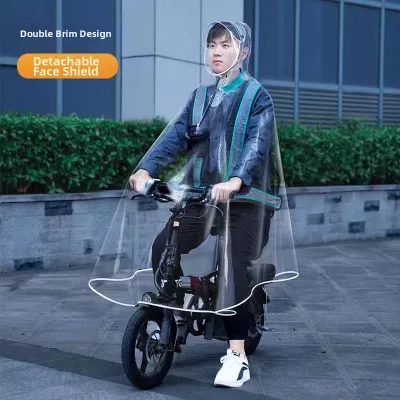
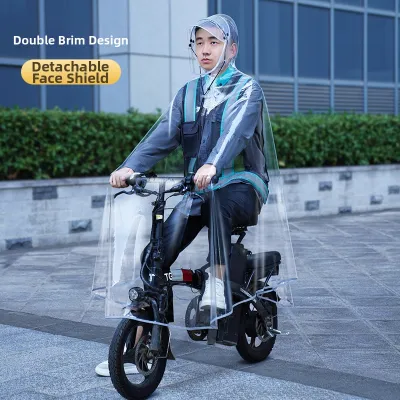
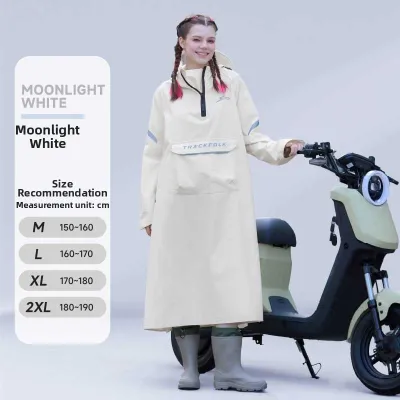
![[SG SELLER] Waterproof Foldable Windbreaker raincoat suitable for rain anti uv lightweight for travel outdoor sports](https://img.lazcdn.com/g/p/085ffd7099bcf3c22f4a68c3534080e7.jpg_400x400q80.jpg_.webp)
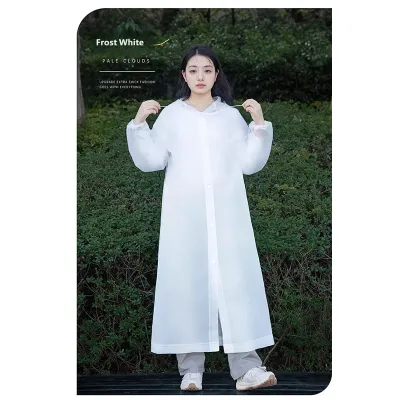

Prices are valid at publication and may change. Please refer to the product page for the latest price.
To establish your baseline needs, ask yourself the following diagnostic questions:
- How long is your average wet-weather ride? A 15-minute neighborhood trip requires less sustained waterproofing than a 45-minute highway commute where water is constantly forced against the fabric.
- Where do you store your wet gear after a ride? If you must immediately pack the wet raincoat back into your motorcycle storage, you will need a material that sheds water rapidly or includes a breathable, quick-drying storage bag.
- What is your speed profile? Riding at 80 km/h on expressways subjects your raincoat to intense wind pressure, which forces water through weak seams and causes loose fabric to flap violently.
- Are you willing to sacrifice storage space for absolute dryness? Deciding whether you prioritize an ultra-compact pack size over heavy-duty, multi-layered protection is the single most important trade-off you will make.
By answering these questions honestly, you can avoid the common pitfalls of either overbuying heavy, bulky gear that you end up leaving at home, or underbuying a flimsy cover that leaves you soaked and cold during a sudden storm.
Assess Your Storage Limits and Packability Needs
The best raincoat is the one you actually have with you when the skies open up. Therefore, your motorcycle’s physical storage constraints must guide your purchase. You must measure and evaluate the available space in your under-seat compartment, top box, tank bag, or backpack to determine the maximum packed dimensions your new gear can occupy.

Different raincoat designs utilize distinct folding mechanisms, each presenting unique trade-offs:
- Roll-up designs: These are highly common in mid-range motorcycle gear. They allow you to roll the jacket and trousers tightly into a cylindrical shape, which fits easily into narrow spaces or alongside other tools.
- Built-in storage pouches: Some lightweight raincoats fold directly into their own pockets or an integrated pouch. While highly convenient and compact, these pouches can sometimes trap moisture if the gear is packed away while still damp.
- Origami-style flat folds: These designs lay flat, making them ideal for storing at the bottom of a backpack or top box beneath other items, though they can be more time-consuming to fold neatly in a hurry.
Weight and material thickness also play a major role in packability. Ultra-lightweight materials use thin synthetic fibers that pack down to the size of a water bottle, but they often lack the structural integrity to withstand high-speed wind flapping or the abrasive friction of a backpack’s shoulder straps. Conversely, heavier fabrics offer excellent durability and wind resistance but demand substantial storage volume.
Before finalizing your choice, physically simulate how the packed raincoat will fit into your designated storage compartment. Ensure that carrying your rain gear does not force you to leave behind other safety essentials, such as your tire puncture kit, registration documents, or a spare helmet visor.
Verify Material Specs and Waterproofing Standards
When shopping for a foldable raincoat, you must look past generic marketing claims and carefully verify the technical specifications listed on the product label. Understanding these terms is crucial to ensuring your gear can handle the unique demands of motorcycle riding.
The most critical distinction to understand is between “water-resistant” and “waterproof” materials. Water-resistant fabrics are typically treated with a temporary durable water repellent (DWR) coating that sheds light rain but will quickly saturate under heavy pressure. For riding, you must look for a specific hydrostatic head rating, which measures the water pressure a fabric can withstand before leaking. A rating of 10,000mm is generally considered the minimum baseline for motorcycle riding, while 15,000mm or higher offers excellent protection against high-speed wind and rain.
Even the most waterproof fabric will fail if the seams are not properly constructed. Standard sewing needles leave thousands of tiny holes in the fabric that act as entry points for water. When evaluating a raincoat, verify that it features fully taped or heat-sealed seams. This construction involves applying a waterproof tape over the stitched seams on the inside of the garment, preventing water from penetrating under the force of riding wind.
In hot, humid climates, breathability is just as important as waterproofing. Wearing a completely sealed, non-breathable plastic or heavy PVC raincoat will quickly trap your body heat, leading to intense internal condensation and sweat buildup that leaves you just as wet inside as you would be from the rain. Look for fabrics with high breathability ratings (measured in grams per square meter over 24 hours, such as 5,000g/m²/24h) or garments designed with strategic passive ventilation, such as covered back vents, mesh-lined underarm gussets, or zippered vents that can be closed during heavy downpours.
Finally, consider the material’s durability and abrasion resistance. High-friction zones—specifically the shoulders, elbows, and seat area—are subject to constant wear from your riding position and the movement of a backpack. Look for raincoats that incorporate reinforced panels or higher-denier fabrics in these key areas to prevent premature wear and tearing.
Check Safety Features and Wet-Weather Visibility
Riding in the rain significantly reduces visibility for all road users, making safety features a paramount consideration when choosing your gear. Your raincoat must not only keep you dry but also ensure you remain highly visible to other motorists on dark, rain-slicked roads.
Reflective elements are your primary defense against low-visibility conditions. Verify the placement, width, and quality of the reflective strips or piping on the raincoat. To ensure 360-degree visibility, these reflective features should be positioned across the upper back, chest, shoulders, and along the outer sides of the arms and legs. This ensures that you are visible to vehicles approaching from any angle, especially when filtering through traffic or waiting at junctions.
Color choice is another major factor in wet-weather safety. While dark colors like black or grey may look sleek, they make you virtually invisible in heavy rain or at night. Opting for high-visibility colors, such as neon yellow, bright orange, or lime green, dramatically increases your visual presence on the road. If you prefer a darker aesthetic for daily wear, look for raincoats that feature large, high-contrast high-visibility panels combined with reflective elements.
The design of the hood and collar can also impact your safety and comfort. A poorly designed hood can act like a parachute at highway speeds, catching the wind and pulling uncomfortably on your neck, or blocking your peripheral vision when you turn your head. Check if the raincoat’s hood is fully detachable, stowable within the collar, or designed with an ultra-thin profile that fits comfortably underneath your helmet. The collar itself should be high and adjustable, featuring a soft lining to prevent chafing and a secure storm flap to stop water from running down your neck.
Lastly, verify the quality and adjustability of the garment’s closures. Elasticized or velcro-adjustable cuffs are essential for sealing the wrists against water entry, especially when tucked over or under your riding gloves. Similarly, adjustable waist straps and ankle closures with long zippers allow you to secure the excess fabric, preventing it from flapping violently in the wind and ensuring you can easily pull the trousers over your riding boots without snagging.
Match Your Diagnosis to the Right Foldable Raincoat Type
Selecting the ideal foldable raincoat requires matching your diagnosed riding habits, storage limitations, and safety requirements to one of three primary product categories. Each path represents a distinct compromise between packability and protection.
Path A: Maximum Portability for Short, Occasional Rides
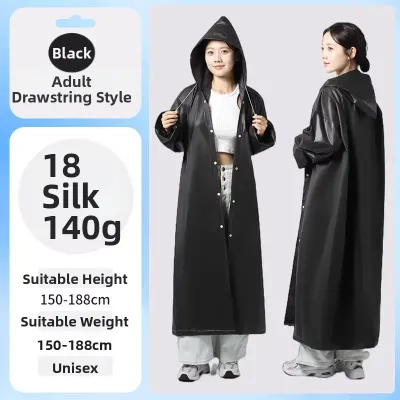
This path is designed for riders who prioritize minimal storage space and only require emergency protection for short distances. These raincoats are constructed from ultra-thin, lightweight synthetic materials that pack down into a tiny, palm-sized pouch, making them exceptionally easy to store under a scooter seat or in a jacket pocket. However, this extreme packability comes with clear trade-offs: these garments offer basic waterproofing, lack advanced breathability, and are highly susceptible to tearing or flapping at highway speeds. They are best suited for urban riders who only need to survive a sudden, brief shower to reach nearby shelter.
Path B: Balanced Protection for Daily Commuting
For daily commuters who must ride regardless of the weather, this middle ground offers the most practical balance. These raincoats are made from durable, mid-weight fabrics featuring fully taped seams, dedicated ventilation ports, and robust reflective elements. While they require slightly more storage space—typically folding into a compact bundle that fits easily inside a top box, backpack, or tail bag—they provide reliable, long-lasting waterproofing and wind resistance. This category is engineered to keep you dry and comfortable during typical daily commutes across the city without overwhelming your carrying capacity.
Path C: Maximum Protection for Long-Distance or Heavy Rain
If you regularly undertake long-distance touring or cannot afford to let any water penetrate your gear, this path offers uncompromising protection. These heavy-duty raincoats feature multi-layer technical laminates, extensive abrasion-resistant reinforcements, and comprehensive sealing systems, often in a robust two-piece jacket and pants configuration. Because they utilize thick, durable materials, they cannot be folded into a tiny pouch and will occupy a significant portion of your top box or panniers. In exchange for this bulk, you receive the highest level of waterproofing, windproofing, and structural durability, allowing you to ride safely through sustained, heavy downpours.
Frequently Asked Questions (FAQ)
These common questions can help you optimize your rain gear selection and maintenance.
Can I use a standard pedestrian foldable raincoat for motorcycle riding?
No, standard pedestrian raincoats are not suitable for motorcycle riding. They lack the aerodynamic tailoring required to handle riding speeds, causing the loose fabric to flap violently, which can distract you, fatigue your muscles, or even tear the material. Additionally, pedestrian gear does not feature the reinforced high-friction zones needed to withstand the wear of riding positions, nor does it have the specialized closures at the collar, wrists, and ankles to prevent water from being forced inside by the wind.
How should I dry and store my raincoat to prevent mold in high humidity?
To prevent mold and maintain the integrity of the waterproof coatings, you must always air-dry your raincoat completely in a well-ventilated, shaded area before folding it back into its storage pouch. Never store damp gear in sealed compartments or under-seat bays, as the trapped moisture combined with engine heat creates an ideal environment for mildew growth. Additionally, avoid exposing the raincoat to direct, intense sunlight for prolonged periods, as UV rays can degrade the synthetic fabrics and waterproof membranes over time.
Community discussion
Share your experience or ask a question. Comments are reviewed before publication.