
To ensure a car side mirror cover fits your vehicle precisely, you must prioritize Original Equipment Manufacturer (OEM) parts or model-specific custom-fit aftermarket covers. Universal options rarely provide the exact alignment needed for modern automotive designs. Before making any purchase, verify your vehicle’s exact manufacturing year, make, model, and specific trim level, as even minor mid-generation facelifts can alter the mirror housing shape. Additionally, check for integrated features such as side-view cameras, blind-spot detection indicators, and LED turn signals, ensuring the replacement cover has the exact cutouts and clearances required to keep these safety systems fully functional.
Understanding Fitment Categories: OEM vs. Aftermarket
When searching for a replacement or upgrade, you will generally encounter three distinct categories of side mirror covers. Understanding the structural and manufacturing differences between these categories is essential for making an informed decision that preserves your vehicle’s aesthetics and aerodynamics.
Original Equipment Manufacturer (OEM) replacements are identical to the factory-installed covers that came with your vehicle. Sourced directly from authorized dealerships or certified parts distributors, these components offer the highest level of fitment reliability. They utilize the exact same mounting clips, internal structural ribs, and plastic formulations as your original mirrors. If your vehicle features a specific factory paint code, OEM replacements can often be ordered pre-painted, ensuring an exact color match. While OEM parts represent the most reliable option, they typically carry a higher price tag.
Products mentioned in this guide
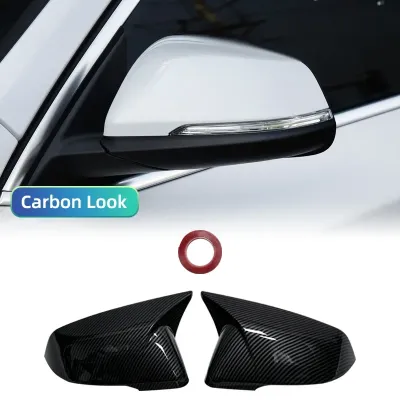
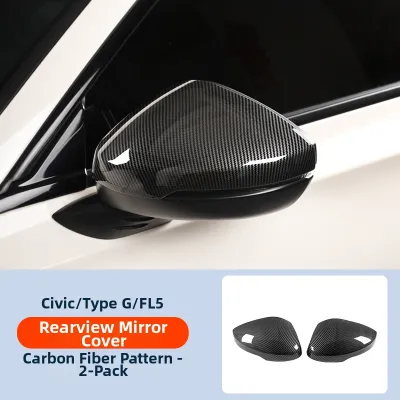
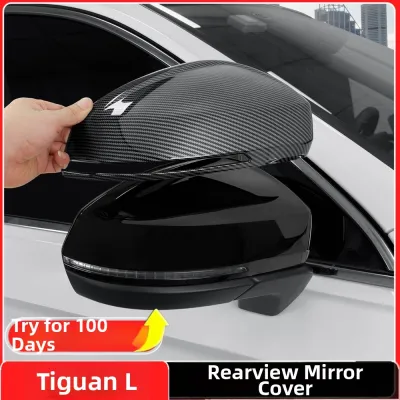
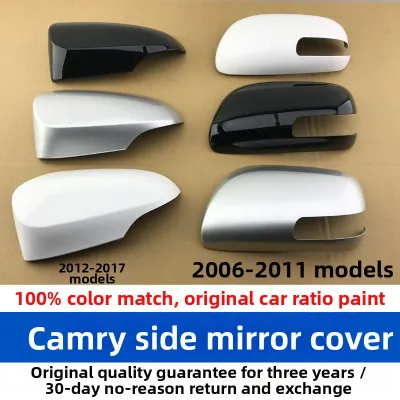
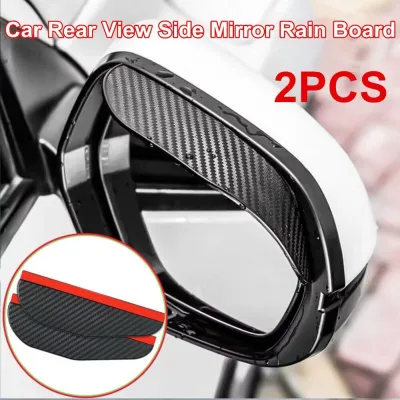
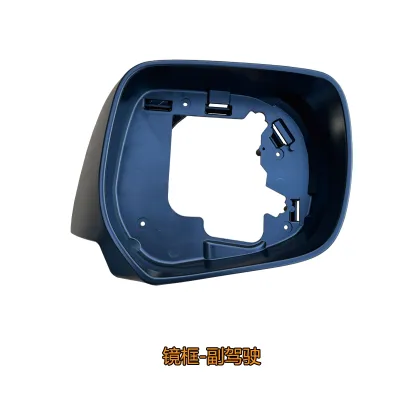
Prices are valid at publication and may change. Please refer to the product page for the latest price.
Custom-fit aftermarket covers are designed by third-party manufacturers for specific vehicle makes, models, and year ranges. These covers are popular among car owners looking for cosmetic upgrades, such as a gloss black finish, a matte look, or a faux carbon fiber pattern. High-quality custom-fit covers replicate the internal clip configurations of OEM parts, allowing for a direct snap-in installation. However, because manufacturing tolerances can vary among third-party brands, it is crucial to verify the manufacturer’s reputation and read detailed product listings to ensure the cover matches your specific trim level.
Universal or semi-universal covers are generic products designed to fit a wide range of vehicle sizes rather than a specific model. These products typically rely on double-sided adhesive tape to stick over your existing mirror housing. You should generally avoid universal covers for modern vehicles. Because they are not molded to the exact aerodynamic contours of your specific mirror, they often leave unsightly gaps, create noticeable wind noise or whistling at highway speeds, and can vibrate loose over time. Furthermore, universal covers rarely account for integrated sensors, cameras, or turn signals, posing a significant risk of obstructing critical safety features.
How to Verify Fitment Before You Buy
To avoid the inconvenience of purchasing an incompatible part, you should follow a systematic verification process before finalizing your order. Relying solely on a product title or a broad compatibility tag is a common mistake that often results in return shipping costs and installation delays.

First, locate your vehicle’s exact specifications. The most reliable way to do this is by referencing your Vehicle Identification Number (VIN), which can be found on your vehicle’s registration documents, insurance card, or the small metal plate visible through the bottom of the windshield. Authorized parts dealers and specialized online retailers can decode your VIN to identify the precise build configuration of your car. This step is crucial because vehicle manufacturers often introduce subtle design changes during mid-cycle refreshes or facelifts, meaning a 2022 model may have a slightly different mirror shape than a 2024 model of the same generation.
Second, pay close attention to your vehicle’s trim level. Higher trim levels often feature power-folding mirrors, integrated puddle lights, or side-view cameras, which alter the physical shape and underside design of the mirror housing compared to base models. A cover designed for a manual-folding mirror will not fit a power-folding mirror housing due to differences in the internal clearance and pivot points.
Third, if you are replacing a damaged original cover, consider removing the broken piece to inspect its underside. Manufacturers almost always stamp the official OEM part number directly onto the inner plastic lining of the cover. Searching for this specific part number online or presenting it to a parts counter is the most foolproof method to secure an exact match.
Fourth, be cautious when considering physical measurements. While measuring the height, width, and depth of your mirror housing might seem like a practical step, it is rarely sufficient for modern vehicles. Modern side mirrors feature complex, aerodynamic curves, tapering angles, and integrated wind deflectors that cannot be accurately captured with a standard tape measure. Physical measurements should only be used as a secondary reference for basic slip-on protective sleeves, and even then, they do not guarantee a snug fit.
Finally, always read the product description for explicit compatibility statements. Look for listings that detail the exact years and trims supported, and check whether the product is designed for left-hand drive (LHD) or right-hand drive (RHD) vehicles. Because the driver and passenger side mirrors are angled differently to accommodate the driver’s line of sight, a cover designed for an LHD vehicle’s driver-side mirror may not align correctly on an RHD vehicle’s driver-side mirror.
Evaluating Materials for Heat and Weather Resistance
Side mirror covers are constantly exposed to harsh environmental elements, making material selection a key factor in long-term durability. In tropical climates like Singapore, where vehicles face intense, year-round ultraviolet (UV) radiation, high humidity, and sudden, heavy downpours, choosing the right material is especially important.
- Acrylonitrile Butadiene Styrene (ABS) Plastic: This is the most common material used for both OEM and aftermarket mirror covers. ABS plastic is highly impact-resistant, lightweight, and structurally rigid. However, raw, untreated ABS can become brittle and fade when exposed to prolonged sunlight. To ensure longevity, verify that the ABS cover has been treated with a UV-stabilized clear coat or is painted with automotive-grade paint that offers UV protection.
- Polycarbonate (PC): Known for its exceptional impact strength and thermal stability, polycarbonate is often used in premium aftermarket covers. It can withstand higher temperatures than standard ABS without warping or cracking, making it an excellent choice for vehicles parked in open-air parking lots or exposed to direct sunlight for extended periods.
- Faux Carbon Fiber: Many cosmetic covers feature a carbon fiber pattern achieved through hydro-dipping or a vinyl overlay on an ABS base. The durability of these covers depends entirely on the quality of the protective topcoat. Without a high-grade, UV-resistant clear coat, the pattern can yellow, cloud, or peel within a few months of exposure to intense tropical heat.
If you are considering adhesive-backed overlay covers, you must evaluate how the adhesive will perform under local weather conditions. Many aftermarket overlays rely on double-sided acrylic foam tape. While high-quality automotive adhesives (such as genuine 3M attachment tape) can maintain a strong bond in hot and wet conditions, cheaper adhesives can soften when the vehicle is parked in the sun. This softening can cause the cover to lift at the edges, allowing moisture to seep underneath, which eventually destroys the bond and causes the cover to fly off at high speeds. Always review the installation instructions to ensure the product specifies the use of automotive-grade, heat-resistant adhesive tape.
Navigating Sensors, Cameras, and Installation Safety
Modern side mirrors are no longer simple pieces of glass housed in plastic; they are highly integrated safety hubs. Before installing any cover, you must ensure that none of your vehicle’s advanced driver-assistance systems (ADAS) are compromised.
Many modern vehicles feature 360-degree surround-view cameras mounted on the underside of the side mirrors. Even a minor misalignment or an added millimeter of thickness from an overlay cover can partially block the camera lens or distort the stitched video feed on your dashboard screen. Similarly, blind-spot monitoring (BSM) systems often utilize warning lights integrated into the mirror glass or the inner edge of the housing. Any replacement cover must have precise cutouts that leave these indicators completely visible to the driver.
When choosing between installation methods, consider the long-term impact on your vehicle:
- Clip-on/Snap-in Covers: These require removing the existing cover and snapping the new one directly into the factory mounting points. This method provides a clean, flush fit and does not add extra bulk to the mirror housing. However, removing the original cover often requires popping out the mirror glass first, which carries a risk of cracking the glass or damaging the internal motor gears if done incorrectly.
- Adhesive-backed Overlays: These stick directly over your existing housing. While they are much easier to install and do not require disassembling the mirror, they add physical bulk. This added thickness can sometimes restrict the range of motion of the mirror glass or interfere with the automatic folding mechanism when the vehicle is locked.
Strict Stop-Condition: If, during a dry test-fit (before applying adhesive or fully snapping the clips into place), you observe that the cover restricts the movement of the mirror glass, prevents the housing from folding completely, or obstructs any camera or sensor, do not proceed with the installation. Operating a vehicle with obstructed safety sensors or restricted mirror movement is a serious hazard.
If your vehicle’s mirror housing requires partial disassembly, wiring manipulation for integrated turn signals, or the disconnection of heated mirror elements, always consult your vehicle’s owner’s manual. If you are uncomfortable working with fragile plastic clips or electrical connectors, seek the assistance of a qualified automotive professional to perform the installation.
Where to Source Accurate Model-Specific Covers
Finding a correctly matched side mirror cover requires sourcing from reputable channels that offer clear compatibility verification and reliable return policies.
For guaranteed OEM fitment, your first point of contact should be authorized dealerships or certified automotive parts counters. These businesses have direct access to manufacturer databases and can order the exact part matching your chassis number. While this is the most expensive route, it eliminates the risk of fitment issues and ensures the paint match is correct.
If you prefer aftermarket options or cosmetic upgrades, look for specialized automotive accessory retailers. Many local stockists located in established automotive hubs (such as industrial estates in Ubi, Toh Guan, or Sin Ming) carry high-quality aftermarket parts. These physical stores often allow you to bring your vehicle to the shop to verify the fitment in person before making a purchase, greatly reducing the risk of buying an incompatible item.
When shopping on online marketplaces or ecommerce platforms, avoid generic listings with vague titles. Instead, use highly specific search queries that include your vehicle’s exact year, make, model, and trim. Scrutinize the seller’s fitment charts, read customer reviews to look for photos of the product installed on identical vehicles, and ask the seller directly to confirm compatibility with your VIN. Finally, prioritize sellers who offer clear return policies or fitment guarantees, allowing you to return the product if it does not align properly during a test-fit.
Frequently Asked Questions (FAQ)
Can I paint a universal mirror cover to match my car's exact color?
While it is physically possible to paint a universal cover, achieving a durable, factory-quality finish on raw plastic is highly challenging. You must first prepare the surface by sanding it and applying a dedicated plastic adhesion promoter or primer. Without this step, the paint will quickly peel, crack, or chip when exposed to road debris, wind, and rain. You will also need flexible automotive paint matched to your vehicle’s specific paint code and a high-quality, UV-resistant clear coat. Because aerosol cans often produce an uneven texture or slight color variance, professional spraying equipment or assistance from an automotive paint shop is highly recommended for a seamless match.
Will installing an aftermarket mirror cover void my car's warranty?
Installing a cosmetic aftermarket accessory like a side mirror cover generally will not void your overall vehicle warranty. Under standard consumer protection principles, a manufacturer cannot void your warranty unless the aftermarket part directly caused a failure. However, if you damage internal components during the installation process—such as snapping the plastic mounting clips of the mirror motor, cracking the mirror glass, or damaging the wiring harness for the blind-spot indicators—the cost to repair those specific components will not be covered under your warranty. Additionally, any electrical issues arising from incorrectly splicing wires for aftermarket turn signals will likely void the warranty for that specific electrical circuit.
Community discussion
Share your experience or ask a question. Comments are reviewed before publication.