
Drying your vehicle is one of the most critical steps in any car care routine, yet it is also the stage where paint scratches, swirl marks, and micro-marring are most frequently introduced. To achieve a spotless, streak-free finish without damaging your clear coat, choosing the right chamois car cloth is essential. The ideal drying tool must balance rapid water absorption with paint safety, particularly in tropical climates like Singapore, where high humidity and intense sunshine can bake water spots into your clear coat within minutes. By evaluating material composition, physical dimensions, edge construction, and proper handling techniques, you can select a drying cloth that preserves your vehicle’s gloss and keeps its paint pristine.
Comparing Chamois Materials: Genuine Leather, PVA, and Microfiber
Selecting the right material for your drying cloth is the first line of defense against paint damage. Traditional and synthetic options behave differently on automotive clear coats, and understanding these characteristics helps you make an informed choice.
Genuine Leather Chamois
Genuine leather chamois is made from sheepskin tanned with natural cod oil. This traditional material is highly prized by classic car enthusiasts for its unique physical properties. When fully saturated and wrung out, a genuine leather chamois becomes incredibly soft, gliding smoothly over paintwork while leaving a thin, microscopic layer of natural oils that can temporarily enhance the paint’s depth and shine.
Products mentioned in this guide
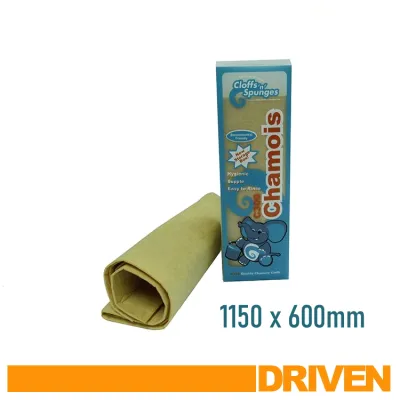
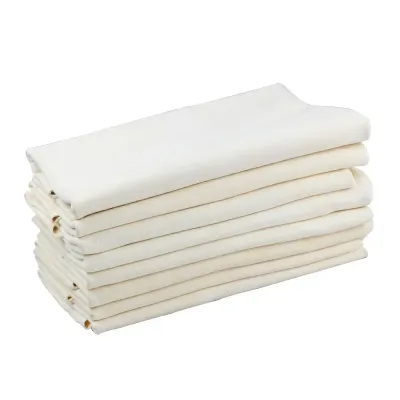
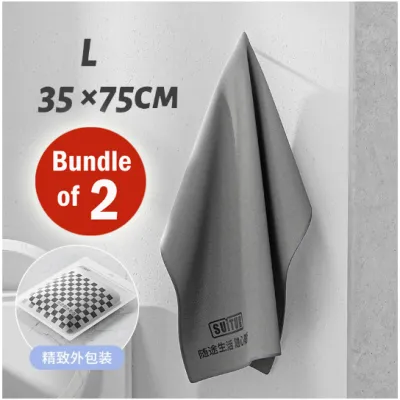
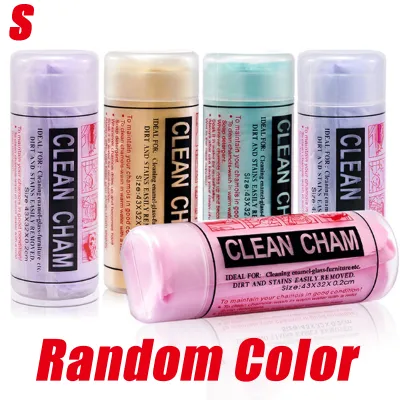
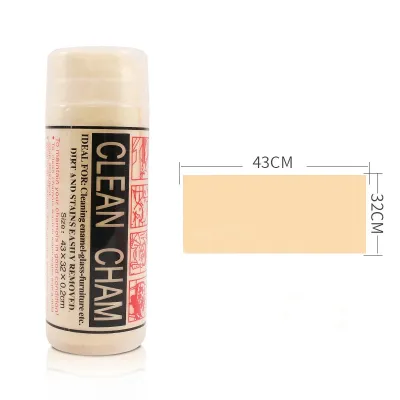
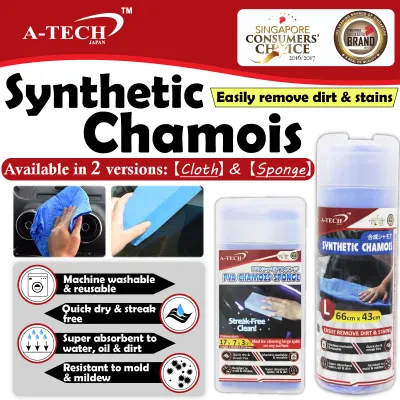
Prices are valid at publication and may change. Please refer to the product page for the latest price.
However, natural leather requires meticulous maintenance to prevent it from rotting or becoming stiff. If used dry or only partially damp, it can drag heavily on the paint surface, which strips away protective wax coatings and introduces fine scratches. It also carries a distinct, fishy odor when wet, which some users find unpleasant. In the local market, high-quality genuine sheepskin chamois is a premium option, typically costing between S$35 and S$70 depending on the size.
Synthetic PVA Chamois
Synthetic chamois made from Polyvinyl Alcohol (PVA) is engineered for maximum water retention. Often referred to as a “sponge cloth,” a PVA chamois features a highly porous, open-cell structure that can hold up to ten times its weight in water. It is exceptionally easy to wring out, allowing you to dry an entire mid-sized sedan quickly without needing multiple towels.
Despite its high capacity, PVA carries a significant risk of paint marring if not handled with care. Because PVA has a flat, uniform surface with no pile or fibers, any tiny dust particles remaining on the paint after washing will be trapped between the cloth and the clear coat. As you drag the cloth, these particles are scraped across the paint, acting like fine sandpaper. Furthermore, PVA dries to a rock-hard, cardboard-like state. It must be completely submerged in water and thoroughly softened before it can safely touch your vehicle again.
Microfiber "Chamois" (Waffle Weave or Plush)
Modern microfiber drying towels have largely surpassed traditional materials in professional detailing circles. Typically constructed from a blend of polyester and polyamide, these synthetic cloths use capillary action to pull water away from the surface. Waffle weave patterns are specifically designed to mimic the flat, smooth glide of a traditional chamois while offering a crucial safety advantage.
Unlike PVA or natural leather, microfiber features millions of tiny, split fibers that create deep channels. These channels trap residual dirt, dust, and environmental fallout, lifting them away from the paint surface rather than dragging them across it. While they may require more frequent wringing than PVA on a soaking wet car, they are far more forgiving on delicate clear coats and are highly recommended for daily drivers.
| Feature | Genuine Leather | Synthetic PVA | Microfiber "Chamois" |
|---|---|---|---|
| Primary Material | Cod-oil tanned sheepskin | Polyvinyl Alcohol (PVA) | Polyester/Polyamide blend |
| Scratch Risk | Moderate (if dry or dirty) | High (if drag occurs) | Very Low (traps dirt) |
| Water Capacity | High | Extremely High | High to Very High |
| Durability | High (with proper care) | Moderate (can tear/crack) | Very High (machine washable) |
| Best Suited For | Classic car enthusiasts | Quick, high-volume drying | Daily drivers, DIY detailers |
Evaluating Size, Thickness, and Edge Finish for Paint Safety
Once you have decided on a material, you must evaluate the physical specifications of the cloth. The dimensions, thickness, and edge construction directly influence how efficiently the cloth removes water and how safe it is for your vehicle’s paint.

Size and Dimensions
When choosing the size of your drying cloth, consider both efficiency and manageability. Larger cloths, such as those measuring 60×90 cm (approximately 24×36 inches), allow you to cover massive surface areas quickly. This is highly beneficial for flat, expansive panels like the hood, roof, and trunk.
However, a large cloth can become heavy and difficult to control when fully saturated. If it sags and touches the ground, it will pick up abrasive dirt and grit, rendering it unsafe for paint until washed. Smaller formats, such as 40×40 cm, offer much better control and are ideal for drying intricate areas, including side mirrors, door jambs, alloy wheels, and tight crevices.
Thickness and Texture
The density of a PVA cloth or the pile depth of a microfiber alternative determines its water-holding capacity. Thicker materials act as a cushion between your hand and the vehicle’s body panels, distributing pressure evenly and reducing the risk of localized scratching. For microfiber towels, look for a waffle weave texture, which provides a low-friction glide while maintaining high water absorption.
Edge Finish
The border of a drying cloth is a frequent, often overlooked source of micro-marring. Many cheap, utility-grade cloths feature raw, heat-cut edges or stiff polyester overlock stitching. These hard edges can easily scratch delicate clear coats as you pull the cloth across the vehicle.
To protect your paint, choose cloths with edgeless designs, where the material is ultra-sonically cut to eliminate seams entirely. Alternatively, look for cloths finished with soft silk-banded, satin-wrapped, or suede edges. These premium borders ensure that even if the edge rubs against the paint under light pressure, it will not leave fine scratches.
Weight (GSM) Considerations
For microfiber chamois alternatives, weight is measured in Grams per Square Meter (GSM). This metric indicates the density and thickness of the fabric. For an effective drying towel, aim for a GSM rating between 400 and 600 for waffle weaves, or 800 to 1200 for ultra-plush, dual-sided towels.
Cloths with a GSM below 300 are generally too thin to hold enough water to dry a full vehicle and are better suited for interior dusting, glass cleaning, or buffing off wax residues.
Step-by-Step Guide to Drying Your Car Without Scratching
Even the highest-quality drying cloth can cause damage if used incorrectly. Follow this structured process to dry your vehicle safely and maintain a scratch-free finish.
Preparation and Priming
Never use a brand-new drying cloth straight out of its packaging without preparing it first. New PVA cloths often contain chemical preservatives or manufacturing residues, while new microfiber towels may contain loose fibers that lint. Wash microfiber towels once before use, and thoroughly rinse a new PVA chamois in clean, warm water.
Before the cloth touches your vehicle’s paint, it must be primed. Submerge the cloth completely in a bucket of clean, fresh water, then wring it out until it is damp but highly pliable. A completely dry cloth is stiff and abrasive; priming ensures the fibers are soft and ready to absorb water immediately upon contact.
The Drying Technique
Avoid rubbing the cloth back and forth in rapid, circular motions, as this is the primary cause of swirl marks. Instead, employ the “flat glide” or “pat and drag” technique.
Spread the damp cloth completely flat across the wet body panel. Hold the cloth by two corners and gently pull it toward you in a straight line. Let the weight of the damp cloth do the work of drawing up the water. Do not apply downward pressure with your hands, as this will grind any missed dirt particles directly into the clear coat.
Managing Dirt and Debris
Despite a thorough wash, environmental fallout or missed dirt can remain on the paint surface. As you dry, inspect your cloth frequently. If you notice any dark spots, dirt, or grit on the cloth, stop immediately.
Rinse the cloth thoroughly in a dedicated bucket of clean water, or under a running tap, to flush out the debris. Wring it out completely before placing it back on the vehicle. Never attempt to wipe away visible dirt with your drying cloth; instead, re-wash the contaminated area first.
Safety and Stop Conditions
To ensure paint safety, always adhere to these critical operational boundaries:
- Never dry an unwashed car: Trying to dry a dusty or dirty vehicle will immediately result in heavy scratching.
- Avoid direct, hot sunlight: In Singapore, drying your car in open-air parking lots under the midday sun causes water to evaporate rapidly, leaving stubborn mineral spots before you can dry the surface. Work in a shaded area, such as a multi-storey carpark or during early morning or late evening hours.
- Check manufacturer instructions: If your vehicle features a matte paint finish, a specialized vinyl wrap, or a ceramic coating, always consult the manufacturer's care guidelines before using any drying cloth, as friction can alter the surface texture.
- Define the "stop condition": If you feel the cloth dragging with high resistance, hear a squeaking or scratching sound, or notice fine marring, stop immediately. This indicates the surface is either contaminated or too dry. Re-wet the area with clean water or a quick-detailer spray before proceeding.
Washing and Storing Your Chamois to Preserve Absorbency
Proper aftercare is essential to maintain the softness, absorbency, and safety of your drying cloth. Neglecting your cloth can cause it to stiffen, rot, or collect abrasive grit.
Washing Instructions
Different materials require distinct maintenance routines to preserve their physical properties:
- Genuine Leather: Never use laundry detergents, dish soaps, or degreasers, as these strip the natural cod oils, causing the leather to dry out and crack. Wash genuine chamois only in lukewarm water with a mild, pH-neutral soap or a dedicated leather cleaner.
- Synthetic PVA: Rinse thoroughly with clean, warm water after every use to remove any trapped dirt or soap residues. If it becomes heavily soiled, use a tiny amount of mild liquid detergent, then rinse repeatedly until the water runs completely clear.
- Microfiber: Machine-wash your microfiber towels using a dedicated, fragrance-free microfiber wash or a mild liquid detergent. Never use fabric softeners or bleach. Softeners leave a chemical coating over the split fibers, which completely destroys their water absorbency and causes streaking.
Drying Methods
Always air-dry your cloths in a shaded, well-ventilated area. Never expose genuine leather chamois to direct, harsh sunlight or intense heat sources like clothes dryers, as this causes the leather fibers to shrink, warp, and become brittle. Similarly, do not place microfiber towels in a high-heat dryer, as excessive heat can melt the polyester fibers, turning them hard and scratchy. Always dry them on a low-heat or air-fluff cycle, or hang them to dry indoors.
Storage Protocols
In Singapore’s highly humid climate, mold and mildew are constant threats to car care accessories. Store your clean, dry microfiber towels in a dust-free, sealed plastic container to prevent them from collecting airborne dust.
For synthetic PVA chamois, store them slightly damp inside their original plastic storage tubes to keep them pliable. However, ensure they are thoroughly clean before sealing them to prevent bacterial growth. If a PVA cloth dries out completely in storage and becomes stiff, do not attempt to bend or fold it, as this will crack the material. Simply submerge it in warm water for a few minutes to restore its flexibility.
Replacement Indicators
All drying cloths eventually reach the end of their safe usable life. Inspect your cloths regularly and replace them immediately if you observe any of the following signs:
- Embedded grit: Fine sand or dirt particles that cannot be washed out of the fibers.
- Loss of absorbency: The cloth pushes water around or leaves heavy streaks instead of absorbing it.
- Stiff patches: Areas of the cloth that remain hard or rough even when wet.
- Fraying or tearing: Damaged edges or structural tears that can expose rough inner seams to your paintwork.
Community discussion
Share your experience or ask a question. Comments are reviewed before publication.