
When you are stranded on the side of the road with a flat tire, having the right car tyre repair kit can mean the difference between a quick roadside fix and an expensive tow truck bill. Choosing the correct kit requires matching its physical and chemical specifications to your vehicle’s specific tires. A mismatched kit might fail to seal the puncture, damage your tire pressure monitoring sensors, or prove physically impossible to insert into a heavy-duty tread. To make an informed decision, you must evaluate plug dimensions, sealant formulations, inflator power, and tire size compatibility before an emergency occurs.
Quick Guide: Essential Specs for Your Car Tyre Repair Kit
Selecting a car tyre repair kit is not a one-size-fits-all purchasing decision. The primary goal is to match the kit’s capabilities to your vehicle’s tire type, typical driving scenarios, and the specific puncture risks you might encounter on the road. Before buying, verify three critical specifications: plug thickness, sealant chemical compatibility, and the supported tire size range. Ensuring these parameters align with your vehicle’s setup prevents the frustration of carrying a tool that fails to work during a stressful roadside emergency or, worse, causes permanent damage to your wheel assembly. Price points vary based on these specifications, with basic plug-only kits typically starting under S$20, while comprehensive sealant and compressor systems can range from S$50 to over S$120.
Plug Thickness and Tool Compatibility
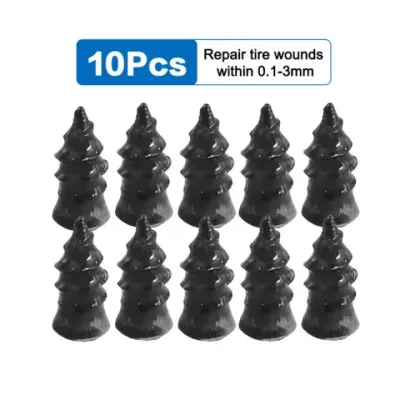
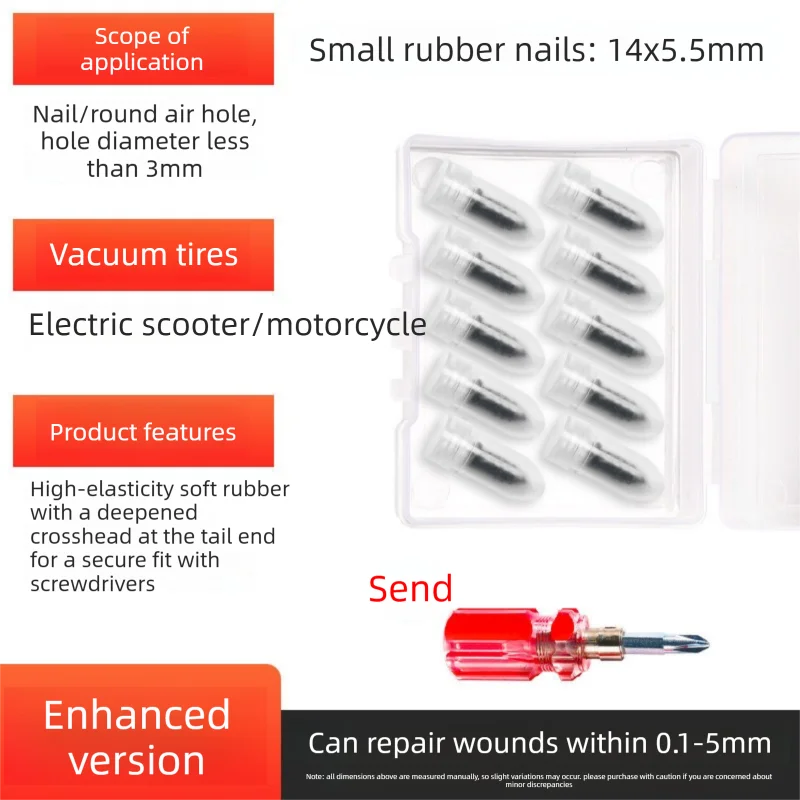
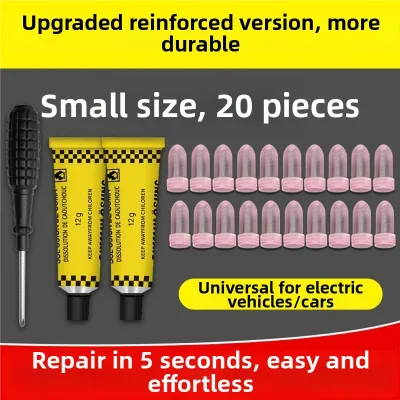
The physical dimensions of the repair plugs and the design of the insertion tools directly dictate whether you can successfully seal a tread puncture. Most standard string plugs (often called “bacon strips”) come in thicknesses ranging from 4mm to 6mm. A 4mm plug is suitable for small nail or screw punctures, whereas a 6mm plug is required for larger, jagged punctures. Attempting to force an oversized plug into a tiny hole without proper preparation can tear the tire cords, while an undersized plug will fail to create an airtight seal under driving pressure.
Products mentioned in this guide
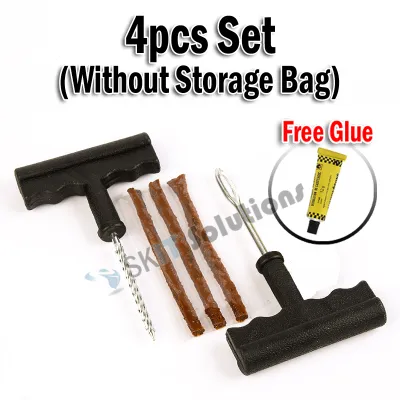
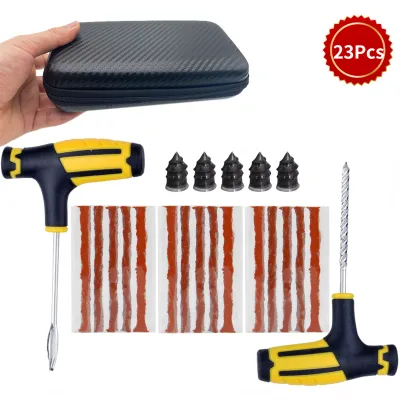
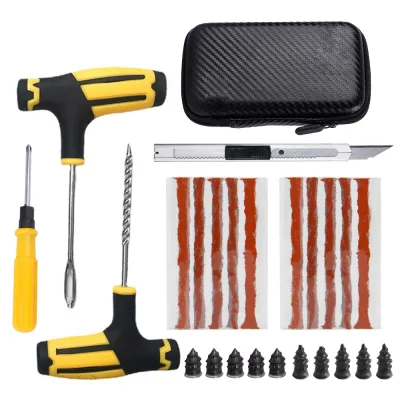
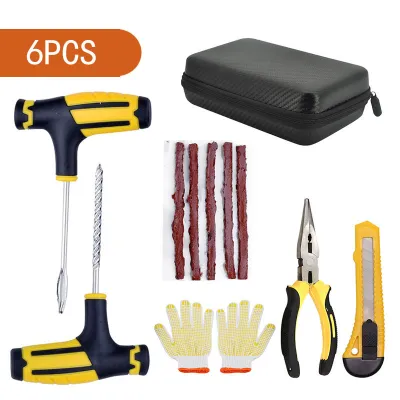
![[SG Local Seller] Perfect Car Motorcycle Tubeless Tyre tire Puncture Repair Kit Tire Plug 6 In 1 Set](https://img.lazcdn.com/g/ff/kf/Sb352342ebc264648ae4deb6a135246fej.jpg_400x400q80.jpg_.webp)
Prices are valid at publication and may change. Please refer to the product page for the latest price.

The insertion tool itself requires careful evaluation. Basic kits often include lightweight plastic T-handle tools, which can bend or snap when you attempt to force them through tough, steel-belted radial tires. For robust tires, heavy-duty steel T-handle tools or ratcheting insertion systems are highly recommended. These designs provide the necessary leverage to push the rubber plug through the tread without straining your wrists.
Before purchasing, check your vehicle’s typical tire tread depth and ply rating. High-ply tires, common on larger SUVs and light commercial vehicles, present significant physical resistance. To safely penetrate these structures without causing internal delamination, your kit must include a high-quality spiral reaming tool. This tool cleans the puncture channel, roughs up the inner rubber to improve adhesion, and prepares the path for the insertion tool.
Sealant Formulas and Inflator Power
Tire repair options generally fall into two categories: plug-only kits and sealant/inflator combination kits. Plug-only kits are highly effective for clean punctures in the tread area but require physical strength and a separate air source. Sealant and inflator kits, on the other hand, offer a hands-free, temporary solution where a liquid chemical is injected into the tire to coat the inner liner, followed by immediate reinflation.
If you choose a kit that relies on liquid sealant, you must verify its chemical compatibility with your tire’s inner liner. More importantly, ensure the formula is explicitly labeled as safe for Tire Pressure Monitoring System (TPMS) sensors. Standard chemical sealants can dry into a sticky residue that clogs the delicate ports of TPMS sensors, leading to inaccurate pressure readings and requiring expensive sensor replacements.
The performance of the included 12V air compressor is another vital specification. Check the inflator’s power source; basic models plug into a standard 12V cigarette lighter port, while heavy-duty compressors require direct connection to the vehicle’s battery terminals using alligator clamps to draw sufficient current. You must also compare the compressor’s maximum PSI and duty cycle (the continuous run time before the unit must cool down) against your tire’s recommended inflation pressure. This recommended pressure is typically found on the placard located on your driver’s door jamb. An underpowered inflator may overheat and shut down before your tire reaches a safe driving pressure.
Tire Size Range and TPMS Compatibility
Before selecting a repair kit, note the tire size code printed on your tire’s sidewall (for example, 205/55R16). You must match these dimensions to the operational size range specified on the repair kit’s packaging. Liquid sealant canisters contain a pre-measured volume of chemical formula designed to coat a specific tire volume.
Using a standard sealant canister on large-diameter SUV or light truck tires often results in an incomplete seal. Large tires require a higher volume of sealant to coat the wider internal surface area effectively. If the volume is insufficient, the centrifugal force of the spinning tire will not distribute the sealant evenly, leaving the puncture exposed.
TPMS compatibility remains a non-negotiable specification for modern vehicles. If your car utilizes direct TPMS (which uses physical sensors mounted inside the wheel assembly rather than indirect systems that calculate pressure via wheel speed sensors), a non-compliant sealant can ruin the unit. Always look for certifications or clear manufacturer labeling indicating the sealant is water-soluble and sensor-safe. Furthermore, check if your vehicle is equipped with run-flat tires. Standard consumer repair kits and temporary sealants are generally not recommended or effective for run-flat tires, as their thick, reinforced sidewalls require specialized professional handling once driven on while uninflated.
Minor Specs You Can Safely Ignore
When comparing options, it is easy to get distracted by marketing details that have no bearing on the success of a roadside repair. For instance, the color of the repair plugs—whether they are brown, black, or red—does not affect their sealing capability or longevity. Similarly, the inclusion of minor accessories like cheap disposable gloves, plastic valve caps, or basic tread depth gauges should not influence your decision.
Be skeptical of vague “universal fit” claims that lack concrete size ranges or technical specifications. Instead of focusing on cosmetic features or the aesthetic appeal of a carrying case, allocate your budget toward the physical build quality of the steel insertion tools and the chemical safety certifications of the sealant. A rugged, well-engineered tool in a plain canvas pouch is infinitely more valuable during a roadside emergency than a flimsy plastic tool housed in a premium molded case.
Safety Boundaries: When a Kit Is Not Enough
It is vital to understand that both plug kits and chemical sealants are strictly temporary, emergency measures. They are designed solely to allow you to drive your vehicle to a safe location or a professional workshop at reduced speeds. Before attempting any roadside repair, check the applied product’s label and your tire manufacturer’s instructions. If these instructions conflict, or if the tire type is unidentified, stop and consult a qualified professional immediately.
There are absolute “do not repair” zones on any passenger vehicle tire. Punctures located on the tire sidewall or the shoulder area (the transition zone between the tread and the sidewall) must never be repaired using a DIY kit. These areas experience intense flexing and structural stress during cornering, and attempting a temporary repair here can lead to a sudden, catastrophic tire blowout. Additionally, punctures larger than 6mm, or those occurring at an extreme angle, cannot be safely sealed by consumer kits.
Always consult your vehicle’s owner’s manual for specific manufacturer warnings regarding tire repairs and chemical sealant usage. Once you reach a service center, inform the technician that a temporary plug or sealant has been used. A professional, permanent repair requires removing the tire from the wheel rim to inspect the inner liner for hidden structural damage and applying a vulcanized internal patch-plug combination.
Frequently Asked Questions (FAQ)
Can I use a standard repair kit on run-flat tires?
Most tire manufacturers and automotive safety organizations advise against repairing run-flat tires with standard consumer kits. Run-flat tires feature heavily reinforced sidewalls designed to support the vehicle’s weight for a limited distance after losing air pressure. Driving on a run-flat tire while it is uninflated subjects the internal structure to extreme heat and stress, which can permanently compromise its integrity. Always consult the specific tire manufacturer’s guidelines and have the tire inspected by a professional before attempting any repair.
Do tyre repair kits and sealants expire?
Yes, tire repair components have distinct lifespans that you must monitor. While solid rubber string plugs and steel tools can last for many years if stored in a cool, dry place away from direct sunlight, liquid chemical sealants and aerosol inflators have strict expiration dates, typically ranging from two to five years from the manufacturing date. In Singapore’s hot, humid tropical climate, storing these chemical products in a hot car trunk can accelerate their degradation. Check the expiration dates printed on your sealant canisters regularly and replace them as recommended by the manufacturer to ensure they function when needed.
Community discussion
Share your experience or ask a question. Comments are reviewed before publication.