
To protect a vehicle from intense solar radiation and high ambient heat, a car sun cover must combine a highly reflective outer layer with a verified UV-blocking rating and a breathable fabric structure. Selecting the right cover involves looking beyond generic “sunproof” claims to verify specific material specifications, such as aluminized coatings and standardized Ultraviolet Protection Factor (UPF) ratings. In tropical environments with high humidity and sudden downpours, balancing this heat reflection with moisture permeability is essential to prevent trapping condensation against the paintwork.
When parking outdoors under direct sunlight, solar radiation quickly penetrates window glass, turning the cabin into a heat trap. Over time, this exposure degrades dashboard plastics, dries out leather upholstery, and weakens the clear coat on the exterior paint. A high-quality car sun cover acts as a physical barrier, but its effectiveness depends entirely on the science of its materials. Understanding how different fabrics interact with light, heat, and moisture allows you to make an informed decision that preserves your vehicle’s value and comfort.
Understanding UV Ratings and Heat Protection Labels
When browsing for a car sun cover on an online marketplace or at an automotive accessory shop, you will encounter various product labels claiming superior sun protection. It is crucial to distinguish between general ultraviolet (UV) block percentages and standardized Ultraviolet Protection Factor (UPF) ratings. While a label claiming “99% UV protection” indicates that the fabric blocks a high percentage of UV radiation, a standardized UPF rating, such as UPF 50+, provides a verified measure of both UVA and UVB transmission through the material under specific testing standards.
Products mentioned in this guide
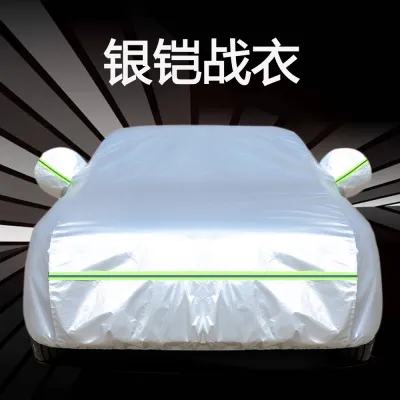
![[24 hours delivery] Upgraded and thickened universal car cover size:M/L/XL/XXL/3XL car cover outdoor protection sunscreen car cover waterproof car shade car cover sun protection car cover outdoor sunscreen](https://img.lazcdn.com/g/p/808f8e56d0f1744f116eabe475a3a1ff.jpg_400x400q80.jpg_.webp)
![[24 hours delivery] Upgraded and thickened universal car cover size:M/L/XL/XXL/3XL car cover outdoor protection sunscreen car cover waterproof car shade car cover sun protection car cover outdoor sunscreen](https://img.lazcdn.com/g/p/64e2d9dbc77f3447b24f93e4a3696f41.jpg_400x400q80.jpg_.webp)

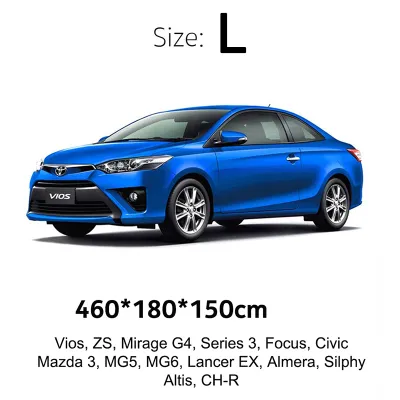
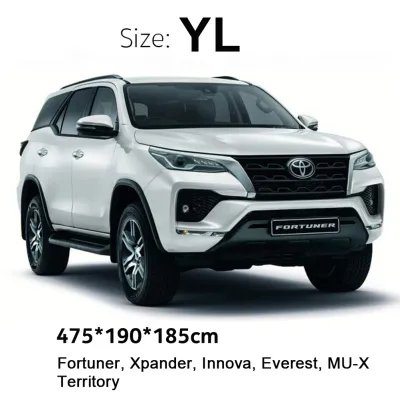
Prices are valid at publication and may change. Please refer to the product page for the latest price.
It is also important to understand that UV protection and heat reflection are two distinct physical processes. UV protection primarily prevents chemical degradation, such as the fading of interior fabrics, the cracking of leather seats, and the chalking of plastic dashboards. However, blocking UV rays alone does not stop infrared radiation, which is the primary driver of cabin heat buildup. To lower the actual temperature inside the vehicle, the cover must feature a highly reflective surface that bounces solar energy away before it can be absorbed by the fabric and transferred to the car’s body.
To verify these performance claims, look for manufacturer specifications that reference established textile testing standards. Reliable products often cite certifications from recognized testing bodies or detail the specific density of the weave, measured in denier (D) or grams per square meter (GSM). Avoid relying on vague marketing terms like “solar-shield” or “heat-proof” without supporting technical specifications on the packaging. Checking the product documentation for these verified ratings ensures you are purchasing a cover engineered for genuine thermal management rather than a simple dust sheet.
Evaluating Fabric Types and Reflective Coatings
The outer layer of a car sun cover is your vehicle’s first line of defense against solar radiation. Highly effective sun covers typically utilize reflective outer coatings, such as aluminized polyurethane or metallic silver finishes. These coatings act like a mirror, reflecting a significant portion of visible and infrared light away from the vehicle. This reflective action prevents the cover itself from heating up, which in turn keeps the air gap between the cover and the car’s paintwork much cooler.

Beneath the reflective coating lies the base fabric, which provides the structural strength and durability needed to withstand prolonged outdoor exposure. Common synthetic base fabrics include polyester, polypropylene, and nylon. Polyester is highly favored for outdoor covers due to its natural resistance to UV degradation, stretching, and tearing. Polypropylene is lightweight and highly breathable, making it easier to handle, though it may require additional UV-inhibiting treatments during manufacturing to prevent it from becoming brittle under constant sun exposure.
For comprehensive protection, look for multi-layer constructions that combine these materials to serve different functions. A typical high-performance sun cover features a three-layer or four-layer design: a reflective top layer to reject heat, a durable middle layer to provide structural strength and water resistance, and a soft inner lining. This multi-layer approach ensures that the cover can withstand environmental hazards like bird droppings and tree sap while maintaining its primary role of thermal reflection.
Balancing Breathability and Weather Resistance
In humid tropical climates, managing moisture is just as important as blocking heat. A common mistake is choosing a fully waterproof, non-breathable plastic cover to protect a car parked outdoors. While such a cover keeps rain off, it also traps rising ground moisture and condensation underneath. When the sun beats down on a trapped pocket of moisture, it creates a greenhouse effect, raising the temperature and humidity levels under the cover and potentially causing clear-coat blistering, paint discoloration, or mold growth inside the cabin.
To prevent this damage, look for covers engineered with breathable membranes or micro-porous fabrics. These materials feature microscopic pores that are small enough to block liquid water droplets from passing through from the outside, yet large enough to allow water vapor to escape from underneath. Alternatively, some heavy-duty covers incorporate built-in ventilation flaps or mesh panels strategically positioned along the sides or top to facilitate continuous airflow without compromising the cover’s overall sun protection.
Your choice of cover permeability should match your primary parking environment. If you park in a fully exposed outdoor space subject to both intense midday sun and sudden tropical downpours, a highly breathable, water-resistant multi-layer cover is ideal. For semi-sheltered areas, such as carports or multi-storey car parks where direct rain is less of a concern but ambient humidity remains high, a lighter, highly breathable cover focused primarily on dust and UV protection is often the most practical choice.
Fit, Security, and Paint Protection Checks
Even the most advanced reflective material can cause damage if the cover does not fit securely or if it is installed incorrectly. The inner lining of the cover must be designed to protect your vehicle’s clear coat from physical abrasion. Look for covers featuring a soft inner lining made of non-abrasive materials like spun-lace polyester, cotton flannel, or soft fleece. This soft layer cushions the paintwork and prevents micro-scratches that can occur when the cover shifts slightly due to wind or during the installation process.
Wind security is another critical factor to verify before purchasing. A loose cover can flap violently in strong winds, acting like fine sandpaper against your car’s paint. Ensure the cover is equipped with robust securing mechanisms, such as heavy-duty elasticized hems at the front and rear, integrated tie-down straps that pass underneath the vehicle, and dedicated mirror pockets. These features keep the cover taut and securely anchored, preventing it from shifting or blowing away during sudden squalls.
Before installing the cover, establish a safe routine to protect your vehicle’s exterior. Never place a car cover over a dirty vehicle, as the cover will trap dirt, dust, and road grit against the paint, and the friction of putting the cover on or taking it off will cause fine scratches. Always wash or dust the vehicle before covering it, and ensure the car is completely dry. When removing the cover, fold it carefully from the sides toward the center to avoid dragging the outer surface across the paint, and store it in a clean bag to prevent contamination.
Additionally, verify your vehicle’s specific dimensions, including length, width, height, and antenna placement, against the manufacturer’s sizing chart to ensure a snug fit. Whether you choose a budget-friendly option or a premium multi-layer system costing upwards of S$100, verifying these physical features is essential to protect your investment. If you plan to park on public roads, check local regulations regarding vehicle covers, as some jurisdictions require license plates and parking permits to remain visible at all times. Taking these practical steps ensures your car sun cover provides effective, hazard-free protection for your vehicle’s exterior and interior alike.
Frequently Asked Questions (FAQ)
Does a darker car cover provide better UV protection than a lighter one?
No, darker car covers do not provide better heat protection, even if they block light effectively. Dark colors absorb solar radiation and convert it into heat, which is then transferred directly to the vehicle’s body and interior. For effective thermal management, prioritize light-colored or highly reflective silver and aluminized coatings, which reject solar energy away from the vehicle rather than absorbing it.
Can I use an indoor car cover for outdoor sun protection?
No, indoor car covers are not suitable for outdoor use. Indoor covers are typically made of lightweight, single-layer woven fabrics designed solely to block dust and minor abrasions in a controlled environment. They lack the necessary UV-resistant chemical treatments, reflective coatings, and water-resistant membranes required to withstand outdoor sun, rain, and wind, and will degrade rapidly if exposed to the elements.
How should I clean a reflective car sun cover to maintain its heat rejection?
To maintain the integrity of the reflective coating, always follow the manufacturer’s specific washing instructions. Generally, you should avoid machine washing or using harsh detergents, which can strip away reflective layers and damage water-resistant membranes. Instead, install the cover on your clean vehicle, gently hose it down with cool water, use a soft sponge with mild, diluted soap if necessary, rinse thoroughly, and allow it to air-dry completely before storage.
Community discussion
Share your experience or ask a question. Comments are reviewed before publication.