
Selecting the ideal car perfume involves balancing your vehicle’s cabin size, the physical form factor of the air freshener, the scent profile, and interior safety. By matching these elements to your daily driving habits and climate conditions, you can maintain a pleasant, non-overwhelming atmosphere that does not damage your car’s interior surfaces. Whether you are investing in a budget-friendly S$5 hanging card or a more advanced S$30 electronic nebulizer, understanding how these products interact with your vehicle’s environment is key to making a smart purchase.
This guide provides a structured approach to evaluating your options, helping you choose a fragrance solution that enhances your driving experience while protecting your vehicle’s cabin and occupants.
Assess Your Cabin Size and Airflow Dynamics
Vehicle cabins vary significantly in volume, which directly impacts how a fragrance disperses. A compact hatchback or sedan has a relatively small air volume, meaning a highly concentrated scent source can quickly become overpowering and cause discomfort. Conversely, larger multi-purpose vehicles (MPVs) or sport utility vehicles (SUVs) require a product with a stronger scent throw or multiple placement points to ensure the fragrance reaches the rear passenger rows effectively.
Products mentioned in this guide
![[Scent Pur] Car Aroma Fragrances / Home & Car Freshener / Air Freshener Purifier / Hanging Car Perfume](https://img.lazcdn.com/g/p/6da13b2b2a447ea54ce1625177a59aba.jpg_400x400q80.jpg_.webp)

![[SG STOCKS] Car Fragrance Car Air Freshener Auto Perfume Diffuser With Formaldehyde Purifier Metal Aromatherapy Cup Diffuser Starry Sky Roof Rechargeable Auto Start/Stop 160ML Large Capacity SupplementCologne Ocean Gardenia Sandalwood Oolong](https://img.lazcdn.com/g/p/271bbc34a8834835061ca59e4ef11dcf.jpg_400x400q80.jpg_.webp)

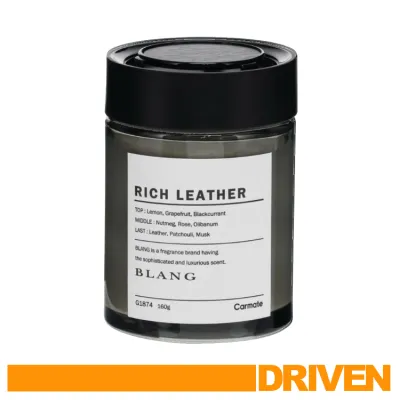
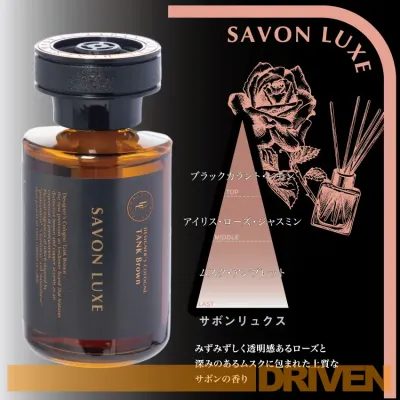
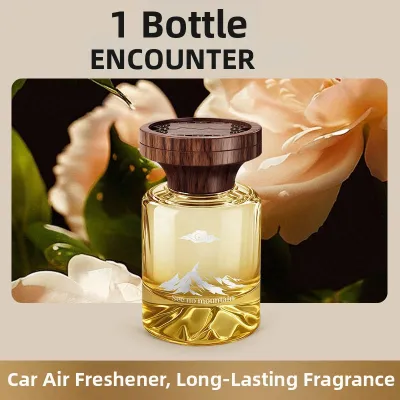

Prices are valid at publication and may change. Please refer to the product page for the latest price.
Your vehicle’s air conditioning habits also play a critical role in fragrance distribution. Operating the air conditioning on recirculation mode keeps the same air moving through the cabin, which gradually concentrates the perfume molecules. If you frequently use the fresh air intake setting, the continuous introduction of outside air will dilute the fragrance, requiring a more consistent or slightly stronger scent release mechanism to maintain the desired aroma.
Environmental factors, particularly in tropical climates like Singapore, heavily influence how car perfumes behave. High ambient temperatures and intense direct sunlight heat up a parked vehicle’s interior rapidly. This thermal energy accelerates the evaporation rate of liquid, gel, and oil-based air fresheners. When you first enter a car that has been parked in the sun, you may experience an intense, concentrated burst of fragrance that can be overwhelming before the air conditioning has a chance to circulate and cool the cabin.
Compare Car Perfume Form Factors
Car perfumes are available in several distinct physical designs, each offering unique advantages regarding placement, aesthetic appeal, and maintenance frequency. Understanding how these form factors operate allows you to select a style that fits seamlessly into your daily driving routine without causing inconvenience.

Vent Clips and Hanging Cards
Vent clips are designed to attach directly to your vehicle’s air conditioning slats. They utilize the active airflow from your climate control system to distribute the fragrance throughout the cabin. Many vent clips feature an adjustable manual slider or dial, allowing you to control the size of the opening and throttle the scent intensity based on your immediate preference. Because they rely on active airflow, they are highly efficient when the fan is running but remain relatively passive when the vehicle is turned off.
Hanging cards, typically made of scented paperboard, are a classic and highly passive option. They are designed to be suspended from the rearview mirror or other interior hooks, releasing fragrance continuously through natural air movement. While they are incredibly simple to use and easy to replace, they have a highly visible footprint in your line of sight. Additionally, hanging cards can swing distractingly during sudden turns or braking, and their scent output tends to be strongest during the first few days before fading rapidly.
Gel Cans and Liquid Diffusers
Gel cans contain a solid or semi-solid polymer gel infused with fragrance oils. As the gel is exposed to the air, it slowly evaporates and shrinks, releasing a steady, ambient scent without relying on active ventilation. These containers are highly stable and can be placed discreetly in cup holders, door pockets, or under the seats. Because the gel is solid, there is virtually no risk of liquid spilling or leaking onto your interior surfaces if the container is tipped over.
Liquid diffusers typically feature a glass or plastic reservoir filled with scented oil, which is drawn up through a wooden lid or a porous wick. These diffusers offer a premium aesthetic and a highly consistent scent release over several weeks. However, they require careful handling and secure mounting. Because the contents are entirely liquid, sudden braking, sharp cornering, or driving over speed bumps can cause the oil to splash or leak if the container is not kept upright or if the seal becomes compromised.
Sprays and Electronic Nebulizers
Sprays, available in aerosol cans or manual pump bottles, offer an on-demand solution for drivers who prefer immediate fragrance control. They are highly effective at quickly neutralizing sudden, localized odors, such as food smells or dampness after a rainstorm. However, their primary limitation is longevity; the airborne droplets settle quickly, and the fragrance typically dissipates within a few hours, making them unsuitable for continuous, passive scenting.
Electronic nebulizers are modern, active devices that use ultrasonic or cold-mist technology to atomize liquid perfume or essential oils into a micro-fine mist. These devices plug into a USB port or run on rechargeable batteries, allowing you to program specific diffusion intervals and intensity levels. While they provide the most precise control over your cabin’s scent profile, they occupy a cup holder or charging port, require periodic refills, and need regular cleaning to prevent the atomizing nozzle from clogging.
Select a Scent Profile and Longevity Level
Choosing the right fragrance family is essential for maintaining a comfortable and focused driving environment. Common scent profiles include citrus (such as lemon, lime, or bergamot), which is widely favored for its clean, energizing properties that help keep drivers alert. Woody profiles (like sandalwood or cedar) offer a warm, grounding atmosphere, while clean linen or “new car” scents provide a subtle, powdery freshness that feels neutral and non-intrusive. Heavy floral or musk scents should be approached with caution, as they can easily become cloying in the tight, enclosed space of a vehicle.
When evaluating a product, check the manufacturer’s packaging for the expected longevity, which typically ranges from 30 to 90 days. Keep in mind that these estimates are often based on moderate temperature conditions. In hotter climates, the actual lifespan of the product may be shorter due to accelerated evaporation. To maximize longevity, look for products that feature adjustable vents or lids, allowing you to restrict the exposure of the fragrance medium when the vehicle is not in use.
It is also important to account for olfactory fatigue, a natural sensory adaptation where your brain stops registering a constant smell after prolonged exposure. If you find that you can no longer smell your car perfume, avoid the temptation to add more product or increase the intensity. Passengers entering your vehicle will still experience the full strength of the scent, which could be overwhelming for them. To combat olfactory fatigue, consider rotating between different scent families every few weeks or choosing a system that diffuses fragrance intermittently.
Verify Safety, Surface Compatibility, and Placement
Safety should always be your primary consideration when installing any accessory in your vehicle. Never place a car perfume in a location that obstructs your clear view of the road, side mirrors, or instrument cluster. Most importantly, ensure that no diffusers, clips, or containers are mounted on or near the steering wheel hub, passenger dashboard panel, or side pillars where airbags are deployed. A loose object placed over an airbag cover can become a dangerous projectile in the event of a collision.
Many car perfumes contain concentrated chemical solvents, alcohol, or essential oils that can react aggressively with automotive materials. If these liquids leak or drip, they can dissolve plastics, peel the painted labels off console buttons, crack vinyl dashboards, or leave permanent, oily stains on genuine leather and fabric upholstery. Always read the product labels carefully to verify that the formula is safe for automotive interiors, and avoid placing liquid diffusers directly above sensitive electronic displays or climate control buttons.
To prevent accidental damage, establish a secure mounting protocol for all gel and liquid containers. Utilize stable cup holders, dedicated storage pockets, or secure the base of the container using non-damaging, automotive-grade adhesive pads. If you use a vent clip, ensure it fits snugly onto the slats without bending or scratching the plastic trim, and never force a clip onto a vent that is too thick for the mounting bracket.
Step-by-Step Selection and Installation Checklist
To ensure you select the right car perfume and install it safely, follow this structured decision-making process:
- Define Your Primary Goal: Determine whether you need to actively mask a persistent odor (which requires locating and cleaning the source first), eliminate mild dampness, or simply introduce a subtle, pleasant background aroma.
- Measure Your Space: Assess your vehicle's cabin size and choose a form factor that matches. Opt for adjustable vent clips or hanging cards for smaller cars, and consider gel cans or electronic nebulizers for larger SUVs and MPVs.
- Verify Ingredient and Surface Safety: Before purchasing from an online marketplace or automotive store, inspect the product packaging for material compatibility warnings. Ensure the mounting mechanism matches your vehicle's vent design or cup holder dimensions.
- Secure the Placement: Install the product outside of all airbag deployment zones and driver sightlines. Double-check that liquid containers are upright and firmly secured against tipping.
- Test and Adjust: Set the product to its lowest intensity setting initially. Take a short test drive with your typical air conditioning settings to evaluate the scent throw. Adjust the vents or placement as needed to achieve a comfortable, subtle aroma before committing to a permanent setup.
Frequently Asked Questions (FAQ)
Can car perfumes cause allergic reactions or motion sickness?
Yes, strong synthetic fragrances can trigger adverse physical reactions in sensitive individuals. Highly concentrated chemical scents, particularly heavy floral or sweet profiles, can induce headaches, sneezing, watery eyes, or mild nausea. These symptoms can be significantly exacerbated during long drives or on winding roads, contributing to motion sickness for both the driver and passengers. If you or your frequent passengers are sensitive to fragrances, it is best to opt for lighter citrus profiles, natural essential oil diffusers with adjustable outputs, or hypoallergenic, scent-free odor eliminators.
How do I safely clean a spilled liquid car perfume from my dashboard?
If a liquid car perfume spills, you must act immediately to prevent the concentrated oils or solvents from damaging your dashboard. Gently blot the spill with a clean, dry microfiber cloth to absorb as much liquid as possible; do not rub or wipe aggressively, as this can spread the chemical and strip the protective coating or paint off your plastic trim. Once the excess liquid is removed, clean the area using a mild, material-safe automotive interior cleaner or a soft cloth dampened with water and mild soap, then dry the surface thoroughly. If the liquid has contacted sensitive electronic screens, instrument clusters, or porous leather, consult your vehicle owner’s manual or contact a professional automotive detailer immediately to prevent permanent damage.

Community discussion
Share your experience or ask a question. Comments are reviewed before publication.