
Singapore’s tropical climate presents a severe challenge for car air fresheners, particularly car fragrance gels. When a vehicle is parked in an open-air surface lot under the intense afternoon sun, cabin temperatures can rapidly climb to levels that compromise standard gel formulas. Finding a car fragrance gel that holds up in this extreme heat requires looking beyond pleasant scents to understand the underlying formulation, container design, and strategic placement. By choosing heat-stable matrices and positioning them away from direct sunlight, you can enjoy a consistent fragrance without the risk of messy leaks or premature scent loss.
Why Standard Car Fragrance Gels Fail in High Heat
To understand why many car fragrance gels fail in Singapore, it helps to look at how these products are constructed. Most standard gels rely on a water-based polymer matrix to hold the fragrance compounds. When exposed to the high ambient temperatures of a locked car cabin, the water within the gel evaporates at an accelerated rate. This rapid evaporation causes the gel to shrink, harden, and lose its scent-carrying capacity within a fraction of its intended lifespan.
Furthermore, extreme heat and direct ultraviolet (UV) radiation break down the chemical bonds of both the polymer gelling agents and the fragrance oils themselves. As the structural integrity of the gel matrix degrades, it can undergo a phase change, reverting from a semi-solid state back into a liquid. This process is especially common in budget-friendly options that lack heat-stabilizing additives.
Products mentioned in this guide
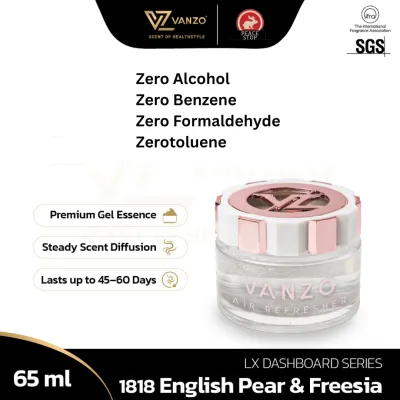
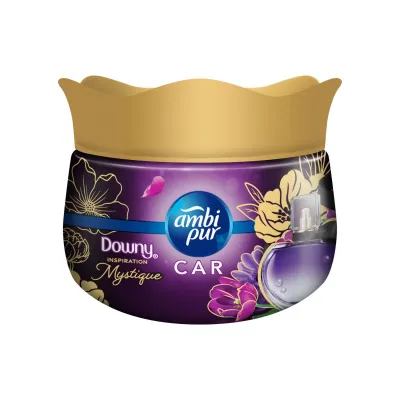
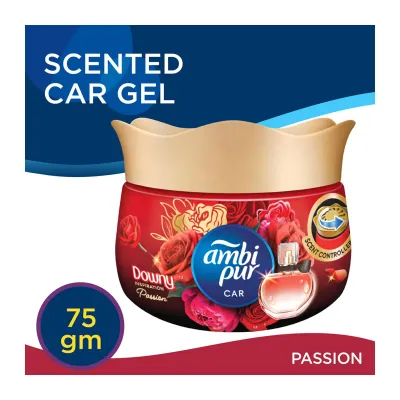
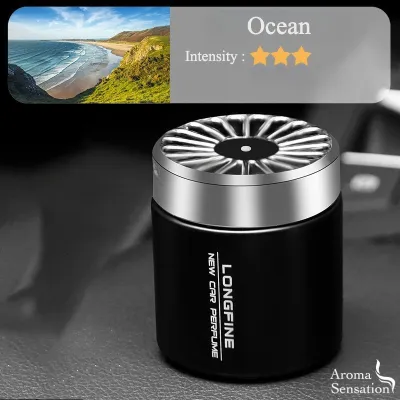
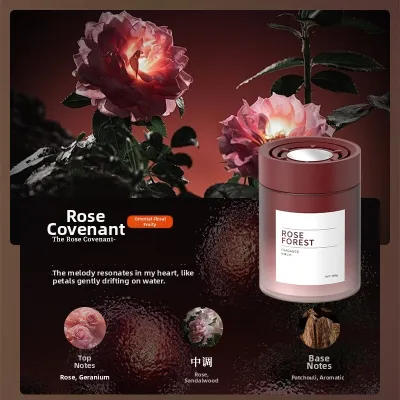
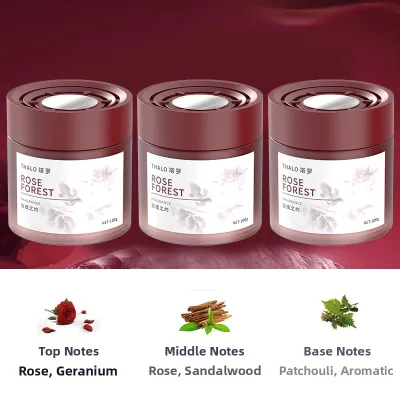
![[SG] 200g Scented Gel Air Fresheners | Natural Essential Oil Solid Fragrance |200g for Car Room & Toilet](https://img.lazcdn.com/g/p/412bbecf1afe6d672b0093c036400bae.jpg_400x400q80.jpg_.webp)

Prices are valid at publication and may change. Please refer to the product page for the latest price.
When a gel liquefies, it poses a significant risk to your vehicle’s interior. A liquefied gel can easily seep through the ventilation holes of its container, especially when the car is in motion. If this highly concentrated chemical mixture leaks onto dashboard plastics, leather upholstery, or synthetic trim, it can cause permanent bubbling, peeling, or staining. Repairing this type of chemical damage to interior surfaces often requires costly professional restoration or part replacement.
Key Formulation and Design Features to Look For
When shopping for a car fragrance gel that can withstand tropical conditions, you must look closely at the product specifications and packaging rather than relying on generic marketing claims. High-quality manufacturers often print specific operating temperature ranges on their packaging. Look for products explicitly rated for high-temperature environments or labeled as heat-resistant. These formulations typically incorporate synthetic polymers or gelling agents with higher melting points, ensuring the gel remains solid even when cabin temperatures soar.

The physical container design is another critical factor in preventing heat-induced disasters. Avoid simple open-top tubs that offer no protection if the gel softens. Instead, look for containers featuring spill-proof membranes, adjustable shutter vents, or shaded protective housings. A semi-permeable membrane allows the fragrance to diffuse while keeping the physical gel contained, even if it liquefies. Shaded housings help block direct sunlight from hitting the gel directly, reducing both thermal buildup and UV degradation.
Additionally, pay close attention to the fragrance carrier base. Oil-based fragrance gels generally offer superior heat resilience compared to water-based alternatives. Because oil has a significantly higher boiling point and a lower evaporation rate than water, oil-based matrices release scent more gradually and maintain their physical structure much longer under high thermal stress. You can identify these by checking the ingredient list or product description for terms like “oil-infused,” “concentrated fragrance oil,” or “anhydrous gel.”
Optimal Placement Strategies to Extend Gel Lifespan
Even the most heat-resistant car fragrance gel will struggle if placed in the wrong part of your vehicle. The dashboard and the rear parcel shelf are the absolute worst locations for any gel-based air freshener. These areas act as thermal traps, receiving direct, unfiltered sunlight through the windshield and rear glass. Placing a gel here guarantees rapid melting, accelerated scent evaporation, and a high risk of container warping. Similarly, mounting a gel directly in front of active air-conditioning vents can cause the scent to blast intensely for a short period while drying out the gel matrix prematurely.
To maximize the lifespan of your car fragrance gel, you should target shaded, well-ventilated zones within the cabin. One of the most effective spots is directly under the front passenger seat. This area remains shielded from direct sunlight, experiences lower peak temperatures, and benefits from the natural airflow generated by the under-seat air vents. Other excellent options include door pockets, lower center console cup holders, or the storage compartment beneath the armrest, provided there is sufficient air circulation to distribute the scent.
Balancing airflow with sun protection is the key to consistent scent distribution. If you place the gel in a completely sealed compartment, the fragrance will not circulate effectively. However, if you place it in a high-airflow area that is also highly exposed to the sun, it will burn through its scent too quickly. Finding a shaded spot that sits in the path of indirect cabin airflow ensures a steady, subtle release of fragrance without exposing the gel to destructive thermal peaks.
Maintenance and Safety Checks for Hot Weather
Using a car fragrance gel in a hot climate requires a proactive approach to maintenance. It is wise to establish a routine visual inspection of your air freshener, especially during periods of consecutive hot days or when parking frequently in unshaded outdoor lots. Check the gel container at least once a week for early warning signs of degradation. Look for visible liquefaction, excessive shrinkage, cracking, or warping of the plastic housing. If you notice the gel has pulled away from the sides of the container or has turned into a runny liquid, it is time to take action.
If you discover a compromised or leaking gel, immediate and careful removal is essential to protect your car’s interior. Avoid tipping the container as you lift it out of the vehicle. If any liquid has spilled onto interior surfaces, blot it immediately with a clean microfiber cloth; do not rub, as rubbing can push the chemicals deeper into the material or spread the stain. Clean the affected area using a mild, material-safe cleaner—such as a dedicated leather cleaner or a diluted plastic interior detailer—and wipe it dry.
Knowing when to discard a degraded product will save you from unpleasant odors and potential interior damage. Once a gel has shrunk to a fraction of its original size or has lost its structural integrity, its chemical composition has changed. Continuing to use a severely degraded gel often results in a distorted, chemical-heavy smell rather than the intended fragrance. Discarding the product as soon as it shows signs of structural failure ensures your cabin remains fresh and safe.
Evaluating Alternatives When Gels Are Not Suitable
If your daily routine involves parking your car in unshaded, open-air surface lots for hours at a time, you may find that even high-quality fragrance gels struggle to survive. In such scenarios, it is worth evaluating alternative air freshener formats that offer superior heat resilience. Solid ceramic diffusers, for instance, use a porous ceramic element infused with fragrance oils. Because there is no liquid or gel matrix to melt, ceramic diffusers are virtually immune to thermal liquefaction and provide a highly stable scent release even in extreme heat.
Vent clips and hanging paper cards are other popular alternatives, each with its own set of trade-offs. Vent clips that use liquid perfume bottles can still leak if damaged by heat, but those utilizing solid polymer scented pads offer excellent heat resistance. Hanging cards are highly affordable and cannot melt, but their scent lifespan is typically much shorter than a gel, requiring more frequent replacement. While these alternatives may not always match the deep, continuous scent throw of a premium gel, they eliminate the risk of messy spills and chemical damage to your dashboard.
Ultimately, your parking habits should dictate your choice of car air freshener. If you primarily park in shaded multi-storey car parks or basement garages, a high-quality, oil-based car fragrance gel remains an excellent choice for long-lasting, rich fragrance. However, if your vehicle is constantly subjected to the unfiltered tropical sun, transitioning to a solid ceramic diffuser or a solid-pad vent clip is a safer, more practical strategy to keep your cabin smelling fresh without the maintenance headaches.
Frequently Asked Questions (FAQ)
Can I leave a car fragrance gel in a parked car under direct sunlight?
Leaving a car fragrance gel in a vehicle parked under direct sunlight is highly discouraged. The greenhouse effect inside a locked car can push cabin temperatures past 60°C, which quickly melts the gel matrix and accelerates scent loss. If you must park outdoors, it is best to move the gel to a shaded spot under the seat or temporarily store it in a glove compartment to protect it from direct solar radiation.
How long should a heat-resistant car fragrance gel last?
In a tropical climate like Singapore’s, a high-quality, heat-resistant car fragrance gel typically lasts between three to six weeks. This lifespan depends heavily on your parking habits, air-conditioning usage, and where the gel is placed. Rather than relying on a fixed calendar date, you should monitor the physical shrinkage of the gel and replace it once the scent throw noticeably declines or the gel matrix hardens completely.
Are oil-based car fragrance gels better for hot climates than water-based ones?
Yes, oil-based car fragrance gels are generally much better suited for hot climates. Because fragrance oils have a higher boiling point and evaporate more slowly than water, oil-based formulations maintain their physical structure and release scent more consistently under high temperatures. You can verify the base type by checking the product label for oil-infused ingredients or looking for descriptions that specify an anhydrous or oil-gel formulation.

Community discussion
Share your experience or ask a question. Comments are reviewed before publication.