
Choosing a car disinfectant in Singapore’s high humidity requires selecting a fast-evaporating, residue-free formula that sanitizes without leaving a tacky film. Because the tropical climate slows down natural evaporation, standard liquids can linger on surfaces, attracting dust and creating a sticky layer on your dashboard and seats. To keep your cabin clean and comfortable, you must focus on how the product interacts with high ambient moisture and your car’s specific interior materials.
Many drivers struggle with a persistent sticky feeling on their steering wheels and consoles after sanitizing. This issue is directly linked to the unique environmental challenges of a tropical climate, where high relative humidity prevents cleaning agents from drying cleanly. Understanding how to select and apply these products will help you maintain a hygienic cabin without compromising the texture and longevity of your car’s interior.
Why High Humidity Changes Your Car Disinfectant Choice
Singapore’s tropical climate regularly sees relative humidity levels exceeding 80 percent. When the air is already saturated with water vapor, liquids sprayed onto surfaces cannot evaporate quickly. In a closed vehicle parked under the sun, this moisture becomes trapped, creating a greenhouse effect that severely retards the drying process of any liquid cleaner or disinfectant you apply.
Products mentioned in this guide
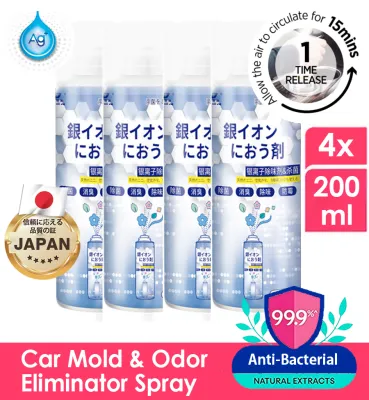
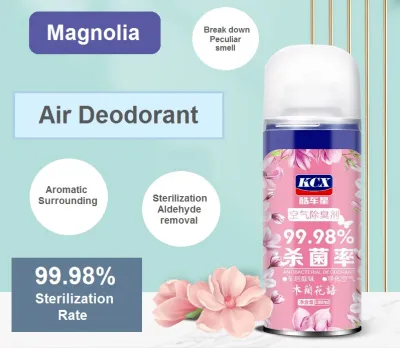
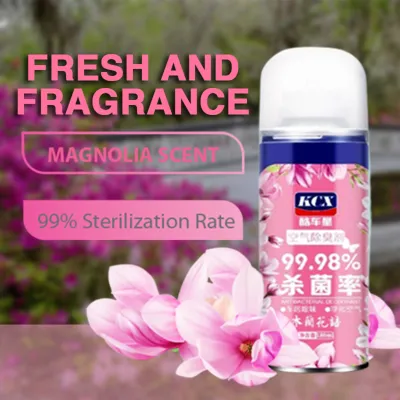
Prices are valid at publication and may change. Please refer to the product page for the latest price.
This slow drying process allows the active ingredients, surfactants, and fragrances in disinfectants to pool on your cabin surfaces. As the water content slowly departs, it leaves behind a concentrated chemical residue. This residue remains soft and tacky in the humid air, turning your dashboard, steering wheel, and gear shift into magnets for airborne dust, skin oils, and lint.
Furthermore, porous materials like fabric seats, seatbelts, and carpet mats absorb this lingering moisture. If a disinfectant remains damp within these fibers for hours, it creates a dark, warm, and wet environment. Instead of protecting your car, this trapped moisture can actively promote the growth of mold spores and mildew, leading to musty odors and potential health concerns.
Automotive-specific disinfectants are formulated differently than standard household cleaners to address these exact conditions. While household sprays often rely on heavy water bases designed for open-air drying on non-porous tiles, quality automotive formulas utilize fast-evaporating carriers. These specialized products balance sanitizing power with rapid drying times to protect sensitive interior materials from moisture damage.
Key Features to Look for on the Product Label
When shopping for a car disinfectant at local automotive specialty stores or online marketplaces, reading the ingredient and instruction label is crucial. Look for products that utilize quick-drying solvent bases, such as low-concentration isopropyl alcohol or specialized ethanol formulations. These solvents evaporate much faster than water-based alternatives, minimizing the time moisture sits on your interior trim.

However, you must verify that the alcohol concentration is safe for automotive use. High-strength industrial rubbing alcohols can strip the protective topcoats off genuine leather, dry out vinyl, and cause soft-touch plastics to become permanently sticky or discolored. A dedicated car disinfectant will explicitly state that it is safe for automotive plastics, vinyl, and leather surfaces.
Additionally, look for labels that feature anti-microbial or anti-fungal claims. In a humid climate, killing bacteria is only half the battle; you also need a formula that actively inhibits the germination of mold and mildew spores. Products containing specialized quaternary ammonium compounds often provide this ongoing protective barrier without requiring harsh, slow-drying chemicals.
Finally, seek out manufacturer claims such as “zero residue,” “matte finish,” or “non-tacky formula.” These terms generally indicate that the product does not contain heavy silicones, oils, or synthetic gloss enhancers. While these additives are common in standard interior detailers to create a shiny look, they do not dry completely in high humidity and will inevitably lead to a sticky texture over time.
Application Steps to Prevent Sticky Surfaces and Mold
To achieve a clean, residue-free finish, your application method is just as important as the product you choose. Before applying any disinfectant, always pre-clean the cabin. Use a dry microfiber cloth or a vacuum cleaner to remove loose dirt, dust, and crumbs from the seats and console. Applying a liquid disinfectant over a layer of dust creates a muddy, sticky paste that is incredibly difficult to clean and provides organic food for mold.
When applying the disinfectant, use a fine misting technique rather than soaking the surfaces. Hold the spray bottle approximately 15 to 20 centimeters away from the target area and apply a light, even coat. For sensitive areas like the steering wheel, infotainment screens, and physical buttons, never spray the product directly. Instead, spray the disinfectant onto a clean microfiber cloth first, then wipe the surfaces down to prevent liquid from seeping into electronic components or deep seams.
Once applied, force active ventilation to accelerate the drying process. Do not lock up the car immediately after spraying. Start the engine, turn the air conditioning to its maximum fan speed, and switch off the air recirculation mode to pull dry, conditioned air through the cabin. If you are parked in a secure, well-ventilated space like a private driveway or a spacious multi-storey car park, leave the doors or windows open for 10 to 15 minutes to let the moisture escape.
Before finishing, perform a quick touch test on high-contact areas. Run a clean, dry hand over the treated surfaces to check for any dampness. If any area feels tacky or wet, use a fresh, dry microfiber cloth to buff the surface gently, removing any excess chemical residue before it has a chance to trap humidity and dust.
What to Avoid in Tropical Conditions
To protect your car’s interior from long-term damage, avoid using heavy, oil-based, or glycerin-rich disinfectants. While these ingredients are popular for creating a high-gloss shine, they do not evaporate. In Singapore’s constant humidity, they remain wet and tacky indefinitely, ruining the feel of your leather seats and steering wheel while attracting dirt every time you drive with the windows down.
Never use bleach-based (sodium hypochlorite) or highly alkaline household cleaners inside your vehicle. These chemicals are highly corrosive to automotive plastics, can permanently discolor leather, and can degrade the structural integrity of the stitching on your seats and seatbelts. They also tend to leave behind a white, powdery residue that absorbs moisture from the air, exacerbating the sticky feeling.
Avoid spraying liquid disinfectants directly into tight crevices, air conditioning vents, or seat seams. Moisture trapped in these confined spaces evaporates incredibly slowly in a humid climate. This trapped liquid can damage underlying electrical wiring, corrode switch contacts, and create hidden damp zones where mold colonies can thrive completely out of sight.
Lastly, do not rely on air fresheners, odor-masking sprays, or perfume diffusers as a substitute for actual disinfectants. While a pleasant scent might temporarily mask musty smells, these products do not kill the bacteria or mold spores causing the odor. In fact, many aerosol air fresheners introduce additional moisture and organic compounds into the air, which can actually feed existing mold and make the cabin air quality worse over time.
Frequently Asked Questions (FAQ)
Can I use regular household disinfectant sprays in my car?
Using regular household disinfectant sprays in your car is generally not recommended, especially in humid weather. Household formulas often contain higher concentrations of water, heavy surfactants, and strong fragrances designed for non-porous household surfaces like tile or metal. When sprayed inside a vehicle, these ingredients dry very slowly, leaving a sticky residue. They can also strip the delicate protective coatings off automotive leather, vinyl, and soft-touch plastics, leading to premature peeling, cracking, or permanent tackiness.
How often should I disinfect my car interior in a humid climate?
For personal vehicles with low passenger turnover, a thorough disinfection once a month is usually sufficient, provided you perform regular dry wiping and vacuuming. However, if you operate a ride-hailing service, transport pets, or frequently drive during the wet monsoon seasons, you should disinfect high-touch points like the steering wheel, door handles, and gear shift weekly. The key is to balance hygiene with material care; over-saturating your interior with chemical sprays too frequently can degrade the cabin materials over time.
Will a car disinfectant spray completely eliminate existing mold?
No, a standard car disinfectant spray cannot completely eliminate an established mold infestation. Mold roots often penetrate deep into seat foam padding, carpet underlayment, and the inner workings of the air conditioning system where surface sprays cannot reach. While a disinfectant spray will kill active spores on the surface, the mold will likely return once the chemical dries. For severe mold issues, you must seek professional automotive detailing or interior extraction services to thoroughly clean and dry the affected areas.
Community discussion
Share your experience or ask a question. Comments are reviewed before publication.