
A car air vent clip is a simple and effective accessory for keeping your vehicle’s cabin smelling fresh, but Singapore’s relentless tropical climate poses a unique challenge. When your car is parked under the direct equatorial sun, the interior turns into a high-temperature oven that can easily warp, melt, or degrade poorly made accessories. Finding a car air vent clip that survives these harsh conditions requires looking beyond aesthetics to evaluate material composition, mechanical design, and chemical resistance.
Why Tropical Heat and Sunlight Destroy Vent Clips
Singapore’s ambient temperature frequently hovers around 32°C to 34°C, but the thermal reality inside a parked vehicle is far more extreme. Due to the greenhouse effect, solar radiation penetrates the windshield and windows, heating up dark interior surfaces like the dashboard and air vents. On a clear afternoon in an open-air HDB carpark, cabin temperatures can rapidly climb to 60°C or even 70°C, while surfaces directly exposed to sunlight can exceed 80°C.
This intense heat soak, combined with high UV exposure, triggers a process called photodegradation and thermal aging in standard consumer-grade plastics. At these elevated temperatures, the polymer chains within cheap plastics begin to stretch, weaken, and break down. This causes the material to lose its rigidity, making it highly susceptible to deformation under the slightest mechanical stress.
Products mentioned in this guide
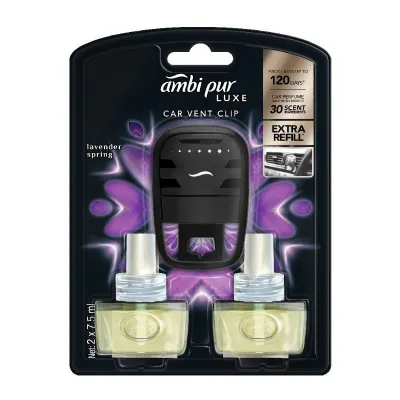
![[Bundle of 3] Ambi Pur Luxe Car Vent Clip Lavender Spring Car Air Freshener 7.5ml](https://img.lazcdn.com/g/p/be8a1e1adfd5c1e2eb6dfc5b9028e789.jpg_400x400q80.jpg_.webp)

Prices are valid at publication and may change. Please refer to the product page for the latest price.
For a car air vent clip, this environmental stress concentrates on three primary failure points. First, the clip jaws lose their clamping tension as the plastic softens, causing the accessory to sag or fall off. Second, the main structural body can warp or crack, ruining its visual appeal and alignment. Finally, the extreme heat can cause the fragrance reservoir to expand, crack, or leak, releasing concentrated oils that damage your car’s interior trim.
Heat-Resistant Materials to Look For
To withstand the thermal extremes of Singapore’s climate, you must select accessories made from materials engineered for automotive interiors. Avoid generic, low-cost plastics like polystyrene or low-grade polypropylene, which have low heat deflection temperatures and quickly degrade under UV light. Instead, look for automotive-grade polymers such as specialized polycarbonate, polybutylene terephthalate, or high-temperature nylon blends. These materials are formulated to maintain their structural integrity and dimensional stability at temperatures well exceeding 80°C.

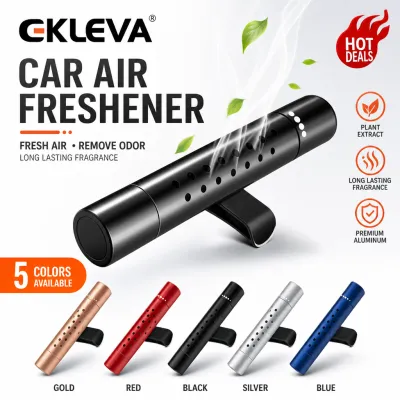
Metal components play a crucial role in reinforcing the structural parts of a high-quality car air vent clip. Anodized aluminum alloy or stainless steel elements—especially in the core clip mechanism or outer housing—provide excellent resistance to thermal deformation. Metal does not soften or creep under typical cabin temperatures, ensuring that the clip remains securely anchored to the vent blade even after years of heat exposure.
The material used for the contact pads or grip linings is another critical factor to verify before purchase. Cheap PVC or low-grade rubber pads can chemically break down and melt under high heat, turning into a sticky, tar-like residue that permanently stains or bonds to your air vent blades. Look for clips that utilize high-grade, heat-resistant silicone or thermoplastic elastomers. These materials retain their elasticity and grip across a wide temperature range without degrading or transferring residue to your vehicle’s interior.
When shopping on online marketplaces or at local automotive accessory shops, do not rely solely on generic product names. Carefully inspect the product packaging, manufacturer specifications, or online descriptions for explicit mentions of “automotive-grade,” “UV-resistant,” or certified temperature tolerance ranges (ideally rated up to at least 80°C). If a product listing lacks these details and is priced unusually low, it is highly likely made of standard consumer plastic that will fail under Singapore’s sun.
Structural Designs That Maintain Grip in High Temperatures
The mechanical design of a car air vent clip determines how well it handles continuous thermal stress without slipping. Standard friction-fit clips with “living hinges”—where the plastic itself bends to create clamping force—are highly prone to failure. Under the combination of constant outward pressure and high cabin heat, the plastic undergoes “creep,” a phenomenon where it permanently deforms into the open position, completely losing its grip.
To prevent this, look for clips featuring robust spring-loaded mechanisms or mechanical locking designs. A high-tension metal spring (such as a steel coil or torsion spring) housed within the clip provides consistent clamping force that is unaffected by cabin temperatures. Even if the surrounding plastic body experiences minor thermal expansion, the metal spring maintains a secure grip on the vent blade.
The geometry of the grip area also influences long-term reliability. A wide, dual-pronged grip or a distributed clamping surface is far superior to a narrow, single-point pinch design. By distributing the clamping pressure over a larger surface area of the vent blade, you reduce the localized mechanical stress on both the accessory and the delicate plastic blades of your car’s air vent.
Additionally, exercise caution when considering clips with overly complex moving parts, multi-jointed linkages, or intricate gravity-locking mechanisms made entirely of plastic. Different plastics expand and contract at varying rates when heated and cooled. In a complex, multi-part plastic mechanism, this thermal expansion can cause the moving components to bind, stick, or snap when you attempt to adjust them after the car has been parked in the sun. Simple, robust, and direct clamping designs are always more reliable in tropical conditions.
Preventing Chemical Degradation from Fragrance Oils
The challenge of maintaining a car air vent clip in Singapore is not just physical; it is also chemical. Many liquid air fresheners utilize synthetic fragrance compounds, essential oils, and chemical solvents (such as dipropylene glycol) to carry the scent. When exposed to high cabin temperatures, the evaporation rate of these volatile organic compounds increases dramatically, creating a highly concentrated chemical environment inside and around the clip.
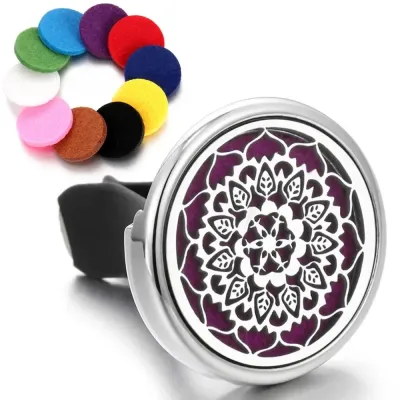
Many common plastics are highly vulnerable to these fragrance solvents, which can act as plasticizers, softening the polymer structure and causing it to dissolve or crack. To prevent this chemical melting, prioritize designs that physically isolate the fragrance medium from the structural plastic parts of the clip. Look for clips that use glass vials, anodized aluminum pods, or replaceable solid ceramic or polymer gel inserts. These solid or isolated mediums prevent direct contact between the liquid oils and the load-bearing components of the clip.
Furthermore, ensure the clip features a robust, spill-proof or leak-proof reservoir design. In Singapore’s humid and hot climate, pressure changes inside a sealed liquid container can force the liquid out of its seals. If concentrated fragrance oil leaks onto your car’s dashboard, console, or vent blades, it can cause immediate and irreversible cosmetic damage, peeling away the soft-touch paint or warping the factory plastic. Opting for solid-state fragrance rings or sealed, membrane-controlled pods minimizes this risk entirely.
Maintenance and Placement Tips for Tropical Climates
Proper usage and maintenance can significantly extend the lifespan of even the most durable car air vent clip. When installing the clip, position it on a vent blade that allows for unobstructed airflow. When you are driving with the air conditioning running, the cool air flowing through the vent directly cools the clip and the fragrance housing, mitigating the thermal stress accumulated while parked. However, avoid forcing the clip onto motorized or highly delicate vent blades; always refer to your vehicle’s manual to ensure you do not exceed the structural limits of your vent assembly.
To protect your car’s interior accessories from extreme heat soak when parked, adopt proactive sun-blocking habits. Using a high-quality, reflective front windshield sunshade is one of the most effective ways to lower cabin temperatures and shield the dashboard and air vents from direct UV radiation. Whenever possible, choose sheltered parking spaces, such as multi-storey HDB carparks, basement lots, or shaded areas, to keep your vehicle out of the direct line of the sun.
Regular cleaning is also essential to prevent chemical buildup and material degradation. Every few weeks, remove the vent clip and inspect it for any signs of fragrance oil residue or dust accumulation. Clean the clip using a soft cloth dampened with mild soap and warm water. Avoid using harsh chemical solvents, isopropyl alcohol, or household glass cleaners, as these substances can chemically react with heat-stressed plastics and accelerate cracking or surface crazing. Always allow the clip to dry completely before reinstalling it.
Frequently Asked Questions (FAQ)
Can I leave my car air vent clip on the vent when parked under the sun?
While high-quality, automotive-grade clips can remain installed, it is highly recommended to take precautions if your vehicle is parked in direct sunlight for extended periods. If you park in open-air lots daily, using a reflective front windshield sunshade is essential to block direct UV rays and lower cabin temperatures. For liquid-based air fresheners, consider removing the clip or storing it in a shaded glove compartment during prolonged parking to prevent pressure-induced leaks or accelerated evaporation of the fragrance oils.
Do metal car air vent clips get too hot and damage the vent blades?
No, metal car air vent clips will not damage your vehicle’s vent blades through heat transfer. While metals like aluminum or stainless steel conduct heat more efficiently than plastic, the overall thermal mass of a small vent clip is extremely low. Once you start your car and turn on the air conditioning, the cool airflow rapidly lowers the temperature of the metal clip. As long as the clip features high-quality silicone or rubber padding on its jaws, the metal will not transfer enough heat to melt or deform the automotive-grade plastic of your car’s vent blades.
How do I know if the plastic on my vent clip is melting?
There are several clear warning signs that your car air vent clip is failing due to heat. First, look for a sticky, tacky, or shiny residue on the vent blades or the clip’s grip pads, which indicates the polymer is chemically breaking down. Second, observe if the clip begins to sag, droop, or lose its clamping tension, signaling that the structural plastic has softened. Finally, check for visible warping of the outer housing, hairline cracks in the fragrance reservoir, or a strong, acrid chemical odor that smells like burning or melting plastic rather than the intended fragrance. If you notice any of these signs, remove and discard the clip immediately to protect your vehicle’s interior.

Community discussion
Share your experience or ask a question. Comments are reviewed before publication.