
Driving in Singapore often means stepping into a car cabin that has been baking under the tropical sun. If your vehicle is fitted with leather seat covers, this experience is frequently accompanied by a damp, sweat-soaked back by the time you reach your destination. To solve this issue, choosing a lumbar cushion with the right material structure is essential. The key is to select a cushion that prioritizes continuous ventilation, such as 3D spacer mesh or open-cell honeycomb polymers, which physically separate your back from the impermeable leather surface. By understanding how different materials interact with heat, humidity, and leather, you can maintain a dry, comfortable commute without compromising your car’s interior aesthetics or your driving posture.
Why Leather Seat Covers Trap Heat and Cause Back Sweat
Leather seat covers, whether crafted from genuine hides or synthetic alternatives like polyurethane (PU) and vinyl, are highly valued for their premium appearance and ease of cleaning. However, these materials possess a dense, non-porous surface structure that inherently lacks breathability. When your car is parked in an open-air car park or even a sheltered garage in Singapore, the cabin acts as a greenhouse, trapping solar radiation and heating the seats. Leather has a relatively high thermal mass, meaning it absorbs this heat and retains it for an extended period, transferring it directly to your body when you sit down.
Once you are seated, your back creates a tight seal against the flat surface of the leather seat cover. This seal completely blocks any ambient cabin airflow from reaching your skin. Because the human body constantly regulates its temperature by releasing microscopic amounts of moisture, a lack of ventilation causes this moisture to accumulate rapidly. In Singapore’s typical high-humidity environment, which frequently hovers around 80% or higher, the air is already saturated with water vapor, making it incredibly difficult for sweat to evaporate naturally from your clothing.
Products mentioned in this guide
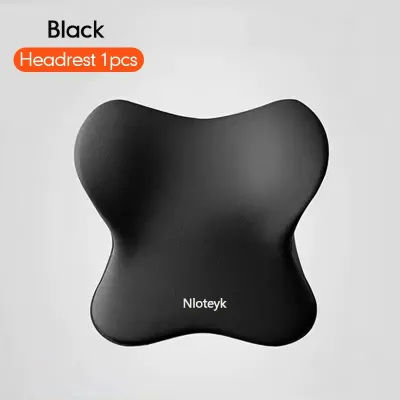
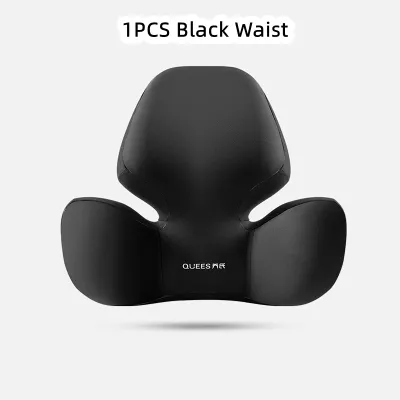
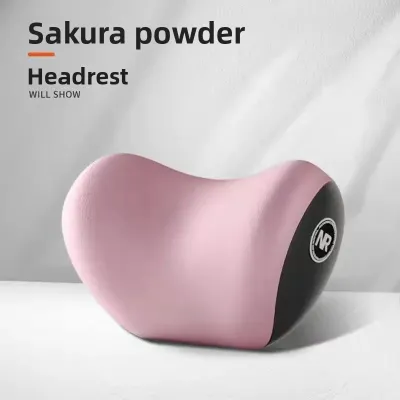
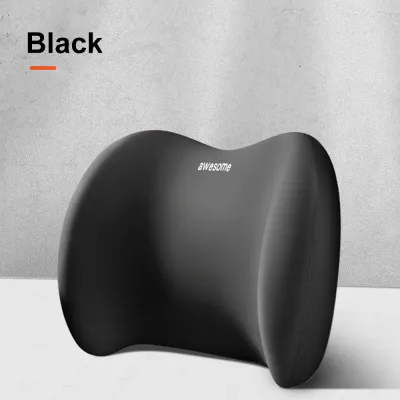
Prices are valid at publication and may change. Please refer to the product page for the latest price.
Introducing a standard aftermarket lumbar cushion can easily worsen this situation. Many common cushions are constructed from dense, solid memory foam or wrapped in thick, plush fabrics like velvet, velour, or heavy polyester. While these cushions might feel soft initially, they act as highly effective thermal insulators. They trap your body heat within their dense core and reflect it back toward your lower back, while the absorbent fabric covers hold onto sweat, leaving you with a damp, uncomfortable patch on your shirt during even a short commute along the expressway.
Best Lumbar Cushion Materials for Maximum Airflow
To successfully combat back sweat, you must look for lumbar cushions engineered specifically for passive or active ventilation. The most effective material option is 3D spacer mesh. Unlike traditional flat mesh, 3D spacer mesh is a specialized knit fabric consisting of two distinct layers of mesh separated by a middle layer of vertical, resilient micro-filaments. This unique structure creates a highly breathable, springy chamber of air. When you lean against it, the vertical fibers compress slightly to provide ergonomic support, but they do not collapse entirely, leaving open channels through which air can circulate freely in all directions, carrying away body heat and moisture.

Another excellent alternative is a thermoplastic elastomer (TPE) honeycomb structure. These cushions are molded into a grid pattern resembling a honeycomb, which provides exceptional structural support while remaining almost entirely hollow. The open columns of a TPE grid allow for maximum vertical and horizontal airflow. Additionally, TPE is inherently non-absorbent, meaning it will not retain sweat, oils, or ambient humidity, making it an incredibly hygienic choice for tropical climates.
When evaluating cushions, pay close attention to the outer cover material. Even a highly breathable core can be rendered ineffective if it is wrapped in a non-breathable fabric. Look for covers made from moisture-wicking synthetic blends, such as nylon or polyester engineered with specialized fiber cross-sections that facilitate capillary action. These fabrics actively pull sweat away from your skin and spread it across a larger surface area on the exterior of the cushion, allowing the vehicle’s air conditioning system to evaporate the moisture rapidly. Avoid heavy cotton or standard velvet covers, which absorb moisture like a sponge and remain damp for hours.
If you prefer the contouring support of memory foam, you must verify that the core is specifically designed for airflow. Standard memory foam is a closed-cell material that traps air, but ventilated memory foam features physical pincores—regularly spaced holes drilled through the foam—or an open-cell molecular structure that allows air to pass through under pressure. Be cautious of cushions marketed with “cooling gel” layers. While gel-infused foam or gel pads feel cool to the touch initially, they rely on thermal conduction to absorb heat. Once the gel reaches thermal equilibrium with your body temperature—typically within 15 to 30 minutes of driving—the cooling effect ceases, and the dense gel layer can begin to trap heat unless it is paired with a highly breathable mesh cover.
Ensuring Compatibility With Your Leather Seat Covers
Selecting a lumbar cushion is not just about personal comfort; you must also ensure that the cushion does not damage or degrade your vehicle’s leather seat covers. Leather is a delicate material that can be easily scratched, stained, or worn down by friction. Many aftermarket cushions feature non-slip backings designed to keep them from sliding around on slippery leather surfaces. However, some cheap backings utilize low-grade rubber or PVC materials containing plasticizers. Under the intense heat that builds up inside a parked car, these plasticizers can migrate into the leather, causing permanent chemical staining, stickiness, or peeling of the leather’s protective topcoat. To prevent this, look for cushions that use food-grade silicone friction dots or soft, non-abrasive textured fabrics as their non-slip mechanism.
The mounting system of the cushion is another critical factor to evaluate. Most lumbar supports are secured using elastic straps with plastic or metal adjustment buckles. Ensure that any hard plastic or metal components are fully shielded by fabric sleeves or positioned in a way that prevents them from rubbing directly against the leather seatback, which can cause deep scratches or punctures over time. Furthermore, you must verify that the strap placement does not interfere with the deployment of side-impact airbags, which are commonly embedded in the outer bolsters of modern car seats. Consult your vehicle’s owner manual to identify airbag deployment zones before routing any straps.
Finally, consider the physical dimensions and contour of the cushion. A lumbar support that is excessively thick or poorly shaped will push your entire torso too far forward. This displacement alters your driving posture, reducing the contact area between your thighs and the seat base, and forcing you closer to the steering wheel and pedals. Not only can this lead to muscle fatigue during longer drives, but it can also compromise your ability to operate the pedals safely and maintain a safe distance from the steering wheel airbag. Choose a cushion with a slim, ergonomic profile that fills the natural gap of your lumbar spine without forcing your hips forward.
Cleaning and Maintaining Breathable Cushions in Humid Conditions
Singapore’s high humidity, combined with daily perspiration, creates an environment where bacteria, mold, and mildew can thrive. To keep your lumbar cushion hygienic and odor-free, establishing a regular maintenance routine is essential. Always check the manufacturer’s care label before attempting to clean your cushion. Most high-quality ventilated cushions feature a removable, machine-washable outer cover. Washing the cover regularly in warm water with a mild detergent will remove accumulated body oils, salts, and sweat residues that can clog the mesh pores and reduce breathability.
The inner core of the cushion requires different care depending on its material. Memory foam cores should never be placed in a washing machine or dryer, as the mechanical agitation and heat will destroy the cell structure and ruin the foam’s supportive properties; instead, spot-clean them gently with a damp cloth and mild soap. TPE honeycomb cores, on the other hand, can often be rinsed under warm running water and shaken dry, making them exceptionally easy to maintain.
After cleaning, or after a particularly humid day of driving, ensure that all components of the cushion are completely dry before reinstalling them on your leather seats. Trapping moisture between a damp cushion and a leather seat cover is a recipe for mold growth, which can ruin both the cushion fabric and the leather surface. Air-dry the cover and core in a well-ventilated, shaded indoor area. Avoid exposing memory foam or TPE cores to direct, intense sunlight, as ultraviolet rays and extreme heat can cause these materials to degrade, warp, or lose their elasticity prematurely.
Over time, even the highest-quality materials will begin to show signs of wear. If you notice that the 3D spacer mesh has flattened permanently and no longer provides a springy gap, or if the cushion retains a persistent musty odor despite thorough cleaning, it is time to replace it. Continuing to use a collapsed cushion defeats the purpose of preventing back sweat, as the lack of structural airflow will once again trap heat against your leather seats.
Frequently Asked Questions (FAQ)
Will a mesh lumbar cushion damage my leather seat covers?
A high-quality mesh lumbar cushion is generally safe for leather seat covers, provided it is designed correctly. The mesh fabric itself is smooth and unlikely to cause wear. However, damage can occur if the cushion has a rough, abrasive backing, or if it features exposed plastic buckles and tight straps that rub against the leather as you enter and exit the vehicle. To protect your seats, choose a cushion with a soft, non-abrasive backing, ensure all buckles are covered, and avoid using aftermarket adhesives or harsh non-slip sprays, which can chemically react with and ruin the leather’s finish.
Do cooling gel lumbar cushions actually stay cool during long drives?
Cooling gel lumbar cushions provide temporary relief rather than sustained cooling. The gel works by absorbing heat from your body, but because it has a limited thermal capacity, it will eventually reach thermal equilibrium with your body temperature—usually within 15 to 30 minutes. Once this happens, the gel stops feeling cool. For daily commutes and long drives in Singapore’s tropical climate, structural airflow is far more effective. A cushion made with 3D spacer mesh or an open-cell honeycomb design allows heat to dissipate continuously, preventing sweat much better than a solid gel layer.
Community discussion
Share your experience or ask a question. Comments are reviewed before publication.