
Selecting a replacement or upgrade 48V battery for an electric motorcycle in Singapore requires careful evaluation of chemistry, capacity, discharge capabilities, physical dimensions, and safety features. Because Singapore’s tropical climate brings high ambient temperatures and sudden, heavy downpours, your choice must also account for robust thermal management and environmental sealing. To make an informed decision, you must look beyond the nominal “48V” label and verify how a battery’s specific chemistry, continuous discharge rating, and Battery Management System (BMS) align with your motorcycle’s original equipment manufacturer (OEM) specifications.
Quick Guide: Core Specs to Check Before Buying
Before diving into aftermarket options, your very first step must always be to consult your electric motorcycle’s owner manual or inspect the label of the original battery. This documentation establishes the baseline requirements for your vehicle’s electrical system, including nominal voltage, maximum current limits, and physical enclosure dimensions. Never assume a battery will fit or function correctly simply because it is marketed as a “48V battery.”
The term “48V” is a nominal classification rather than a constant, precise operating voltage. Depending on the battery chemistry and internal cell configuration, a fully charged 48V pack can exceed 54V or even 58V, while a depleted pack might drop below 40V. Matching the exact voltage characteristics of your motorcycle’s motor controller is essential to prevent system damage or premature low-voltage cutoffs.
Products mentioned in this guide
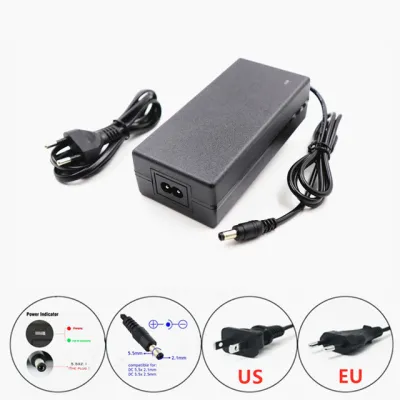
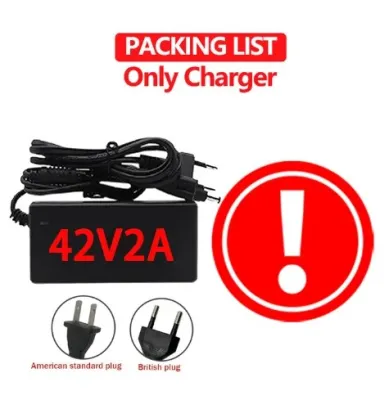
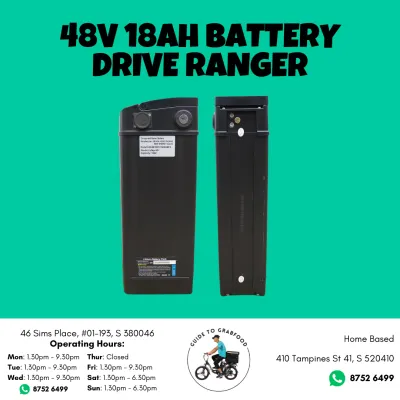
Prices are valid at publication and may change. Please refer to the product page for the latest price.
When evaluating potential replacement batteries, keep a checklist of five critical technical dimensions:
- Battery Chemistry Type: This determines the energy density, weight, lifespan, and thermal characteristics of the pack.
- Capacity (Ah and Wh): This measures the total energy stored, which directly dictates your riding range.
- Physical Dimensions: The pack must fit securely within your motorcycle's battery compartment with adequate clearance for wiring and shock-absorbing padding.
- Continuous Discharge Rate: The maximum continuous current (measured in Amps) the battery can safely deliver to the motor controller under load.
- Ingress Protection (IP) Rating: The level of protection against dust and water penetration, which is vital for Singapore's wet weather.
Understanding Battery Chemistry: NMC vs. LiFePO4
The 48V electric motorcycle market is dominated by two primary lithium-ion chemistries: Nickel Manganese Cobalt (NMC) and Lithium Iron Phosphate (LiFePO4). While both are superior to older lead-acid technology, they offer distinct trade-offs in terms of energy density, weight, lifespan, and safety.

NMC chemistry is highly favored for its exceptional energy density. This means an NMC battery can store a significant amount of energy in a relatively small, lightweight package. If your electric motorcycle has a compact battery bay or if you prioritize light, agile handling, NMC is often the preferred choice. A lighter battery pack reduces the overall curb weight of the motorcycle, which can improve acceleration and make the vehicle easier to maneuver, park, and handle at low speeds.
Conversely, LiFePO4 chemistry is renowned for its outstanding cycle life and superior thermal stability. While a typical NMC battery might deliver 500 to 1,000 full charge-discharge cycles before its capacity degrades significantly, a high-quality LiFePO4 battery can often exceed 2,000 to 3,000 cycles. Additionally, LiFePO4 has a much higher thermal runaway threshold, meaning it is inherently more resistant to overheating and combustion under extreme conditions. This makes LiFePO4 highly appealing for daily commuters, delivery riders, and high-mileage users who prioritize long-term durability and safety over absolute weight savings.
Because generic marketing descriptions often use the broad term “lithium-ion” to cover both types, you must look closely at the manufacturer’s technical datasheet to identify the exact chemistry. A 48V NMC battery is typically constructed using a 13S (13 cells in series) or 14S configuration, resulting in a nominal voltage of 46.8V to 50.4V and a peak charge voltage of 54.6V to 58.8V. A 48V LiFePO4 battery usually employs a 15S or 16S configuration, yielding a nominal voltage of 48V to 51.2V and a peak charge voltage of 54.75V to 58.4V. Ensure your motorcycle’s motor controller and charger are compatible with these specific voltage ranges before purchasing.
Evaluating Capacity, Power, and Real-World Range
To accurately compare different 48V batteries, you must understand the relationship between nominal voltage, Amp-hours (Ah), and Watt-hours (Wh). While Amp-hours measure the electrical charge capacity, Watt-hours represent the total energy capacity of the battery. You can calculate Watt-hours by multiplying the nominal voltage by the Amp-hour rating (V × Ah = Wh). For example, a 48V 30Ah battery provides 1,440Wh (or 1.44kWh) of energy, whereas a 48V 40Ah battery provides 1,920Wh (1.92kWh). Using Watt-hours allows for a standardized, direct comparison of energy storage across different brands and configurations.
Equally critical is the battery’s discharge capability, which is defined by its continuous and peak discharge ratings (often expressed in Amps or as a C-rating). The continuous discharge rate is the maximum current the battery can deliver indefinitely without overheating or sustaining damage. The peak discharge rate is the maximum current the battery can provide for short bursts, such as during hard acceleration or when climbing steep hills. Your chosen battery’s continuous discharge rating must meet or exceed the maximum current draw specified by your motorcycle’s motor controller. If the controller demands 50A during acceleration but your battery is only rated for 30A continuous, the Battery Management System (BMS) will trigger a protective shutdown, cutting power to your motorcycle instantly and creating a potentially hazardous riding situation.
When estimating your vehicle’s range, treat manufacturer-provided range claims with caution. These estimates are typically generated under ideal laboratory conditions, featuring a lightweight rider, flat terrain, no wind resistance, and a constant, low speed. In the real world, your actual range will vary based on several factors:
- Total Payload: The combined weight of the rider, any passengers, and cargo.
- Riding Style and Speed: Frequent stop-and-go riding, high-speed cruising, and aggressive acceleration consume energy much faster.
- Terrain: Climbing steep inclines requires significantly more power than riding on flat coastal roads.
- Tire Pressure and Maintenance: Under-inflated tires increase rolling resistance, reducing efficiency.
While it may be tempting to buy the highest capacity battery available, avoid oversizing the pack. A larger capacity battery requires more physical space and adds significant weight, which can negatively affect your motorcycle’s handling, suspension balance, and structural integrity. Furthermore, ensure your motorcycle’s charging system and wiring can handle the demands of a much larger battery pack without overheating.
Physical Fitment, Terminals, and Wiring Compatibility
A battery can have excellent electrical specifications, but it is useless if it does not fit securely within your motorcycle’s battery compartment. Before ordering any replacement battery, use a precise measuring tape to record the maximum internal length, width, and height of your vehicle’s battery tray. Be sure to account for any irregular shapes, structural brackets, or latches inside the compartment. Always verify your specific vehicle model, year, mounting position, and road legality from official vehicle documentation before purchasing aftermarket components.
When planning the fitment, do not design for a tight, zero-clearance fit. You must leave adequate space for wiring harness routing, connector clearance, and protective shock-absorption padding. Electric motorcycles are subjected to constant vibrations and road shocks; without sufficient foam or rubber padding, the battery casing can rub against the metal frame, leading to structural wear, housing cracks, or internal cell damage.
Next, examine the electrical interface. Your new battery must feature terminal types and connector standards that match your motorcycle’s wiring harness. Common heavy-duty connectors include ring terminals, Anderson Powerpole connectors, and XT90 connectors. The wiring harness itself must utilize a wire gauge (typically measured in AWG) thick enough to carry the maximum current of your system without generating excessive heat. If your new battery uses a different connector than your motorcycle, you may need a high-quality adapter or a professional harness modification.
Reversing the positive and negative connections—known as a polarity mismatch—will instantly destroy your motorcycle’s motor controller and potentially cause a short circuit or fire. Never rely solely on wire colors, as aftermarket manufacturers do not always follow standard color coding. Before making any physical connections, use a digital multimeter to verify the polarity of both the battery terminals and the vehicle’s input plug. Map out the connector pinout carefully to ensure a perfect match. Because electrical modifications carry safety risks, always consult your original-vehicle instructions and consider seeking qualified professional installation if you are undertaking wiring changes or disassembly.
BMS Features and Climate Adaptation for Singapore
The Battery Management System (BMS) is the electronic brain of a lithium battery, responsible for monitoring and protecting the individual cells. A high-quality BMS is non-negotiable for safety and longevity. It performs several critical functions:
- Cell Balancing: Ensures that all series-connected cells maintain an equal state of charge, preventing individual cells from being overstressed.
- Overcharge and Over-discharge Protection: Prevents the battery from exceeding safe voltage limits during charging or dropping too low during use, both of which can permanently ruin the cells.
- Short-Circuit Protection: Instantly disconnects the battery in the event of an electrical short, preventing catastrophic thermal events.
For riders in Singapore, the BMS must be specifically equipped to handle a hot, humid tropical environment. High ambient temperatures accelerate chemical degradation inside lithium cells. A robust BMS must feature high-temperature cutoff protection, which temporarily halts charging or discharging if the battery’s internal temperature exceeds safe limits (typically around 55°C to 60°C). After a long ride in the midday heat, always allow your battery to cool down in a shaded, well-ventilated area before plugging it into a charger. Charging a hot battery accelerates capacity loss and increases the risk of thermal runaway.
Singapore’s frequent heavy downpours and high humidity present another major challenge. Water ingress can cause internal short circuits, corrode delicate BMS circuitry, and ruin the battery. When shopping for a 48V battery, verify its Ingress Protection (IP) rating on the manufacturer’s official technical datasheet. Look for a rating of IP65 or higher. An IP65 rating indicates that the battery enclosure is completely dust-tight and protected against water jets from any angle, making it resilient against heavy rain and road splashes.
Avoid relying on generic product titles or online marketplace descriptions for these safety specifications. Instead, request the official technical datasheet from the manufacturer. Many modern high-end batteries also feature smart BMS systems equipped with Bluetooth connectivity. This allows you to pair the battery with a smartphone app to monitor real-time cell voltages, state of charge, current draw, and internal temperatures, giving you early warning of any potential issues.
Charger Compatibility and Safety Verification
Using the wrong charger is one of the most common causes of lithium battery failures and electrical fires. You must never assume that any charger labeled “48V” is safe to use with your new battery. The charger’s output voltage must match the specific chemistry and series configuration of your battery pack.
For example, a 48V NMC battery with a 13S configuration requires a charger with a maximum output voltage of exactly 54.6V. A 48V LiFePO4 battery with a 16S configuration requires a charger with a maximum output voltage of 58.4V. If you attempt to charge a 13S NMC battery with a 58.4V LiFePO4 charger, you will severely overcharge the cells, leading to rapid degradation, swelling, or a hazardous thermal runaway event. Conversely, using an under-voltage charger will prevent the battery from ever reaching a full charge.
Strictly avoid using old lead-acid chargers on lithium batteries. Lead-acid chargers utilize a completely different charging profile (often including a high-voltage desulfation stage) that can permanently damage lithium cells and bypass the safety parameters of the BMS. Always purchase a dedicated smart charger designed specifically for your battery’s chemistry, voltage, and connector pinout.
When selecting a charger, also consider the charging current, measured in Amps (A). While a high-amperage “fast charger” can reduce charging times, it generates more heat and puts more stress on the battery cells, which can shorten the battery’s overall lifespan over time. For daily use, a moderate charging rate (typically 0.2C to 0.5C, meaning a 4A to 10A charger for a 20Ah battery) is recommended to balance charging speed with long-term cell health.
Finally, inspect the physical build quality of both the battery and the charger. Look for robust aluminum or high-impact plastic casings, heavy-duty strain reliefs on the cables, and secure, snug-fitting connectors. Verify that the products carry recognized safety certification marks on their labels (such as CE, UL, or local safety marks in Singapore) to ensure they have undergone rigorous independent testing for electrical safety and electromagnetic compatibility.
Frequently Asked Questions (FAQ)
Can I replace my lead-acid battery with a 48V lithium battery?
Yes, you can replace a lead-acid battery with a 48V lithium battery, but the conversion requires several important adjustments. First, you must replace your existing lead-acid charger with a dedicated lithium charger that matches the specific chemistry (NMC or LiFePO4) of your new pack. Second, because lithium batteries are significantly lighter and often smaller than lead-acid batteries of equivalent capacity, you must secure the new battery firmly within the battery box. Use high-density foam inserts or custom brackets to prevent the lightweight pack from sliding around or vibrating excessively during rides. Finally, ensure the new battery’s continuous discharge rating meets your motor controller’s requirements.
How long does a 48V electric motorcycle battery typically last?
The lifespan of a 48V electric motorcycle battery is measured in charge cycles rather than years, and it depends heavily on the battery chemistry, operating temperatures, and usage habits. A typical NMC battery will last between 500 and 1,000 cycles before its capacity drops to 80% of its original value, which translates to roughly 2 to 4 years of regular use. A LiFePO4 battery offers a much longer lifespan, often lasting between 2,000 and 3,000 cycles (approximately 5 to 10 years) under proper care. To maximize lifespan, avoid routinely discharging the battery to 0%, store it in a cool and dry environment, and avoid charging it immediately after a long ride while the cells are still hot.
Is it safe to charge my electric motorcycle battery indoors?
Charging a lithium battery indoors can be done safely if you adhere to strict safety guidelines. Always use the original, manufacturer-approved smart charger designed specifically for your battery pack. Never leave a charging battery completely unattended, especially overnight or while you are away from the property. Ensure the charging area is well-ventilated, dry, and free from flammable materials like paper, textiles, or cardboard. Avoid charging the battery in direct sunlight or near heat sources. If you notice the battery or charger becoming excessively hot to the touch, emitting an unusual odor, swelling, or making hissing sounds, immediately disconnect the power source if it is safe to do so, move away, and contact a professional.
Community discussion
Share your experience or ask a question. Comments are reviewed before publication.