
Replacing a damaged lorry side mirror is not as simple as picking a part off a shelf. Commercial vehicles operate under highly demanding conditions, and an incorrect or poorly fitted mirror can severely impair your visibility, create dangerous blind spots, or fail to pass strict roadworthiness inspections. To ensure a replacement lorry side mirror fits your vehicle perfectly before you buy, you must systematically verify your vehicle’s exact specifications, match the original equipment manufacturer (OEM) part number, inspect the physical mounting hardware, and verify any integrated electrical connectors. Taking these steps protects your investment, keeps your vehicle road-legal, and ensures the safety of everyone on the road.
Gather Your Vehicle's Exact Specifications
Lorry manufacturers produce highly customized chassis configurations, meaning that a standard brand name and model year are rarely enough to guarantee a correct fit. For example, a medium-duty lorry might share a model name across several different deck lengths, cab widths, and axle configurations. These variations directly influence the type of mirror assembly required to look past the rear body of the vehicle.
To build a reliable foundation for your search, you must locate your vehicle’s exact identification details. Start by finding the chassis number, also known as the Vehicle Identification Number (VIN). In Singapore, this is easily found on your Land Transport Authority (LTA) registration log card, on the metal chassis plate located inside the passenger door frame, or stamped directly onto the vehicle frame under the cab. Along with the VIN, note down the exact year of manufacture, the specific trim level, the cab style (such as standard, wide, or crew cab), and the payload configuration.
Products mentioned in this guide

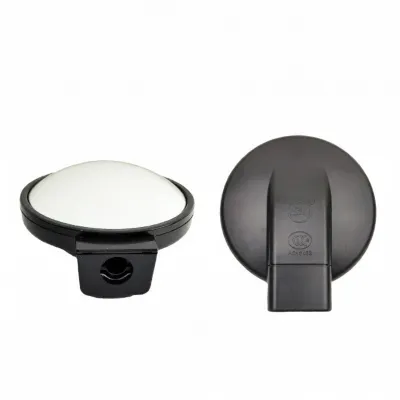
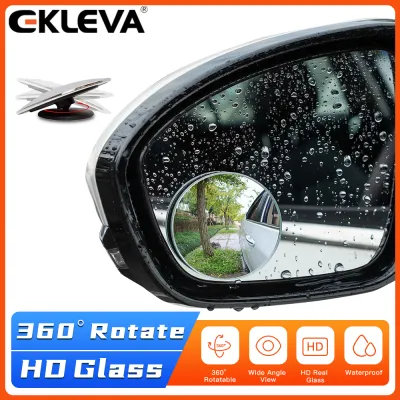
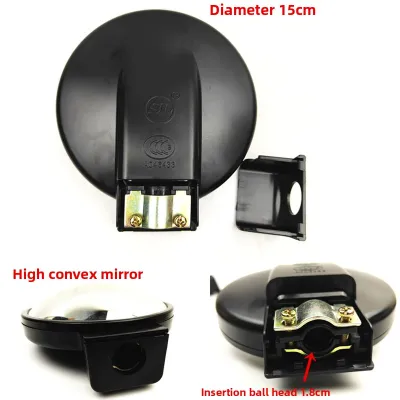



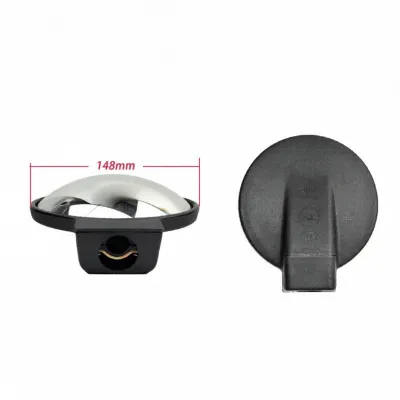
Prices are valid at publication and may change. Please refer to the product page for the latest price.
Understanding the lorry’s rear body structure is equally vital. A lorry fitted with a wide box-up cargo body or a refrigerated container requires a significantly longer mirror arm to see past the rear corners than a standard flatbed or dropside lorry. If you purchase a mirror designed for a narrower cab configuration, the mirror head will sit too close to the door, rendering the glass useless for monitoring adjacent lanes. Conversely, an excessively long mirror arm on a narrow lorry increases the vehicle’s overall width unnecessarily, raising the risk of clipping obstacles or other vehicles in tight urban spaces.
Match the OEM Part Number for Direct Replacement
The single most reliable method to guarantee a perfect fit is to identify and match the OEM part number. This unique alphanumeric code is assigned by the vehicle manufacturer to identify the exact design, shape, and specification of the original mirror assembly. Using this number eliminates the guesswork associated with aftermarket lookups and ensures that the replacement part matches the factory specifications exactly.

Finding the OEM part number on an existing lorry side mirror requires a close inspection of the damaged unit. The number is typically stamped or molded into the plastic housing on the back of the mirror head, printed on a durable adhesive label on the underside of the mounting arm, or cast directly into the metal mounting bracket. If the original mirror is completely missing or too damaged to read, you can obtain the correct OEM part number by contacting an authorized dealer’s parts department and providing them with your vehicle’s chassis number.
Once you have the OEM part number, you can confidently cross-reference it with aftermarket or third-party listings. Reputable aftermarket manufacturers list the specific OEM numbers their products are designed to replace. When browsing online marketplaces or local auto parts suppliers in Singapore, always look for an explicit compatibility chart or cross-reference table that matches your gathered OEM number.
Be highly cautious of product listings that rely on vague, generic fitment descriptions. Phrases such as “fits most Japanese trucks” or “compatible with 3-ton lorries” are major warning signs. These listings often gloss over critical differences in mounting brackets or arm lengths, leading to parts that are impossible to install safely or fail to provide a safe field of view. Always demand a direct OEM cross-reference before completing your purchase.
Inspect Physical Dimensions and Mounting Hardware
Even when a part number seems to match, performing a physical inspection of the replacement mirror’s dimensions and mounting hardware is a crucial safety step. Commercial lorry mirrors are subjected to intense wind resistance, road vibrations, and occasional impacts, meaning the mounting bracket must align perfectly with the door’s internal reinforcement points.
Begin by examining the mounting base configuration. Lorry mirrors generally attach using one of three methods: a multi-bolt flange plate, a clamp-on bracket that secures to an external tubular arm, or a specialized door-mount hinge. Measure the distance between the bolt holes on your existing mounting bracket from center to center, and compare these measurements with the technical drawings provided by the replacement part seller. A difference of even a few millimeters can prevent the bolts from threading correctly or cause the assembly to sit crookedly.
Next, verify the physical dimensions of the mirror head and the shape of the glass. Lorry mirrors use different glass types to manage blind spots, including flat, convex, and aspherical glass. Flat glass provides an accurate, undistorted view of vehicles behind you but has a narrow field of vision. Convex glass expands your field of view significantly but makes objects appear smaller and further away than they actually are. Many heavy commercial vehicles utilize a split-mirror design, featuring a large flat mirror on top for distance tracking and a smaller convex mirror below to eliminate blind spots near the wheels. Ensure the replacement mirror matches this functional layout to maintain compliance with local road safety standards.
Under no circumstances should you attempt to modify the mounting points on your lorry door or drill new holes to accommodate an ill-fitting mirror bracket. Lorry doors are engineered with internal reinforcement plates specifically designed to support the weight and aerodynamic drag of the mirror assembly. Drilling new holes outside these reinforced zones weakens the door panel, compromises the vehicle’s rust-proofing, and can lead to metal fatigue. Over time, the constant vibration of highway driving can cause the mounting bolts to pull through the sheet metal, resulting in the mirror detaching entirely at high speeds. If the replacement part does not line up with your existing mounting points, stop and consult the manufacturer or a qualified professional.
Verify Electrical Connectors and Integrated Features
Modern commercial vehicles are increasingly equipped with advanced electrical features integrated directly into the side mirror assemblies. If your lorry features power-adjustable glass, heated demisters, integrated turn signals, or blind-spot warning sensors, the replacement mirror must match these electrical systems perfectly to function.
To verify electrical compatibility, you must inspect the wiring harness connector on both the vehicle side and the replacement mirror. Start by counting the number of pins inside the connector plug. A basic manual mirror will have no electrical connector, while a simple power-adjust mirror typically uses a 3-pin connector. More advanced mirrors with heating elements, power-folding motors, or integrated LED indicators can have 7-pin, 9-pin, or even larger multi-pin connectors. The shape of the plastic housing—whether square, rectangular, or round—must also match your lorry’s existing plug exactly.
Mismatched electrical connectors pose a significant safety risk to your vehicle’s electrical system. Attempting to force a connection or splice wires without a clear understanding of the circuit layout can cause short circuits, blow critical fuses, or permanently damage the lorry’s body control module (BCM). If the pin configuration of a replacement mirror is unclear or does not match your existing harness, do not attempt to modify the wiring yourself. Instead, consult the vehicle manufacturer’s official wiring diagram or seek the assistance of a qualified automotive electrician.
Before purchasing a mirror with integrated features, always check the original-vehicle instructions and user manuals to confirm which functions are supported by your lorry’s electrical system. Installing a mirror with heated glass on a lorry that does not have the corresponding dashboard switch or wiring harness will not enable the heating function, and it may even lead to compatibility errors in the vehicle’s diagnostic computer. Always disconnect the vehicle battery before performing any electrical checks or installation work to prevent accidental short circuits.
Final Verification and Safety Checks Before Purchase
Before finalizing your purchase and committing your budget, there are several administrative and safety checks you should perform to avoid costly errors and ensure a smooth installation process.
Always contact the parts supplier or dealer directly before placing your order and provide them with your vehicle’s full chassis number (VIN). Ask them to run the VIN through their parts database to provide a formal fitment guarantee. This extra step shifts the responsibility of compatibility onto the seller, making it much easier to secure a full refund or exchange if the part ultimately does not fit.
Carefully review the seller’s return and exchange policies, paying close attention to the terms for commercial vehicle parts. Because lorry side mirrors are bulky, heavy, and expensive to transport, return shipping fees can be substantial. Many suppliers also charge restocking fees or refuse returns entirely if the original packaging has been torn, if the product shows signs of attempted installation, or if there are grease marks on the mirror housing.
Once the correct replacement mirror arrives, prioritize professional installation, especially for heavy-duty commercial vehicles. A qualified mechanic or specialist workshop will ensure that all mounting bolts are torqued precisely to the manufacturer’s specifications. This prevents the mirror from vibrating excessively at highway speeds, which can distort your view and loosen the hardware over time. Furthermore, professional installation ensures that the mirror’s positioning complies fully with local transport authority regulations, securing your vehicle’s roadworthiness and keeping your operations running safely.
Frequently Asked Questions (FAQ)
Can I use a universal side mirror on a commercial lorry?
Universal mirrors are generally not recommended for commercial lorries due to the severe vibration they experience at high speeds. These generic mirrors often feature lightweight mounting hardware that cannot withstand the heavy aerodynamic drag and weight of large lorry mirror heads. Additionally, universal mirrors rarely provide the precise, legally compliant field of view required for heavy vehicles, significantly increasing your blind spots and compromising road safety.
Do I need to recalibrate cameras or sensors after replacing the mirror?
Yes, if your replacement lorry side mirror houses a blind-spot camera, parking sensor, or radar unit integrated with an Advanced Driver Assistance System (ADAS), professional recalibration is typically required. These safety sensors rely on precise angles to calculate distances and detect hazards accurately. After installing the new mirror housing, a qualified technician must use specialized diagnostic tools and calibration targets to align the sensors to the manufacturer’s exact specifications.
Community discussion
Share your experience or ask a question. Comments are reviewed before publication.