
Finding the correct replacement car side mirror requires more than just matching your vehicle’s make and model. Because manufacturers frequently update housing shapes, electrical connectors, and integrated safety features even within the same model generation, you must verify the exact specifications of your vehicle. To ensure a perfect fit, you need to cross-reference your Vehicle Identification Number (VIN), locate the Original Equipment Manufacturer (OEM) part number, and match both the physical and electrical configurations of your existing mirror.
Locate Your Vehicle's Exact Specifications
To begin your search, locate your vehicle’s 17-character Vehicle Identification Number (VIN). This unique identifier is typically found on the driver’s side dashboard near the windshield, on the driver’s side door jamb sticker, or on your vehicle registration documents. The VIN is the most reliable tool for identifying your car’s precise build specifications, as it decodes the exact factory options, trim level, and production date. Using a VIN lookup tool or presenting this number to an authorized dealer parts department ensures you search for parts designed specifically for your vehicle’s configuration, saving you from restocking fees that can easily exceed S$50 for incorrect orders.
Another highly accurate method is finding the OEM part number stamped on the existing mirror assembly. To locate this number, you may need to carefully remove the plastic interior trim cover opposite the mirror or look at the bottom of the mirror housing. If the mirror is still fully assembled on the car, a dealer parts catalog can retrieve this exact OEM number using your VIN. Matching the OEM part number of the replacement mirror to your original part guarantees both physical and functional compatibility.
Products mentioned in this guide
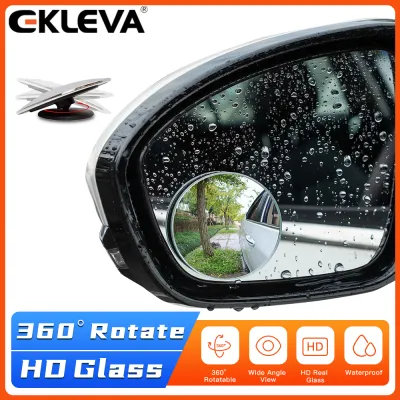
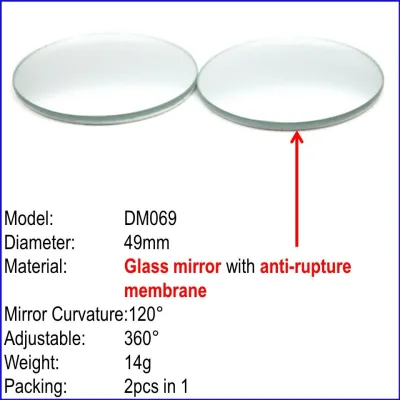
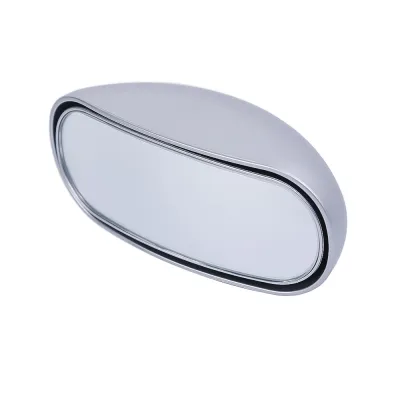
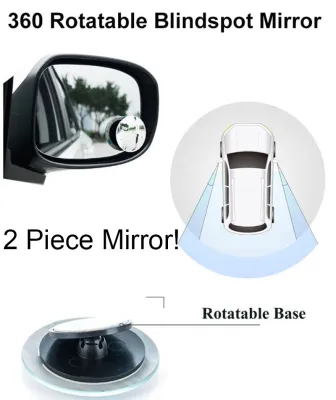
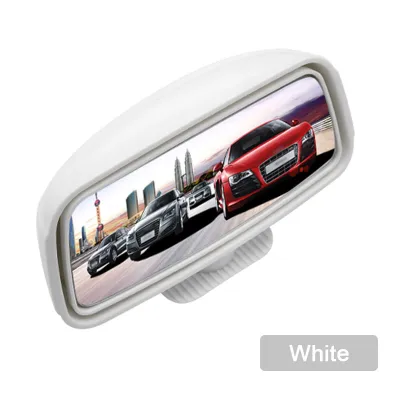
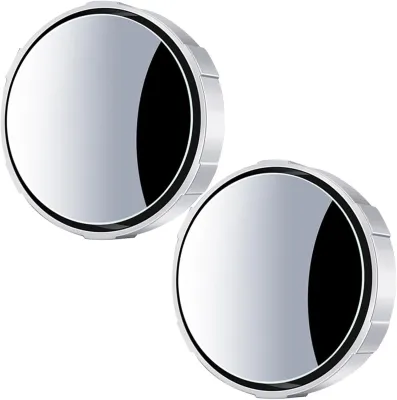
Prices are valid at publication and may change. Please refer to the product page for the latest price.
Relying solely on the general model year can lead to purchasing errors due to mid-cycle refreshes or facelifts. Car manufacturers often update the exterior styling, including the side mirrors, halfway through a model’s production run. A vehicle registered in a specific year might actually belong to the previous design cycle or feature updated components from a mid-year transition. Always verify the exact production month and year, which is listed on the manufacturer’s compliance plate inside the driver’s door frame, to account for these mid-generation updates.
Decode Side Mirror Features and Electrical Connectors
Modern side mirrors are complex electrical components that house various driver assistance and comfort features. Before choosing a replacement, list every function your current mirror performs. Common integrated features include power glass adjustment, manual or power folding mechanisms, heated glass elements, integrated turn signal indicators, puddle lights, and blind-spot monitoring sensors or cameras. A replacement mirror must match these exact features; installing a mirror missing a feature can trigger dashboard error lights, while upgrading to a mirror with more features than your car’s wiring supports usually results in those functions not working.

The most critical point of electrical compatibility is the wiring harness connector, specifically the pin count and plug shape. The electrical connector is located inside the door panel where the mirror mounts to the vehicle. Even if two mirrors look identical from the outside, one might use a 5-pin connector for basic power adjustment, while another uses a 9-pin or 16-pin connector to support heating, folding, and signal functions. You must count the physical metal pins inside your vehicle’s female plug and compare them to the male connector on the replacement mirror to ensure they match perfectly.
Visual similarity of the outer plastic housing is never a reliable indicator of electrical compatibility. Manufacturers often use the same external mirror shell across multiple trim levels while completely changing the internal wiring and connector styles. Attempting to force an incompatible plug into your vehicle’s harness can damage the electrical system or short-circuit delicate control modules. Always verify the connector plug shape, locking tab position, and pin configuration before finalizing your purchase.
Verify Physical Fitment and Safety Boundaries
Physical fitment involves matching the mounting base plate, bolt hole patterns, and the contour lines of the mirror housing to your vehicle’s door panel. The base plate must sit flush against the door frame to prevent wind noise, water leaks, and vibration while driving. Even a millimeter of variance in the bolt pattern will prevent the mirror from mounting securely. Before purchasing, compare detailed product diagrams or photos of the replacement mirror’s mounting base against your original mirror’s mounting footprint.
It is also essential to distinguish between driver-side and passenger-side specific geometries. Side mirrors are not interchangeable from left to right due to differing mounting angles and glass curvature. The driver-side mirror typically uses flat glass to provide an accurate representation of distance, whereas the passenger-side mirror uses convex glass to offer a wider field of view. Ensure you select the correct side relative to the driver’s seating position.
Because replacing a side mirror involves working with electrical wiring, door panel disassembly, and potentially safety-critical sensors, you must understand the safety boundaries of this task. Incorrect installation can interfere with side-impact airbag sensors located inside the door or compromise your vehicle’s electrical system. Always consult your original vehicle manufacturer documentation and repair manuals before attempting disassembly. If your vehicle features advanced electrical systems, integrated cameras, or structural wiring, seek qualified professional installation to ensure the vehicle remains road-legal and safe to operate.
Frequently Asked Questions (FAQ)
Can I use a side mirror from a different model year of the same car?
Generally, you should avoid using a mirror from a different model year unless you have verified that the part numbers are identical. Mid-cycle refreshes frequently alter the internal mounting brackets, electrical plug designs, or housing shapes, even if the overall car body looks unchanged. Always verify the exact production month and year of your vehicle rather than relying on the general model generation to ensure a proper fit.
Do I need to recalibrate the camera if my side mirror has a blind-spot monitor?
Yes, if your replacement side mirror contains an integrated camera or advanced blind-spot detection sensor, it will typically require professional software calibration after installation. These sensors feed data directly into your vehicle’s Advanced Driver Assistance Systems (ADAS). Failing to calibrate the new camera or sensor can cause inaccurate blind-spot warnings, lane-keep assist failures, or system errors, compromising your safety on the road.
Community discussion
Share your experience or ask a question. Comments are reviewed before publication.