
Building a complete home car wash kit from scratch requires matching specific chemical categories to the distinct stages of a safe wash routine. Using Sonax products as the foundation of your detailing kit allows you to address everything from heavy road grime to delicate interior surfaces. However, a successful wash depends as much on your physical tools and safety checks as it does on the liquid formulas. By selecting the right combination of shampoos, wheel cleaners, sealants, and high-quality microfiber accessories, you can establish a systematic routine that preserves your vehicle’s finish.
In Singapore’s tropical climate, vehicles face intense sun exposure, high humidity, and frequent rain, which can bake contaminants onto the clear coat. A structured approach ensures you do not accidentally scratch the paint during the cleaning process. Before purchasing any products, it is essential to understand how each chemical interacts with your car’s specific materials and how to safely apply them in your designated wash space, whether that is a private driveway or a community wash bay.
Understanding the Core Stages of a Complete Car Wash
A systematic car wash is not merely about making a vehicle look clean; it is about minimizing physical contact with the paintwork to prevent micro-scratches and swirl marks. Professional detailing sequences are structured to remove the most abrasive dirt before you ever touch the vehicle with a wash mitt. This sequence typically consists of five distinct stages: pre-wash, contact wash, decontamination, protection, and finishing. Skipping any of these stages or executing them in the wrong order can trap dirt under your wash tools, dragging abrasive particles across the clear coat and creating permanent paint defects.
Products mentioned in this guide
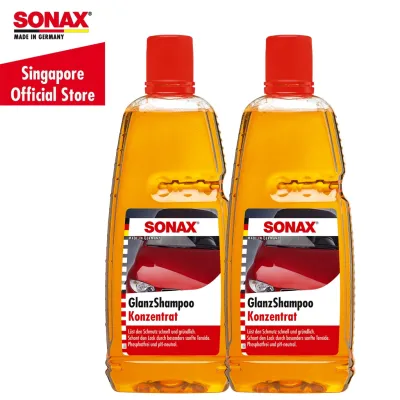
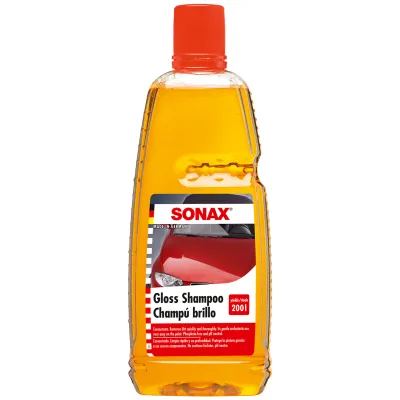
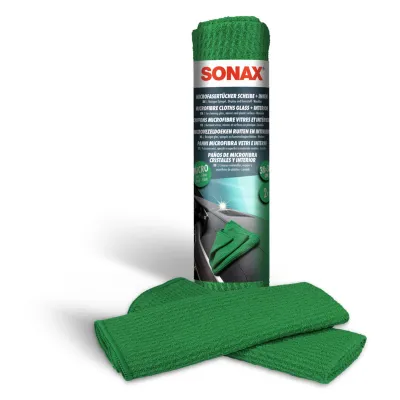
Prices are valid at publication and may change. Please refer to the product page for the latest price.
The pre-wash stage is designed to loosen and lift loose road dust, mud, and traffic film without physical agitation. By applying a high-foaming agent or a pre-wash spray, you allow surfactants to break down surface tension, allowing gravity to pull the heaviest dirt off the panels. Once the pre-wash is thoroughly rinsed away, the contact wash can safely begin. This stage uses a dedicated car shampoo and a plush wash mitt to gently lift the remaining fine film.
Decontamination addresses embedded contaminants that standard washing cannot remove, such as industrial fallout, iron particles from brake dust, and sticky tree sap or tar. Following decontamination, the protection stage applies a sacrificial barrier—such as a wax, sealant, or ceramic coating—to shield the paint from ultraviolet rays, acid rain, and environmental contaminants. Finally, the finishing stage addresses glass, tires, trim, and the interior to complete the detailing process.
Your vehicle’s daily usage, parking environment, and exposure to the elements dictate which of these stages are mandatory for each session. For example, a car parked outdoors under trees in Singapore will require more frequent decontamination and robust paint protection than a vehicle kept in a sheltered basement garage. Assessing these factors helps you determine which products are essential for your regular routine and which can be reserved for occasional deep cleaning.
Matching Sonax Product Categories to Your Wash Routine
To build an effective kit, you must align Sonax’s product catalog with the specific stages of your wash routine. For the pre-wash and contact wash stages, the choice of shampoo depends heavily on the level of dirt and the existing protection on your vehicle. Sonax offers pH-neutral shampoos that clean gently without stripping existing wax or sealant layers, making them ideal for regular maintenance washes. Conversely, if your vehicle is heavily soiled with oily traffic film or if you plan to strip old wax layers before applying new protection, an alkaline-based cleaner or a stronger wash concentrate may be required. Always check the product label to verify the recommended dilution ratios and safety instructions for your specific paint type.

Wheels and tires require specialized attention due to the high concentration of metallic brake dust and road grime they accumulate. Standard body shampoos are often insufficient for these areas. Sonax wheel cleaners are formulated to target iron particles, chemically reacting with brake dust to loosen its bond with the wheel surface. When selecting a wheel cleaner, look for acid-free, pH-balanced formulas to ensure they do not etch sensitive wheel finishes, such as polished alloy, matte paint, or anodized surfaces. After cleaning, applying a dedicated tire dressing helps protect the rubber from drying out and cracking under intense tropical sunlight, while restoring a clean, natural appearance.
Paint protection is a critical step that determines how easily dirt will slide off your vehicle during future washes. Sonax provides several categories of protection, ranging from quick-application spray sealants to liquid waxes and advanced ceramic coatings. Spray sealants are highly popular for home kits because they can be applied rapidly to wet or dry surfaces, offering immediate water-beading properties with minimal physical effort. Liquid waxes provide a deeper gloss but require more time to apply, cure, and buff off. For long-term durability, ceramic-based spray coatings utilize silicon dioxide (SiO2) technology to create a harder, more resilient barrier against environmental hazards. Your choice should balance the time you are willing to invest in application with the level of durability you expect.
The interior and glass require entirely different chemical formulations to avoid damaging sensitive cabin materials. Modern vehicle interiors feature a complex mix of materials, including soft-touch plastics, leather, synthetic fabrics, and delicate infotainment screens. Sonax interior cleaners are designed to lift dust, body oils, and light stains without leaving greasy residues that can attract more dust or cause glare on the dashboard. For glass surfaces, a dedicated glass cleaner is essential to remove the oily film that accumulates from plastic outgassing and air conditioning systems, ensuring streak-free visibility during night driving or heavy rain.
Essential Hardware and Tools to Pair with Sonax Chemicals
Even the most advanced chemical formulas cannot protect your vehicle’s paint if they are applied with improper physical tools. To prevent marring and scratching, your home car wash kit must include high-quality hardware designed to minimize friction and trap dirt safely. The foundation of any safe contact wash is a dual-bucket system. One bucket holds your soapy wash solution, while the second bucket contains clean water for rinsing your wash mitt. Both buckets should be equipped with grit guards—radial grids that sit at the bottom of the bucket to trap heavy dirt particles, preventing them from re-contaminating your wash mitt when you dip it back in.
Your choice of wash mitt is equally critical. Traditional sponges trap dirt on their flat surfaces, pressing abrasive particles directly against the paint as you wipe. Instead, opt for a high-quality microfiber wash mitt. Microfiber features deep, plush strands that lift and encapsulate dirt away from the surface, holding it safely within the fibers until you rinse the mitt in your rinse bucket.
Drying the vehicle is another stage where paint damage frequently occurs. Dragging a standard household towel or an old chamois across the paint can easily cause fine scratches. To dry your car safely, use a dedicated, high-GSM (grams per square meter) microfiber drying towel. These towels are designed to absorb massive amounts of water quickly, allowing you to gently glide the towel across the surface or blot the water away without applying heavy pressure. For buffing off spray sealants or waxes, keep a separate supply of plush, edgeless microfiber cloths to ensure a streak-free finish without scratching delicate clear coats.
Finally, application tools can significantly improve the efficiency of your Sonax chemicals. A foam cannon attached to a pressure washer, or a manual pump foam sprayer, allows you to apply pre-wash shampoos as a thick, clinging foam that dwells on the surface to loosen dirt. For intricate areas like wheel spokes, lug nuts, grilles, and emblems, soft-bristle detailing brushes are invaluable. These brushes allow you to gently agitate cleaners in hard-to-reach crevices without scratching surrounding plastic or painted trim.
Verifying Surface Compatibility and Safety Boundaries
Before applying any chemical to your vehicle, you must verify its compatibility with the specific materials of your car’s exterior and interior. Modern vehicles utilize a wide array of finishes, including matte paint, satin wraps, raw carbon fiber, chrome-plated plastics, anodized aluminum, and sensitive rubber seals. A product that is perfectly safe for standard clear-coated paint may cause permanent staining, discoloration, or etching on sensitive trim pieces if used incorrectly.
Always read the product labels and manufacturer instructions carefully before use. Look for specific warnings regarding application temperatures, maximum dwell times, and incompatible materials. For example, some strong wheel cleaners or bug removers should never be allowed to dry on the surface, especially under direct sunlight, as the rapid evaporation can concentrate the active chemicals and damage the finish. If your vehicle features aftermarket modifications, such as vinyl wraps or ceramic coatings, ensure the Sonax product you select is labeled as safe for those specific surfaces.
To prevent widespread damage, always perform a spot test on a small, inconspicuous area before applying any new cleaner, polish, or protectant to the entire vehicle. Apply a small amount of the product to a hidden spot—such as the lower edge of a bumper, the inside of a door jamb, or an inconspicuous corner of an interior panel—and follow the instructions fully. Allow the product to dry or cure, then inspect the area under good lighting for any signs of discoloration, hazing, or texture changes. If any adverse reaction occurs, stop using the product immediately.
If you encounter persistent stains, heavy water spot etching, or severe paint oxidation that does not respond to standard consumer-grade products, do not attempt to use aggressive household chemicals or abrasive tools. Doing so can permanently thin or strip your vehicle’s clear coat. Instead, stop the process and consult the vehicle manufacturer’s care guidelines or seek the assistance of a qualified professional detailer who possesses the specialized equipment and experience to safely restore the surface.
Building and Sourcing Your Kit: Budgeting and Storage
When assembling your home car wash kit from scratch, it is wise to prioritize core essentials before investing in specialized detailing products. Allocating a modest budget of under S$150 can secure your initial setup, including a high-quality pH-neutral shampoo, an acid-free wheel cleaner, a basic spray sealant, a dual-bucket setup, and premium microfiber towels. This foundational kit allows you to perform safe, regular maintenance washes. As you become more comfortable with the process, you can gradually expand your toolkit to include advanced decontamination products, interior dressings, and specialized application hardware.
When sourcing Sonax products, particularly on e-commerce platforms or online marketplaces, verify that you are purchasing from authorized retailers or official brand stores. Counterfeit or improperly stored car care products can perform poorly or, worse, damage your vehicle’s surfaces. Additionally, check the packaging for manufacturing or expiration dates, as extreme temperatures during transit or prolonged storage can degrade the active chemical compounds.
Proper storage is crucial to maintaining the shelf life and effectiveness of your car care chemicals, especially in Singapore’s hot and humid tropical climate. Store your products in a cool, dry, and shaded area away from direct sunlight, such as a ventilated cabinet or utility room. Avoid leaving chemicals in the trunk of your car, where temperatures can rise dramatically and cause emulsions to separate, rendering the products unusable. Ensure all bottle caps and spray triggers are tightly sealed to prevent evaporation and contamination from dust or moisture.
Frequently Asked Questions (FAQ)
Can I use household cleaners instead of dedicated Sonax car care products?
No, you should avoid using household cleaners like dishwashing liquid, laundry detergent, or glass cleaners on your vehicle. Dishwashing soaps are formulated to strip grease and will quickly strip away any protective wax or sealant on your paint, leaving the clear coat exposed to UV damage and environmental contaminants. Furthermore, household glass cleaners often contain ammonia, which can dry out and crack rubber seals, damage aftermarket window tint films, and haze sensitive interior plastics. Dedicated automotive products are chemically balanced to clean effectively while preserving delicate vehicle materials.
How often should I reapply Sonax paint protection products?
The reapplication frequency depends on the specific product used, your driving habits, and environmental exposure. Always refer to the product label for the manufacturer’s estimated durability guidelines. A practical way to determine when to reapply is by observing water behavior on the paint surface during a wash. When water no longer beads into tight droplets or fails to sheet off the panels quickly, the protective layer has degraded and requires reapplication. In Singapore’s harsh tropical climate, regular maintenance washes with a booster spray can help extend the lifespan of your primary protection.
Do I need a foam cannon to use Sonax pre-wash products effectively?
While a foam cannon attached to a pressure washer provides the thickest, longest-clinging foam for maximum dwell time, it is not strictly mandatory. You can achieve excellent pre-wash results using a manual pump foam sprayer or a standard trigger spray bottle, provided you follow the dilution ratios specified on the product label. The key to an effective pre-wash is allowing the chemical to dwell on the surface long enough to loosen dirt without letting it dry completely. Always work in the shade and rinse the vehicle thoroughly before proceeding to the contact wash.
Community discussion
Share your experience or ask a question. Comments are reviewed before publication.